
Pregnancy is a transformative journey that introduces a wave of physical, emotional, and lifestyle adjustments. For expectant mothers in the Philippines, navigating prenatal nutrition is one of the most critical steps in ensuring both maternal health and optimal fetal development. Among the various prenatal supplements available in local drugstores, Obimin Plus is a widely recognized name.
Generally, Obimin Plus is formulated to support the elevated nutritional demands of pregnancy. However, individual safety is not a one-size-fits-all matter. Whether this specific prenatal multivitamin is safe and appropriate for you depends entirely on your unique health profile, medical history, and current dietary intake.
No over-the-counter supplement can replace a balanced diet, personalized medical guidance, or a direct prescription from your obstetrician-gynecologist (OB-GYN). Before starting any new supplement regimen, it is vital to consult your healthcare provider.
Products mentioned in this guide
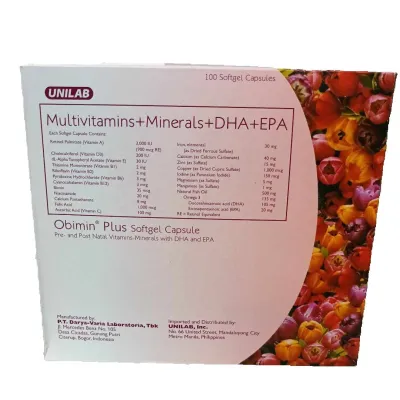
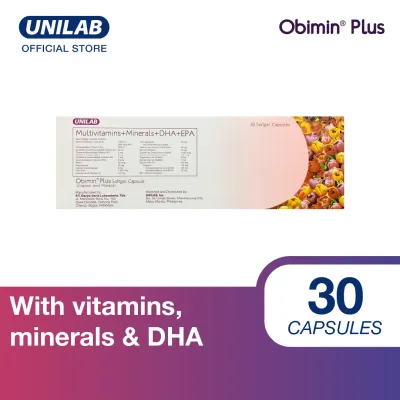

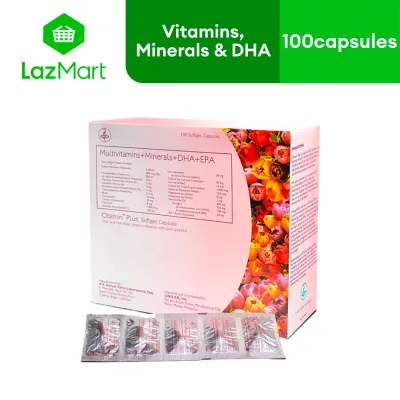
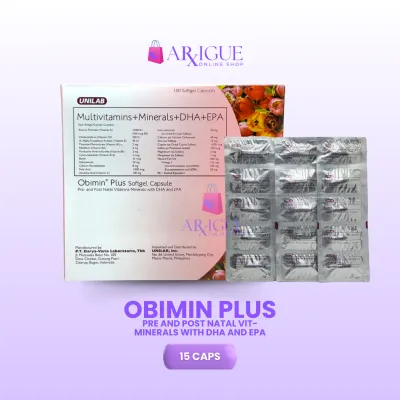
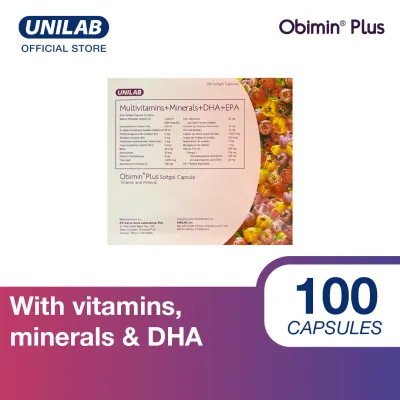
Prices are valid at publication and may change. Please refer to the product page for the latest price.
Showing the specific product box, label, or ingredient list to your OB-GYN during your prenatal check-up ensures that the formulation aligns perfectly with your body’s needs. This step is especially crucial if you are managing pre-existing health conditions or are already taking other medications.
Checking the Label: Key Nutrients and Dosages
When evaluating any prenatal multivitamin, the first line of defense is understanding what goes into your body. Reading the Supplement Facts panel on the packaging of Obimin Plus allows you to critically assess its formulation against standard prenatal nutritional guidelines.
A standard prenatal supplement typically contains a blend of essential vitamins and minerals designed to safeguard maternal health and support fetal growth. Key nutrients to look for on the label include:
- Folic Acid: Essential in the early stages of pregnancy to support neural tube development.
- Iron: Crucial for the production of hemoglobin, which helps transport oxygen to both the mother and the growing fetus, preventing iron-deficiency anemia.
- Calcium: Supports the development of the baby's bones and teeth while preserving the mother's bone density.
- DHA (Docosahexaenoic Acid): An omega-3 fatty acid that plays an important role in the development of the baby's brain and eyes.
While these nutrients are beneficial, dosages must be carefully monitored. You must verify that the levels of each nutrient do not exceed the Tolerable Upper Intake Levels (UL) established for pregnant women. This is particularly critical for fat-soluble vitamins, such as Vitamin A.
Unlike water-soluble vitamins, which the body easily flushes out through urine, fat-soluble vitamins accumulate in the body’s tissues. Excessive intake of Vitamin A during pregnancy can pose serious developmental risks to the fetus. Always cross-reference the label’s dosages with any other fortified foods, milk drinks, or supplements you consume daily to prevent accidental over-supplementation.
Beyond the nutrient list, product integrity is paramount. Always check the packaging for a valid expiration date, ensure the safety seal is completely intact, and look for local regulatory registration details, such as a Food and Drug Administration (FDA) registration number in the Philippines. Purchasing your supplements from reputable, licensed pharmacies rather than unverified online sellers guarantees that you are receiving a genuine, properly stored product.
Potential Side Effects and Practical Management
Like any multivitamin, prenatal supplements can sometimes cause mild, temporary side effects as your body adjusts to the concentrated dose of vitamins and minerals. Understanding these common reactions and learning how to manage them can significantly improve your comfort during pregnancy.

Nausea and Stomach Upset
Morning sickness is already a common hurdle for many expectant mothers, and taking a dense multivitamin can sometimes exacerbate gastric irritation. If you experience nausea or stomach discomfort after taking your supplement, try altering the timing. Taking the pill alongside a substantial meal or right before you go to sleep can help buffer the stomach lining. In the Philippines, pairing your supplement with a light, easy-to-digest snack—such as a small bowl of warm rice, crackers, or a slice of toast—can minimize stomach upset.
Constipation
Constipation is a frequent complaint among pregnant women, often exacerbated by the iron content found in prenatal formulations. Iron is highly necessary to support your expanding blood volume, but it can slow down digestion. To manage this safely and naturally, focus on increasing your daily fluid intake. Drinking plenty of water is especially important in the warm, humid climate of the Philippines to keep your digestive system moving. Additionally, incorporate fiber-rich local foods into your diet, such as papaya, bananas, oats, and leafy green vegetables like malunggay. Engaging in gentle, pregnancy-safe physical activities, such as prenatal yoga or a daily walk, can also stimulate healthy digestion.
Dark Stools
It is entirely normal to notice that your stools become darker, or even black, while taking an iron-containing prenatal supplement. This is a harmless side effect of unabsorbed iron passing through your digestive tract. However, it is crucial to distinguish this benign change from warning signs of gastrointestinal issues. If the dark stools are accompanied by a sticky, tarry texture, severe abdominal pain, cramping, or visible blood, you should contact your doctor immediately, as these symptoms require professional medical evaluation.
Metallic Taste
Some women experience a temporary metallic taste in their mouth after taking prenatal vitamins, which is often linked to the mineral content, particularly iron and zinc. Staying well-hydrated throughout the day can help wash away this sensation. You can also manage it by rinsing your mouth with water, chewing on pregnancy-safe sugar-free mints, or consuming citrusy fruits, provided they do not trigger acid reflux.
If any of these side effects become severe, persistent, or interfere with your ability to eat and drink comfortably, do not hesitate to stop taking the supplement and consult your OB-GYN. They may suggest alternative formulations or separate single-nutrient supplements to make your daily routine more manageable.
When to Consult Your OB-GYN or Stop Use
While prenatal supplements are designed to be beneficial, certain health conditions and situations demand strict medical supervision. Knowing when to pause use and seek immediate guidance is essential for protecting your health and that of your baby.
High-Risk Pregnancies
If your pregnancy is classified as high-risk, standard over-the-counter prenatal formulations may not be suitable for you. Expectant mothers managing conditions such as gestational diabetes, preeclampsia, thyroid disorders, chronic hypertension, or a history of kidney stones require highly tailored nutritional plans. For instance, certain minerals or binders in standard multivitamins might interfere with thyroid medications or alter kidney function. Your OB-GYN or maternal-fetal medicine specialist will determine the exact dosages of individual nutrients you need, rather than relying on a pre-blended multivitamin.
Allergic Reactions
Though rare, allergic reactions to ingredients or binders in supplements can occur. You must monitor your body for signs of a severe allergic response, which include hives, itching, skin rashes, swelling of the face, lips, tongue, or throat, and difficulty breathing. If you experience any of these symptoms, stop taking the supplement immediately and seek emergency medical attention.
Medication Interactions
The active minerals in prenatal supplements can interact with other prescription medications you might be taking. For example, calcium and iron can significantly reduce the absorption and effectiveness of thyroid hormones, blood thinners, and certain antibiotics. If you are prescribed other medications, your doctor will advise you on how to space out your doses—often requiring several hours between taking your prescription medication and your prenatal vitamin—to ensure both remain effective.
Over-Supplementation Risks
Taking multiple multivitamins or combining Obimin Plus with other high-dose single-nutrient supplements (like additional iron or vitamin drops) without explicit medical approval can lead to nutrient toxicity. Excessive levels of certain vitamins and minerals can place undue stress on your liver and kidneys and may harm the developing fetus.
Always stop taking the supplement and contact your healthcare provider immediately if you experience severe abdominal pain, persistent vomiting, unexpected vaginal bleeding, or any unusual physical symptoms. Your OB-GYN is your primary partner in navigating these safety boundaries.
Best Practices for Taking Prenatal Vitamins
To get the most out of your prenatal supplement while keeping discomfort to a minimum, establishing a consistent and mindful daily routine is key. Following these practical, low-risk guidelines can optimize nutrient absorption and support your overall well-being.
- Timing and Consistency: Try to take your supplement at the same time every day. Establishing a consistent routine—whether that is during breakfast, lunch, or right before bed—helps maintain steady nutrient levels in your body and makes it easier to remember your daily dose.
- Mind the Absorption Blockers: Certain foods and drinks can interfere with how well your body absorbs essential minerals like iron. Avoid taking your prenatal vitamin with dairy products, calcium supplements, tea, or coffee, as the calcium, polyphenols, and caffeine can block iron absorption. Instead, consider taking your supplement with a glass of water or a beverage rich in Vitamin C, which naturally enhances iron absorption.
- Stay Well-Hydrated: Always swallow your prenatal vitamin with a full glass of water. Proper hydration aids in the dissolution and digestion of the tablet, helping it pass smoothly into your digestive tract and reducing the risk of throat or stomach irritation.
- Store Safely and Correctly: The warm and humid tropical climate of the Philippines can degrade vitamins over time. Store your supplement bottle in a cool, dry place, away from direct sunlight, moisture, and heat. Avoid storing them in the bathroom cabinet, where humidity levels fluctuate. Most importantly, keep the container tightly sealed and strictly out of reach of children. High doses of iron can be highly toxic to young children, making secure storage a top safety priority.
Frequently Asked Questions (FAQ)
Can I take this supplement if I am trying to conceive?
Yes, prenatal vitamins are often recommended during the preconception phase. Building up essential nutrient stores, particularly folic acid, before pregnancy is crucial because the neural tube develops in the very early weeks of gestation, often before a woman realizes she is pregnant. However, you should consult your doctor to confirm if this specific formulation is the most appropriate choice for your preconception needs or if a simpler folic acid supplement is preferred.
What should I do if I miss a dose?
If you miss a dose of your prenatal vitamin, take it as soon as you remember. However, if it is already close to the time for your next scheduled dose, skip the missed one and return to your regular schedule. You must never double up on doses to make up for a missed one, as taking a double dose can increase the risk of vitamin or mineral toxicity, particularly with iron and fat-soluble vitamins.
Is it safe to continue taking it while breastfeeding?
Nutritional demands change significantly after childbirth and during lactation. While some mothers may be advised to continue their prenatal vitamins postpartum, lactation needs often differ from pregnancy needs. For example, your requirement for iron may decrease, while your need for other nutrients might increase. It is best to consult your pediatrician or OB-GYN to determine whether you should continue with your prenatal multivitamin or transition to a dedicated postnatal or lactation supplement.
Community discussion
Share your experience or ask a question. Comments are reviewed before publication.