
Navigating maternal nutrition is one of the most critical aspects of a healthy pregnancy. For many expecting mothers in the Philippines, prenatal multivitamins are a daily staple recommended to bridge any nutritional gaps. If you are considering or have been prescribed Obimin Plus, you are likely wondering about its safety profile, benefits, and potential side effects.
Generally, prenatal supplements like Obimin Plus are specifically formulated to support maternal health and fetal development, making them safe and highly beneficial when taken under medical supervision. However, safety is never a one-size-fits-all matter. Your unique health profile, pre-existing medical conditions, daily diet, and other concurrent medications all dictate whether a specific supplement is appropriate for you.
Because every pregnancy is unique, you must never start, stop, or alter your intake of Obimin Plus or any other prenatal supplement without the explicit approval of your obstetrician-gynecologist (OB-GYN) or a qualified healthcare provider. Your doctor will evaluate your specific nutritional requirements and ensure that your prenatal regimen is perfectly tailored to your body’s needs.
Products mentioned in this guide

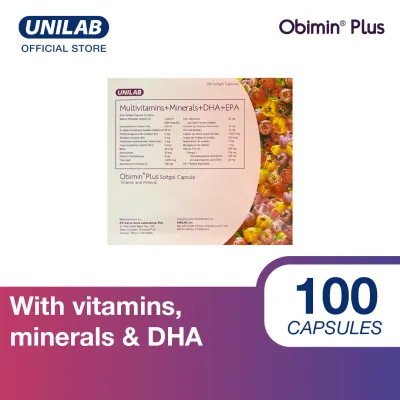
Prices are valid at publication and may change. Please refer to the product page for the latest price.
What to Look for on the Obimin Plus Ingredient Label
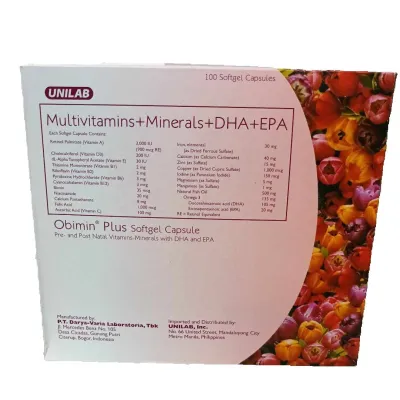
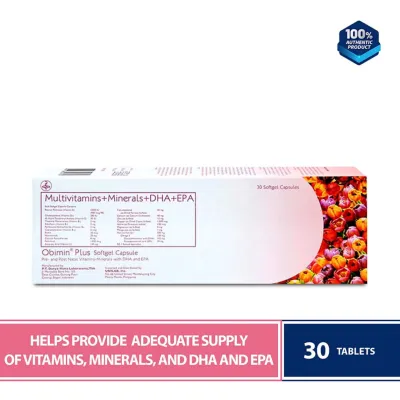
Understanding what goes into your body is a key step in active prenatal care. Rather than relying solely on general product names, you should carefully read the exact packaging label of your specific Obimin Plus variant to verify the complete ingredient list, exact dosages, and any manufacturer warnings.
Key Nutrients to Verify
Prenatal vitamins are carefully balanced mixtures of essential micronutrients designed to support the rapid physiological changes occurring in your body and the growth of your baby. When reviewing the label, you will typically find several cornerstone nutrients that play distinct roles in a healthy pregnancy:
- Folic Acid (Vitamin B9): Crucial during the early stages of pregnancy, folic acid supports the healthy development of the baby's neural tube, which eventually forms the brain and spinal cord.
- Iron: Your blood volume increases significantly during pregnancy to support your growing fetus. Iron is essential for producing hemoglobin, which carries oxygen to your organs and your baby, helping to prevent gestational anemia.
- Calcium and Vitamin D: These nutrients work in tandem to support the development of your baby's bones and teeth while protecting your own bone density.
- DHA (Docosahexaenoic Acid): An omega-3 fatty acid often derived from fish oil, DHA is a structural component of the brain and retina, making it vital for your baby's cognitive and visual development.
Always compare the nutrient values listed on your supplement’s label with the daily values recommended by your OB-GYN. This ensures you are meeting your daily requirements without inadvertently consuming excessive amounts.
Checking for Overlapping Supplements
One of the most common risks in prenatal supplementation is accidental overconsumption of certain nutrients, a condition known as hypervitaminosis. You should avoid taking Obimin Plus alongside other multivitamins, standalone iron pills, or additional fat-soluble vitamins (such as Vitamin A or Vitamin D) unless your doctor has specifically instructed you to do so.
Unlike water-soluble vitamins, which your body easily flushes out through urine, fat-soluble vitamins accumulate in your tissues. Excessive levels of Vitamin A, for instance, can be harmful to a developing fetus. To keep your supplementation safe, gather all your current vitamins, herbal teas, and over-the-counter medications, and bring them to your next prenatal appointment. Your healthcare provider can conduct a comprehensive review to eliminate dangerous overlaps.
Common Side Effects of Prenatal Vitamins and How to Cope
While prenatal vitamins are designed to support your health, the concentrated nutrients they contain can sometimes cause mild, temporary discomfort as your body adjusts. Knowing what to expect and how to manage these symptoms can make your pregnancy journey much more comfortable.

Managing Nausea and Upset Stomach
Nausea is already a common challenge during the first trimester, and the high iron content in prenatal vitamins can sometimes exacerbate an upset stomach. If you find that your supplement triggers or worsens your morning sickness, there are several low-risk, lifestyle-based strategies you can try:
- Take it with a meal: Consuming your prenatal vitamin alongside a substantial lunch or dinner can buffer your stomach lining and significantly reduce irritation.
- Shift your timing: If daytime nausea is a struggle, try taking your supplement right before bed so you can sleep through the period of peak stomach sensitivity.
- Stay hydrated: Sip water throughout the day to keep your digestive tract moving smoothly.
While mild nausea is common, you should stop taking the vitamin and contact your doctor immediately if you experience severe, persistent vomiting, an inability to keep food or liquids down, or signs of an allergic reaction such as hives, swelling, or difficulty breathing.
Dealing with Constipation and Digestive Changes
The iron in prenatal supplements is notorious for slowing down digestion, which frequently leads to constipation. You may also notice that your stool becomes dark green or black. This color change is a completely harmless, normal reaction to unabsorbed iron leaving your body.
To manage constipation safely without relying on medication, focus on natural, lifestyle-based remedies. Increase your daily water intake—especially important in the warm, humid climate of the Philippines—to keep your digestive system hydrated. Incorporate fiber-rich local fruits and vegetables, such as ripe papaya, bananas, and leafy greens, into your daily meals. Engaging in gentle, pregnancy-safe physical activity like daily walks can also stimulate bowel movements. Always consult your OB-GYN before using any over-the-counter laxatives or stool softeners, as some may not be safe during pregnancy.
Important Precautions and When to Avoid Supplementation
While prenatal vitamins are generally safe, certain pre-existing health conditions require extra caution or alternative formulations. It is vital to discuss your complete medical history with your OB-GYN before introducing any new supplement.
Conditions that require close medical monitoring when taking iron-rich or high-dose prenatal vitamins include:
- Iron Overload Disorders: Conditions like hemochromatosis, where the body stores too much iron, make standard prenatal vitamins with high iron content highly dangerous.
- Thyroid Disorders: Some prenatal supplements contain iodine or minerals that can interact with thyroid medications or affect thyroid hormone production.
- History of Kidney Stones: High doses of calcium and Vitamin D may increase the risk of stone formation in susceptible individuals.
Additionally, you must disclose any known allergies to your healthcare provider. Because some prenatal vitamins contain DHA derived from fish or algae, or use specific binders and fillers, individuals with severe seafood or chemical allergies must verify the source ingredients. If you experience unusual symptoms after starting your supplement—such as severe headaches, sudden vision changes, or signs of an allergic reaction—discontinue use immediately and seek professional medical evaluation.
How to Take Your Prenatal Vitamin for Best Results
To get the maximum benefit from your prenatal vitamin while minimizing side effects, how and when you take it matters. Certain minerals can interfere with each other’s absorption. For example, calcium can significantly inhibit the absorption of iron. If you are prescribed a separate calcium supplement or consume high-calcium foods like milk, yogurt, or fortified beverages, try to space them at least two hours apart from your prenatal vitamin.
Consistency is also key. Try to take your supplement at the same time every day to maintain steady nutrient levels in your body. Remember, however, that prenatal vitamins are designed to supplement, not replace, a balanced and nutrient-dense pregnancy diet. Focus on eating a variety of whole foods to provide a broad spectrum of natural nutrients.
Finally, proper storage is essential, particularly in the tropical, humid climate of the Philippines. Store your vitamins in a cool, dry place away from direct sunlight, and never leave them in a humid bathroom where moisture can degrade the capsules. Most importantly, keep them strictly out of reach of children. Prenatal vitamins often look like candy, and accidental iron overdose is a leading cause of accidental poisoning in young children.
Frequently Asked Questions (FAQ)
Can I take Obimin Plus if I am already eating a healthy diet?
Even with a highly nutritious diet, meeting the significantly increased nutritional demands of pregnancy can be incredibly difficult through food alone. Nutrients like folic acid and iron are required in much higher quantities to support your baby’s development and your expanding blood volume. Your doctor will evaluate your dietary intake and blood work to determine the exact level of supplementation your body needs.
What should I do if I miss a dose?
If you miss a dose of your prenatal vitamin, take it as soon as you remember. However, if it is almost time for your next scheduled dose, skip the missed one and resume your regular schedule. Never double up on your doses to make up for a missed one, as taking too much at once can trigger severe digestive upset or lead to nutrient toxicity.
Is it safe to continue taking Obimin Plus while breastfeeding?
Your nutritional requirements change once you transition from pregnancy to lactation. While some prenatal vitamins are suitable for breastfeeding mothers, others may contain nutrient ratios that are no longer optimal for your postpartum body. Consult your pediatrician or OB-GYN before continuing any pregnancy-specific supplement after childbirth to ensure it aligns with your breastfeeding needs.
Community discussion
Share your experience or ask a question. Comments are reviewed before publication.