
For a new mother navigating the postpartum period in the Philippines, balancing physical recovery with the demands of breastfeeding is a delicate task. If you are considering adding a supplement like Novaflora to your daily routine, your immediate priority is ensuring its absolute safety for your nursing baby. Postpartum recovery requires optimal nutrition, and while probiotics and targeted wellness supplements can support your digestive and immune systems, everything you consume deserves careful scrutiny.
The transition into motherhood involves navigating a vast array of health advice, traditional practices, and modern wellness products. In a tropical climate where hydration and gut health are particularly vital, maintaining a balanced microbiome is highly beneficial for a mother’s overall well-being. However, the fundamental rule of lactation remains: any substance you ingest has the potential to pass into your breast milk and reach your developing infant. Therefore, understanding the specific formulation of your chosen supplement is the first step toward a safe and successful breastfeeding journey.
Evaluating the safety of any maternal supplement requires looking beyond brand-name marketing. While many wellness products are designed with maternal health in mind, safety profiles can vary significantly between different product lines and individual formulations. A thorough, evidence-based approach to what you put into your body will help protect your baby while giving you the physical support you need during this demanding postpartum phase.
Products mentioned in this guide
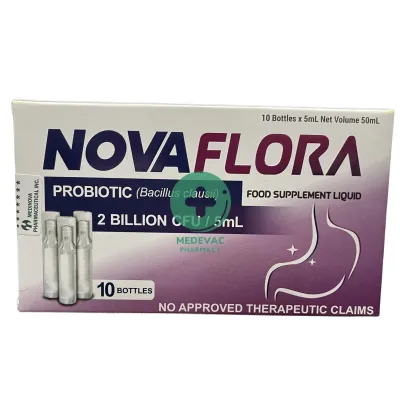
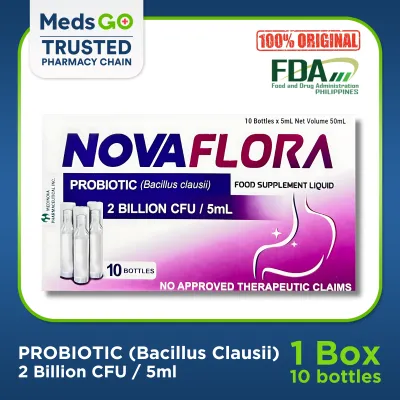
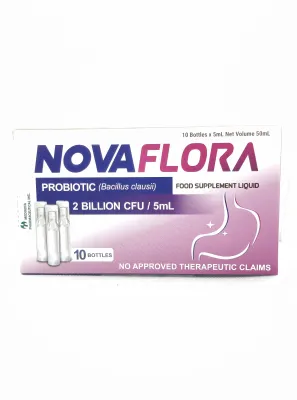
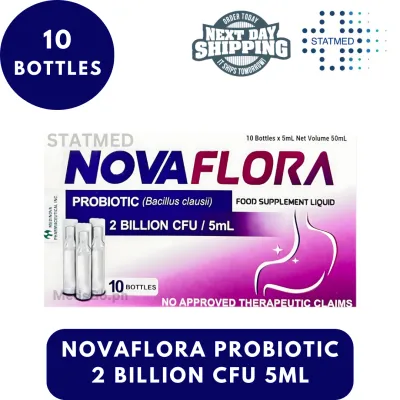
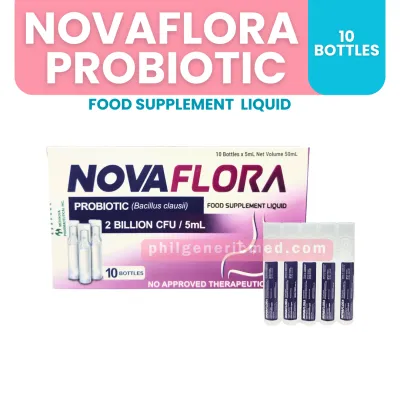

Prices are valid at publication and may change. Please refer to the product page for the latest price.
Evaluating Novaflora's Safety During Lactation
The postpartum period places immense physical demands on your body, often leading to digestive sluggishness, weakened immunity, and fatigue. To combat these challenges, many new mothers turn to probiotics and dietary supplements to restore balance. When considering Novaflora, it is important to understand that safety cannot be determined by a brand name alone. A single brand often manufactures multiple product variations, ranging from single-strain probiotics to complex formulas fortified with vitamins, minerals, or botanical extracts.
The physiological relationship between a nursing mother and her baby is highly intimate. When you consume a supplement, its active components are broken down in your digestive tract, absorbed into your bloodstream, and potentially carried to the mammary glands. While many standard probiotic bacteria are too large to pass directly into breast milk, they can significantly influence the immunological profile of your milk by improving your maternal gut health. However, other active ingredients, such as high-dose vitamins or herbal additives, can easily cross the mammary barrier and be ingested by your baby.
Because of this transfer potential, you must evaluate the specific Novaflora product you intend to use. A formulation that is perfectly safe for a non-pregnant, non-lactating adult might contain ingredients or dosages that are unsuitable for a developing infant’s immature digestive system and metabolic pathways. Always prioritize products that have clear, transparent ingredient disclosures and are specifically recommended by healthcare professionals for lactating women.
Before starting any new supplement regimen, consulting a qualified healthcare professional is an essential safety step. Your OB-GYN, pediatrician, or a certified lactation consultant can evaluate your personal health history, your baby’s developmental stage, and the exact formulation of the supplement. This personalized guidance ensures that your recovery support does not inadvertently compromise your baby’s health or your milk supply.
Decoding the Novaflora Ingredient Label
To make an informed decision, you must become adept at reading and interpreting the ingredient labels on your supplement packaging. Manufacturers are required to list all active and inactive ingredients, and understanding these components is vital for ensuring lactation safety.

Active Ingredients and Strains
Begin by identifying the primary active components of the supplement. If the product is a probiotic, look for the specific genus, species, and strain designations, which are typically written in italics followed by an alphanumeric code (for example, Lactobacillus rhamnosus GG or Bifidobacterium animalis subsp. lactis HN019). Different strains of the same bacterial species can have vastly different therapeutic effects and safety profiles. You can cross-reference these specific strains with reputable, public lactation safety databases such as LactMed or e-lactancia, which compile scientific literature on how various substances affect breast milk and nursing infants.
Additives, Fillers, and Allergens
Turn your attention to the “Other Ingredients” section of the label, which lists the excipients used to manufacture the capsule, tablet, or powder. In the humid tropical climate of the Philippines, supplements often require specific stabilizers, anti-caking agents, or binders to maintain their integrity and shelf life. Check this list carefully for common allergens such as dairy, soy, gluten, or corn. If your infant has a diagnosed or suspected sensitivity, such as Cow’s Milk Protein Allergy (CMPA), even trace amounts of dairy proteins used in the cultivation or encapsulation of probiotic strains could potentially trigger an allergic response in your baby through your breast milk.
Herbal and Botanical Extracts
Many wellness supplements include proprietary herbal blends designed to boost energy, manage postpartum stress, or support lactation. However, botanical ingredients are pharmacologically active and often lack rigorous safety testing for breastfeeding mothers. Some herbs can act as galactagogues, which may alter your milk volume, while others can act as antigalactagogues and suppress your milk supply. Furthermore, certain concentrated herbal extracts contain active compounds that can be harsh on an infant’s developing liver and kidneys, making it crucial to avoid unverified botanical blends while nursing.
Side Effects to Monitor for Mom and Baby
Introducing any new dietary supplement can cause temporary physiological adjustments in both your body and your baby’s delicate system. Monitoring these changes systematically will help you determine if the supplement is being well-tolerated.
Maternal Reactions
As your body continues to adjust to postpartum hormonal changes, your digestive system may be highly sensitive. When you begin taking a new probiotic or nutrient supplement, you might experience mild, temporary digestive shifts. These can include:
- Mild bloating or gas as your gut microbiome reorganizes and adapts to new bacterial strains.
- Changes in bowel habits, such as temporary looseness or mild constipation.
- Slight stomach upset, which often occurs if a supplement is taken on an empty stomach.
These maternal reactions are typically mild and should resolve within a few days to a week as your system stabilizes. If these symptoms persist, cause significant discomfort, or are accompanied by cramping or nausea, you should stop taking the product and consult your doctor.
Infant Observations
Because your breast milk carries trace elements of what you consume, you must closely observe your baby for any subtle behavioral or physical shifts. Keep a daily log of the following key indicators:
- Stool consistency and frequency: While breastfed infant stools are naturally loose and vary in color, look out for sudden watery diarrhea, green frothy stools, or the presence of mucus or blood.
- Fussiness and colic-like symptoms: Note if your baby becomes unusually irritable, cries excessively, or pulls their legs up to their abdomen shortly after feeding.
- Spitting up and reflux: Watch for a sudden increase in the volume or frequency of spit-ups or signs of painful reflux.
- Sleep and feeding patterns: Monitor if your baby has sudden difficulty settling down or shows a sudden reluctance to nurse.
Differentiating Normal Adjustments from Reactions
It is common for newborns to experience periods of gassiness, mild colic, or digestive straining (infant dyschezia) as their neuromuscular pathways and gut microbiomes naturally develop. Differentiating these normal developmental milestones from a reaction to your supplement can be challenging. A helpful approach is to observe the timing of the symptoms. If your baby was previously settled and suddenly develops digestive distress within 24 to 48 hours of you starting the supplement, a connection is possible. Temporarily pausing the supplement for a few days to see if the baby’s symptoms subside can help you and your pediatrician identify the root cause.
Red Flags: When to Stop and Consult Your Doctor
While many postpartum supplements are generally safe, certain health profiles and symptoms require immediate professional medical attention. Establishing clear safety boundaries will help you protect both your health and your baby’s well-being.
Pre-Existing Health Conditions
Certain medical circumstances make self-prescribing any supplement highly risky. You must obtain explicit medical clearance from your healthcare provider before taking any new product if:
- You are immunocompromised or recovering from a severe postpartum infection, as introducing live bacterial strains (probiotics) can pose systemic risks to vulnerable individuals.
- You have a history of severe gastrointestinal disease or inflammatory bowel conditions.
- Your baby was born prematurely, had a low birth weight, or spent time in the Neonatal Intensive Care Unit (NICU). Premature infants have highly fragile gut barriers and underdeveloped immune systems, making them exceptionally sensitive to any changes in breast milk composition.
- Your baby has a diagnosed metabolic disorder or a compromised immune system.
Immediate Stop Signals
Discontinue the use of any supplement immediately and seek medical evaluation if you or your baby experience any of the following red-flag symptoms:
Maternal Red Flags:
- Severe abdominal pain, persistent cramping, or vomiting.
- Severe, watery diarrhea that lasts for more than 48 hours, raising the risk of dehydration.
- Signs of an allergic reaction, such as hives, skin rashes, swelling of the face, lips, or tongue, or difficulty breathing.
Infant Red Flags:
- A sudden, widespread skin rash or hives.
- Persistent, forceful vomiting or a complete refusal to breastfeed.
- Extreme lethargy, where the baby is unusually difficult to wake for scheduled feedings or appears unresponsive.
- Signs of dehydration, which include having fewer than six wet diapers in a 24-hour period, a sunken soft spot (fontanelle) on the head, or crying without tears.
The Role of Healthcare Providers
Your healthcare team is your best resource for navigating postpartum wellness safely. In the Philippines, you can consult your OB-GYN during your routine postpartum checkups, or discuss your concerns with your baby’s pediatrician during regular immunization visits. You can also reach out to certified lactation specialists or local breastfeeding support networks. When you consult a doctor, always bring the physical packaging of the Novaflora product with you. This allows the physician to inspect the exact ingredient list, the specific bacterial strains, the dosage, and the manufacturing details, ensuring they can provide accurate, personalized medical advice.
Frequently Asked Questions (FAQ)
Can taking postpartum supplements affect my breast milk supply?
Most standard postpartum supplements, such as high-quality vitamins, minerals, and pure probiotic strains, do not negatively impact your breast milk supply. In fact, supporting your overall health, hydration, and nutritional status can have a positive effect on your lactation journey. However, some multi-ingredient supplements contain proprietary herbal blends or botanical extracts that can interfere with milk production. Certain herbs, such as concentrated sage, peppermint, or oregano, are known antigalactagogues and can decrease your milk supply if consumed in large quantities. Always review the full ingredient list for these botanical additives and monitor your milk output closely when starting any new product.
Should I time my supplement intake around my breastfeeding sessions?
For standard dietary supplements, including vitamins and probiotics, there is generally no strict medical requirement to time your intake around your breastfeeding sessions. Unlike certain pharmaceutical medications that peak rapidly in your bloodstream and breast milk, nutritional supplements and probiotics are processed gradually through your digestive system, resulting in a slow, steady absorption rate. To maximize safety and comfort, it is best to follow the manufacturer’s care instructions on the product packaging, which often recommend taking the supplement with a meal to enhance absorption and prevent mild stomach upset. If your doctor prescribes a high-dose therapeutic supplement, consult them directly for any specific timing recommendations.
Community discussion
Share your experience or ask a question. Comments are reviewed before publication.