
Determining whether Nivea Anti-Stretch Mark Cream is safe to use during pregnancy requires a careful look at the specific product’s ingredient list rather than relying on brand reputation alone. Because skincare formulations can vary significantly by region, product line, and manufacturing year, there is no single, universal answer. To ensure the safety of both mother and baby, you must verify the exact ingredients printed on the packaging of the bottle you purchase. While many standard hydrating creams are generally considered low-risk, certain active ingredients, preservatives, or fragrances may not be suitable for everyone during pregnancy. Taking a systematic approach to checking labels and consulting your healthcare provider is the most reliable path to maintaining healthy skin safely.
Understanding Pregnancy-Safe Skincare Principles
During pregnancy, your body undergoes profound physiological changes, including increased blood flow and hormonal fluctuations that can alter how your skin reacts to topical products. A primary concern with any skincare product is dermal absorption. While the skin is an excellent barrier, small amounts of certain topically applied chemicals can penetrate the outer layers, enter the maternal bloodstream, and potentially cross the placenta to reach the developing fetus. Although most cosmetic ingredients are absorbed in negligible quantities, some concentrated active compounds carry risks that warrant caution.
It is important to recognize that marketing terms such as “natural,” “organic,” “hypoallergenic,” or “maternity-safe” are not strictly regulated medical terms. A product labeled “natural” may still contain concentrated botanical extracts or essential oils that can cause severe skin irritation or are advised against during pregnancy. Conversely, synthetic ingredients are not inherently dangerous; many are highly stable, thoroughly researched, and widely recommended by dermatologists. Therefore, you should never assume a product is safe based solely on front-label marketing claims or appealing packaging.
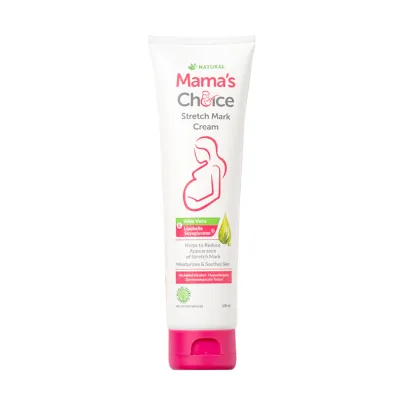
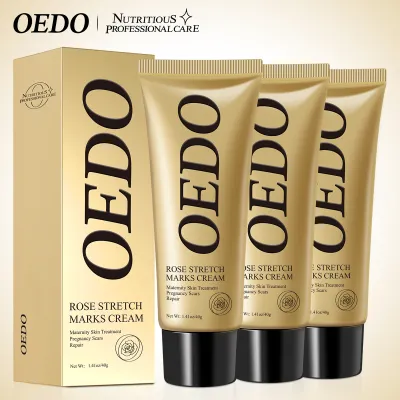
Products mentioned in this guide
![[ STRETCH MARK REMOVER ] SkinGenerics Stretch Mark Cream Dark Spot Remover Stretchmark Cream Corrector Post Pregnancy Anti Aging Firms Skin Removes Dark Spots Erases Fine Lines Stretchmark Eraser Cream for Aged Skin Corrects Fine Lines and Dark Spot Remov](https://img.lazcdn.com/g/p/ca54b373a7984f82fca90dcc4e759479.png_400x400q80.png_.webp)

![[ STRETCH MARK REMOVER ] Greenika Stretchpro Stretch Mark Cream Intese Hydration for Post Pregnancy and Aging for Stretch mark Fine Lines Wrinkles Uneven Skin Tone for Plumper Looking Skin](https://img.lazcdn.com/g/p/5abeae5e5af28ad94f15212124bca671.png_400x400q80.png_.webp)

Prices are valid at publication and may change. Please refer to the product page for the latest price.
The only reliable way to evaluate a product’s suitability is to review its complete ingredient list, often referred to as the International Nomenclature of Cosmetic Ingredients (INCI) list. This list provides a standardized, scientific breakdown of every substance included in the formulation. By learning how to read this list, you can make informed decisions that protect your health and support your skin’s changing needs throughout your pregnancy journey.
How to Verify the Nivea Anti-Stretch Mark Cream Ingredients
To verify the safety of a specific Nivea anti-stretch mark product, you must locate the most current and accurate ingredient list. The most reliable source is the physical packaging of the product you hold in your hand. Online listings on e-commerce platforms or third-party blogs can be outdated, inaccurate, or represent formulations intended for other countries. Skincare manufacturers frequently update their formulas to improve texture, comply with changing local regulations, or source new ingredients, meaning two bottles of the same product purchased at different times or locations could have different compositions.

When reading the ingredient list, pay close attention to the order of the ingredients. By regulatory standard, ingredients are listed in descending order of concentration. The ingredients at the very top of the list—such as water (aqua), glycerin, or mineral oils—make up the vast majority of the product’s volume. These primary ingredients are typically responsible for basic hydration and barrier support. Ingredients listed near the bottom, such as specific preservatives, colorants, and fragrances, are present in very small amounts, though they can still be highly relevant if you have sensitive skin or known allergies.
Regional variations are particularly important to consider. A Nivea formulation distributed in a highly humid, tropical climate like the Philippines may be formulated differently than one sold in a cold, dry European country. Tropical formulations often prioritize lightweight, non-comedogenic ingredients to prevent sweat-induced irritation and clogged pores, while cold-climate formulas may rely on heavier, highly occlusive lipids. Always check the label of the specific bottle available in your local market to ensure you are evaluating the correct formulation.
Common Skincare Ingredients to Cross-Check During Pregnancy
When reviewing the ingredient list of your Nivea cream, you should cross-reference it with a checklist of ingredients that medical professionals generally advise avoiding or limiting during pregnancy. The most prominent group to watch out for is retinoids, which include retinol, retinyl palmitate, and retinaldehyde. While highly effective for skin renewal, high doses of vitamin A derivatives are associated with developmental risks, leading doctors to recommend avoiding all topical retinoids during pregnancy as a precautionary measure.
Another category to evaluate is beta hydroxy acids (BHAs), most notably salicylic acid. While low concentrations (typically 2% or less) found in wash-off cleansers are generally considered low-risk, high-dose or leave-on applications of salicylic acid are often restricted. You should also check for certain chemical sunscreen agents, such as oxybenzone, and skin-lightening agents like hydroquinone, which have high absorption rates and are typically excluded from pregnancy-safe routines.
It is also essential to look for synthetic fragrances and specific preservatives on the label. Pregnancy hormones can make your skin significantly more sensitive and prone to contact dermatitis, even if you have never experienced skin irritation before. Highly fragranced products or certain preservatives can trigger redness, itching, or allergic reactions. When checking the label, look for standard INCI names rather than common names; for example, look for “Parfum” or “Fragrance” to identify added scents.
Remember that the absence of these restricted ingredients does not automatically guarantee that a product is completely safe or suitable for your unique skin. Every pregnancy is different, and your skin’s barrier function can change from week to week. The lack of known harmful substances is a reassuring starting point, but it should always be paired with professional confirmation and careful self-monitoring.
When to Seek Professional Medical Advice
Because every individual’s health profile and pregnancy journey are unique, your obstetrician or a board-certified dermatologist is the only qualified authority to approve your skincare routine. You should never hesitate to consult your doctor about any product you plan to apply to your body. This is especially true if you are managing a high-risk pregnancy, have a history of chronic skin conditions like eczema or psoriasis, or are experiencing unusual skin changes.
To make your consultation as productive as possible, bring the physical product or a clear, high-resolution photograph of the entire ingredient list to your next prenatal appointment. This allows your doctor to quickly scan the exact chemical composition of the formulation you intend to use. Your doctor can then provide personalized guidance based on your medical history, gestational stage, and any specific skin sensitivities you may have developed.
If you experience any adverse reactions after applying a product, such as persistent redness, burning, swelling, or an itchy rash, stop using it immediately and contact your healthcare provider. Do not attempt to treat skin reactions with over-the-counter medicated creams without professional guidance, as some topical treatments may contain active ingredients that are not recommended during pregnancy.
General Safe Practices for Pregnancy Skin Hydration
Managing the physical discomfort of stretching skin is a common part of pregnancy, and maintaining consistent skin hydration can greatly improve your comfort. To support your skin barrier safely, focus on a simple, gentle routine. Cleanse your skin with mild, soap-free washes that do not strip away natural lipids, and apply your moisturizer consistently to lock in hydration. Applying your lotion or cream immediately after bathing, while your skin is still slightly damp, helps trap moisture more effectively.
When applying moisturizers to your expanding abdomen, breasts, or thighs, use gentle, soothing techniques. Avoid aggressive rubbing, deep tissue massage, or applying firm pressure to your stomach, particularly as your pregnancy progresses. Instead, use light, circular motions with the palms of your hands to distribute the product evenly. This gentle touch supports circulation and skin elasticity without causing unnecessary physical stress to the abdominal wall.
In tropical climates characterized by high heat and humidity, managing skin hydration requires extra care. Heavy, highly occlusive creams can trap sweat against the skin, leading to heat rash, clogged pores, or localized irritation. If you live in a warm environment, look for lightweight, easily absorbed lotions that provide deep hydration without leaving a thick, greasy residue. Keeping your skin clean, dry, and lightly moisturized will help prevent the itching and discomfort often exacerbated by sweat.
Always establish clear stop-use conditions for any skincare product you introduce. If you notice the sudden onset of redness, severe itching, hives, or any unusual skin lesions, discontinue use immediately. Wash the area thoroughly with cool water to remove any remaining product. Monitoring your skin’s daily response ensures that you can address any sensitivities quickly and keep your skincare routine entirely safe and comfortable.
Frequently Asked Questions (FAQ)
Can I start using stretch mark creams in the first trimester?
Yes, you can begin focusing on skin hydration early in your pregnancy, but you should exercise extra caution during the first trimester. The first trimester is a critical period of fetal organ development, making it highly advisable to clear any new topical products with your obstetrician before use. While basic, gentle moisturizers are generally safe, avoiding highly active or heavily fragranced commercial creams until you have professional approval is the safest approach to early pregnancy skincare.
What are alternative ways to keep skin hydrated if I avoid commercial creams?
If you prefer to avoid commercial creams altogether, you can maintain excellent skin hydration using simple, low-risk alternatives. Plain, fragrance-free emollients or basic moisturizers recommended by your dermatologist are highly effective. Additionally, supporting your skin from the inside out by maintaining adequate daily water intake is crucial. Taking lukewarm rather than hot showers, using mild soap alternatives, and wearing loose, breathable cotton clothing also help preserve your skin’s natural moisture barrier, especially in warm, humid climates.

Community discussion
Share your experience or ask a question. Comments are reviewed before publication.