
Protecting a baby from mosquito-borne illnesses is a top priority for parents in the Philippines, especially during the high-risk rainy season when dengue cases spike. Among the various pest control options on the market, the niko mosquito killer—which typically comes in liquid vaporizer or mat formats—is a popular choice for keeping bedrooms insect-free. However, when it comes to the safety of newborns and infants, the answer is not a simple yes or no. While these devices are highly effective at eliminating pests, they disperse chemical active ingredients into the air that require careful consideration before use around sensitive young lungs.
No chemical-based mosquito repellent or vaporizer is considered entirely risk-free for infants under one year old. A baby’s respiratory system is still developing, making them far more vulnerable to airborne substances than adults. While you can use a niko mosquito killer in a household with a baby, doing so safely depends heavily on how you manage room ventilation, the physical distance between the device and the child, and the timing of its operation. Physical barriers like mosquito nets remain the safest and most reliable primary defense for infants.
What to Look for on the Ingredient Label
Before plugging any pest control device into your nursery outlets, it is vital to inspect the packaging and identify the active ingredients. Most modern household vaporizers, including the niko mosquito killer, utilize synthetic pyrethroids. These chemical compounds, which commonly include transfluthrin, prallethrin, or allethrin, are designed to mimic the natural insecticidal properties found in chrysanthemum flowers. They work by targeting the nervous systems of flying insects, causing paralysis and death.
Products mentioned in this guide
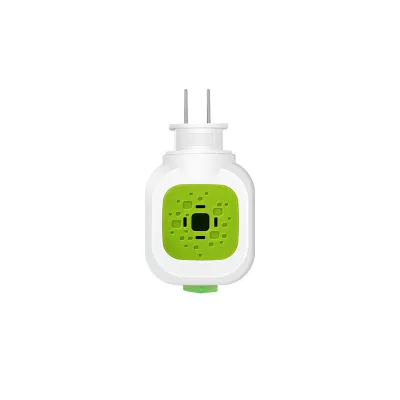
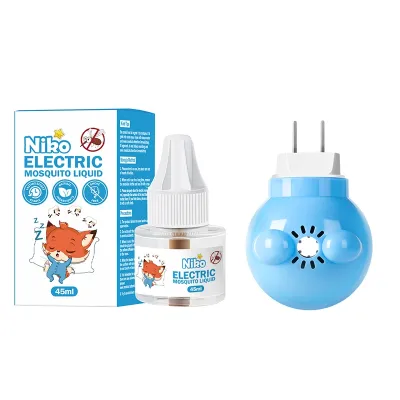
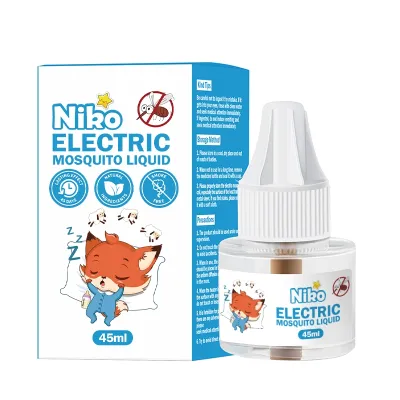
Prices are valid at publication and may change. Please refer to the product page for the latest price.
For healthy adults, regulatory bodies generally evaluate these synthetic pyrethroids as low-toxicity when used according to manufacturer instructions. However, infants possess developing metabolic systems, meaning their bodies cannot break down or clear inhaled chemical compounds as efficiently as an adult’s body can. When reading the product label, you should also look closely at any added inactive ingredients. Many mosquito liquids or mats contain synthetic fragrances, deodorizers, or solvents designed to mask the chemical smell or create a pleasant room aroma. For a baby, these artificial perfumes are common triggers for airway irritation and should be avoided entirely. Always choose unscented or fragrance-free refills to minimize the risk of respiratory discomfort.
Why Infants Are More Sensitive to Mosquito Chemicals
Understanding why babies require extra protection from airborne chemicals helps parents make safer choices. Physically, infants are not just miniature adults; their respiratory physiology is uniquely vulnerable. A baby breathes at a much faster rate than an adult, taking in more air—and consequently more airborne chemical particles—relative to their small body weight.

Furthermore, an infant’s airways are incredibly narrow and delicate. If an airborne irritant causes even mild inflammation or swelling in a baby’s bronchial tubes, it can significantly restrict their breathing compared to an adult experiencing the same level of exposure. In many Philippine households, bedrooms are kept sealed and air-conditioned to combat the tropical heat and humidity. Running a chemical vaporizer continuously in a closed, unventilated room allows the active ingredients to concentrate in the air over several hours. This concentrated buildup can easily irritate a baby’s sensitive mucous membranes, leading to coughing, nasal congestion, or subtle breathing difficulties, even if the product packaging labels the formula as mild or safe for home use.
How to Minimize Risks If You Use a Mosquito Killer
If you decide that using a chemical vaporizer is necessary to protect your family from dengue, you must implement strict safety protocols to shield your baby from direct chemical exposure.
Placement and Distance
The physical location of the plug-in device plays a critical role in safety. The concentration of chemical vapors is highest immediately surrounding the vaporizer. Therefore, you should always plug the niko mosquito killer into an outlet that is at least 2 to 3 meters away from your baby’s crib, playpen, or sleeping area. Never position the device directly behind the baby’s head, on a bedside table right next to their mattress, or in a spot where an electric fan or air conditioner could blow the vapor stream directly into their breathing zone.
Ventilation and Timing
Operating a chemical vaporizer continuously throughout the night in a sealed room poses the highest risk of respiratory buildup. To prevent this, avoid using the device in completely closed, air-conditioned spaces. If the room must be closed, utilize a pre-treatment strategy instead of running the device all night. Plug the vaporizer into the empty bedroom 1 to 2 hours before your baby’s bedtime to clear out any lingering mosquitoes. Once the room is clear, unplug the device, open the door or window briefly to allow fresh air to circulate, and then bring your baby in to sleep. This ensures the room is free of active pests without exposing your sleeping infant to continuous chemical vapors.
Handling and Storage
Safe usage also extends to how you handle the product refills. Liquid refills and chemical mats contain highly concentrated active ingredients that are dangerous if swallowed or absorbed directly through the skin. Store all refills, replacement mats, and the heating devices themselves on high shelves or inside locked cabinets completely out of reach of toddlers and older children. Additionally, always wash your hands thoroughly with soap and water immediately after handling a liquid bottle or inserting a new mat. This simple step prevents you from accidentally transferring chemical residues to your baby’s skin, toys, bottles, or eyes during daily care.
Warning Signs: When to Stop Use and Seek Help
Even when you take every precaution, some infants may still exhibit a sensitivity to airborne pest control products. Parents must remain vigilant and monitor their babies for any signs of adverse reactions. Common physical indicators of chemical sensitivity include persistent coughing, sudden wheezing, frequent sneezing, watery or red eyes, and unexplained skin rashes or hives. Behavioral changes, such as unusual fussiness, restlessness, or a sudden refusal to feed during or after the device has been running, can also signal discomfort.
If you observe any of these warning signs, take immediate action. Unplug the niko mosquito killer right away and move your baby to a different room or an outdoor area with fresh, clean air. Carefully monitor their breathing to ensure it returns to a normal, relaxed pattern. If the symptoms persist, or if your baby exhibits severe signs of respiratory distress’such as rapid breathing, chest retractions, or blue-tinted lips’seek immediate medical attention from a pediatrician or visit the nearest healthcare facility. Always prioritize stopping the use of the product as the very first safety measure.
Zero-Chemical Alternatives for Protecting Your Baby
For parents who prefer to avoid chemical exposure entirely, several highly effective, non-chemical methods can keep mosquitoes at bay. Physical barriers are widely considered the gold standard for infant mosquito protection because they offer reliable defense without introducing any respiratory risks.
Installing a high-quality, breathable mosquito net—commonly known as a “kulambo” in the Philippines—over your baby’s crib, bassinet, or stroller is one of the most effective steps you can take. Ensure the net is draped securely, tucked in around the edges, and free of any tears or gaps where insects could slip through. Additionally, dressing your baby in light-colored, long-sleeved tops and long pants made of lightweight, breathable cotton provides a physical shield against bites while keeping them cool in humid weather. Keep window and door screens in your home well-maintained, repairing even the smallest holes immediately.
You can also leverage environmental controls to disrupt mosquito behavior. Mosquitoes are weak fliers and struggle to navigate in moving air. Placing a standard electric fan on a gentle, oscillating setting near the sleeping area creates enough air turbulence to prevent mosquitoes from landing on your baby. Finally, eliminate the root cause of the pest problem by regularly inspecting your home and yard for standing water. Emptying water trays under indoor plants, covering water storage containers, and clearing clogged gutters removes potential breeding grounds, significantly reducing the local mosquito population.
Frequently Asked Questions (FAQ)
Are mosquito coils safer than liquid vaporizers for babies?
No, traditional burning mosquito coils are generally much more hazardous to an infant’s respiratory health than liquid vaporizers. Burning a coil produces visible smoke containing fine particulate matter, carbon monoxide, and volatile organic compounds. Inhaling this smoke can severely irritate a baby’s delicate lungs and trigger asthma-like symptoms or respiratory distress. Liquid vaporizers, while still dispersing chemical ingredients, are smokeless and do not release harmful combustion byproducts, making them a relatively safer option if a chemical repeller must be used. However, neither format should ever be burned or operated continuously in a closed room where an infant is sleeping.
At what age can I apply topical mosquito repellent directly on my baby?
Pediatric guidelines generally advise against applying any chemical topical insect repellents, including those containing DEET or picaridin, to infants under two months of age. For babies older than two months, you may use approved pediatric formulations, but you must check the product label carefully for age restrictions and concentration limits. When applying repellent to an eligible baby, avoid their hands, eyes, mouth, and any irritated skin to prevent accidental ingestion or irritation. Always consult your pediatrician before introducing any new topical chemical products to your baby’s sensitive skin.
Community discussion
Share your experience or ask a question. Comments are reviewed before publication.