
Caring for a newborn’s skin requires extreme caution, especially when introducing a multi-purpose product like the Nature to Nature Make It Better Nourishing Balm. While many parents seek gentle, plant-based solutions to soothe dry patches, cradle cap, or minor skin irritations, a baby’s skin barrier is highly delicate and still developing. In a warm and humid tropical climate like the Philippines, heat, sweat, and heavy topical products can interact in unexpected ways, making it crucial to evaluate any skincare product before applying it to your little one.
Determining whether this specific balm is safe for your newborn or sensitive-skinned baby depends on a careful examination of the product’s ingredient list, adherence to manufacturer age guidelines, and a successful patch test. Because there is no universal skincare product that is guaranteed to be safe for every single infant, caregivers must take a systematic approach to product selection. By understanding how to read labels, recognize early signs of irritation, and maintain a supportive daily skincare routine, you can protect your baby’s skin barrier while finding the right moisturizing solutions.
Checking Ingredients and Product Labels for Baby Safety
When evaluating the Nature to Nature Make It Better Nourishing Balm, your first line of defense is the ingredient list printed on the packaging. Newborn skin is up to thirty percent thinner than adult skin, meaning it absorbs topical substances much more rapidly and is highly susceptible to chemical irritants. To protect your baby, look closely at the label for common sensitizers such as added synthetic fragrances, essential oils, and specific preservatives. Even natural essential oils, which are frequently found in organic balms, can trigger allergic contact dermatitis or respiratory sensitivity in very young infants.
Products mentioned in this guide
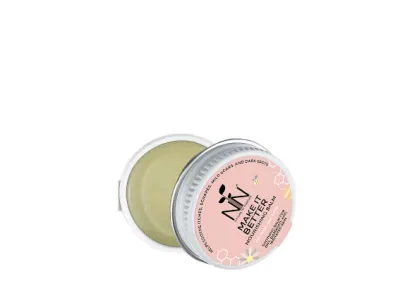
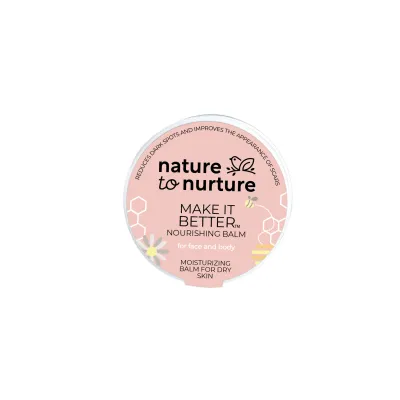
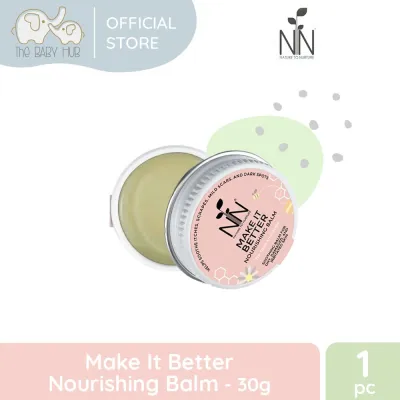
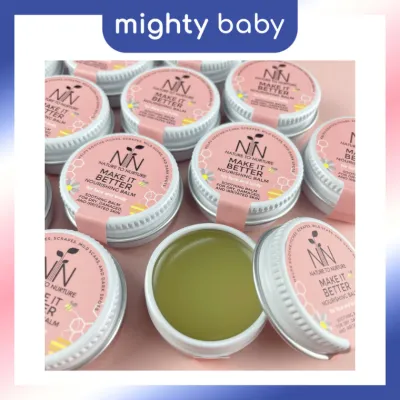
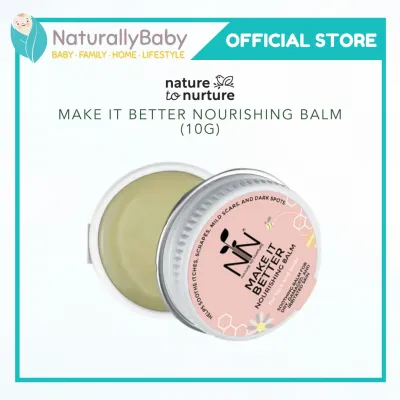
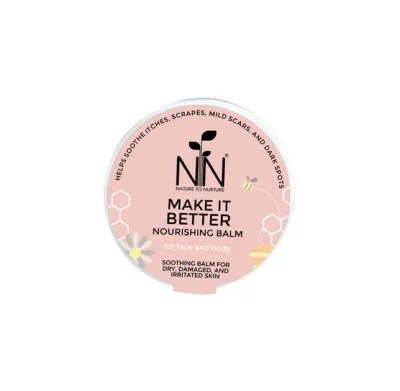
Prices are valid at publication and may change. Please refer to the product page for the latest price.
Next, locate the manufacturer’s official age recommendations and usage instructions. Some balms are formulated specifically for infants over three or six months of age, while others may be cleared for newborns. If the packaging does not explicitly state that it is safe for newborns, or if the instructions are vague, it is best to err on the side of caution and delay use. Pay close attention to any warnings, such as avoiding contact with the eyes, keeping the product out of reach of children, or restricting application to specific parts of the body.
It is also important to demystify common marketing terms like “hypoallergenic” or “dermatologically tested” that often appear on baby skincare products. While these labels suggest a lower likelihood of causing an allergic reaction, they are not standardized medical terms and do not guarantee absolute safety. “Dermatologically tested” simply means a dermatologist oversaw some level of testing, but it does not reveal the test’s parameters, the sample size, or whether the test subjects had highly sensitive newborn skin. Always treat these claims as helpful indicators rather than absolute proof of safety, and verify the full ingredient list yourself.
How to Perform a Safe Patch Test Before Full Application
Before applying any new balm, including the Nature to Nature Make It Better Nourishing Balm, across large areas of your baby’s body, performing a localized patch test is an essential safety step. This simple precaution allows you to observe how your baby’s unique skin reacts to the formulation without risking a widespread allergic reaction or systemic irritation.

To begin the patch test, select a small, discreet area of skin that your baby cannot easily reach or rub against their face. The inner forearm, the inside of the elbow, or a small spot behind the ear are ideal locations for this test. Ensure the chosen area is clean, dry, and free from any pre-existing redness, heat rash, or dry patches.
Apply a very small, pea-sized amount of the nourishing balm to the selected spot and gently pat it in. Do not rub vigorously, as friction itself can cause localized redness that might be mistaken for a product reaction. Leave the balm on the skin and monitor the area closely over a twenty-four to forty-eight hour period. During this time, keep the test area dry and avoid applying other lotions, oils, or powders to the same spot.
Observe the test site regularly for any visual signs of a reaction, such as redness, swelling, tiny raised bumps, or dry, flaky patches. Additionally, pay close attention to your baby’s behavioral cues. If your baby scratches at the test area, becomes unusually fussy, or shows signs of physical discomfort, it may indicate that the product is causing itching or burning, even if visible redness has not yet fully developed. If any of these signs occur, the test is positive, and you should not proceed with full-body application.
Recognizing Skin Irritation and When to Stop Use
Even if a product passes an initial patch test, continuous use can sometimes lead to cumulative irritation or delayed allergic contact dermatitis. Caregivers must remain vigilant and know how to recognize the early signs of skin compromise. In tropical environments, distinguishing between a product reaction and common heat-related issues like prickly heat is crucial for proper skin management.
Visible indicators of skin irritation from a topical balm often include localized redness, dry or rough patches that do not improve with moisturizing, and small, itchy papules. Allergic contact dermatitis may present as a more intense, defined red rash that corresponds exactly to where the balm was applied. If the skin barrier becomes severely compromised, you might notice cracking, peeling, or a raw appearance that leaves the skin vulnerable to secondary bacterial infections.
If you suspect the Nature to Nature Make It Better Nourishing Balm is causing discomfort or irritation, take immediate, low-risk steps to soothe your baby’s skin. First, gently wash the affected area with lukewarm water and a soft, clean cloth to remove any remaining product residue. Avoid using harsh scrubbing motions or heavily scented soaps, which will only exacerbate the irritation. Pat the skin dry with a clean towel rather than rubbing it.
Discontinue use of the balm immediately and monitor the skin closely. If the redness, swelling, or rash does not begin to subside within a day or two, or if it spreads to other parts of the body, consult a pediatrician or a pediatric dermatologist. You should seek immediate professional medical advice if you observe severe symptoms such as blistering, oozing, pus, or if your baby develops a fever or shows signs of extreme distress.
Daily Skincare Habits for Newborns and Sensitive Skin
A nourishing balm is only one component of a healthy infant skincare routine. To truly support and protect your newborn’s delicate skin barrier, you must pair product application with gentle daily skincare habits. This is especially important in warm, humid climates where frequent sweating and high humidity can trap moisture and bacteria in skin folds.
When bathing your baby, keep the water temperature lukewarm rather than hot, as hot water strips natural oils from the skin and worsens dryness. Limit bath time to five to ten minutes, which is sufficient to cleanse the skin without over-exposing it to water. Avoid daily soap baths; instead, use a mild, fragrance-free cleanser formulated specifically for infants only on areas that genuinely need it, such as the diaper area and skin folds.
The timing of moisturizer application is critical for locking in hydration. The most effective time to apply a gentle balm or lotion is within three minutes after bathing, while the baby’s skin is still slightly damp. Gently pat the skin with a towel, leaving a hint of moisture on the surface, and then smooth a thin layer of the product over the body. This technique helps seal in the water absorbed during the bath, keeping the skin barrier supple and resilient.
Avoid common practices that can compromise the skin, such as using rough washcloths, rubbing the skin vigorously, or over-washing. In tropical climates, applying excessively thick layers of heavy balms can clog sweat glands and lead to heat rash. Opt for thin, breathable layers of product, and ensure your baby wears loose, lightweight cotton clothing to allow proper air circulation.
Frequently Asked Questions (FAQ)
Can I apply this balm to my baby's face and diaper area?
The skin on a baby’s face is significantly thinner and more sensitive than the skin on their limbs, while the diaper area is constantly exposed to moisture, friction, and acidic waste. Because of these distinct environments, you must check the product label of the Nature to Nature Make It Better Nourishing Balm to see if it is explicitly cleared for facial and diaper-area use. Avoid applying heavy, occlusive balms to the face if your baby is prone to baby acne or heat rash, as these can clog delicate pores. In the diaper region, a barrier cream containing zinc oxide is often more appropriate for preventing diaper rash than a general nourishing balm. Never apply any new product to broken, bleeding, or severely chafed skin in either area without first consulting your pediatrician.
What should I do if my baby develops a rash after using the balm?
If your baby develops a rash after application, immediately stop using the balm. Gently rinse the affected skin with lukewarm water to remove any remaining product, taking care not to rub or scrub the irritated area. Keep the skin clean, dry, and free from other scented lotions, powders, or home remedies while you monitor the reaction. Observe the rash closely to see if it spreads, blisters, weeps, or causes your baby significant discomfort. If the rash does not improve within twenty-four to forty-eight hours, or if you notice signs of infection such as warmth, swelling, or pus, contact your pediatrician or a pediatric dermatologist for a proper diagnosis and safe treatment plan.

Community discussion
Share your experience or ask a question. Comments are reviewed before publication.