
Keeping a baby dry and comfortable is a top priority for parents, especially in tropical climates like the Philippines where high heat and intense humidity frequently lead to sweat and skin irritation. To combat this, many families reach for a bottle of baby powder during diaper changes to keep their little ones feeling fresh. However, as pediatric dermatological research has evolved, many parents are questioning the safety of daily powder applications.
The short answer is that while baby powder can effectively absorb excess moisture on healthy, intact skin, its safety depends heavily on the specific formulation of the product and the application method you use. Major pediatric authorities, including the American Academy of Pediatrics, generally advise against using loose mineral powders due to the risk of accidental inhalation, which can damage an infant’s developing respiratory system. Furthermore, baby powder is not a treatment for active skin issues; applying it over an existing diaper rash can worsen irritation. To determine if a product is suitable for your baby, your first step should always be to inspect the exact ingredient list on your specific packaging, as formulations can vary widely by region and production batch.
Decoding the Ingredients: Reading the My Baby Powder 325g Label
To make an informed decision, you must look past the branding and carefully evaluate the active and inactive ingredients listed on the back of your bottle. Formulations are not static; manufacturers often update their ingredients to comply with safety guidelines or to cater to changing consumer preferences.
Products mentioned in this guide
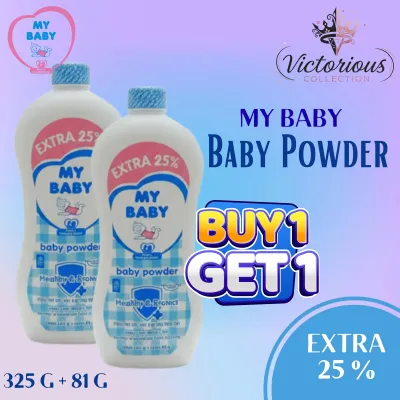
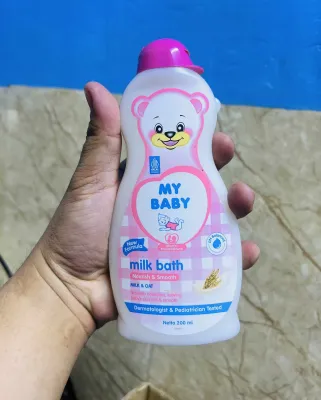
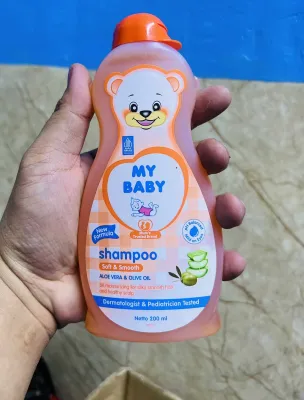
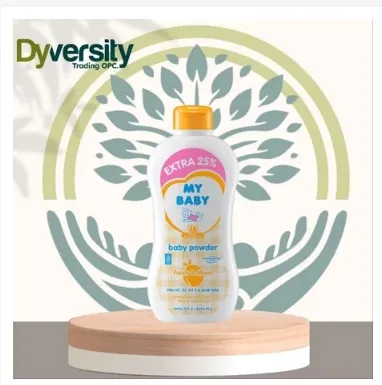
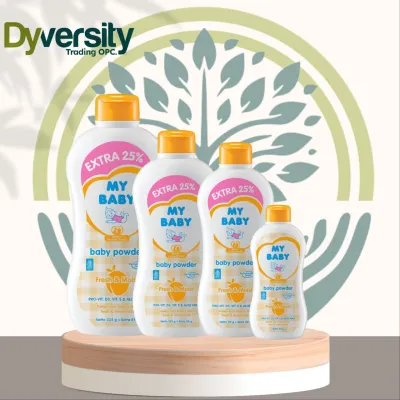
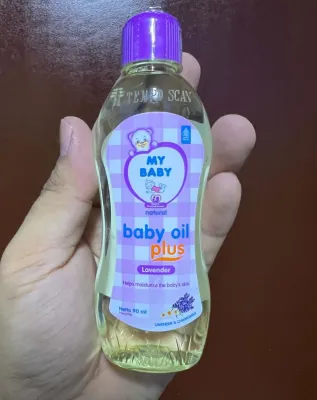
Prices are valid at publication and may change. Please refer to the product page for the latest price.
Base Ingredients: Cornstarch vs. Talc
- Cornstarch (Zea Mays Starch): This is a natural, starch-based carbohydrate derived from corn. It is highly effective at absorbing sweat and surface moisture, making it a popular base for modern baby powders. Because its particles are larger and heavier than talc, it is less prone to remaining suspended in the air, though it still carries some inhalation risks if mishandled.
- Talc (Talcum Powder): Talc is a naturally occurring clay mineral composed of magnesium, silicon, and oxygen. It has been used for generations due to its exceptional ability to reduce friction and absorb moisture. However, talc deposits in the earth are often located near asbestos, a known carcinogen. While cosmetic-grade talc is highly refined to eliminate asbestos fibers, the historical safety debates and potential risks have led many health organizations to recommend avoiding talc-based powders entirely. Always check the label of your bottle to verify if the product is explicitly certified as talc-free.
Common Additives and Botanical Extracts
- Fragrances: Many powders include synthetic fragrances to provide a clean, pleasant scent. While appealing, fragrances are a common trigger for contact allergies. In hot, humid conditions, sweat mixed with synthetic fragrance can easily irritate a baby's delicate skin folds.
- Preservatives: These are added to prevent mold and bacterial growth, which is especially important in humid tropical environments. However, certain preservatives can cause allergic reactions in babies with eczema or highly sensitive skin.
- Soothing Botanicals: Ingredients such as chamomile, aloe vera, or kaolin clay are frequently added to help soothe minor skin irritation. While generally mild, you should cross-reference these extracts with any known allergies or sensitivities your baby has shown in the past.
Potential Risks of Daily Powder Use on Sensitive Skin
Using loose powder daily during diaper changes introduces several subtle risks to your baby’s respiratory health and skin barrier. Understanding these risks will help you decide whether to continue using powder or transition to safer alternatives.

The Primary Concern: Inhalation Risks
When you shake a bottle of loose powder, an invisible cloud of microscopic particles is released into the air. Because infants have small, rapidly developing lungs and narrow airways, inhaling these fine particles can cause immediate respiratory distress. Symptoms can range from mild coughing and sneezing to severe airway irritation, wheezing, and in extreme cases, chronic lung inflammation or chemical pneumonia. This respiratory hazard is the primary reason pediatricians advise extreme caution when using any loose powder around infants.
Skin Irritation, Friction, and Clumping
Diaper areas are naturally prone to moisture from sweat, urine, and wet wipes. When loose powder is applied to skin that is not completely dry, the powder absorbs the moisture and clumps into tiny, abrasive paste-like balls. As your baby moves, these clumps rub against the delicate skin folds of the thighs and groin, creating friction. Instead of protecting the skin, this friction breaks down the skin barrier, leading to painful chafing and increased vulnerability to infections.
Misconceptions About Diaper Rash Prevention
It is a common misconception that baby powder can cure or prevent diaper rash. Baby powder is strictly a moisture absorber designed for healthy, intact skin. It does not contain the protective, skin-healing ingredients found in dedicated barrier ointments. Applying powder to an already red, inflamed, or broken skin surface will only cause further irritation and delay the healing process.
The Risk of Feeding Fungal (Yeast) Infections
Many diaper rashes are caused by an overgrowth of Candida, a type of yeast that thrives in warm, moist environment under diapers. If your baby has a yeast infection, applying a cornstarch-based powder can worsen the problem. Cornstarch is a carbohydrate, which essentially acts as a food source for yeast. Using it on an active fungal rash can cause the infection to multiply and spread rapidly, resulting in severe discomfort for your baby.
How to Apply Baby Powder Safely During Diaper Changes
If you choose to use baby powder to manage moisture, you must follow strict application steps to minimize the risk of inhalation and skin irritation. Always consult the manufacturer’s warnings on your specific bottle before use.
Step-by-Step Safe Application Method
- Ensure Complete Dryness: Before applying any powder, thoroughly clean the baby's diaper area and pat it completely dry with a soft, clean towel. Never apply powder to wet or damp skin.
- The Hand-First Technique: Step away from your baby's face to avoid creating an airborne cloud near their nose and mouth. Shake a small amount of powder directly into your own palm first. Never shake the bottle directly onto your baby's body.
- Minimize Airborne Dust: Gently rub your hands together to distribute the powder and settle any loose dust before touching your baby's skin.
- Targeted Application: Gently pat the powder onto the outer diaper area, focusing on the outer thighs and lower abdomen where friction occurs. Avoid applying powder directly to the genitals, especially for baby girls, to prevent the powder from migrating internally.
- Wipe Away Excess: Use a clean cloth to wipe away any excess powder that has accumulated in the skin folds. Wash your own hands immediately after application to prevent transferring powder to the baby's face during subsequent handling.
- Secure and Store: Tightly close the container immediately after use. Store the bottle in a cool, dry place completely out of reach of children to prevent accidental spills or ingestion.
When to Stop Using Powder and Safer Diaper Care Alternatives
Recognizing when to stop using powder is crucial for your baby’s safety. If you observe any adverse reactions, you should immediately discontinue use and explore safer, pediatrician-recommended diaper care alternatives.
Warning Signs to Discontinue Use
Stop using baby powder immediately if your baby exhibits any signs of respiratory irritation, such as coughing, wheezing, sneezing, or rapid breathing during or after diaper changes. On the skin, watch for signs of contact dermatitis, including increased redness, rough patches, tiny bumps, or a worsening diaper rash. If any of these symptoms appear, consult a pediatrician or healthcare professional for a proper assessment.
Gold Standard Alternatives for Diaper Care
- Barrier Creams and Ointments: Pediatricians widely recommend zinc oxide-based creams or petroleum jelly as the primary defense against diaper rash. These products create a thick, physical barrier that shields the baby's skin from acidic urine and fecal enzymes. Unlike powders, they do not pose any inhalation risks and are highly effective at soothing and healing irritated skin.
- Liquid Powders: For parents who prefer the silky, dry finish of traditional powder, liquid-to-powder formulations (often called liquid talc or lotion-to-powder) are an excellent alternative. These products are applied as a smooth cream or lotion and dry into a soft, protective powder barrier without releasing any airborne dust, completely eliminating the risk of inhalation.
Frequently Asked Questions (FAQ)
Can I use baby powder on my baby's face or neck folds?
You should avoid using loose baby powder on your baby’s face or neck folds. Applying powder to the face puts it dangerously close to the baby’s nose and mouth, significantly increasing the risk of accidental inhalation. For neck folds, which frequently collect drool and sweat, loose powder quickly mixes with these fluids to form a thick, pasty residue. This paste traps moisture and causes friction, leading to painful chafing and skin breakdown. Instead, clean the neck folds daily with mild water and pat them completely dry with a soft cloth.
Does baby powder expire, and is it safe to use an old bottle?
Yes, baby powder does expire, and using an expired bottle is not recommended. Most baby powders have an expiration date or a Period After Opening (PAO) symbol on the packaging. Over time, the preservatives in the powder can degrade, making the product vulnerable to bacterial or fungal contamination, especially when stored in humid bathroom environments. Additionally, the base ingredients can absorb ambient moisture over time, causing the powder to clump and lose its effectiveness, which can irritate your baby’s delicate skin.
Is cream or powder better for preventing diaper rash?
Barrier creams are significantly better and safer than baby powder for preventing and treating diaper rash. Creams containing zinc oxide or petroleum jelly create a durable, physical shield that blocks moisture, urine, and fecal enzymes from contacting the skin. Baby powder merely absorbs light moisture and does not provide a protective barrier. Furthermore, creams carry zero inhalation risks, making them the preferred choice of modern pediatricians.
Community discussion
Share your experience or ask a question. Comments are reviewed before publication.