
Caring for a newborn’s skin requires a delicate and highly informed approach. As parents navigate the vast array of baby care products available in the Philippines, brands like Moose Gear Baby have become popular choices due to their accessibility and family-friendly positioning. However, when it comes to newborns and infants with highly sensitive skin, the question of safety is paramount.
Moose Gear baby lotion is generally formulated to be mild and gentle for infant use, but whether it is entirely safe for your specific baby depends on their unique skin profile, the specific product variant you choose, and any underlying skin conditions. Every baby’s skin is different, and what works beautifully for one infant might cause irritation for another.
During the first 28 days of life, a newborn’s skin is incredibly thin, highly permeable, and still developing its natural protective barrier. Because of this extreme vulnerability, pediatricians frequently recommend a minimalist approach to skincare during the first few weeks, often suggesting that parents use only lukewarm water for baths and avoid topical lotions entirely unless specifically advised by a medical professional.
Products mentioned in this guide

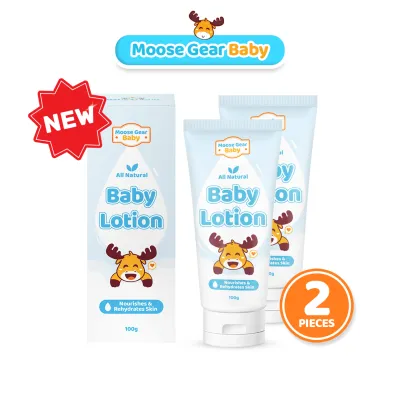
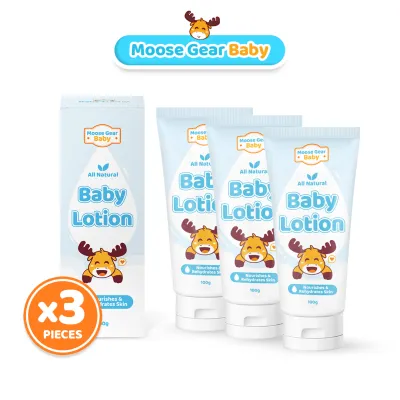
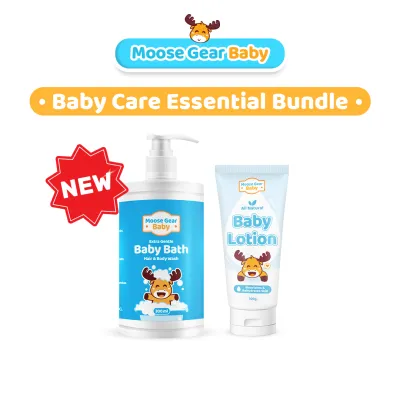
Prices are valid at publication and may change. Please refer to the product page for the latest price.
Before applying Moose Gear baby lotion—or any new skincare product—to your newborn, it is vital to carefully inspect the product packaging. You must verify the specific bottle’s label for age recommendations, allergen warnings, and pediatric testing or endorsements.
Please note that while this guide provides a comprehensive framework for evaluating baby skincare safety, it is for educational purposes only and does not replace professional medical advice. Always consult a qualified pediatrician or pediatric dermatologist before introducing new products to a newborn or a baby with known skin sensitivities.
How to Read the Label: Ingredients to Check and Avoid
Learning to read and interpret the ingredient list on a bottle of baby lotion is one of the most empowering skills a parent can develop. Skincare ingredients are listed in order of concentration, meaning the ingredients at the top of the list make up the majority of the product. When evaluating Moose Gear baby lotion, look for beneficial, barrier-supporting components near the top of the formulation.
Excellent ingredients to look for include humectants like glycerin, which draw moisture from the air into the skin, and emollients like ceramides, which help rebuild the skin’s natural lipid barrier. Colloidal oatmeal is another highly regarded ingredient known for its anti-inflammatory properties and ability to soothe itchy, dry skin. Natural oils, such as sunflower seed oil or coconut oil, can also provide gentle nourishment, provided your baby does not have a specific sensitivity to them.
Conversely, parents of babies with sensitive skin must actively scan the label for potential irritants and allergens. Synthetic fragrances are the leading cause of cosmetic contact dermatitis and should be avoided; on ingredient lists, these are often masked under generic terms like “parfum” or “fragrance.” Essential oils, while natural, contain highly concentrated volatile compounds that can easily sensitize delicate infant skin.
Preservatives are necessary in water-based lotions to prevent the growth of harmful bacteria and mold, but some preservatives are much harsher than others. Avoid products containing parabens, formaldehyde releasers, or methylisothiazolinone (MIT), as these are known sensitizers. Additionally, steer clear of drying alcohols, such as ethanol or isopropyl alcohol, which can strip away the skin’s natural moisture and lead to severe dryness.
It is also important to understand the distinction between marketing claims and actual formulations. Terms like “hypoallergenic” or “dermatologically tested” are frequently used on baby products, including Moose Gear. While these terms indicate that the manufacturer has taken steps to minimize the risk of allergic reactions or has conducted patch tests on human volunteers, they are not standardized or legally binding definitions. A product labeled hypoallergenic can still cause a reaction if your baby is sensitive to a specific ingredient in the formula, making it essential to cross-reference these claims with the actual ingredient deck.
In the tropical and highly humid climate of the Philippines, the physical texture of the lotion is just as important as its chemical safety. Heavy, thick, and highly occlusive creams can trap sweat and heat against the skin, leading to clogged pores and sweat rashes. For daily use in warm weather, look for lightweight, non-comedogenic, water-based lotions that absorb quickly without leaving a greasy residue, allowing your baby’s skin to breathe naturally.
Why Newborn and Sensitive Skin Require Extra Precautions
To understand why choosing the right lotion is so critical, it helps to look at the unique physiology of infant skin. A newborn’s skin barrier is structurally and functionally immature compared to adult skin. The stratum corneum, which is the outermost layer of the skin responsible for keeping moisture in and irritants out, is up to 30% thinner in babies than in adults.

This structural difference leads to a much higher rate of transepidermal water loss (TEWL), meaning a baby’s skin loses moisture far more rapidly than adult skin, making it highly prone to dryness. Furthermore, because a baby’s skin-surface-area-to-body-weight ratio is much larger than an adult’s, topical products are absorbed into the bloodstream at a significantly higher rate, increasing the risk of systemic toxicity from harmful chemicals.
It is also essential for parents to distinguish between normal, transient newborn skin developments and true sensitive skin conditions. In the first few weeks of life, many babies experience physiological peeling, which is a completely natural shedding process that requires no treatment. Similarly, baby acne, caused by maternal hormones, is common and typically resolves on its own without the need for heavy moisturizers.
On the other hand, true sensitive skin conditions, such as infant eczema (atopic dermatitis) or contact dermatitis, present as persistent red, dry, itchy, or scaly patches. These conditions represent a compromised skin barrier that requires highly specialized, fragrance-free, and deeply hydrating care. Applying the wrong product to an active eczema flare-up can severely exacerbate the inflammation and cause intense discomfort for your baby.
Another physiological factor is the development of the skin’s acid mantle. At birth, a newborn’s skin has a nearly neutral pH, but over the first few weeks, it gradually becomes more acidic, settling around a healthy pH of 5.5. This acidic environment is crucial for fighting off harmful bacteria and maintaining barrier integrity. Using adult skincare products, heavily fragranced lotions, or highly alkaline soaps can disrupt this delicate pH balance, leaving the skin highly susceptible to infections and environmental irritants.
Because of these physiological vulnerabilities, maintaining a consistent, gentle, and minimalist skincare routine is the best way to protect your baby’s skin. Rather than experimenting with multiple highly marketed products, stick to a few high-quality, fragrance-free essentials. Keeping the routine simple minimizes the number of chemical exposures, making it much easier to identify the culprit if a reaction does occur.
How to Safely Patch Test and Introduce the Lotion
Before applying Moose Gear baby lotion—or any new topical product—to your baby’s entire body, performing a controlled patch test is a vital safety step. This simple, low-risk, and completely reversible procedure allows you to observe how your baby’s skin reacts to the formulation on a very small scale, preventing widespread irritation.
To conduct a proper patch test, follow these steps carefully:
- Select a test area: Choose a small, discreet area of your baby's skin where they cannot easily rub or lick the product off, such as the inner forearm or just behind the ear.
- Clean the area: Gently wash the selected spot with lukewarm water and pat it dry with a soft, clean towel.
- Apply a small amount: Dab a pea-sized amount of the Moose Gear baby lotion onto the test area and gently rub it in.
- Leave it undisturbed: Allow the lotion to absorb and leave the area unwashed for 24 to 48 hours, keeping a close eye on it during this period.
During the observation window, monitor the test site closely for any signs of localized irritation. Look for physical changes such as redness, swelling, dry or flaky patches, raised bumps, or tiny hives. You should also watch your baby’s behavior; if they constantly try to scratch the test area or seem unusually fussy, it may indicate that the product is causing itching or a burning sensation.
If the 48-hour period passes and your baby’s skin remains completely clear and calm, you can begin introducing the lotion into their regular routine. Start by applying a very minimal amount to larger areas of the body. Always avoid applying lotion to broken, scratched, sunburned, or actively inflamed skin, as open skin barriers absorb products much faster and are highly prone to stinging and further irritation.
For maximum hydration, the best time to apply baby lotion is immediately after a lukewarm bath. Gently pat your baby’s skin with a towel, leaving it slightly damp, and immediately apply a thin layer of lotion. This technique helps lock in the moisture from the bath, keeping the skin barrier plump and hydrated.
Establish a strict safety boundary for your household: if you notice even a minor adverse reaction during the patch test or during subsequent full-body applications, stop using the product immediately. Never attempt to “wait it out” or see if the skin adapts to the product, as repeated exposure to an allergen can worsen the reaction. If a reaction occurs, consult your pediatrician for guidance.
What to Do If Your Baby Experiences a Skin Reaction
If your baby does experience an adverse reaction to Moose Gear baby lotion, remaining calm and taking immediate, systematic action can quickly soothe your baby’s discomfort and prevent the irritation from worsening. The first step is to stop the exposure and soothe the skin using gentle, non-invasive measures.
Immediately wash the affected area with plenty of lukewarm water to remove any residual lotion from the skin. Use a very mild, fragrance-free baby wash if necessary, but water alone is often safest to avoid further chemical irritation. Once washed, gently pat the skin dry with a clean, ultra-soft cotton towel. Do not rub or scrub the skin, as friction will aggravate the inflamed tissue and can break the skin barrier, opening the door to bacterial infections.
It is helpful to understand the difference between mild, temporary irritation and a more significant skin reaction. Mild, transient redness that appears shortly after application and fades away within an hour or two may simply be a minor localized reaction to a specific ingredient or the physical friction of application. However, persistent redness, dry and scaly patches, or raised, itchy bumps that last for days are indicative of contact dermatitis, which requires careful monitoring and a complete cessation of the product.
Parents must be vigilant in identifying red-flag symptoms that indicate a severe allergic reaction or a secondary skin infection. Seek prompt medical attention if you observe any of the following symptoms:
- Blistering or oozing: Any fluid-filled bumps, open sores, or yellow crusting, which can indicate a severe chemical reaction or a bacterial infection.
- Widespread hives: Raised, red, intensely itchy welts that spread rapidly across different areas of the body.
- Facial or airway swelling: Swelling of the eyelids, lips, tongue, or throat, which can be a sign of a life-threatening anaphylactic reaction.
- Systemic symptoms: A fever, extreme fussiness, inconsolable crying, or unusual lethargy accompanying the skin rash.
For persistent, spreading, or highly uncomfortable skin issues, do not attempt to self-treat with over-the-counter hydrocortisone creams or herbal remedies, as these can thin delicate infant skin or cause further allergic reactions. Instead, schedule an evaluation with a pediatrician or a pediatric dermatologist. They can provide an accurate diagnosis, identify the specific allergen, and prescribe safe, infant-appropriate treatments to restore your baby’s skin health.
Frequently Asked Questions (FAQ)
Can I use Moose Gear baby lotion on my newborn's face?
It is generally best to avoid using standard body lotions, including Moose Gear baby lotion, on a newborn’s face. The skin on an infant’s face is significantly thinner and more sensitive than the skin on their body, making it highly susceptible to irritation. Additionally, applying lotion to the face carries a high risk of the product accidentally getting into the baby’s eyes, nose, or mouth, which can cause stinging, tearing, or accidental ingestion. Unless the specific Moose Gear product label explicitly states that it is formulated and tested for facial use, is completely fragrance-free, and has been cleared by your pediatrician, stick to using plain water for facial cleaning and reserve lotions for the body.
Is it safe to use baby lotion every day in a humid climate?
Using baby lotion daily in a humid climate like the Philippines requires careful adjustment based on your baby’s daily environment and skin type. If your baby spends a significant amount of time in air-conditioned rooms, the dry air can strip their skin of moisture, making daily application of a lightweight lotion highly beneficial. However, if your baby is exposed to natural tropical heat and humidity, daily application of heavy lotions can trap sweat in the sweat ducts, leading to miliaria, commonly known as heat rash or bungang-araw. To prevent this, monitor your baby’s skin daily; if it feels naturally soft and hydrated, you can reduce the frequency of lotion application, and always choose a lightweight, water-based formula rather than a heavy, greasy cream.

Community discussion
Share your experience or ask a question. Comments are reviewed before publication.