
During the rainy season in the Philippines, the risk of dengue fever rises significantly. Because dengue-carrying mosquitoes are active primarily during the day, protecting your infant from bites is a top priority for every parent. When exploring protective measures, you might wonder if using a mosquito repelent liquid is safe for your baby.
The direct answer is that safety depends entirely on your baby’s age, the active ingredients in the product, and how the repellent is applied. Generally, health authorities advise against applying any chemical repellents to infants under two months of age. For babies older than two months, certain liquid repellents are considered safe, but they must be used with extreme caution, in low concentrations, and strictly according to the manufacturer’s label instructions. Consulting your pediatrician before introducing any chemical repellent to your baby is always the safest first step.
Potential Health Risks of Chemical Repellents for Babies
Infants are physiologically far more vulnerable to chemical exposures than adults. A baby’s skin is structurally different from adult skin; it is thinner, less developed, and much more permeable. This increased permeability means that chemicals applied to their skin are absorbed into their bloodstream at a much higher rate.
Products mentioned in this guide
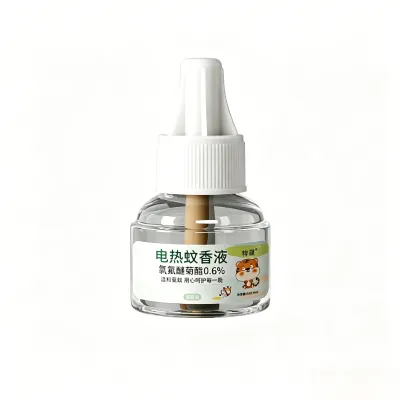
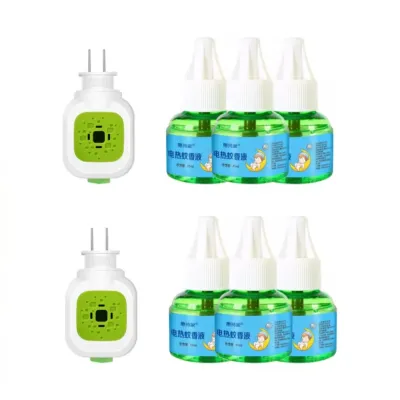
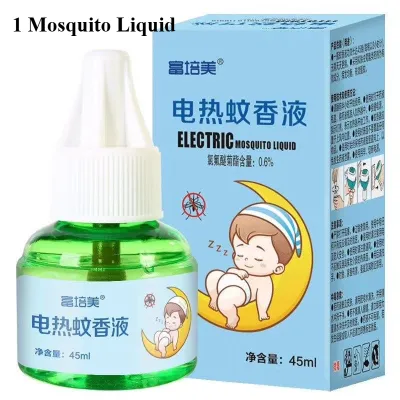
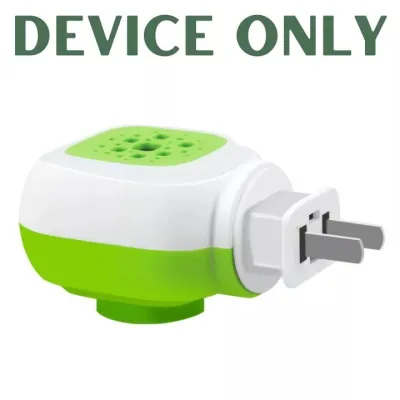
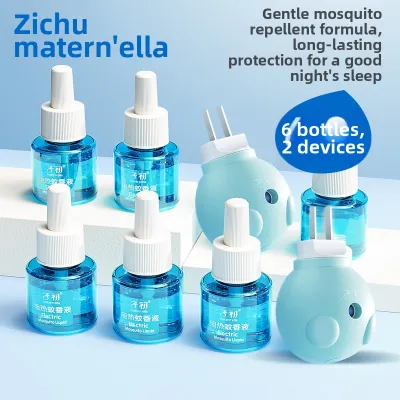
![[🇵🇭 Stock&COD] 45ml Mosquito Repellent Liquid Electric 40 Nights Unscented Baby Safe Prallethrin Formula](https://img.lazcdn.com/g/p/07482db72217dbfa63fa904929f38873.jpg_400x400q80.jpg_.webp)
Prices are valid at publication and may change. Please refer to the product page for the latest price.
Additionally, babies have a high surface-area-to-body-weight ratio. A small amount of chemical repellent covers a relatively large portion of a baby’s body, magnifying the systemic dose they receive. Their metabolic and detoxification systems, including the liver and kidneys, are still maturing, which makes it more difficult for their bodies to break down and eliminate absorbed chemicals.
Beyond skin absorption, infants possess highly sensitive, developing respiratory systems. Strong chemical fumes, aerosolized mists, or vapors from liquid repellents can easily irritate their delicate airways. Inhaling these substances can trigger immediate respiratory discomfort, coughing, sneezing, or even wheezing, particularly in babies with a family history of asthma or allergies.
Skin irritation is another common risk. Babies have highly sensitive skin that is prone to contact dermatitis. Applying harsh chemical formulations can lead to localized redness, dry patches, itching, or painful rashes. Because infants cannot communicate their discomfort clearly, these reactions often manifest as unexplained fussiness, crying, or sleep disturbances.
How to Read Repellent Labels: Ingredients and Age Limits
Choosing the right protective product requires reading the packaging carefully. Never buy a repellent based on the brand name alone; instead, turn the bottle over and inspect the active ingredients, concentration levels, and age warnings.

Common Active Ingredients (DEET, Picaridin, IR3535)
When evaluating standard chemical repellents, you will typically encounter three primary active ingredients. Understanding how these ingredients behave is key to making an informed choice for your child.
- DEET: This is one of the most widely used insect repellents. While highly effective, it must be used in low concentrations on children. Health organizations generally recommend that products used on babies over two months old contain no more than 10% to 30% DEET. Always check the packaging for the manufacturer's explicit minimum age requirement, and never use DEET on infants under two months of age.
- Picaridin: Often considered a gentler alternative to DEET, Picaridin is effective at repelling mosquitoes and is less likely to cause skin irritation. It also lacks the strong odor of DEET and does not damage synthetic fabrics or plastics. Like DEET, it is generally considered safe for babies over two months of age, but you must verify the specific product label for age restrictions.
- IR3535: This synthetic biochemical repellent is known for its excellent safety profile. It is effective against mosquitoes but, like other chemical options, should not be applied to infants under two months of age. Always check the label to confirm the product is registered and approved for pediatric use.
It is vital to understand that a higher percentage of an active ingredient does not make the product more effective at repelling insects; it simply means the protection lasts longer. For a baby, it is always safer to choose a product with a lower concentration of the active ingredient to minimize chemical exposure, even if it means relying more heavily on physical barriers.
Essential Oils and "Natural" Alternatives
Many parents assume that plant-based or “natural” liquid repellents are inherently safer than synthetic chemicals. However, natural ingredients can still pose significant health risks to delicate infant skin and respiratory systems.
- Citronella Oil: While popular in many natural mosquito repelent liquid formulations, citronella can cause rapid skin sensitization and allergic contact dermatitis in infants. It also evaporates very quickly, providing only short-term protection and requiring frequent reapplication, which increases the risk of skin irritation.
- Oil of Lemon Eucalyptus (OLE) or PMD: This is a highly effective plant-derived repellent. However, major global health organizations strictly advise against using OLE or synthetic PMD on children under three years of age. It can cause severe eye irritation and skin reactions in young children.
- Homemade Essential Oil Mixtures: Avoid using unregulated, homemade mixtures of essential oils (such as peppermint, eucalyptus, or tea tree oil) on your baby. These homemade preparations lack standardized concentrations, safety testing, and proper formulation, which can lead to chemical burns, severe skin irritation, or systemic toxicity if absorbed through the skin.
Always check natural products for specific age warnings. Just because a bottle features images of plants or is labeled “organic” does not mean it is safe for an infant’s sensitive skin.
Step-by-Step Safe Application Guidelines
If your pediatrician has approved the use of a specific liquid repellent for your baby, following a meticulous application routine will minimize chemical exposure and maximize safety.
- Check the instructions first: Before applying any product, read the manufacturer's label and the treated item's care instructions carefully to ensure compatibility and safety.
- Apply to your own hands first: Never spray or pour a liquid repellent directly onto your baby's skin or face. Dispense a small amount of the liquid into your own palms, rub your hands together, and then gently pat or rub the product onto your baby's exposed skin.
- Avoid the baby's hands and fingers: Infants frequently put their hands in their mouths and rub their eyes. To prevent accidental ingestion or painful eye contact, never apply repellent to your baby's hands, fingers, or wrists.
- Keep away from sensitive areas: Avoid applying repellent near your baby's eyes, nose, mouth, or ears. Do not apply the product over cuts, scrapes, sunburns, eczema patches, or any other irritated skin.
- Apply in well-ventilated areas: Never apply liquid repellents in small, enclosed spaces like bathrooms or cars. Apply the product outdoors or in a large, highly ventilated room to ensure the baby does not inhale concentrated chemical vapors.
- Wash off when returning indoors: Once you and your baby return to a protected indoor environment, immediately wash the repellent off your baby's skin. Use mild baby soap and warm water to thoroughly clean the treated areas. Wash any treated clothing before your baby wears it again.
Warning Signs: When to Stop Use and Seek Medical Help
Even when you follow all safety guidelines, adverse reactions can still occur. Parents must remain vigilant and monitor their baby closely after applying any repellent.
- Skin reactions: Watch for sudden redness, swelling, hives, dry patches, or blistering on the areas where the product was applied.
- Behavioral distress: If your baby begins crying excessively, pulling at their clothes, or scratching their skin, they may be experiencing a burning or itching sensation.
- Respiratory issues: Monitor your baby for coughing, sneezing, wheezing, rapid breathing, or any difficulty breathing after exposure to the repellent.
- Immediate action: If you observe any of these symptoms, immediately wash the product off your baby's skin with plenty of clean water and mild, fragrance-free soap.
- When to seek medical care: If the skin irritation does not improve, or if your baby shows signs of a severe allergic reaction (such as swelling of the face, lips, or tongue, or difficulty breathing), seek immediate medical attention. Always bring the product bottle with you to the clinic or emergency room so the healthcare provider knows exactly what active ingredients were used.
Non-Chemical Dengue Protection Strategies for Infants
Because chemical repellents carry inherent risks, physical barriers and environmental controls should always serve as your primary defense against dengue-carrying mosquitoes, especially for young infants under two months of age.
- Use mosquito netting: Install a well-fitted, fine-mesh mosquito net over your baby's crib, playpen, stroller, and infant car seat. This provides highly effective, continuous protection without exposing your baby to any chemicals.
- Dress in protective clothing: When going outdoors, dress your baby in loose-fitting, lightweight, light-colored long-sleeved shirts and long pants. Light colors are less attractive to mosquitoes and make it much easier to spot any insects that land on the fabric.
- Install window and door screens: Keep mosquitoes out of your living spaces by ensuring all windows and doors are fitted with intact, fine-mesh screens. Repair any tears or gaps promptly.
- Eliminate standing water: Dengue-carrying mosquitoes breed in clean, stagnant water. Inspect your home and yard weekly to empty, clean, or cover potential breeding sites, such as flowerpot saucers, buckets, pet water bowls, and clogged gutters.
- Optimize indoor air circulation: Use electric fans or air conditioning in your baby's room. Mosquitoes are weak fliers, and the constant air movement generated by a fan makes it difficult for them to fly, hover, and land on your baby's skin.
Frequently Asked Questions (FAQ)
Is it safe to use plug-in liquid mosquito vaporizers in a baby's room?
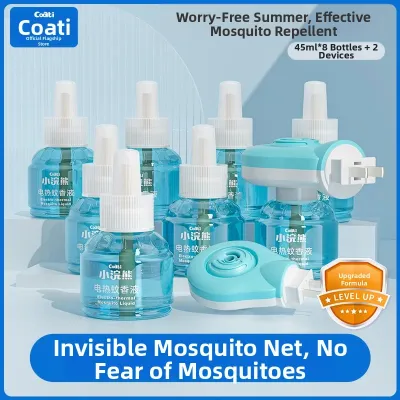
Using plug-in liquid vaporizers in a baby’s room requires extreme caution. These devices continuously heat a liquid chemical solution (often containing synthetic pyrethroids) to release insecticidal vapors into the air. In a closed, poorly ventilated room, these continuous vapors can irritate an infant’s sensitive respiratory tract and cause breathing discomfort. If you choose to use a vaporizer, operate it only in well-ventilated areas, keep the device completely out of your baby’s reach, and turn it off before placing your baby in the room. Utilizing a physical mosquito net over the crib is a much safer alternative for overnight protection.
Can I spray liquid mosquito repellent directly on my baby's clothes?
Applying liquid repellent to your baby’s clothing can help reduce direct skin contact, but it must be done carefully. Some active chemical ingredients can seep through the fabric and irritate the sensitive skin underneath, while others may damage or stain synthetic fibers. Always check the product label first to ensure the liquid is safe for fabric application. Avoid treating areas of the clothing that are close to your baby’s mouth, nose, or hands, and make sure to wash the treated garments thoroughly with mild detergent before your baby wears them again.
Community discussion
Share your experience or ask a question. Comments are reviewed before publication.