
Many nursing mothers in the Philippines, navigating the warm tropical climate and the intense physical demands of postpartum recovery, look for ways to support and boost their breastmilk supply. The premium brand Legendairy has become highly popular within local parenting communities as a premium option for lactation support. However, “safety” is never a blanket guarantee when it comes to what you ingest while breastfeeding. The safety of these supplements is highly individual, depending entirely on your personal medical history, the specific product formulation you choose, and your baby’s unique sensitivity.
Herbal lactation supplements are not regulated as strictly as pharmaceutical medications. Because they do not undergo the same rigorous pre-market safety and efficacy trials required for prescription drugs, their purity, dosage consistency, and exact mechanisms of action can vary. While many mothers use these herbal blends without experiencing any adverse reactions, the ultimate safety determination must be made in consultation with your healthcare provider, your pediatrician, or an International Board Certified Lactation Consultant (IBCLC). A qualified professional can evaluate your specific mother-baby dyad to ensure that introducing a supplement is appropriate and safe for both of you.
Decoding the Legendairy Label: Common Herbal Ingredients and What to Verify
To evaluate safety, you must first understand that Legendairy is a brand name encompassing a wide variety of distinct formulations, rather than a single product. They offer various capsules, gummies, and teas, each containing proprietary blends of different herbs. You cannot assume that because one specific product from the brand is safe for you, all of their products will be. Safety must be evaluated on an ingredient-by-ingredient basis by carefully reading the label of the specific bottle you intend to purchase.
Products mentioned in this guide

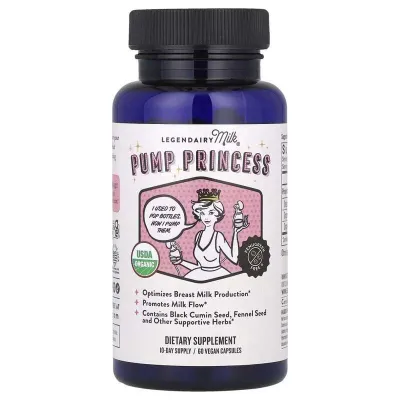


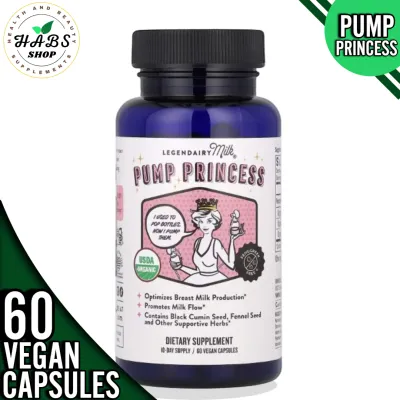

Prices are valid at publication and may change. Please refer to the product page for the latest price.
While this brand is widely recognized for offering fenugreek-free formulations—which appeals to mothers who want to avoid the potential gas and digestive upset often linked to fenugreek—it utilizes a diverse range of other concentrated galactagogues. To make an informed decision, you should familiarize yourself with the common herbs found in their popular blends:
- Moringa (Malunggay): Highly familiar to mothers in the Philippines who traditionally consume fresh malunggay leaves in ginger soups, this herb is used for its nutrient density and lactation-supporting properties. However, concentrated capsule extracts are much more potent than dietary portions.
- Goat's Rue: Often used to stimulate the development of mammary tissue, making it a common choice for mothers who experienced breast changes during pregnancy or those with insufficient glandular tissue.
- Blessed Thistle: Traditionally used to support milk flow and digestion, though it belongs to the daisy family and can trigger allergic reactions in sensitive individuals.
- Fennel Seed: Known for its estrogenic properties, which can help stimulate the letdown reflex, but requires careful monitoring due to its active essential oil compounds.
- Shatavari: An adaptogenic herb from traditional Ayurvedic practice used to support hormonal balance and systemic stress recovery postpartum.
- Nigella Sativa (Black Seed): Used for overall immune support and to promote healthy inflammatory responses alongside lactation support.
Before purchasing a bottle—which typically ranges from ₱1,500 to ₱2,500 in local specialty stores and online marketplaces—always read the exact ingredient list on the packaging. Check for any added fillers, potential allergens, and recommended serving sizes. Take this list to your doctor or IBCLC to verify that none of the specific herbs will conflict with your health profile or any existing postpartum recovery plans.
Potential Side Effects for Both Mother and Baby
Because the active compounds in herbal supplements are pharmacologically active, they can cause physiological changes in both your body and your baby’s developing system. These side effects are usually tied to the specific herbs within a blend rather than the brand itself. Monitoring both your body and your infant’s behavior is essential when starting any new dietary supplement.

Potential Side Effects for the Mother
- Gastrointestinal Distress: The most common maternal side effects include mild nausea, abdominal cramping, bloating, gas, or loose stools. Highly concentrated herbal extracts can sometimes irritate the sensitive lining of the stomach or accelerate digestion.
- Blood Sugar Fluctuations: Certain herbs, particularly goat's rue, contain compounds that can lower blood glucose levels. You may experience sudden shakiness, dizziness, sweating, or intense hunger, especially if you are already burning significant calories through breastfeeding in hot tropical weather.
- Changes in Body Odor: While fenugreek is famous for causing a maple-syrup sweat odor, other concentrated herbs like fennel, dill, or black seed can also subtly alter the scent of your sweat, urine, or breastmilk.
Potential Side Effects for the Baby
- Digestive Discomfort: Active herbal compounds can pass through your breastmilk into your baby's digestive tract. This can sometimes result in increased gassiness, abdominal pain, colic-like fussiness, or changes in stool consistency, color, and frequency.
- Allergic Skin Reactions: Sensitive infants may develop mild skin rashes, hives, or dry, itchy patches if they are sensitive to an herb you are ingesting.
- Sleep Disturbances: Some babies may become unusually fussy, restless, or have difficulty settling down to sleep after a feed if they are sensitive to the stimulating properties of certain herbal blends.
To protect your baby, introduce only one new supplement at a time. Keep a simple daily log in a notebook or on your phone, noting the date, the dosage you took, your hydration levels, and any changes in your baby’s sleep patterns, mood, diaper output, or stool appearance. This log will be incredibly useful if you need to consult a pediatrician or an IBCLC about potential sensitivities.
Who Should Avoid Herbal Lactation Supplements?
Certain individuals face much higher risks of adverse reactions to herbal galactagogues. If you fall into any of the following categories, you should exercise extreme caution and avoid these supplements unless you receive explicit medical clearance and supervision from a qualified specialist.
Allergy Risks and Cross-Reactivity
If you have known food allergies, you must carefully investigate botanical families. Many common lactation herbs share cross-reactive properties with common allergens:
- Legume Allergies: If you are allergic to peanuts, chickpeas, soybeans, or green peas, you may react to herbs in the legume family (Fabaceae), which includes goat's rue and alfalfa.
- Asteraceae Family Allergies: If you experience seasonal allergies or are allergic to ragweed, daisies, marigolds, chrysanthemums, or sunflowers, you should avoid products containing Blessed Thistle or Chamomile, as they can trigger moderate to severe allergic responses.
Underlying Medical Conditions
- Thyroid Disorders: Some herbs can interact with thyroid hormone production or interfere with the absorption of thyroid medications. If you have hypothyroidism, hyperthyroidism, or postpartum thyroiditis, herbal supplements can destabilize your hormone levels.
- Diabetes and Hypoglycemia: Because herbs like goat's rue can lower blood sugar, mothers managing postpartum diabetes or those prone to hypoglycemia must avoid them. Combining these herbs with insulin or oral glucose-lowering medications can lead to dangerous drops in blood sugar.
- Asthma and Respiratory Conditions: Concentrated herbal powders and extracts can sometimes trigger respiratory sensitivities, asthma flare-ups, or allergic bronchospasms in predisposed individuals.
Pregnancy Warning
Lactation supplements are formulated strictly for postpartum use. Many of the herbs used to stimulate milk production can also stimulate uterine contractions or affect hormone levels in ways that are unsafe during pregnancy. If you are pregnant and trying to prepare for breastfeeding, do not take these supplements. Focus instead on prenatal nutrition and consult your obstetrician for safe ways to prepare for your baby’s arrival.
Red Flags: When to Stop Taking the Supplement
Knowing when to stop taking a supplement is just as important as knowing how to take it. You should never attempt to “push through” physical discomfort or assume that a negative reaction is simply your body adjusting to the herbs. If you or your baby experience any of the following red flags, stop taking the supplement immediately.
Immediate Stop Signals for the Mother
- Signs of a Severe Allergic Reaction: Difficulty breathing, wheezing, swelling of your face, lips, tongue, or throat, or a sudden, widespread skin rash or hives.
- Severe Gastrointestinal Distress: Persistent vomiting, severe abdominal pain, or debilitating diarrhea that risks dehydrating you in our humid tropical climate.
- Symptoms of Low Blood Sugar: Extreme dizziness, confusion, shakiness, a rapid heartbeat, or feeling like you might faint.
Immediate Stop Signals for the Baby
- Severe Physical Distress: Inconsolable, high-pitched crying or extreme fussiness that begins shortly after you start taking the supplement.
- Feeding Refusal: The baby suddenly rejects the breast or bottle, or shows signs of pain while nursing.
- Persistent Vomiting: Projectile vomiting or frequent, heavy spitting up that is highly unusual for your baby's normal patterns.
- Unusual Lethargy: Extreme sleepiness, difficulty waking the baby for feeds, or a noticeable decrease in alertness and wet diapers.
If any of these symptoms occur, discontinue the supplement completely. Contact your pediatrician or postpartum care provider immediately, or seek emergency medical care if the symptoms are severe. Your safety and your baby’s health must always come before any attempts to increase milk supply.
Frequently Asked Questions (FAQ)
Can I take lactation supplements if I had a C-section?
While a Cesarean delivery does not change how your body processes the herbs themselves, it is a major abdominal surgery. Your body is already working hard to heal, while also processing anesthesia, prescribed pain medications, and potentially antibiotics. Adding concentrated herbal supplements can strain your liver and kidneys, or interact unexpectedly with your recovery medications. You must get explicit clearance from your OB-GYN or midwife before introducing any new herbal supplements during your surgical recovery period.
Will these supplements interact with my postpartum medications?
Yes, herbal ingredients contain active pharmacological compounds that can interact with prescription drugs. For example, certain herbs can alter blood clotting, which is dangerous if you are on blood thinners, while others can interfere with the absorption and efficacy of thyroid medications or postpartum depression treatments (such as SSRIs). Always provide your physician or pharmacist with a complete list of all medications, vitamins, and herbal supplements you are taking to check for potential drug-herb interactions.
How long does it take to see if a lactation supplement is causing side effects?
Maternal side effects, such as stomach upset or mild dizziness, can often be observed within 24 to 48 hours of starting the supplement. For your baby, it may take anywhere from 2 to 4 days to notice any changes in their digestion, skin, or behavior, as the herbal compounds must first pass into your breastmilk and accumulate in their system. To monitor this safely, introduce the supplement at the lowest recommended dose, avoid starting multiple new products at the same time, and keep a close eye on both of your symptoms for at least a week.
Community discussion
Share your experience or ask a question. Comments are reviewed before publication.