
Whether you need to wash off your nipple cream before nursing or pumping depends entirely on the specific product’s formulation and the manufacturer’s explicit instructions. While pure, medical-grade lanolin is widely recognized as safe to leave on during feeds, not all nipple creams are created equal. Many products on the market contain added botanical oils, fragrances, preservatives, or active therapeutic ingredients that must be thoroughly washed off to protect your baby from ingesting potentially harmful substances. This guide will walk you through how to evaluate your cream’s label, identify when washing is non-negotiable, and establish safe application and storage routines that fit seamlessly into your breastfeeding journey.
Understanding Nipple Cream Ingredients and Safety Labels
Lanolin is a natural, deeply hydrating substance extracted from sheep’s wool. It acts as an excellent emollient, mimicking the skin’s natural lipids to lock in moisture and create a protective barrier over cracked, sore, or sensitive skin. For breastfeeding mothers, this barrier is crucial for promoting moist wound healing, which can significantly reduce the discomfort associated with latching difficulties. However, because your baby’s mouth comes into direct contact with your skin, the purity of this barrier is of paramount importance.
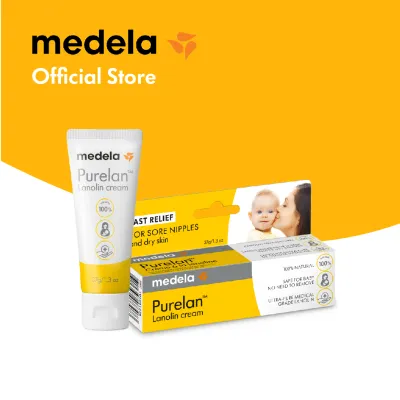
When shopping for a nipple cream, you must carefully inspect the packaging for explicit manufacturer statements regarding infant ingestion. Look for clear, prominent labels such as “no need to wash off before breastfeeding,” “safe for baby,” or “100% pure medical-grade.” These statements indicate that the manufacturer has formulated and processed the product specifically to ensure that any small amount ingested by a nursing infant during feeding is considered safe.
Products mentioned in this guide
![[Bundle of 3] Mama’s Choice Intensive Soothing Nipple Cream | Breastfeeding Nipple Cream | Postpartum Essential](https://img.lazcdn.com/g/p/a48c144261706243f0f53d38b9af3bbe.png_400x400q80.png_.webp)
Prices are valid at publication and may change. Please refer to the product page for the latest price.
It is vital to differentiate between single-ingredient products and complex formulations. A single-ingredient product, such as 100% ultra-pure lanolin, contains no additives, water, or preservatives, making it highly stable and less likely to harbor bacteria. On the other hand, complex formulations may blend lanolin with other oils, butters, or herbal extracts. While these multi-ingredient creams can offer soothing properties, they also introduce more variables. You must verify the safety profile of every single ingredient listed on a multi-component product before deciding to leave it on your skin during a feeding session.
When You Must Wash Off Nipple Cream Before Feeding
There are several clear scenarios where you must wash or wipe off your nipple cream before your baby latches or before you begin a pumping session. The most critical indicator is the manufacturer’s own instruction manual or product label. If the packaging explicitly directs you to “remove before feeding” or “wash breast area thoroughly prior to nursing,” you must follow this instruction without exception. These warnings are often present on products that contain ingredients not intended for infant consumption, even in microscopic amounts.

Non-lanolin additives are a primary reason why a cream must be removed. Many commercial creams contain synthetic fragrances, artificial preservatives, essential oils, or active medicated ingredients like local anesthetics or steroids. Fragrances and essential oils can irritate a baby’s sensitive digestive tract and alter the natural scent of your breast, which may interfere with your baby’s ability to latch successfully. Medicated creams, even those prescribed for thrush or severe cracked skin, must be completely cleaned off to prevent your baby from absorbing active pharmacological agents.
Pumping sessions also require careful consideration when it comes to cream residue. If you apply a thick layer of nipple cream right before pumping, the heavy residue can accumulate on your breast pump flanges, silicone valves, and connectors. This buildup can compromise the suction efficiency of your pump, making your expression sessions less productive. Furthermore, excess oils can transfer into your breast milk collection bottles and adhere to the inner lining of breast milk storage bags, potentially affecting the integrity of the storage container or altering the fat distribution of the stored milk.
How to Evaluate Your Nipple Cream's Ingredient List
Equipping yourself with the ability to read and analyze a nipple cream’s ingredient list is one of the most empowering steps you can take as a breastfeeding mother. When evaluating a product, start by looking at the very top of the ingredient list, where the highest-concentration components are listed. If you are looking for a leave-on cream, the list should ideally contain only one ingredient: 100% pure, medical-grade lanolin. Any additional ingredients mean you must perform a thorough safety check.
To verify the purity of your cream, look for terms that indicate rigorous refining processes, such as “hypoallergenic,” “USP modified lanolin,” or “medical-grade.” These terms signify that the lanolin has undergone extensive purification to remove impurities, environmental residues, and free wool alcohols, which are the primary triggers for allergic reactions. Avoid products that list parabens, phthalates, mineral oils, petroleum jelly, or synthetic colorants. Mineral oils and petroleum-derived ingredients are not safe for infant ingestion and can accumulate in a baby’s body over time.
Always cross-reference the ingredient list with the manufacturer’s official usage guidelines and warnings. If a product claims to be “natural” or “organic” on the front cover, do not take this at face value. Flip the bottle over and read the actual chemical or botanical names. Some natural ingredients, such as certain herbal extracts or high concentrations of vitamin E (tocopherol), may not be recommended for direct infant ingestion in large quantities. When in doubt, choose a single-ingredient, highly refined product that leaves no room for ingredient-related safety concerns.
Signs to Stop Using the Cream and Seek Professional Help
While nipple creams are designed to soothe and protect, your body or your baby’s body may occasionally signal that a product is not suitable. As a mother, you should closely monitor your skin for any signs of irritation, allergic contact dermatitis, or worsening damage. If you experience increased redness, itching, burning, swelling, or the appearance of tiny blisters after applying the cream, discontinue use immediately. These symptoms can indicate an allergic reaction to the lanolin itself or to an additive in the formulation.
Your baby can also exhibit signs of intolerance or sensitivity to the cream residue. Watch for unusual fussiness during or immediately after feeding, a sudden refusal to latch, or persistent spitting up. Some babies are highly sensitive to the taste or texture of creams left on the breast, while others may experience mild digestive upset if they ingest certain additives. If you notice any changes in your baby’s feeding patterns, stool consistency, or overall comfort, it is wise to stop using the cream and clean your breasts thoroughly with warm water before the next feed.
If your nipple pain persists, worsens, or is accompanied by deep, shooting pains, bleeding, or signs of infection such as pus or fever, do not rely solely on nipple creams. These symptoms may indicate an underlying issue such as an improper latch, a bacterial infection, or a fungal infection like thrush. In these situations, you should promptly contact a certified lactation consultant or your pediatrician. They can provide personalized guidance, evaluate your baby’s latch, and recommend safe, targeted treatments to help you continue your breastfeeding journey comfortably.
Safe Application and Storage Practices
To maximize the benefits of your nipple cream while ensuring absolute safety, you must practice proper application and storage techniques. The optimal time to apply nipple cream is immediately after a feeding or pumping session. Applying it at this moment allows the cream to absorb into your skin and begin the healing process during the longest possible interval before your baby’s next feed. This timing also minimizes the amount of wet, unabsorbed cream remaining on your skin when it is time to nurse again.
When applying the cream, a very small amount is all that is required. A pea-sized drop is typically sufficient for both nipples. Warm the cream between your clean fingertips to soften its texture, then gently pat and smooth it over the nipple and areola. Avoid applying thick, heavy layers, as excessive buildup can trap moisture excessively, clog skin pores, or create a slippery surface that makes it difficult for your baby to establish a deep, secure latch.
Proper storage is especially critical in warm, humid tropical climates like the Philippines. High humidity and elevated temperatures can cause nipple creams to melt, separate, or degrade more rapidly. To prevent the product from harboring bacteria or becoming rancid, store the tube in a cool, dry place away from direct sunlight, such as a closed cabinet or drawer. Always ensure your hands are thoroughly washed and dried before touching the tube opening to prevent introducing external contaminants into the product.
Frequently Asked Questions (FAQ)
Can I use lanolin nipple cream if my baby has a known wool allergy?
Lanolin is a natural substance derived from sheep’s wool, which means there is a potential link between lanolin use and wool allergies. While highly refined, medical-grade lanolin undergoes extensive purification to remove the specific wool alcohols that typically trigger allergic reactions, a risk of sensitivity may still exist. If your baby or anyone in your immediate family has a known, diagnosed allergy to wool or lanolin, you should exercise extreme caution.
Before applying the cream, carefully check the product label for any specific allergen warnings, purity certifications, or cross-contamination statements. If you suspect a wool allergy, it is highly recommended to consult your pediatrician or a pediatric allergist before introducing the product. They can help you determine if a pure, medical-grade lanolin is safe to try or if you should opt for a plant-based, hypoallergenic alternative to ensure your baby’s safety.
Do I need to wipe off nipple cream before using a breast pump?
Whether you need to wipe off nipple cream before pumping depends largely on the amount of cream remaining on your skin and the type of product you are using. If you have applied a minimal, well-absorbed layer of a cream labeled as safe for ingestion, a full wash is generally not required. However, if there is a visible, thick residue of cream on your nipples or areolas, it is highly advisable to gently wipe away the excess with a clean, dry cloth or breast pad before positioning your pump flanges.
Excessive cream residue can interfere with the physical operation of your breast pump. The oils can cause the silicone flanges to slip, reducing the airtight seal necessary for optimal suction and milk expression. Over time, oil buildup can also degrade silicone pump parts and clog delicate valves. To maintain your equipment’s performance and hygiene, always clean all washable pump parts thoroughly with warm, soapy water after each use, following the manufacturer’s specific cleaning guidelines.
Community discussion
Share your experience or ask a question. Comments are reviewed before publication.