
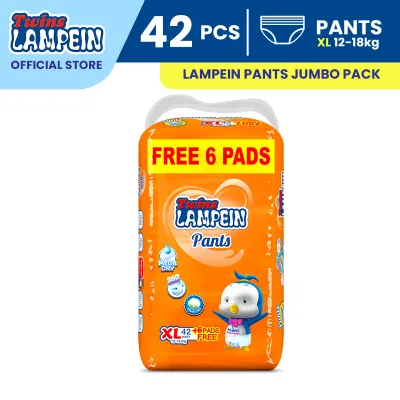
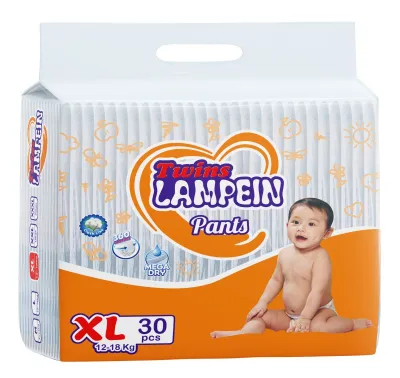
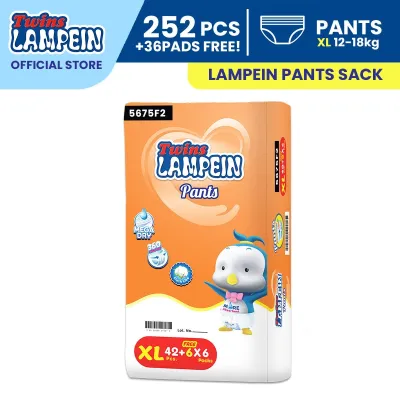
Preparing your maternity bag is one of the most exciting milestones of pregnancy, but it is easy to get overwhelmed by trending baby products on social media and online marketplaces. Among the items frequently discussed by parents in the Philippines is the Lampein Pants Diaper XL. While this specific diaper has gained a strong following for its affordability and convenience, packing it for your upcoming delivery is a major mismatch.
An XL pants diaper is designed for active toddlers, not newborns. Packing it in your maternity bag will leave you with diapers that are far too large and structurally unsuitable for a newborn baby. For your hospital stay, you will need to focus on newborn-sized tape diapers that offer the right fit, gentle materials, and easy access for medical checks and umbilical cord care.
The Sizing and Type Mismatch for Newborn Hospital Use
Newborn babies have highly specific physical needs that standard pants diapers simply cannot accommodate. During the first few days of life, an infant’s skin is incredibly delicate, and their body is still adjusting to the outside world. The most critical physical feature to consider during this period is the healing umbilical cord stump, which must be kept clean, dry, and free from friction to prevent irritation or infection.
Products mentioned in this guide


Prices are valid at publication and may change. Please refer to the product page for the latest price.
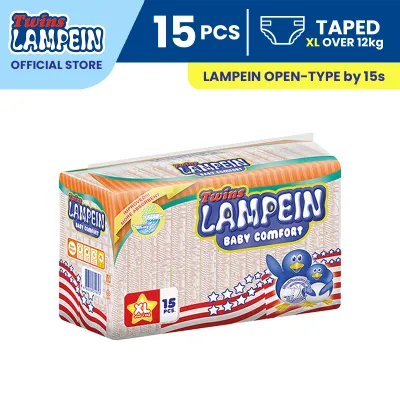
Tape-style diapers are the standard recommendation for the maternity ward because they allow caregivers to fold down the front waistband. This fold keeps the diaper material away from the sensitive umbilical area, allowing the stump to air out and heal naturally. Pants diapers, by contrast, feature a continuous, elasticated waistband designed to sit snugly around a baby’s midsection. This elastic band can rub directly against the umbilical stump, causing discomfort and potential complications during those crucial first days.
Furthermore, the physical act of changing a newborn is much easier with tape-style diapers. In the hospital, medical staff and parents need to perform frequent diaper changes while the baby is lying flat on their back. Tape diapers can be slipped underneath the baby with minimal movement, allowing you to clean and secure them gently. Pants diapers require you to slide the diaper up the baby’s legs, which is highly impractical for a fragile newborn who cannot yet support their own lower body.
Sizing is another clear barrier. An extra-large (XL) diaper is engineered for older babies and toddlers who typically weigh between 12 and 17 kilograms, though exact weight ranges vary by brand and should always be verified on the packaging. A typical newborn in the Philippines weighs between 2.5 and 3.5 kilograms at birth. Attempting to put an XL pants diaper on a newborn will result in massive gaps around the legs and waist, leading to immediate leaks and zero containment of messy newborn stools. For the hospital, you must pack designated newborn (NB) or small (S) tape diapers.
Why Lampein Pants Diaper XL Is Trending for Older Babies
While the XL pants diaper has no place in a newborn hospital bag, its current popularity among parents in the Philippines is highly understandable when viewed through the lens of toddler development. As babies grow into active toddlers, their diapering needs shift dramatically. The transition from lying still during changes to crawling, pulling up, and walking makes tape diapers increasingly difficult to secure on a moving target.

The trending status of Lampein pants diapers in the XL size is largely driven by parents seeking budget-friendly, reliable options for older babies who are constantly on the move. At the toddler stage, pull-up style pants diapers offer a highly convenient solution. They can be slipped on quickly while the child is standing up, which simplifies diaper changes in public restrooms or during active play sessions at home. The elastic waistband provides a flexible fit that moves with the child, reducing the risk of red marks on active thighs.
Additionally, XL pants diapers are a common tool during the early stages of potty training. Because they look and feel more like regular underwear, toddlers can practice pulling them down and pushing them back up when using the toilet. This design fosters independence while still providing a safety net for accidental leaks. The convenience of tearing the side seams for quick removal during messy cleanups is another feature that appeals to busy caregivers managing older children.
Reflecting on this, it is important to separate general social media enthusiasm from your family’s specific needs. While online reviews and parenting forums can offer helpful insights into a product’s popularity, they are not a substitute for personal verification. Parents should always check the current product labels for weight guidelines, material specifications, and fit instructions. What works exceptionally well for a two-year-old toddler will not work for a newborn, making it essential to match the diaper type to your baby’s current developmental stage.
How to Pack the Right Diapers for Your Maternity Ward
When preparing your hospital bag, efficiency and practicality should guide your choices. A typical hospital stay for an uncomplicated vaginal delivery lasts about two to three days, while a cesarean delivery may require three to five days. Newborns urinate and pass stool frequently, often requiring a diaper change every two to three hours. To ensure you are fully prepared, plan to pack approximately 8 to 10 newborn-sized tape diapers for each day you expect to be in the hospital, plus a few extras for peace of mind.
When selecting diapers for your newborn, look for specific features designed for early infancy. A wetness indicator—a colored line on the outside of the diaper that changes hue when wet—is incredibly helpful for sleep-deprived new parents trying to track their baby’s wet diapers. Additionally, prioritize diapers made from soft, breathable materials with a gentle inner lining to protect sensitive newborn skin from moisture and friction.
The transition from tape diapers to pants diapers is not determined by a calendar, but by your baby’s physical development and mobility. Most parents continue using tape diapers through the newborn and small sizes, as infants remain relatively still during changes. The ideal time to consider switching to pants diapers is when your baby begins rolling over actively, crawling, or resisting lying down on the changing mat. This transition typically occurs around the middle of the first year, though every baby develops at their own pace.
Before purchasing any diaper in bulk, buy a small pack first to test the fit and ensure your baby’s skin tolerates the materials. Keep in mind that tropical humidity in the Philippines can affect skin sensitivity, making breathable outer covers and frequent changes essential to prevent diaper rash. Always consult your pediatrician if you notice persistent redness, irritation, or signs of a skin infection in the diaper area.
Frequently Asked Questions (FAQ)
Can I use pants diapers for a newborn if they are a large baby?
Even if your baby is born at a higher birth weight, tape-style diapers remain the necessary choice for the initial weeks. A larger newborn still has a delicate, healing umbilical cord stump that must be protected from the friction of a continuous elastic waistband. Furthermore, medical staff in the maternity ward need easy, non-disruptive access to the baby’s lower abdomen for routine health checks. Tape diapers allow you to open and close the front panel quickly without having to pull a tight elastic band over the baby’s legs and hips, ensuring both comfort and safety.
When is the right time to switch from tape to pants diapers?
The right time to transition to pants diapers is when your baby exhibits developmental milestones that make lying still during changes difficult. Key signs include rolling over immediately when placed on their back, crawling away, or actively resisting diaper changes. This behavior usually begins around six to eight months of age. If your baby is still content to lie flat and the tape diapers fit securely without leaking, there is no urgent need to switch, as tape diapers often allow for a more customized fit around a smaller waist.
Community discussion
Share your experience or ask a question. Comments are reviewed before publication.