
Welcoming a newborn brings a flurry of decisions, especially when protecting their delicate skin. Many parents in the Philippines, familiar with trusted household names, often wonder if Lactacyd Baby Lotion is safe for their newborns. While the brand is widely recognized for baby bath products, introducing any commercial lotion to a newborn’s skin requires a careful, informed approach. Because a newborn’s skin barrier is still developing, there is no universal “one-size-fits-all” answer. Determining safety depends entirely on reading the specific product’s ingredient list, understanding your baby’s unique skin sensitivity, and consulting with a healthcare professional.
Understanding Newborn Skin and Lotion Safety
Newborn skin is vastly different from adult skin, requiring a highly cautious approach to topical products. During the first few months of life, an infant’s skin barrier is exceptionally thin, particularly the stratum corneum, which is the outermost protective layer. This structural difference means a baby’s skin is highly permeable, absorbing topical substances much faster and more deeply than adult skin. Consequently, any chemical, fragrance, or preservative applied to their skin has a higher likelihood of penetrating the barrier and causing localized irritation.
Additionally, newborn skin loses moisture rapidly, making it highly susceptible to dryness, peeling, and environmental irritants. While it might be tempting to reach for a commercial lotion to combat this dryness, the infant skin barrier is also highly sensitive to pH imbalances. Introducing complex formulations too early can disrupt the natural acid mantle that protects against harmful bacteria.
Products mentioned in this guide
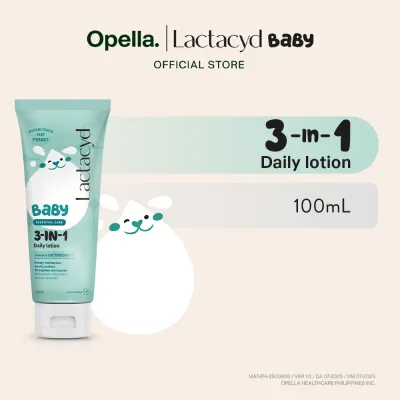
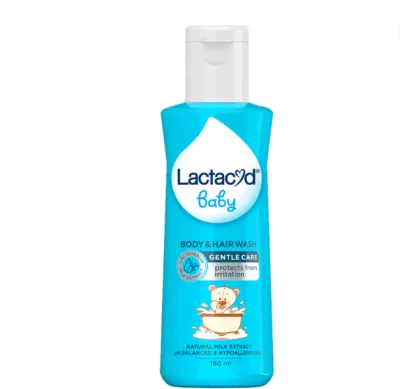
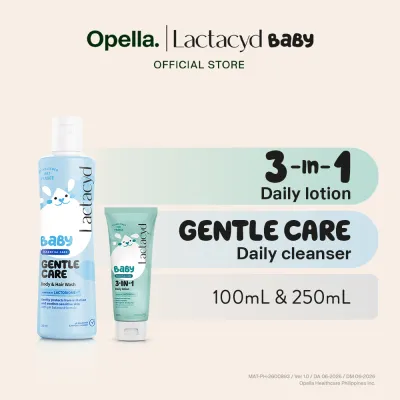
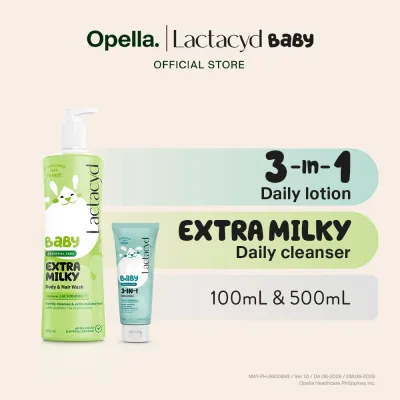
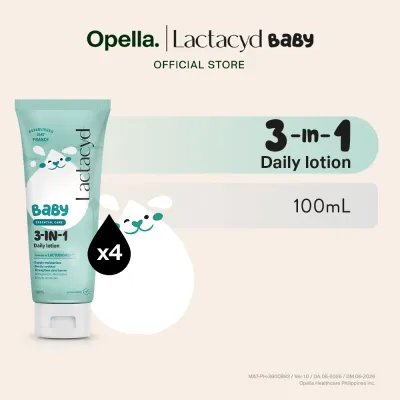
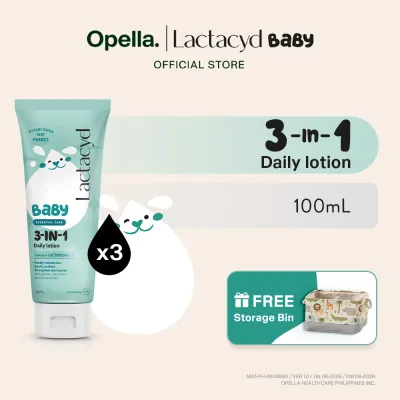
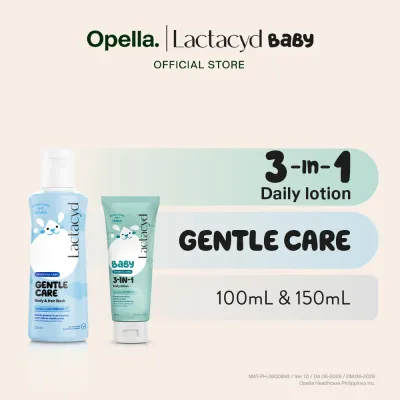
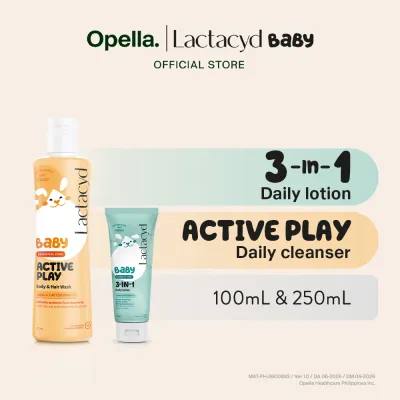
Prices are valid at publication and may change. Please refer to the product page for the latest price.
Many commercial baby products feature prominent labels such as “baby-safe,” “hypoallergenic,” or “pediatrician-approved.” While these terms are designed to reassure parents, they are often marketing claims rather than standardized medical certifications. There is no single regulatory definition for “hypoallergenic,” meaning a product can still contain ingredients that trigger reactions in sensitive infants. For this reason, parents must look past front-label marketing and independently verify the actual ingredient list printed on the back of the bottle.
When caring for a newborn’s skin, pediatricians generally advocate for a “less is more” philosophy. During the initial weeks, a newborn’s skin often does not require heavy lotions or multi-step skincare routines. Plain water and minimal, fragrance-free cleansers are usually sufficient. Introducing unnecessary lotions can overwhelm their delicate system, making it crucial to evaluate whether a product is truly necessary before application.
How to Evaluate Lactacyd Baby Lotion Ingredients
To determine if a specific bottle of Lactacyd Baby Lotion is suitable for your newborn, you must learn how to read and interpret the product packaging. The most reliable source of ingredient information is always the physical label on the bottle in your hand, rather than general online descriptions or e-commerce listings. Online product descriptions can be outdated, fail to reflect regional formulation differences, or omit inactive ingredients that could still trigger a sensitive reaction.

When examining the ingredient list, look for the primary moisturizing agents, which are typically listed near the top of the ingredients. Common beneficial moisturizers include glycerin, which acts as a humectant to draw moisture into the skin, and natural oils or lipids that help seal the skin barrier. Understanding these primary components helps you evaluate whether the lotion will provide effective hydration without relying on heavy, pore-clogging synthetic oils.
Beyond the active moisturizing agents, pay close attention to the functional additives, such as emulsifiers, thickeners, and preservatives. These ingredients are necessary to keep the lotion stable, prevent bacterial growth, and maintain a smooth texture. However, some preservatives and emulsifiers are more prone to causing skin irritation than others. By identifying these components on the label, you can make an informed decision based on your baby’s specific skin tolerance.
It is also vital to recognize that product formulations are not static. Brands frequently update their ingredients to improve shelf life, alter scents, or comply with changing cosmetic regulations. Furthermore, a product purchased in the Philippines may have a slightly different formulation than the same brand’s product sold in another country. Always check the manufacturing date and the exact ingredient list on your specific bottle to ensure you have the most current information.
Recognizing Potential Irritants for Sensitive Skin
Infant skin is highly reactive, and certain common skincare ingredients are notorious for triggering adverse reactions. Synthetic fragrances are among the most frequent culprits behind contact dermatitis in babies. Even if a lotion smells pleasant and clean, those added perfumes serve no therapeutic purpose and can easily irritate a newborn’s sensitive respiratory system and skin barrier. If you see “fragrance,” “parfum,” or specific aromatic compounds on the label, exercise extreme caution.
Preservatives are another category of ingredients that require careful scrutiny. While they are essential for preventing mold and bacteria in water-based lotions, certain preservatives can be highly sensitizing. For example, parabens, methylisothiazolinone (MIT), and formaldehyde-releasing agents are known irritants that many modern baby brands have phased out. Checking the label to ensure these specific compounds are absent is a crucial step in protecting your baby’s skin.
Many parents mistakenly assume that “natural” ingredients, such as essential oils or plant extracts, are inherently safe for newborns. However, essential oils like lavender, tea tree, or citrus oils contain highly concentrated natural compounds that can be just as irritating as synthetic chemicals. A newborn’s skin is not mature enough to process these complex botanical extracts, which can lead to redness, itching, or allergic sensitization over time.
It is important for parents to distinguish between different types of skin reactions. A true allergic reaction often involves systemic symptoms like hives, swelling, or difficulty breathing, which require immediate emergency medical attention. Contact dermatitis, on the other hand, is a localized reaction characterized by dry, red, or itchy patches directly where the product was applied. This is distinct from simple newborn skin peeling or heat rash, which are natural occurrences that do not stem from product irritation.
Safe Application and Patch Testing Guidelines
Before applying any new lotion, including Lactacyd Baby Lotion, to your newborn’s entire body, performing a localized patch test is a critical safety step. This simple precaution allows you to observe how your baby’s skin reacts to the formulation on a very small, controlled area. To conduct a patch test, select a small, clean patch of skin, such as the inner forearm or the side of the thigh, where the baby cannot easily rub or lick the product away.
Apply a tiny, pea-sized amount of the lotion to the chosen area and gently pat it in. Do not wash the area for at least 24 to 48 hours, and monitor it closely for any signs of redness, swelling, tiny bumps, or dry patches. If any reaction occurs during this observation window, wash the area immediately with lukewarm water and do not use the product again. If the skin remains completely clear after 48 hours, the lotion is generally considered low-risk for broader application.
When you do apply lotion to your baby, timing is everything. The most effective time to apply moisturizer is within three minutes of a lukewarm bath. Gently pat your baby’s skin with a soft towel, leaving it slightly damp, and then apply a thin layer of lotion. This technique helps lock in the moisture from the bath, keeping the skin hydrated for longer periods without needing to use excessive amounts of product.
In the Philippines, environmental factors play a significant role in how baby skincare products behave. The tropical climate, characterized by high heat and intense humidity, means that heavy, greasy lotions can easily trap sweat against the skin. This can clog sweat ducts and lead to prickly heat or heat rash. During hot and humid seasons, opt for lightweight, water-based formulations that absorb quickly, and avoid over-applying lotion to areas prone to sweating, such as the neck, armpits, and diaper area.
When to Stop Use and Consult a Pediatrician
Even if a product passes an initial patch test, continuous use can sometimes trigger delayed sensitivities. Parents must remain vigilant and monitor their baby’s skin during and after every application. If you notice any visual red flags, such as persistent redness, raised bumps, hives, or dry, scaly patches, discontinue use immediately. Behavioral signs, such as increased fussiness, scratching, or rubbing the skin, also indicate that the product is causing discomfort or itching.
If your baby experiences a mild skin reaction, take immediate, low-risk steps to soothe the area. Gently wash the affected skin with plain, cool water to remove any remaining lotion residue. Avoid rubbing the skin with a towel, as friction can worsen the irritation; instead, gently pat the area dry. Do not apply other commercial creams, home remedies, or anti-itch ointments to the irritated skin without professional guidance, as these can compound the reaction.
For any persistent, spreading, or severe skin issues, consulting a pediatrician or a pediatric dermatologist is essential. A professional can accurately diagnose whether the reaction is contact dermatitis, eczema, a viral rash, or another underlying skin condition. They can also provide safe, medical-grade treatment recommendations, such as specific barrier creams or mild topical treatments, tailored to your baby’s exact age and weight.
Never rely on online forums, social media groups, or general advice from well-meaning relatives to treat a newborn’s skin reaction. Newborns have highly sensitive systems, and improper treatment can lead to secondary skin infections or long-term complications. Your pediatrician is the safest and most reliable resource for ensuring your baby’s skin remains healthy and protected.
Frequently Asked Questions (FAQ)
Can I use Lactacyd Baby Lotion on my baby's face?
An infant’s facial skin is significantly thinner and has a higher density of pores compared to the skin on their body, making it far more sensitive to topical products. Because of this increased sensitivity, you should never apply a general body lotion to your baby’s face unless the specific product packaging explicitly states it is safe for facial use. If your newborn is experiencing facial dryness, drool rash, or cradle cap, consult your pediatrician first. They can recommend specialized, ultra-gentle facial creams or simple barrier ointments that are formulated specifically for the delicate facial area.
Is Lactacyd Baby Lotion suitable for babies with eczema?
If your baby has been diagnosed with eczema or has highly reactive, eczema-prone skin, you must obtain pediatrician approval before introducing any new commercial lotion. Eczema compromises the skin barrier, making it incredibly vulnerable to flare-ups triggered by standard lotion ingredients like fragrances, alcohols, or certain preservatives. While general baby lotions are designed for healthy skin maintenance, eczema-prone skin typically requires specialized, clinically tested emollient creams or ointments. These medical-grade products are formulated specifically to repair a broken skin barrier and are free from common sensitizing agents.

Community discussion
Share your experience or ask a question. Comments are reviewed before publication.