
Quick Safety Assessment for KNY Mosquito Repellent
Protecting your baby during the high-risk dengue season in the Philippines requires a careful balance between effective mosquito defense and gentle skin care. With the tropical climate creating ideal breeding grounds for mosquitoes, parents frequently look for reliable solutions like KNY mosquito repellent. However, determining whether this specific brand is safe for your infant or toddler is not a one-size-fits-all decision.
Safety depends entirely on the specific variant’s active ingredients, concentration levels, and your child’s exact age. Because product formulations can change and brands often offer multiple lines—ranging from botanical patches to topical lotions—caregivers must verify the product label of their specific KNY variant before application.
Before introducing any new topical product to your baby’s routine, consulting a pediatrician is the safest first step. A qualified medical professional can evaluate your child’s skin sensitivity and provide personalized guidance tailored to their developmental stage.
Products mentioned in this guide
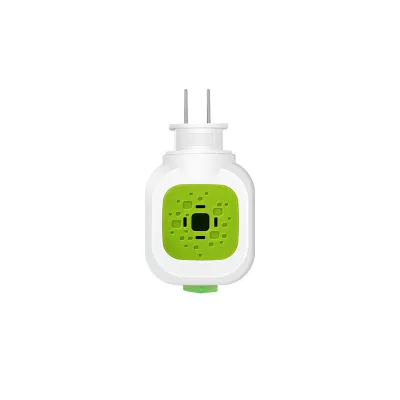
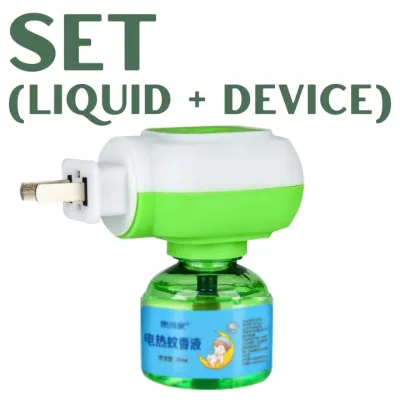
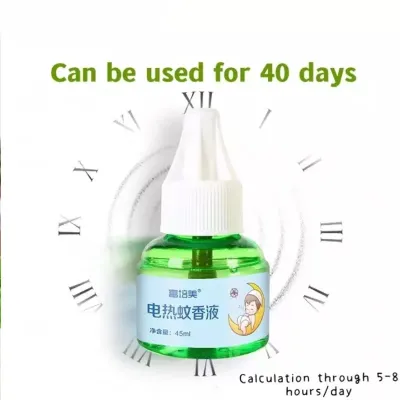
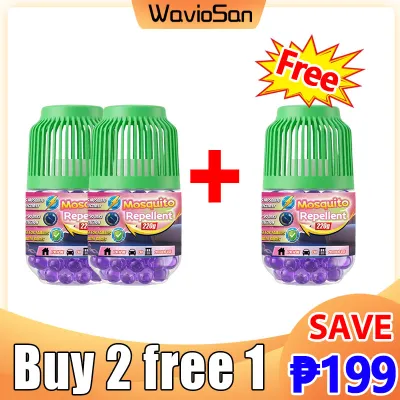
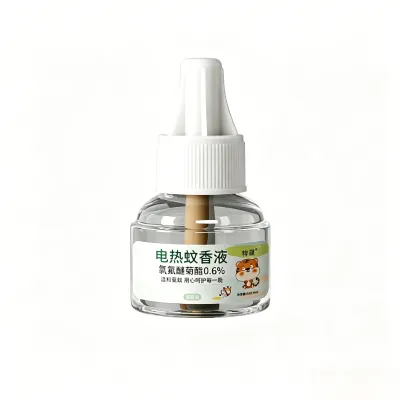
Prices are valid at publication and may change. Please refer to the product page for the latest price.
Checking Ingredients and Age Restrictions
To determine if a KNY mosquito repellent is appropriate for your baby, you must first locate and carefully read the active ingredient list on the packaging. Manufacturers are required to list these components, usually found on the back or side panel of the bottle or box. Look for the specific chemical or botanical agents that repel insects, as well as their percentage concentrations, which dictate both safety and duration of protection.

Different active ingredients carry distinct age recommendations established by global pediatric and health organizations. For instance, synthetic repellents containing Picaridin or DEET are generally not recommended for infants under two months of age. If the KNY variant you hold contains these active ingredients, it should be reserved for older babies, and even then, at low concentrations typically under ten percent for young children.
Conversely, botanical formulations often utilize essential oils such as citronella, eucalyptus, or lemongrass. While these natural alternatives are popular, they are not automatically safe for newborns. For example, Oil of Lemon Eucalyptus (OLE) or PMD (para-menthane-3,8-diol) should not be used on children under three years old due to potential skin irritation and lack of safety data for younger age groups. Other mild herbal formulations or wearable patches might be labeled for younger infants, but you must verify the exact age limit printed on the packaging.
When examining the bottle, look for clear indicators such as “pediatrician-tested,” “hypoallergenic,” or specific age-range labels like “suitable for babies 6 months and older.” Do not rely on generic marketing terms on the front of the bottle; instead, cross-reference these claims with the detailed ingredient list and usage instructions. If the packaging lacks clear age guidelines or ingredient percentages, err on the side of caution and choose an alternative with transparent labeling.
Additionally, verify that the product has been registered with local health authorities, such as the Food and Drug Administration of the Philippines. Authorized products undergo evaluation for safety and efficacy, giving you peace of mind that the formulation matches what is declared on the label. Unregistered products sourced from unverified online marketplaces may pose hidden risks due to inconsistent quality control.
Safe Application Practices for Infants and Toddlers
Once you have verified that your KNY repellent variant is age-appropriate, the method of application is critical to minimizing health risks. Babies have thinner, more permeable skin than adults, making them highly susceptible to absorbing topical chemicals. Therefore, your primary goal should be to provide maximum mosquito protection with the minimum amount of product necessary.
Whenever possible, apply the repellent to your baby’s clothing rather than directly onto their skin. Spraying or applying lotion to the outside of their onesie, pants, or socks can create an effective barrier without risking dermal absorption. If the product label explicitly permits direct skin application, apply it sparingly only to exposed areas of skin, such as the calves or forearms, and avoid covered areas.
Extreme care must be taken to avoid sensitive areas of your child’s body. Never apply repellent to a baby’s hands, as infants frequently rub their eyes or place their fingers in their mouths, which can lead to accidental ingestion or severe eye irritation. Keep the product away from the eyes, nose, mouth, and any areas with cuts, scrapes, sunburn, or active diaper rash, as open skin absorbs chemicals much faster.
To prevent inhalation risks, never spray aerosol or pump repellents directly onto your baby’s face. Instead, spray a small amount of the product onto your own palms, rub your hands together, and then gently pat or wipe the repellent onto your baby’s cheeks and forehead, keeping well away from their eyes and mouth. Always apply the product in a well-ventilated room or outdoors to prevent the buildup of airborne particles.
Adhering strictly to the manufacturer’s recommended reapplication frequency is vital for preventing toxicity. In the humid Philippine climate, sweat may wash away the repellent, tempting you to reapply it frequently. However, over-application does not increase efficacy and can lead to dangerous skin accumulation. Follow the hourly limits specified on the KNY label, and do not exceed the maximum daily applications.
Recognizing Side Effects and When to Stop Use
Even when using a product labeled as baby-safe, individual sensitivities can cause adverse reactions. Caregivers must remain vigilant and monitor their child closely after applying any mosquito repellent. Skin irritation is the most common side effect, often presenting as localized redness, mild swelling, tiny bumps, or persistent scratching indicating itchiness.
If you observe any signs of an allergic reaction or skin irritation, you must act immediately to minimize exposure. Take the child to a bathroom or washing area and thoroughly wash the treated skin with mild baby soap and lukewarm water. If the repellent was applied to their clothing, remove the garments immediately and dress the baby in clean, untreated clothes to prevent further contact.
Certain symptoms demand that you stop using the product permanently and seek immediate medical attention from a pediatrician or visit the nearest healthcare facility. These warning signs include widespread hives, facial swelling, difficulty breathing, wheezing, lethargy, or a persistent rash that does not improve after washing. Bring the KNY repellent bottle with you to the clinic so the physician can identify the exact active ingredients and concentrations.
To prevent accidental poisoning or chemical burns, safe storage is just as important as safe application. Toddlers are naturally curious and may attempt to play with, spray, or consume colorful repellent bottles. Store all mosquito repellents, patches, and lotions in a locked cabinet or on a high shelf completely out of reach and sight of children, ensuring the caps are tightly secured after every use.
Complementary Dengue Protection Strategies
Relying solely on topical repellents is rarely sufficient during peak dengue outbreaks, especially for young infants who cannot safely use strong chemical formulations. A comprehensive defense strategy combines safe repellent use with physical barriers and environmental controls. These non-chemical methods provide continuous protection without exposing your baby’s sensitive skin to active ingredients.
Physical barriers are highly effective at keeping mosquitoes at bay both indoors and outdoors. Install fine-mesh window and door screens in your home to prevent mosquitoes from entering living spaces. For sleeping infants, drape a breathable, fine-mesh mosquito net securely over their crib, playpen, or stroller, ensuring the net does not sag or touch the baby’s face.
Dressing your baby in appropriate clothing is another simple way to reduce exposed skin. Opt for loose-fitting, long-sleeved shirts and long pants made from lightweight, breathable fabrics like cotton, which keep the baby cool in the tropical heat while preventing mosquito bites. Light-colored clothing is preferable, as dark colors tend to attract mosquitoes and make it harder to spot insects landing on your child.
Environmental control is the most sustainable way to reduce dengue risks around your home. The Aedes aegypti mosquito, which transmits the dengue virus, breeds in clean, stagnant water. Regularly inspect your surroundings and empty, scrub, turn over, or discard any containers that hold water, such as flower pot saucers, buckets, discarded tires, and clogged roof gutters.
By coordinating these physical and environmental measures with the targeted use of age-appropriate KNY repellent, you create multiple layers of defense. This integrated approach minimizes your baby’s exposure to both disease-carrying mosquitoes and topical chemicals, ensuring a safer, healthier environment during the rainy season.
Frequently Asked Questions (FAQ)
Can I use KNY mosquito repellent on a newborn?
Pediatric guidelines generally advise against applying any topical chemical or botanical repellents to newborns and infants under two months of age. For very young babies, physical barriers like mosquito nets and protective clothing are the safest options. Always check the specific KNY product packaging to verify the minimum age requirement, as some formulations are strictly restricted to older infants or toddlers.
Is it safe to apply the repellent under the baby's clothing?
No, you should never apply mosquito repellent under your baby’s clothing. Trapping the product between the skin and tight fabrics increases skin absorption and heat, which can lead to severe skin irritation or systemic absorption of the active ingredients. Apply the repellent only to exposed skin areas or to the outside of the clothing itself.
How do I remove the repellent after coming indoors?
Once your baby is safely indoors and no longer at risk of mosquito bites, you should wash off the repellent. Use mild baby soap and warm water to thoroughly cleanse all areas of the skin where the product was applied. Additionally, remove any clothing that has repellent residue on it and wash it separately before your baby wears it again.
Community discussion
Share your experience or ask a question. Comments are reviewed before publication.