
Protecting your baby from mosquito bites is a top priority for parents, especially in tropical climates like the Philippines where mosquito-borne illnesses are a year-round concern. When looking for solutions, many parents consider Kleenfant mosquito spray as a potential shield for their little ones. However, determining whether this specific spray is safe for your baby requires looking beyond the brand name and examining the exact formulation, active ingredients, and age recommendations printed on the product packaging.
The safety of any insect repellent on an infant is highly conditional. Because a baby’s skin is thin, delicate, and highly absorbent, products that are perfectly safe for older children or adults can pose health risks to infants. To ensure your baby’s safety, you must verify the minimum age requirement on the specific bottle you purchase, understand the active ingredients, and strictly follow pediatric application guidelines. Consulting your pediatrician before introducing any new topical product to your baby’s routine is always the safest first step.
Quick Answer: Is Kleenfant Mosquito Spray Safe for Babies?
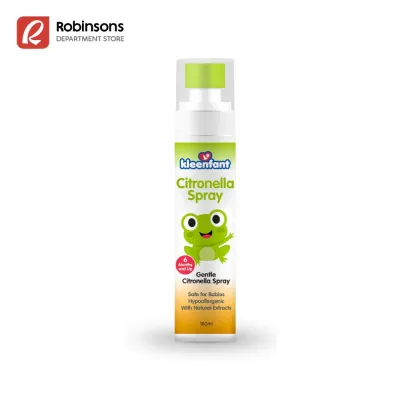
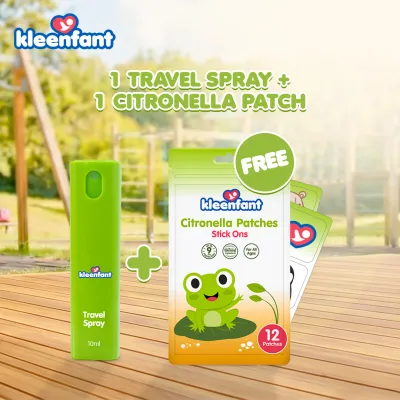
The safety of Kleenfant mosquito spray on babies depends entirely on the specific product variant’s active ingredients and the manufacturer’s stated minimum age limit. There is no single, universal formula under the brand, meaning one bottle may be formulated for toddlers while another might be suitable for younger infants. Parents must carefully inspect the product label for pediatric approvals, age warnings, and active ingredient concentrations before application.
Products mentioned in this guide
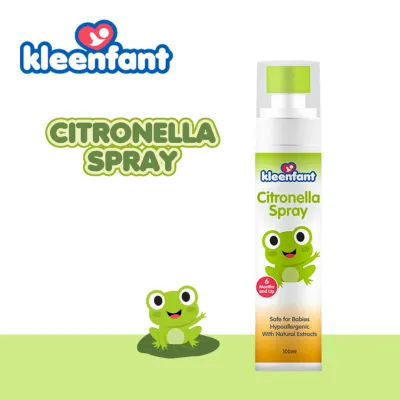
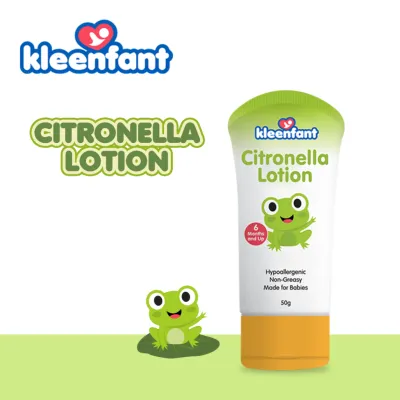
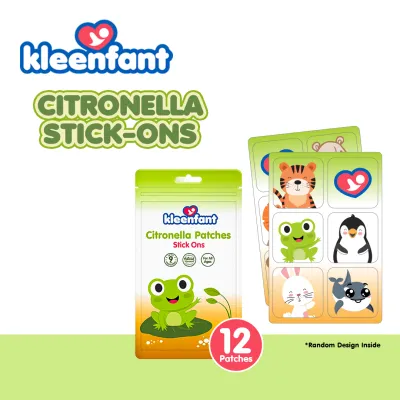
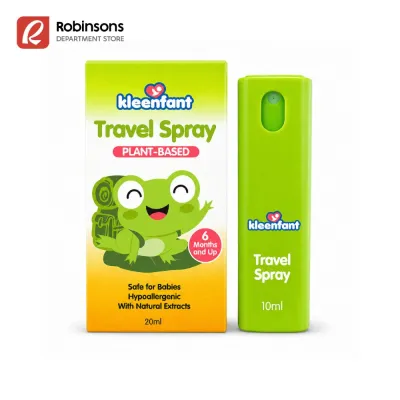
Prices are valid at publication and may change. Please refer to the product page for the latest price.
As a general rule, pediatricians advise against applying any topical insect repellents to infants under two months of age. For babies older than two months, safety is still contingent on using the correct formulation and applying it with extreme care. Before using Kleenfant mosquito spray for the first time, check the packaging to ensure it is explicitly labeled for your baby’s specific age group, and consult your pediatrician to confirm it is appropriate for your child’s skin.
Checking Age Restrictions and Active Ingredients
When evaluating Kleenfant mosquito spray, the first step is to locate and interpret the age restrictions and usage instructions on the packaging. This information is typically found on the back label under the directions or warnings section. Manufacturers are required to specify the minimum age for which the product has been tested and deemed suitable. Never assume a product is safe for a newborn simply because it is marketed under a baby-friendly brand name.

The active ingredients in mosquito repellents generally fall into two categories: synthetic chemicals and plant-based essential oils. Synthetic active ingredients like DEET, Picaridin, or IR3535 are highly effective, but their concentrations must be carefully monitored for pediatric use. For instance, health organizations generally recommend that DEET concentrations should not exceed 10% to 30% for children, and it should not be used at all on infants under two months old. On the other hand, plant-based repellents often utilize essential oils such as citronella, eucalyptus, lemongrass, or peppermint. While these are frequently perceived as milder, they can still cause strong skin reactions or respiratory irritation in very young infants.
To determine if the specific Kleenfant variant you hold is safe, verify if it is explicitly labeled and approved for infant use. Look for clear phrasing such as “suitable for babies aged 6 months and older” or “pediatrician-tested for infants.” If the bottle lacks a clear minimum age guideline, err on the side of caution and do not apply it to your baby until you have verified its safety with a healthcare professional or the manufacturer’s official documentation.
Potential Side Effects and Skin Sensitivities
Infant skin is fundamentally different from adult skin, making it far more vulnerable to adverse reactions from topical products. A baby’s skin barrier is thinner, less developed, and has a higher surface-area-to-body-mass ratio. This anatomical difference means that any chemical or oil applied to their skin is absorbed much more rapidly and deeply into their system, which increases the risk of localized irritation or systemic side effects.
When using a topical spray like Kleenfant, parents should watch closely for signs of contact dermatitis or localized skin sensitivities. Mild reactions typically present as localized redness, dry or flaky patches, small raised bumps, or itching that causes the baby to become fussy. In more sensitive individuals, essential oils or synthetic active ingredients can trigger allergic reactions, leading to more pronounced swelling or hives.
To minimize the risk of a widespread reaction, always perform a patch test before applying the mosquito spray to your baby’s entire body. To conduct a patch test, apply a single, tiny drop of the repellent to a small, discreet area of the baby’s skin, such as the inner forearm or the side of the leg. Monitor this area closely for 24 hours. If you observe any redness, swelling, warmth, or signs of discomfort, wash the area immediately and do not use the product again. If the skin remains completely clear after 24 hours, you can proceed with cautious application according to the safe usage guidelines.
Safe Application Steps for Babies and Infants
Applying mosquito spray to an infant requires a precise, controlled method to prevent accidental inhalation, ingestion, or eye contact. Direct spraying on a baby’s body is highly discouraged, as the fine mist can easily be inhaled into their sensitive lungs or drift into their eyes. Instead, caregivers should adopt a hands-on application technique that ensures the product only goes where it is intended.
To apply the repellent safely, follow these step-by-step instructions:
- Dispense onto adult hands first: Spray a small amount of the product directly into your own palms. Rub your hands together to distribute the liquid evenly before touching your baby.
- Apply selectively to exposed skin: Gently pat or rub the repellent onto your baby's exposed skin, such as their legs, arms, and the back of their neck. Use only the minimum amount necessary to cover the exposed areas.
- Avoid high-risk zones entirely: Never apply mosquito spray to your baby's hands, fingers, or wrists. Infants constantly place their hands in their mouths and rub their eyes, which can lead to accidental poisoning or severe ocular irritation.
- Keep away from the face: Avoid applying the product near the baby's eyes, nose, and mouth. If you must protect their face, use an extremely small amount from your fingers to lightly pat the outer cheeks and forehead, staying far away from the sensory organs.
- Do not apply to damaged skin: Avoid any areas with open wounds, cuts, scrapes, eczema breakouts, or diaper rash, as the active ingredients can cause intense stinging and rapid systemic absorption through broken skin.
- Supervise and wash off: Always keep the product out of reach of children. Once you return indoors and the threat of mosquito bites has passed, wash the repellent off your baby's skin thoroughly using warm water and a mild baby soap.
When to Stop Use and Seek Medical Help
While many baby products are formulated to be gentle, individual sensitivities vary, and parents must be prepared to act if an adverse reaction occurs. Knowing when to discontinue use and how to administer basic first aid can prevent a minor skin irritation from escalating into a more serious health issue.
You should stop using Kleenfant mosquito spray immediately if you observe any of the following warning signs:
- Sudden onset of a widespread red rash, hives, or raised welts.
- Swelling of the face, lips, tongue, or eyelids.
- Blistering, peeling, or severe dryness at the application site.
- Behavioral changes, such as unusual lethargy, extreme fussiness, or persistent crying.
- Respiratory symptoms, including coughing, wheezing, or difficulty breathing.
If your baby experiences a mild skin reaction, immediately wash the affected area with cool water and a gentle, fragrance-free baby soap to remove all traces of the repellent. Pat the skin dry gently with a clean towel; do not rub. If the redness or irritation persists, or if you notice any of the severe symptoms listed above, seek professional medical evaluation immediately. Do not attempt to treat severe reactions with over-the-counter adult creams or antihistamines without direct instructions from a pediatrician.
Alternative Mosquito Protection for Infants
For parents who prefer to avoid topical chemical applications, or for infants who are under the minimum age limit for mosquito sprays, physical and environmental barriers offer highly effective protection. These methods prevent mosquito contact entirely without introducing any substances to your baby’s delicate skin.
One of the most reliable physical barriers is fine-mesh mosquito netting. Draping a secure, breathable net over your baby’s crib, playpen, bassinet, or stroller creates an impenetrable shield against insects while allowing optimal airflow. This is especially useful during outdoor walks or nap times in humid, tropical environments.
Dressing your baby appropriately is another simple yet effective defense. Opt for lightweight, loose-fitting, long-sleeved shirts and long pants made of breathable fabrics like cotton. This keeps your baby cool in warm weather while minimizing the amount of exposed skin available to mosquitoes. Choosing light-colored clothing is also beneficial, as mosquitoes are naturally drawn to dark, heat-absorbing colors.
Finally, managing your immediate environment plays a crucial role in pest control. Regularly inspect your home and yard to eliminate any standing water in flower pots, buckets, gutters, or toys, as these serve as breeding grounds for mosquitoes. In well-ventilated indoor spaces, you can also utilize baby-safe plug-in repellents or window screens to keep pests out of your living areas.
Frequently Asked Questions (FAQ)
Can I spray Kleenfant directly on my baby's clothes?
Before applying any repellent to fabrics, check the specific Kleenfant product label for fabric safety guidelines, as certain active ingredients or essential oils can stain or damage delicate materials. If the label indicates it is safe for clothing, spray the garments separately in a well-ventilated area before putting them on your baby. Allow the clothing to dry completely before dressing your infant to minimize direct skin transfer and prevent the inhalation of wet vapors.
How often should I reapply the mosquito spray on my infant?
You must strictly follow the reapplication intervals printed on your specific Kleenfant bottle, as the duration of protection varies depending on the active ingredients. Avoid over-applying the spray or using it more frequently than the manufacturer recommends, as excessive application can lead to chemical buildup on your baby’s sensitive skin. If your baby is sweating heavily or playing in water, consider transitioning to physical barriers like mosquito nets rather than repeatedly applying topical sprays.
Is it safe to use Kleenfant mosquito spray while breastfeeding?
Nursing mothers can use mosquito repellents, but they must take precautions to protect their infants from accidental exposure. Avoid applying the spray to your chest, breasts, or nipple areas where your baby’s mouth or face might make contact during feeding. Always wash your hands and any treated skin thoroughly with soap and water before holding, nursing, or cuddling your baby to prevent any transfer of the repellent.
Community discussion
Share your experience or ask a question. Comments are reviewed before publication.