
Joy Bear can serve as a highly practical, budget-friendly alternative to premium brands like Pampers and Huggies, but whether it is the right choice depends entirely on your baby’s skin sensitivity, daily routine, and your willingness to make minor trade-offs. While premium brands often feature advanced proprietary absorption cores and highly flexible elastics, budget options like Joy Bear offer a cost-effective solution for high-frequency daytime changes. By understanding where you can safely compromise, you can significantly reduce your monthly baby care expenses without sacrificing your baby’s comfort.
In tropical climates like the Philippines, where high humidity and heat can quickly exacerbate diaper rash, choosing a diaper requires balancing cost with breathability and absorbency. Parents looking to lower their household expenses often eye budget brands to ease the financial load. However, a cheaper diaper is only a true saving if it does not lead to frequent leaks, skin irritation, or double the daily usage rate. Evaluating a budget alternative requires a systematic approach to ensure your baby’s skin remains healthy and dry.
Identifying Your Non-Negotiable Diaper Features
Before switching diaper brands, it is essential to map out your baby’s specific diapering needs. Not all diapering hours are equal; a diaper that performs excellently during a two-hour afternoon play session might fail during a ten-hour overnight stretch. Distinguishing between high-frequency daytime changes and long-wear overnight protection helps you identify where you can safely compromise and where you must demand premium performance.
Products mentioned in this guide
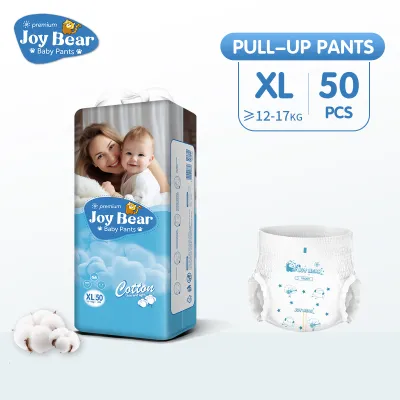
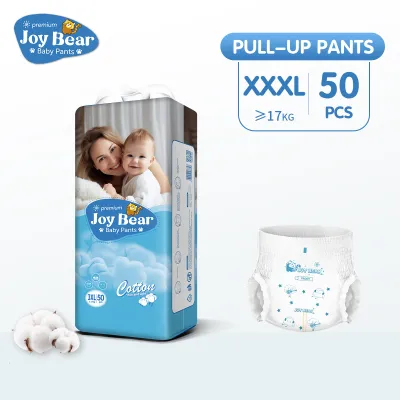
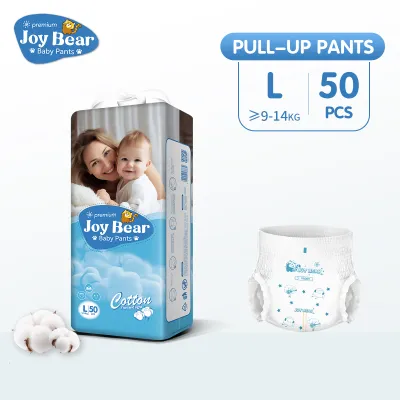
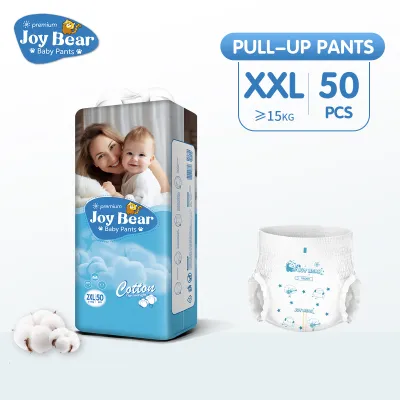
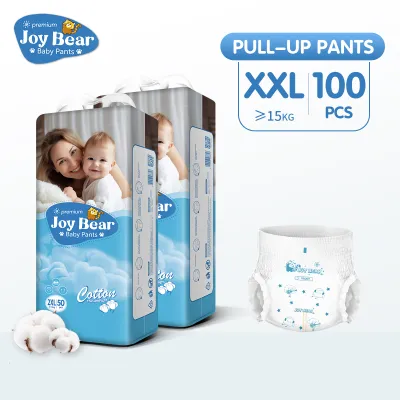
Prices are valid at publication and may change. Please refer to the product page for the latest price.
Skin sensitivity is another critical baseline that dictates your diaper choices. If your baby has a history of contact dermatitis, heat rash, or reactive skin flare-ups, your tolerance for material variation will be much lower. Some babies can wear almost any diaper brand without issue, while others require specific hypoallergenic materials, fragrance-free sheets, or lotion-infused top layers typically found in premium lines.
Finally, establish your target budget per diaper piece in ₱ to determine if the alternative meets your financial goals. Calculate your current spending by dividing the total price of your premium diaper pack by the number of pieces inside. If you are currently paying ₱12 to ₱18 per piece for premium brands, setting a target of ₱5 to ₱8 per piece for a budget alternative like Joy Bear provides a clear financial benchmark to measure your potential savings.
What to Compare When Testing Joy Bear Against Premium Brands
When evaluating a budget diaper like Joy Bear against established giants like Pampers and Huggies, you should rely on direct observation rather than brand reputation. Start by examining the packaging for technical specifications. Look for terms like “Super Absorbent Polymer” (SAP) or specific core structures, which indicate how the diaper handles liquid distribution and prevents backflow when your baby sits down.

Material softness and breathability are vital in warm, humid environments. Feel the inner lining and outer cover of both your current premium diaper and the Joy Bear diaper. A breathable outer layer allows hot air and moisture to escape, reducing the risk of heat rash. Additionally, check for a functional wetness indicator—a color-changing line that helps caregivers identify when a change is due without opening the diaper.
To make an objective comparison during your trial, use the following observation checklist to note how the budget option measures up to your premium baseline:
| Feature | Premium Brand Baseline | Joy Bear Observation |
|---|---|---|
| Absorbent Core | Rapid distribution, minimal swelling, dry to touch | Check for clumping, dampness, or uneven swelling after use |
| Inner Lining Softness | Ultra-soft, cloth-like texture, non-abrasive | Feel for stiffness, rough edges, or synthetic texture |
| Waistband & Elastics | Highly stretchable, snug fit, leaves no red marks | Assess elasticity, ease of fastening, and leg cuff seal |
| Wetness Indicator | Clear, fast color change from yellow to blue | Observe color transition clarity and response time |
| Breathability | Cool to touch, allows air circulation | Monitor skin for sweat buildup or dampness after wear |
| Fastening Tabs | Repositionable, strong grip, rounded edges | Test if tabs hold secure during active movement |
Realistic Trade-Offs When Switching to a Budget Diaper
Transitioning to a budget-friendly diaper often comes with noticeable trade-offs that parents must manage. One of the most common adjustments is the frequency of changes. Because budget diapers may not feature the same proprietary, high-capacity absorbent channels as premium brands, you may need to change your baby more frequently to prevent saturation, sagging, and leaks.
Physical design differences are also common when moving away from premium options. Budget diapers can sometimes feel bulkier when wet, as the absorbent core might swell uniformly rather than distributing liquid along thin, engineered channels. This bulkiness can occasionally restrict a highly active baby’s movement or cause the diaper to sag faster during playtime, requiring more frequent adjustments.
Furthermore, pay close attention to the construction of the fastening system and elastics. Premium diapers often feature highly flexible, forgiving waistbands and ultra-strong adhesive tabs that can be repositioned multiple times. Budget alternatives may have stiffer side panels or less tacky tape, which requires more precision during the initial fastening to ensure a secure fit that does not slip as your baby crawls or walks.
How to Safely Trial Joy Bear Without Risking Leaks or Rashes
To protect your baby’s skin and avoid wasting money on a bulk purchase that might not fit, always start your trial with the smallest pack size available. Purchasing a small trial pack allows you to test the diaper’s fit, absorbency, and material compatibility without committing to a massive box that might end up unused if your baby reacts poorly to it.
Introduce the new diaper during low-stakes, supervised daytime hours. This allows you to monitor your baby’s reaction, check for leaks every couple of hours, and adjust the fit as needed. Avoid using an untested budget diaper for overnight sleep or long outings where a leak or sudden blowout would be highly inconvenient and difficult to clean immediately.
Before putting the diaper on your baby, verify the safety certifications, ingredient lists, and material declarations printed on the Joy Bear packaging. Ensure the materials are free from known irritants that affect your baby. If you observe any redness, swelling, persistent rash, or signs of discomfort during the trial, stop using the diaper immediately and consult a qualified pediatrician.
Deciding If Joy Bear Fits Your Baby’s Routine and Your Budget
Ultimately, the decision to switch to Joy Bear depends on your baby’s unique physical traits and your daily routine. Budget diapers excel in scenarios where your baby has resilient skin and you already practice high-frequency daytime changes, such as during active potty-training preparation or at daycare. In these situations, paying a premium for a diaper that is changed every two hours anyway may not make financial sense.
Conversely, premium brands like Pampers and Huggies remain highly beneficial for babies with extremely sensitive skin prone to eczema, or for securing uninterrupted overnight sleep. If a budget diaper leaks at 3:00 AM, the cost of disrupted sleep and extra laundry quickly outweighs the monetary savings of a cheaper diaper piece.
To find your true savings, calculate the cost-per-change in ₱ rather than just comparing pack prices. If you use six premium diapers a day at ₱15 each, your daily cost is ₱90. If switching to a budget diaper at ₱7 each requires you to change your baby eight times a day to prevent leaks, your daily cost is ₱56. In this scenario, even with more frequent changes, the budget option still yields substantial monthly savings that can be redirected to other baby essentials.
Frequently Asked Questions (FAQ)
Can I mix Joy Bear and premium diapers in the same day?
Yes, mixing diaper brands throughout the day is an excellent, highly practical strategy to optimize your baby care budget. Many parents use budget-friendly diapers like Joy Bear for frequent daytime changes when the baby is active and changed often, and reserve premium, high-absorbency diapers like Pampers or Huggies for overnight sleep or long outings. This hybrid approach significantly lowers your overall monthly diaper expenses while ensuring your baby stays dry and comfortable during critical long-wear periods.
Does Joy Bear run smaller or larger than Pampers and Huggies?
Sizing standards vary significantly between manufacturers, so you should never assume that a size Medium in Joy Bear matches a size Medium in Pampers or Huggies. Always check the weight ranges and size charts printed directly on the Joy Bear packaging before purchasing. Because a proper fit is crucial for preventing leaks and blowouts, use your baby’s current weight as a guide, and consider sizing up if your baby is at the upper limit of the recommended weight range or has chubby thighs.

Community discussion
Share your experience or ask a question. Comments are reviewed before publication.