
For generations, a bottle of baby powder has been a familiar sight on changing tables across the Philippines. The refreshing scent and cooling sensation have made it a go-to product for keeping infants fresh in our warm, tropical climate. However, as pediatric medicine and ingredient safety standards evolve, many parents are pausing to ask a critical question: Is Johnsons baby powder safe to use on a newborn?
The direct answer from modern pediatric experts is one of caution. While the brand remains a household name, medical associations generally advise against using any loose powders on newborns due to the physical risk of inhalation. A newborn’s delicate respiratory system can easily be irritated by airborne particles, regardless of the powder’s specific ingredients. For parents navigating the humid Philippine climate, understanding the differences between formulations, the nature of respiratory risks, and the safest application methods is essential for protecting your baby’s health.
To help you make an informed decision for your family, this guide breaks down the essential safety considerations, ingredient differences, and practical alternatives to keep your newborn’s skin dry and comfortable.
Products mentioned in this guide
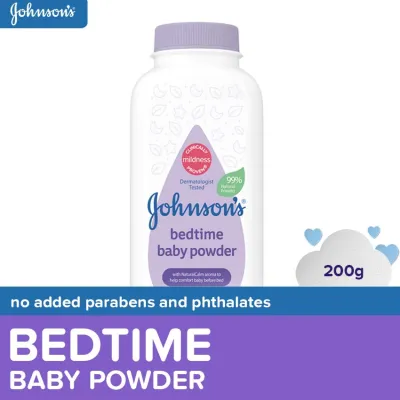
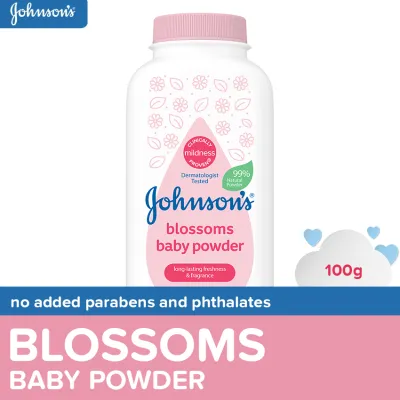
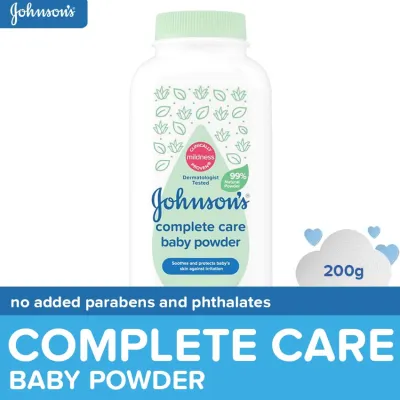
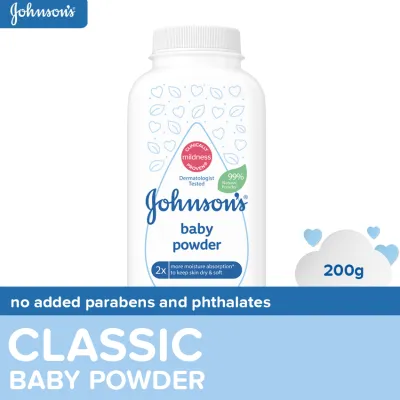
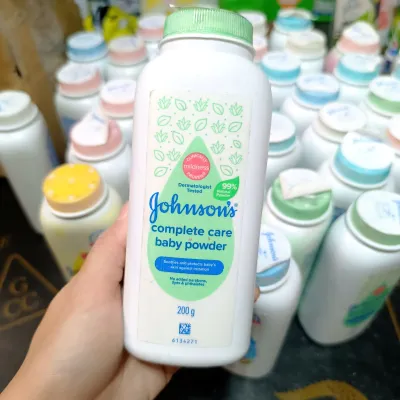
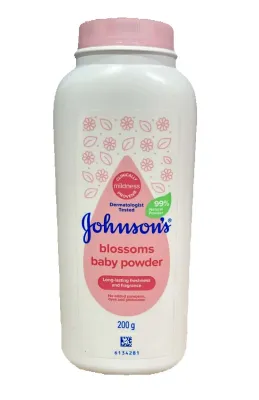
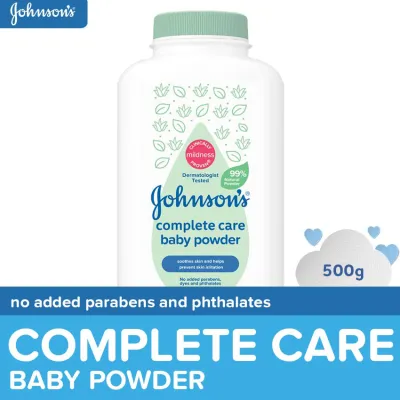
Prices are valid at publication and may change. Please refer to the product page for the latest price.
Checking the Label: Talc vs. Cornstarch Ingredients
When evaluating Johnsons baby powder, the very first step is to physically inspect the packaging of the bottle you have in your home. Do not rely on past memories, general brand assumptions, or outdated advice from older relatives. Product formulations can vary significantly depending on the region of manufacture, the specific market it was packaged for, and the production batch. This variation makes direct label verification a mandatory safety step before any application.
Historically, baby powders were primarily made from talc, a naturally occurring clay mineral composed of magnesium, silicon, and oxygen. Talc is highly valued in cosmetics for its ability to absorb moisture, reduce friction, and keep skin exceptionally smooth. In contrast, cornstarch-based powders are made from corn kernels, utilizing larger, organic starch particles to absorb excess wetness. While both substances serve a similar cosmetic purpose, their physical properties and chemical structures are entirely different.
Because global supply chains are complex, parallel imports from various countries can sometimes find their way onto local shelves or online marketplaces in the Philippines. A bottle purchased at a local sari-sari store or online shop may have a different ingredient profile than one bought at a major supermarket chain. Always turn the bottle over and read the “Ingredients” list. If the label lists “Talc,” it is a mineral-based product; if it lists “Zea Mays (Corn) Starch,” it is a plant-based formulation. Knowing exactly what is in your hands is the foundation of making a safe choice.
Respiratory Risks and Pediatric Advice on Baby Powder
Beyond the debate over specific ingredients, the primary medical concern with using any loose powder on an infant is the immediate danger to their airway. Newborn babies have highly vulnerable, developing respiratory systems. Their nasal passages are extremely narrow, and their lungs are still actively growing new alveoli. Because newborns are obligatory nose breathers for the first few months of life, any obstruction or irritation in their nasal passages can quickly compromise their breathing.

When a bottle of loose powder is shaken or squeezed, it releases a cloud of fine, microscopic particles into the air. The mechanics of accidental inhalation are simple and swift: as the baby breathes in, these airborne particles bypass the natural filtering mechanisms of the upper airway. The dust can travel deep into the bronchioles and alveoli, leading to acute respiratory irritation. This can cause immediate symptoms such as coughing, choking, rapid breathing, or grunting.
Over time, repeated exposure to fine cosmetic dust can lead to more severe conditions, including chronic lung irritation or chemical pneumonia. Because of these physical risks, the general pediatric consensus from organizations like the Philippine Pediatric Society and global pediatric academies is to avoid the routine use of loose powders on newborns. The potential risk of airway irritation far outweighs the cosmetic benefits of powdering a baby.
Before introducing any powder into your newborn’s daily skincare routine, it is highly recommended to consult your pediatrician. A qualified doctor can assess your baby’s specific health profile, which is particularly crucial if your infant was born prematurely, has a history of respiratory sensitivities, or shows signs of reactive airways. Your pediatrician can offer personalized guidance tailored to our local humid environment.
Understanding the Johnsons Baby Powder Talc Controversy and Verifying Safety
Many parents researching Johnsons baby powder are driven by concerns surrounding historical controversies and legal debates regarding talc. Talc is mined from the earth, and in its natural state, talc deposits can sometimes be located in close proximity to asbestos, a known carcinogen. Over several decades, public concern and scientific debates emerged regarding whether cosmetic talc could be contaminated with trace amounts of asbestos fibers during the mining process.
To address these evolving consumer expectations, safety perceptions, and scientific discussions, the manufacturer transitioned its global product portfolio entirely to cornstarch-based formulations. Today, modern bottles of Johnsons baby powder found in major retail outlets are formulated with naturally derived cornstarch. However, because older inventory or imported batches can still circulate, parents must remain vigilant in checking labels.
To verify the safety and regulatory compliance of any product you buy in the Philippines, you can consult official resources. The Food and Drug Administration (FDA) of the Philippines regularly publishes product advisories, registration updates, and recall notices on its official portal. Additionally, checking the manufacturer’s official local website can provide clarity on their current ingredient standards and quality control protocols.
If you ever feel uneasy about a specific bottle of powder, notice an unusual texture or scent, or cannot clearly identify the ingredients on the label, the safest course of action is to stop using the product immediately. Store the bottle safely out of reach of children or discard it, and reach out to your healthcare provider or pediatrician to discuss any unresolved safety concerns.
Effective Alternatives to Keep Newborn Skin Dry
Managing moisture is a constant challenge for parents in the Philippines, where high humidity and tropical heat frequently contribute to diaper rash and prickly heat (locally known as bungang araw). Fortunately, you can maintain your newborn’s skin health and keep their delicate skin folds dry without relying on loose powders. Implementing a structured, powder-free skincare routine is a highly effective, low-risk approach.
The most critical step in preventing skin irritation is thorough pat-drying. After bath time or during diaper changes, avoid rubbing your baby’s skin, as friction can damage the delicate epidermal barrier. Instead, use a clean, soft cotton towel or a traditional muslin cloth (pranela) to gently pat the skin folds. Pay close attention to the deep creases around the neck, armpits, thighs, and diaper area. Ensure these areas are completely dry before dressing your baby or applying a clean diaper.
Instead of using powder to absorb moisture, consider using barrier creams or ointments designed to protect the skin. Applying a thin layer of a zinc oxide-based diaper cream or pure petroleum jelly creates a physical shield on the skin’s surface. This barrier prevents moisture from urine and feces from coming into direct contact with the skin, reducing the risk of diaper dermatitis without releasing any airborne particles.
Additionally, allowing for regular “diaper-free” air time is one of the best natural remedies for preventing skin irritation. Lay your baby on a clean, dry, waterproof mat for a few minutes several times a day without a diaper on. This allows air to circulate naturally, keeping the skin cool and dry. In our warm climate, choosing loose, breathable cotton clothing also helps sweat evaporate quickly, minimizing the conditions that lead to heat rash.
Harm Reduction: How to Apply Powder Safely
If, after consulting your pediatrician, you still decide to use baby powder to manage your newborn’s sweat and friction, you must follow strict harm-reduction protocols. These safety steps are designed to minimize the risk of accidental inhalation and keep the application as controlled as possible.
To apply baby powder safely, always use the “hands-first” method:
- Step away from the baby: Move a few paces away from your newborn before opening the container.
- Pour into your hands first: Shake a small amount of powder directly into your own palms. Never shake or squeeze the bottle directly onto or near the baby's body.
- Minimize the dust cloud: Gently press your hands together to distribute the powder across your palms, ensuring you do not create an airborne cloud of dust.
- Apply carefully to the lower body: Gently pat your powder-coated hands onto your baby's skin, focusing primarily on the diaper area and legs.
- Avoid sensitive zones: Strictly avoid applying powder to the baby's face, neck, chest, or upper arms. Keeping the powder far away from the nose and mouth is crucial to preventing inhalation.
During and after application, always close the container tightly and store it on a high shelf, completely out of reach of your baby and any older siblings. Accidental spills or play with powder bottles can lead to massive inhalation events, which are serious medical emergencies.
Finally, monitor your newborn closely after application. If you observe any warning signs such as coughing, wheezing, rapid or labored breathing, or skin redness and irritation, discontinue use immediately. Wash the area gently with mild soap and water, and seek medical advice promptly.
Frequently Asked Questions (FAQ)
Can I use baby powder on my newborn's face or deep neck folds?
No, you should never apply baby powder to a newborn’s face or deep neck folds. Applying powder near the face puts the product in direct proximity to the baby’s nose and mouth, making accidental inhalation highly likely. Furthermore, applying powder to deep, sweaty neck folds can cause the powder to clump into an abrasive, pasty residue. This trapped paste can chafe the skin, trap moisture, and create an environment prone to bacterial or fungal infections.
What should I do if my baby accidentally inhales baby powder?
If your baby accidentally inhales baby powder, immediately move them away from the source of the powder into an area with fresh, clean air. Keep the baby upright to help them breathe more easily, and observe them closely. If they experience a brief, mild cough that clears up quickly and they continue to breathe normally, keep a watchful eye on them. However, if you notice persistent coughing, wheezing, rapid breathing, flaring nostrils, grunting, or any blue discoloration around the lips, seek emergency medical attention immediately.
Is cornstarch-based powder a completely risk-free alternative to talc?
While cornstarch-based powder avoids the mineral-related concerns associated with talc, it is not entirely risk-free. Because it is still a fine, loose powder, cornstarch poses the exact same physical inhalation risks to a newborn’s airway if it becomes airborne. Additionally, cornstarch is an organic carbohydrate that can serve as a food source for yeast and fungi, such as Candida. If applied to damp, un-dried skin folds, cornstarch can actually worsen fungal diaper rashes, making thorough drying and barrier creams a much safer option.
Community discussion
Share your experience or ask a question. Comments are reviewed before publication.