
In many Filipino households, a bottle of baby powder is a staple in the nursery. The classic, clean scent is often associated with a freshly bathed baby, and generations of parents have used it to keep their little ones dry in the hot, humid Philippine climate. However, modern pediatric guidelines have shifted significantly regarding the safety of loose powders for newborns.
While modern cornstarch-based formulas are generally recognized as safe for skin contact, major pediatric associations globally advise against using any loose powder on newborns. The primary concern with baby powder is not necessarily its chemical composition, but rather the severe physical inhalation risk associated with fine, airborne particles. When a newborn breathes in these microscopic particles, it can lead to immediate and long-term respiratory complications.
For parents in the Philippines, navigating these safety recommendations requires understanding the difference between ingredients like talc and cornstarch, recognizing the mechanical risks of loose powder, and learning how to manage moisture safely without putting a baby’s delicate lungs at risk.
Products mentioned in this guide
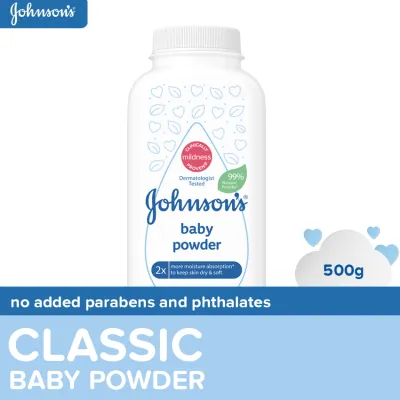
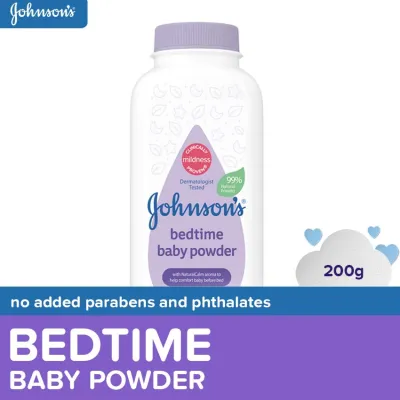
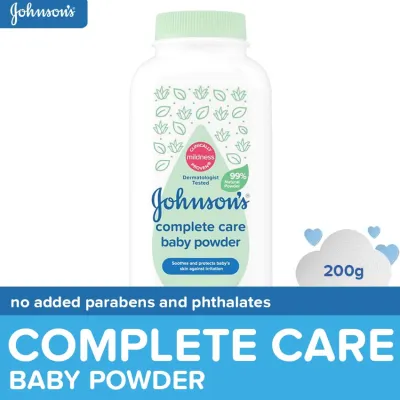
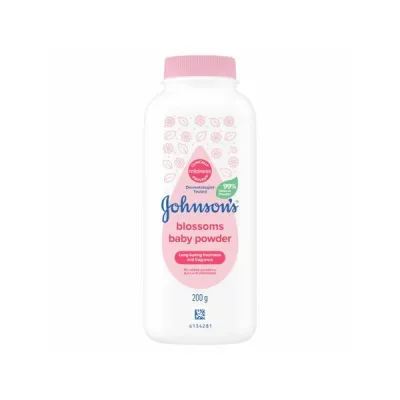
Prices are valid at publication and may change. Please refer to the product page for the latest price.
Talc vs. Cornstarch: How to Check Your Product's Ingredients
To understand the safety of baby powder, it is essential to look at how the product’s formulation has evolved. Historically, baby powders were primarily made from talc, a naturally occurring mineral composed of magnesium, silicon, and oxygen. Talc is highly effective at absorbing moisture and reducing friction, which made it the ideal ingredient for preventing diaper rash and heat rash for decades.
However, serious health concerns emerged regarding talc-based powders. In its natural state, some talc deposits can contain asbestos, a known carcinogen. While cosmetic-grade talc is purified to prevent asbestos contamination, long-term safety concerns and high-profile legal battles prompted major manufacturers to re-evaluate their formulations. In response to these concerns, major global brands, including Johnson’s, transitioned their baby powder formulations entirely to cornstarch-based mixtures.
Cornstarch is a natural, edible substance derived from corn kernels. From a dermatological standpoint, cornstarch is highly effective at absorbing moisture and is generally considered safe and gentle for skin contact. However, parents in the Philippines must remain vigilant when purchasing baby care products. Because of parallel imports, older stock, or regional variations sold on online marketplaces and informal retail shops, talc-based powders may still find their way onto store shelves.
To ensure you know exactly what is in your product, always physically inspect the ingredient label on the specific bottle you purchase. Look for “Zea Mays (Corn) Starch” as the primary ingredient. If the label lists “Talc” or “Talcum,” you should exercise extreme caution. It is also vital to understand that a “talc-free” or “cornstarch-based” label, while resolving the historical asbestos concern, does not automatically eliminate the physical risks of using loose powder around a newborn.
The Real Risk: Why Pediatricians Warn Against Inhalation
Regardless of whether a baby powder is made from talc or cornstarch, the physical form of the product poses the greatest risk to a newborn. Newborn babies have highly delicate, rapidly developing respiratory systems. Their airways are incredibly small, and their lungs do not have the same capacity to filter out fine particulate matter as adult lungs do.

When you shake a bottle of loose baby powder, it releases an invisible cloud of microscopic particles into the air. Because these particles are so light, they remain suspended in the breathing zone of both the caregiver and the infant. A newborn can easily inhale these airborne particles during a routine diaper change or after-bath application.
Once inhaled, these fine particles can travel deep into the baby’s lungs, settling in the smallest airways and air sacs (alveoli). Even natural cornstarch particles can cause significant physical irritation to the delicate respiratory lining. This irritation can trigger immediate coughing, wheezing, and sneezing. In more severe cases, regular inhalation of baby powder can lead to chronic lung irritation, chemical pneumonia, or acute respiratory distress, which is a medical emergency.
Because of these mechanical inhalation hazards, pediatricians and neonatal health organizations strongly advise parents to avoid using loose powders altogether. The risk of respiratory injury far outweighs any temporary benefits of moisture absorption, especially when safer, non-airborne alternatives are readily available.
Harm Reduction: Safe Application Steps If You Choose to Use Powder
Despite the medical warnings, some parents still prefer to use baby powder to manage sweat and friction, particularly during the sweltering summer months in the Philippines. If you make the informed decision to use baby powder on your infant, it is critical to adopt strict harm-reduction techniques to minimize the risk of inhalation.
By changing how you apply the product, you can significantly reduce the amount of dust that enters your baby’s breathing space. Consider the following safety steps during application:
- Keep the container away from the baby: Never shake the powder directly onto your baby's body, diaper area, or bedding. This action creates an immediate cloud of dust right next to their face.
- Dispense away from the child: Step a few feet away from your baby before opening the bottle. Shake a small amount of powder directly into your own palm or onto a clean cloth.
- Minimize airborne dust: Gently pat your hands together to settle the powder before bringing your hands back to the baby. This prevents a sudden puff of dust from rising when you touch the baby's skin.
- Apply a very thin layer: Gently pat the settled powder onto the diaper area or leg creases. Avoid using large clumps of powder, which can trap moisture and cause skin chafing.
- Avoid high-risk areas: Never apply powder anywhere near the baby's face, neck, or upper chest. Keep the application limited strictly to the lower half of the body.
- Store securely: Close the container tightly immediately after use. Store the bottle in a high cabinet completely out of reach of children to prevent accidental spills or older siblings playing with the container.
Furthermore, never apply baby powder to skin that is already broken, raw, bleeding, or severely inflamed. Applying starch-based powders to open wounds can create a breeding ground for bacteria and yeast, worsening the skin condition.
Safer Alternatives for Diaper Care in a Tropical Climate
Managing moisture is a constant challenge for parents in a tropical climate like the Philippines, where high humidity and heat can quickly lead to diaper rash (bungang-araw) and heat rashes. Fortunately, you do not need to rely on loose powders to keep your baby’s skin dry and healthy. There are several highly effective, non-airborne alternatives available.
Barrier Creams and Ointments
For routine diaper care, barrier creams are the gold standard. Products containing zinc oxide or petroleum jelly create a physical, waterproof shield on the skin. This shield protects the newborn’s delicate skin from the irritating effects of urine and feces without releasing any airborne particles. Zinc oxide creams also help soothe minor skin irritation and reduce redness.
Liquid Talc and Cream-to-Powder Lotions
If you love the dry, silky finish of baby powder but want to eliminate the inhalation risk, look for liquid talc or lotion-to-powder products. These are applied to the skin as a liquid cream or lotion. As they dry, they transform into a soft, powdery, matte finish directly on the skin. Because they are applied as a cream, they do not create any airborne dust, making them completely safe for your baby’s lungs.
Behavioral and Hygiene Adjustments
Often, simple changes in your daily routine can eliminate the need for moisture-absorbing products altogether. Consider integrating these habits into your diapering routine:
- Frequent diaper changes: Change your newborn's diaper immediately after they wet or soil it. Prolonged contact with wetness is the primary cause of diaper rash.
- The air-dry method: During diaper changes, leave your baby diaper-free on a clean, waterproof mat for 10 to 15 minutes. Allowing the skin to air-dry completely naturally is the most effective way to prevent moisture buildup.
- Gentle cleansing: Clean the diaper area with warm water and a soft cloth or fragrance-free baby wipes. Avoid harsh rubbing, which can damage the skin barrier.
Breathable Clothing
To prevent heat rash on the rest of the body, dress your newborn in loose, lightweight, and highly breathable cotton clothing. In the Philippines, simple cotton onesies or sleeveless shirts (sando) allow excellent air circulation, helping sweat evaporate naturally without the need for powder.
When to Stop: Warning Signs and When to See a Doctor
When caring for a newborn, it is vital to monitor their skin and breathing closely. If you are currently using baby powder or any other topical product, you must be prepared to stop immediately if you notice any adverse reactions.
Discontinue the use of baby powder immediately if you observe any of the following respiratory red flags during or after application:
- Frequent coughing or sneezing
- Wheezing or a whistling sound when the baby breathes
- Rapid, shallow breathing or flared nostrils
- Unusual fussiness, lethargy, or difficulty feeding
Additionally, you should stop using home remedies and consult your pediatrician if your baby develops signs of a severe diaper rash or skin infection. Watch out for intense redness that spreads, swelling, skin that feels warm to the touch, pus-filled blisters, or if the rash is accompanied by a fever. These symptoms often indicate a bacterial or yeast infection that requires a targeted prescription treatment rather than simple moisture management.
Always consult a qualified healthcare professional or your family pediatrician for personalized medical advice, diagnosis, and treatment recommendations tailored to your newborn’s specific health needs.
Frequently Asked Questions (FAQ)
Can I use baby powder on my newborn's face or neck folds?
No, you should never use baby powder on your newborn’s face, neck, or upper chest. Applying powder to these areas puts the product directly in the baby’s breathing zone, drastically increasing the risk of inhalation. Furthermore, sweat and drool can mix with the powder in deep neck folds, turning it into a thick, paste-like residue. This paste can trap moisture and cause severe friction, chafing, and skin irritation. Instead, gently wipe your baby’s neck folds with a damp, soft cloth and pat the area completely dry with a clean towel.
Is cornstarch powder completely safe if it doesn't contain talc?
While cornstarch-based baby powder eliminates the chemical and asbestos concerns historically associated with talc, it is still not completely safe for newborns. The primary hazard of baby powder is its physical form. Cornstarch consists of extremely fine, lightweight particles that easily become airborne when shaken. If inhaled, these organic starch particles can still irritate a newborn’s delicate airways, block small air passages, and lead to respiratory distress. Therefore, pediatricians recommend avoiding all loose powders, regardless of the ingredients.
How can I keep my baby dry and prevent heat rash without powder?
To keep your baby dry and prevent heat rash in hot weather, focus on temperature control and air circulation. Keep your indoor environment cool using fans or air conditioning, ensuring the airflow is not directed straight at the baby. Give your baby regular, lukewarm baths without harsh soaps to wash away sweat. Dress them in lightweight, breathable cotton fabrics, and ensure their skin is completely dry before putting on clothes or a diaper. If their skin becomes dry from frequent bathing, apply a gentle, fragrance-free pediatric moisturizer.
Community discussion
Share your experience or ask a question. Comments are reviewed before publication.