
The question of whether baby powder is safe for newborns is a major concern for many new parents, especially in warm, tropical climates where keeping a baby dry is a constant challenge. While modern formulations of Johnson’s Baby Powder have transitioned to cornstarch to address historical ingredient concerns, pediatricians and medical organizations globally advise against using any loose baby powder on newborns. This recommendation is not necessarily due to the brand itself, but rather the physical nature of fine powders. Newborns have highly delicate, developing respiratory systems, making the inhalation of any airborne particulate a significant health risk. Therefore, while the chemical safety of the ingredients has evolved, the physical application of loose powder remains a potential hazard for very young infants. Always consult your pediatrician before introducing new skin care products to your newborn’s daily routine.
To make an informed decision for your child, it is helpful to distinguish between chemical safety—what the powder is actually made of—and physical safety, which refers to the risk of inhaling fine particles. While a product may be chemically non-toxic, its physical form can still pose a threat to an infant’s small, sensitive airways. Understanding this distinction allows parents to better navigate the advice of healthcare professionals and choose the safest care methods for their babies.
Talc vs. Cornstarch: Understanding the Ingredients
For decades, the primary ingredient in traditional baby powders was talcum powder. Talc is a naturally occurring mineral composed of magnesium, silicon, and oxygen, highly valued for its ability to absorb moisture and reduce friction on the skin. However, talc deposits in the earth are often located in close proximity to asbestos, a known carcinogen. Over the years, concerns arose regarding the potential for talc-based powders to be contaminated with asbestos fibers during the mining process, leading to significant public scrutiny and legal challenges.
Products mentioned in this guide
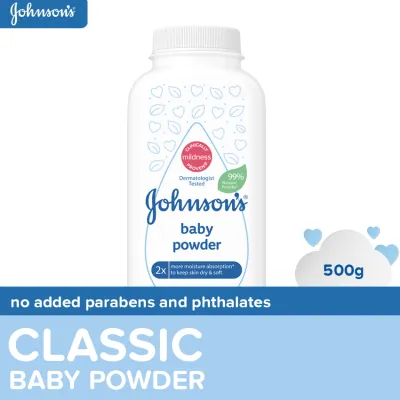
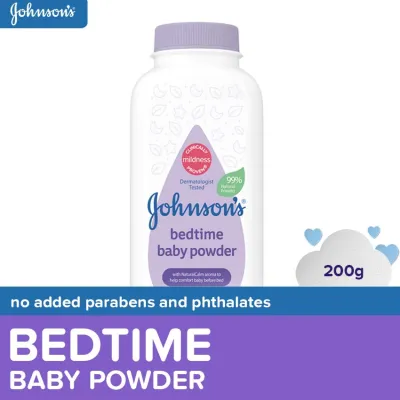
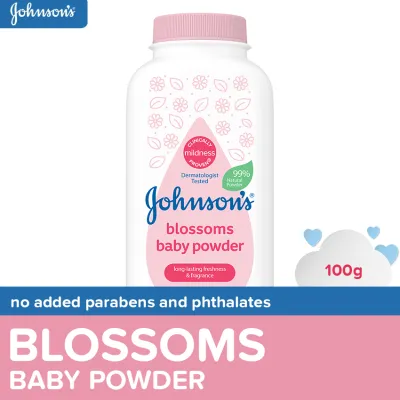
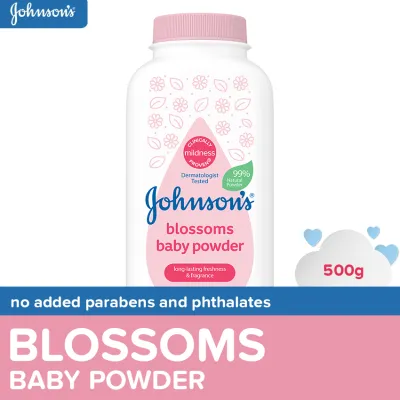
Prices are valid at publication and may change. Please refer to the product page for the latest price.
In response to these safety concerns and shifting consumer preferences, the manufacturer initiated a global transition away from talc. By 2023, the brand had transitioned its baby powder portfolio to be entirely cornstarch-based. Today, the bottles of Johnson’s Baby Powder you find on store shelves are formulated with cosmetic-grade cornstarch rather than talc. Cornstarch is a natural, edible starch derived from corn kernels, which completely eliminates the risk of asbestos contamination.
Despite this widespread transition, parents must remain vigilant and check the packaging of any product they buy. It is highly recommended to read the ingredient label on your specific bottle of baby powder before use, as older inventory, imported products, or specific regional variations might still be circulating on some online marketplaces. If the label lists “talc” or “talcum,” it is best to avoid using it on your child entirely. Always check the manufacturer’s packaging for specific usage instructions and warnings.
While switching to cornstarch addresses the chemical and contamination concerns historically associated with talc, it does not resolve the physical safety issues. Cornstarch is still processed into an incredibly fine powder. When shaken or applied, these minute particles easily become airborne, presenting the same physical inhalation risks to a newborn’s sensitive respiratory tract as talc-based powders.
The Real Danger: Inhalation and Breathing Risks
The most critical hazard associated with using baby powder on newborns is the risk of accidental inhalation. Newborns possess incredibly small, delicate airways and underdeveloped respiratory systems. Their lungs are highly sensitive to environmental irritants, and they lack the robust coughing mechanisms that older children and adults use to clear their airways. When loose powder is shaken or patted onto a baby’s skin, a cloud of microscopic dust is suspended in the air. Because newborns breathe rapidly, they can easily inhale these fine particles deep into their lungs.

Inhaling any fine particulate—whether it is talc, cornstarch, or another organic powder—can trigger immediate respiratory distress. The particles can irritate the lining of the lungs, causing inflammation, airway constriction, and breathing difficulties. In severe cases, inhalation of baby powder can lead to serious respiratory conditions, such as aspiration pneumonia or chronic lung irritation. Major pediatric associations strongly advise parents to avoid using loose powders entirely in infant care due to these preventable breathing risks.
Beyond the respiratory dangers, loose powder presents challenges for a newborn’s skin health, particularly in hot and humid tropical climates. In environments with high humidity and heat, babies sweat excessively in their diaper area, neck folds, and underarms. When loose powder is applied to these moist areas, it does not simply dry the skin; it mixes with sweat, urine, or residual moisture to form a thick, pasty residue.
This damp paste can easily accumulate in the deep skin folds of a newborn’s thighs, neck, and underarms. Instead of keeping the skin dry, the clumped powder traps moisture against the skin and creates friction as the baby moves. This friction can lead to skin chafing, redness, and painful skin breakdown. Additionally, damp cornstarch can serve as a food source for naturally occurring fungi, creating an environment that is highly conducive to yeast infections.
Harm Reduction: How to Use Powder Safely If You Choose To
If you decide to use baby powder to keep your baby comfortable during hot, humid days, you must follow strict harm-reduction practices to minimize the risk of inhalation and skin irritation. The absolute most important rule is to never shake, sprinkle, or pour baby powder directly onto your baby’s body. Shaking the bottle directly over the diaper area or near the chest guarantees that a cloud of fine particles will rise directly into the baby’s breathing zone.
To apply the powder safely, first move away from your baby so that any airborne dust settles far from their face. Pour a very small, controlled amount of powder directly into your own palms. Carefully rub your hands together to pat down the loose particles, ensuring there is no visible cloud of dust. Once the powder is securely adhered to your hands, gently pat your hands onto the baby’s skin, focusing only on the lower body and avoiding the face, neck, and chest entirely.
Storage and handling are equally critical for infant safety. Always keep the baby powder container tightly closed when not in use. Store the bottle on a high shelf, completely out of reach of infants, toddlers, and older siblings. Accidental spills or a curious toddler playing with a powder bottle can result in a sudden, massive cloud of dust, which can cause severe, life-threatening airway obstruction if inhaled. Caregiver supervision is essential whenever these products are nearby.
Lastly, you must establish a thorough cleaning routine to protect your newborn’s skin. Never allow powder to sit on your newborn’s skin for extended periods. During every diaper change, use a damp, soft cloth or gentle wipes to completely wash away any residual powder from the skin folds. Ensuring the skin is clean and fully dry before putting on a fresh diaper prevents the powder from clumping, chafing, and irritating the skin.
Pediatrician-Recommended Alternatives for Diaper Care
Modern pediatric medicine has moved away from loose powders in favor of safer, more effective alternatives for moisture control and diaper rash prevention. The current gold standard in infant diaper care involves the use of barrier creams and ointments. Products formulated with zinc oxide or petroleum jelly are highly recommended because they stay exactly where they are applied. They create a physical, water-resistant barrier that shields the baby’s delicate skin from the irritating effects of wetness, urine, and stool, all while posing absolutely zero inhalation risk.
In addition to barrier creams, the most effective way to protect a newborn’s skin is to focus on frequent diaper changes and natural drying. In a warm and humid climate, leaving a wet diaper on for too long quickly leads to skin breakdown. Changing diapers promptly as soon as they are soiled prevents moisture from accumulating and minimizes the risk of rash development.
Whenever possible, incorporate “diaper-free time” into your daily routine. Lay your baby on a clean, dry towel or a waterproof play mat and let them kick freely without a diaper for 10 to 15 minutes. This allows the skin to breathe and dry naturally in the open air, which is incredibly beneficial for preventing and healing diaper rashes without the need for any chemical or powder applications.
When selecting diapers and cleaning products, choose highly absorbent, breathable diapers that pull wetness away from the skin. For cleaning during diaper changes, opt for gentle, fragrance-free wipes or simply use warm water and a soft cotton pad. Avoiding harsh soaps, fragrances, and alcohol-based products helps maintain the natural protective barrier of your newborn’s skin, keeping it healthy and rash-free.
Frequently Asked Questions (FAQ)
Can I use cornstarch baby powder on a newborn's face or neck?
No, you should never use cornstarch baby powder on a newborn’s face, neck, or upper chest. Applying powder to these areas places the fine particles directly next to the baby’s nose, mouth, and eyes. This dramatically increases the risk of accidental inhalation, which can lead to respiratory distress or airway irritation. Additionally, the fine particles can easily enter and irritate the baby’s sensitive eyes, causing redness and discomfort.
What should I do if my baby accidentally inhales baby powder?
If your baby accidentally inhales baby powder, immediately move them away from the powder source and into fresh, clean air. Monitor their breathing very closely. Look for signs of respiratory distress, which include coughing, wheezing, rapid breathing, flared nostrils, or the skin pulling in around their ribs (retractions). If your baby exhibits any of these symptoms, or if they struggle to breathe, seek emergency medical attention or consult a pediatrician immediately.
Does baby powder cause yeast infections in the diaper area?
Baby powder itself does not directly cause yeast infections, but cornstarch-based powders can worsen them. Cornstarch is an organic carbohydrate that can serve as a food source for Candida, the fungus responsible for yeast diaper rashes. If cornstarch powder mixes with sweat and urine in the warm, damp diaper area and is not thoroughly cleaned away, it can encourage yeast overgrowth, turning a mild diaper rash into a more severe infection.
Community discussion
Share your experience or ask a question. Comments are reviewed before publication.