
Welcoming a newborn into the world brings a wave of joy, along with many practical questions about daily care. Among the most common dilemmas for new parents in the Philippines is deciding when and how to moisturize their infant’s delicate skin. While generations of families have grown up with the familiar scent of classic products, determining if a commercial moisturizer like a Johnson lotion variant is safe for a newborn requires a careful look at infant physiology.
The short answer is that while many commercial baby lotions are formulated to be gentle, a newborn baby’s skin is highly permeable, exceptionally sensitive, and still actively developing its natural protective barrier. Because of this vulnerability, pediatricians generally recommend waiting at least a few weeks before introducing any cosmetic skincare products to a healthy newborn, unless specifically indicated for a diagnosed medical condition.
Whether a product is safe for your baby depends heavily on individual skin tolerance, the specific product formulation you choose, and the presence of any underlying skin conditions like eczema. For a newborn under 28 days old, the safest course of action is to consult your pediatrician before applying any lotion, cream, or oil. This ensures you do not inadvertently disrupt the natural maturation of your baby’s skin barrier.
Products mentioned in this guide
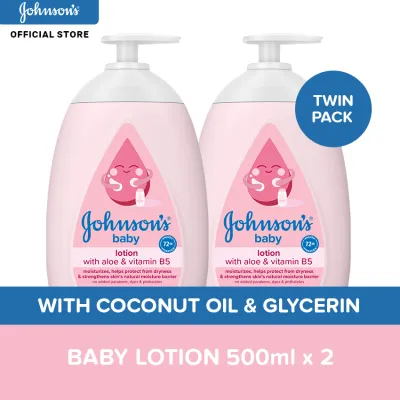
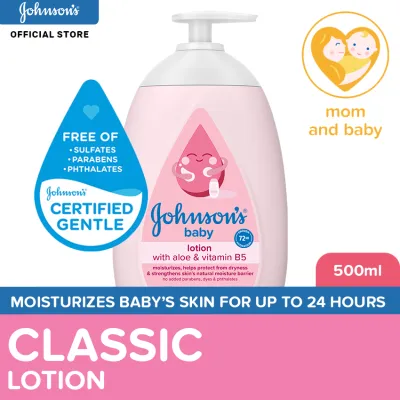
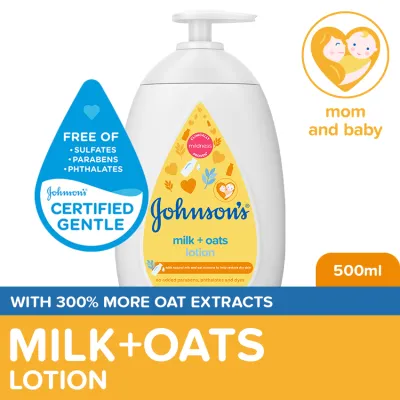
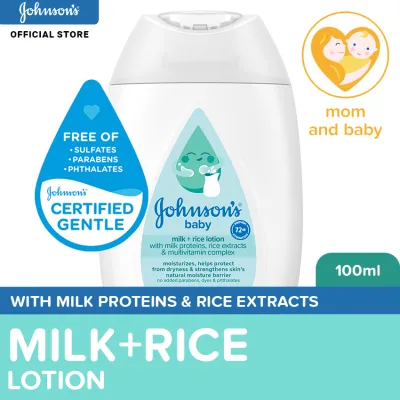
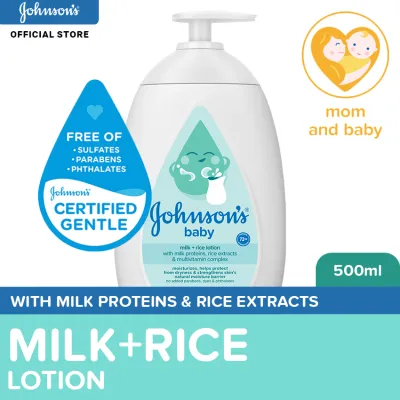
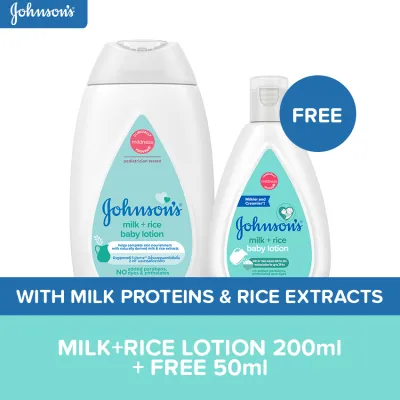
Prices are valid at publication and may change. Please refer to the product page for the latest price.
Understanding Newborn Skin and Moisturizer Needs
To understand why caution is necessary, it helps to look at how infant skin differs from adult skin. At birth, a newborn’s outer skin layer, the stratum corneum, is significantly thinner and less cohesive than an adult’s. This means it absorbs substances more rapidly and loses moisture just as quickly. However, healthy newborn skin is also equipped with its own natural protective coating, known as the vernix caseosa, which often peels off naturally during the first few weeks of life.
This peeling process is entirely normal and is frequently mistaken by parents as a sign of severe dryness that requires immediate moisturizing. In reality, this shedding is a natural transition as the baby adjusts from the fluid environment of the womb to the dry air outside. Attempting to stop this peeling by slathering on commercial lotions can interfere with the skin’s natural shedding cycle.
For a healthy newborn, routine lotion use is generally unnecessary immediately after birth. The infant skin barrier is highly capable of maintaining its own moisture levels when left alone and kept clean. Introducing complex chemical formulations too early can trigger contact sensitization, leading to allergic reactions or chronic irritation later on.
There are, however, specific clinical scenarios where a pediatrician might actively recommend using a moisturizer. Conditions such as severe congenital dryness, infant eczema, or ichthyosis require targeted barrier support to prevent painful cracking and secondary infections. In these clinical settings, medical professionals usually prefer plain, occlusive ointments or strictly fragrance-free, hypoallergenic therapeutic creams over standard scented commercial lotions.
It is vital for parents to distinguish between treating a diagnosed medical skin condition and using lotion simply to achieve cosmetic softness or a pleasant scent. While soft, fragrant skin is a hallmark of baby commercials, a newborn’s physiological health relies on a strong, undisturbed skin barrier. If your baby’s skin appears dry, flaky, or red, always seek a professional medical diagnosis before initiating a daily moisturizing regimen.
How to Read and Evaluate Baby Lotion Ingredients
Navigating the skincare aisle can be overwhelming with dozens of bottles claiming to be the best choice for your baby. To make an informed decision, parents must learn to look past front-label marketing and carefully evaluate the ingredient list on the back of the bottle. This practice is especially important when evaluating any Johnson lotion product or other commercial baby moisturizers for newborn use.

When reading a product label, look closely for potential irritants that can easily trigger reactions on highly permeable newborn skin. Key ingredients to watch out for include added synthetic fragrances, essential oils, parabens, phthalates, and strong preservatives like formaldehyde releasers or methylisothiazolinone. Even natural plant extracts and essential oils, which are often marketed as gentle, can be potent allergens for an infant whose immune system is still developing.
It is also important to understand the actual meaning behind common industry buzzwords. Terms like “hypoallergenic,” “dermatologist-tested,” and “clinically proven” are frequently used to reassure parents, but they do not carry standardized, legally binding definitions that guarantee a zero-risk reaction. “Hypoallergenic” simply means the product is formulated to minimize the likelihood of an allergic reaction, while “dermatologist-tested” indicates that a dermatologist oversaw a trial of the product, not necessarily that it is universally safe for newborns.
Before purchasing or applying any baby lotion, take the time to cross-reference the ingredient list with your pediatrician’s specific recommendations. This step is absolutely critical if your family has a history of asthma, eczema, seasonal allergies, or sensitive skin, as these genetic factors significantly increase the likelihood that your newborn will experience an adverse reaction to commercial skincare formulations.
Fragrance-Free vs. Unscented
One of the most common points of confusion for parents is the difference between “fragrance-free” and “unscented” labels. An “unscented” product is not necessarily free of scent-producing chemicals; instead, it often contains masking fragrances specifically formulated to neutralize the unpleasant natural odors of the active ingredients. These masking chemicals can still irritate a newborn’s sensitive respiratory tract and skin barrier.
In contrast, a truly “fragrance-free” product contains no added scent chemicals or masking agents whatsoever. For highly sensitive newborn skin, fragrance-free formulations are always the safer and more appropriate choice, as they eliminate one of the primary triggers for allergic contact dermatitis.
To protect your baby, never rely solely on the marketing claims printed on the front of the bottle. Always turn the package over and verify that terms like “parfum,” “fragrance,” or essential oils do not appear anywhere in the official ingredient list. If you are unsure about a specific ingredient, consult your pediatrician or a pediatric dermatologist before application.
Recognizing Skin Irritation and Safe Response Steps
Even when you take every precaution, a newborn’s skin can still react unexpectedly to a new product. Recognizing the early signs of skin irritation or contact dermatitis is essential for preventing a minor reaction from escalating into a painful, widespread issue. Parents should monitor their baby’s skin closely for several hours after any initial lotion application.
Observable signs of an adverse reaction include localized redness, raised red bumps or hives, sudden peeling that is distinct from normal newborn shedding, or patches of dry, rough skin that seem to worsen after application. You might also notice behavioral clues, such as increased fussiness, crying, or difficulty sleeping, which can indicate that the baby is experiencing itching, burning, or physical discomfort.
If you suspect your baby is reacting poorly to a lotion, take immediate, low-risk steps to soothe their skin. First, stop using the product immediately and keep the bottle handy so you can show the ingredient list to a doctor if needed. Gently wash the affected area using lukewarm water and a very soft washcloth, taking care not to scrub or rub the irritated skin. Avoid using any soaps, bubble baths, or other cleansing products on the irritated area, as these can strip away remaining natural oils and worsen the inflammation.
Knowing when to transition from home care to professional medical evaluation is crucial for your newborn’s safety. Seek immediate medical attention if the rash spreads rapidly across the body, starts to ooze fluid, forms blisters, or is accompanied by systemic symptoms such as a fever, lethargy, poor feeding, or persistent crying. These signs can indicate a severe allergic reaction or a secondary bacterial infection that requires prompt clinical intervention.
Under no circumstances should parents attempt to self-diagnose a rash or apply over-the-counter medicated creams, such as hydrocortisone or antibacterial ointments, without explicit guidance from a qualified healthcare professional. Newborn skin absorbs active pharmaceutical ingredients far more readily than adult skin, and improper use of these medications can lead to systemic side effects or permanent skin damage.
Managing Baby Skincare in Tropical and Humid Climates
Caring for a newborn’s skin in the tropical and highly humid climate of the Philippines requires a unique approach compared to cooler, drier regions. High outdoor temperatures and constant humidity mean that infants sweat easily to regulate their body temperature. When heavy, thick, or highly occlusive lotions are applied to damp skin, they can easily block the baby’s underdeveloped sweat ducts, leading to a common and uncomfortable condition known as miliaria, or heat rash.
To balance the need for moisture without triggering heat rash, parents should follow a few practical application rules. First, use significantly smaller amounts of lotion than you might expect—a tiny, pea-sized drop is often more than enough for a newborn’s entire body. Second, focus your application only on areas that show genuine dryness, such as the elbows, knees, or outer shins, rather than coating the baby’s entire body in a thick layer of product.
It is particularly important to avoid applying any lotion, cream, or oil inside the baby’s natural skin folds, such as the neck, armpits, groin, and thighs. These areas naturally trap heat, sweat, and friction; adding a layer of moisturizer to these folds creates a warm, damp environment that is highly conducive to fungal infections, chafing, and severe heat rash. Keep these folds clean and dry, rather than moisturized.
Parents should observe their baby’s skin daily and adjust their skincare routine dynamically based on changing environmental factors. For instance, if your baby spends most of their day in an air-conditioned room, their skin may require a slightly more consistent moisturizing routine to combat the drying effects of artificial cooling. Conversely, during hot, humid days spent in naturally ventilated spaces, you should minimize or completely pause the use of any leave-on moisturizers to allow the skin to breathe freely.
To complement your baby’s skincare routine, always dress them in loose, lightweight, and highly breathable cotton clothing. This helps sweat evaporate quickly, prevents friction against sensitive skin, and minimizes the risk of sweat buildup after you have applied any necessary, pediatrician-approved moisturizers.
Frequently Asked Questions (FAQ)
Can I use adult lotion on my baby if I run out of baby lotion?
No, you should never use adult lotion on a baby, especially a newborn. Adult formulations are designed for a fully matured skin barrier and often contain strong synthetic fragrances, artificial dyes, and potent active ingredients like retinol, salicylic acid, or alpha-hydroxy acids that can cause severe chemical irritation or burns on infant skin. Additionally, adult lotions typically have different pH levels that can disrupt the delicate acid mantle of a newborn’s skin. If you run out of baby-safe moisturizer, it is far safer to use a tiny amount of plain, fragrance-free petroleum jelly or simply wait until you can purchase a proper, pediatrician-approved baby lotion rather than risking a severe skin reaction.
Should I apply lotion to my newborn every day?
Daily lotion application is not a strict requirement for a healthy newborn with normal skin. In fact, over-moisturizing can sometimes do more harm than good by trapping sweat, bacteria, and environmental irritants against the skin, which can lead to clogged pores and rashes. You should only apply lotion when your baby’s skin feels noticeably dry or rough to the touch, or if you have been specifically directed to do so by your pediatrician to manage a diagnosed skin condition. For most healthy newborns, keeping baths short, using lukewarm water, and avoiding harsh soaps is sufficient to maintain natural skin moisture without the need for daily lotion.
Is it safe to use baby lotion on a baby's face?
It is generally best to avoid applying standard baby lotions to your newborn’s face unless a pediatrician has specifically advised you to do so for a diagnosed condition like eczema. Facial skin is significantly thinner, more delicate, and more sensitive than the skin on the rest of the baby’s body, making it highly susceptible to irritation, clogged pores, and neonatal acne. Instead of using lotions, you can keep your baby’s face clean and naturally comfortable by gently wiping it with a soft, damp cotton cloth after feedings. If you must protect their facial skin from harsh environmental factors like strong winds or direct sunlight, consult your pediatrician for a safe, face-specific barrier cream recommendation.

Community discussion
Share your experience or ask a question. Comments are reviewed before publication.