
Welcoming a new baby into your home brings a wave of joy, along with a long list of questions about how to keep them safe and comfortable. Among the most common concerns for parents in the Philippines is how to dress a baby for sleep, especially when balancing tropical humidity with the cool draft of an air conditioner or electric fan. You might wonder if wrapping your little one in a cozy kumot for newborn baby is the best way to keep them comfortable. However, standard pediatric safety guidelines are clear: loose blankets should never be placed in a newborn’s sleep environment.
During the first few months of life, a baby’s sleep space must remain completely bare to ensure their breathing remains unobstructed. While it is natural to worry that your baby might get cold, loose bedding poses serious physical hazards that far outweigh the benefits of an extra layer. Understanding the science behind safe sleep and learning how to use modern, secure alternatives will help you keep your baby warm, comfortable, and safe throughout the night.
Why Loose Blankets Pose a Risk for Newborns
The primary reason pediatricians advise against using a loose kumot for newborn baby is the high risk of accidental suffocation. Newborns have very limited motor skills; during their first few weeks and months, they cannot roll over, lift their heads reliably, or use their hands to push away objects that cover their faces. If a loose blanket shifts during sleep—whether due to the baby’s involuntary startle reflex or simple wriggling—it can easily cover their nose and mouth, blocking their airway.
Products mentioned in this guide
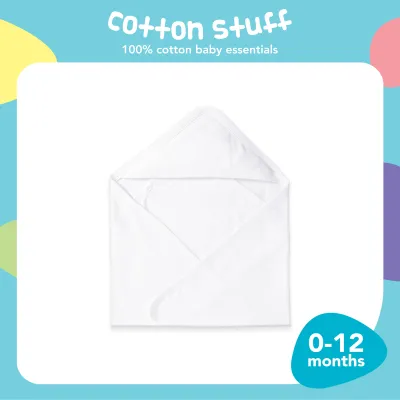
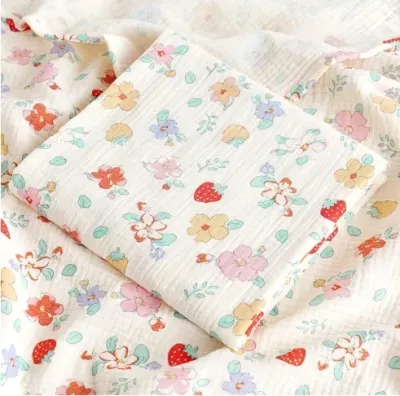
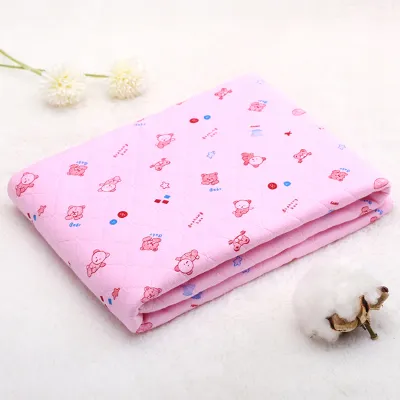
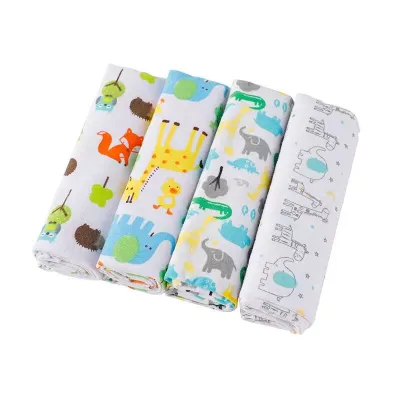
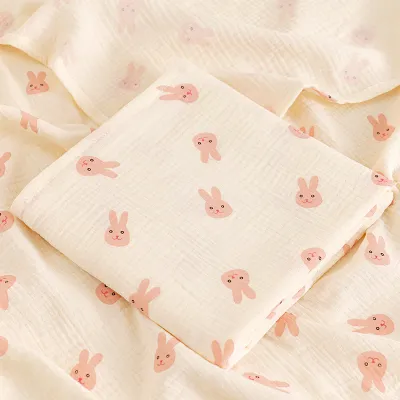
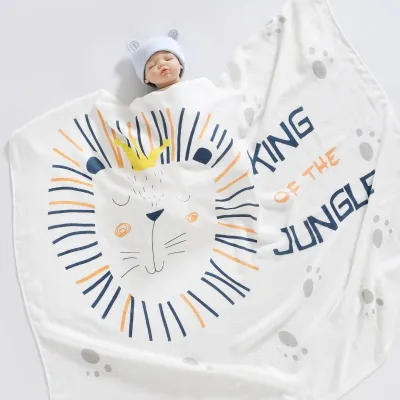
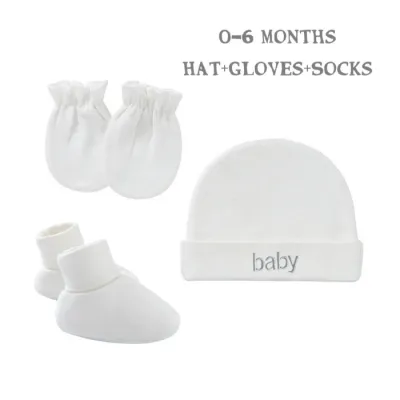
Prices are valid at publication and may change. Please refer to the product page for the latest price.
This physical obstruction can quickly lead to suffocation or a dangerous phenomenon known as rebreathing. Rebreathing occurs when a baby is trapped under a blanket and repeatedly inhales their own exhaled carbon dioxide. This lack of fresh oxygen can cause rapid oxygen depletion and carbon dioxide buildup, which can be fatal. The link between loose bedding in the crib and an increased risk of Sudden Infant Death Syndrome (SIDS) is well-documented by global pediatric authorities.
Additionally, loose blankets contribute significantly to the risk of overheating. In a tropical climate where temperatures and humidity levels remain high year-round, wrapping a baby in heavy layers can cause their body temperature to rise rapidly. Overheating is a known trigger for SIDS because it can cause a baby to fall into an unnaturally deep sleep from which they cannot easily wake up. Because newborns cannot regulate their own body temperature as efficiently as adults, keeping their sleep environment free of heavy, loose fabrics is a vital safety measure.
Core Safe Sleep Guidelines for the Crib
Creating a safe sleep environment starts with understanding the core principles of pediatric safe sleep guidelines. The most fundamental rule is the “Back to Sleep” practice. Always place your baby on their back for every sleep session, whether it is a quick daytime nap or a full night of rest. Sleeping on the back keeps the airway completely open and minimizes the risk of choking, as the baby’s natural anatomy protects their windpipe in this position.

The mattress itself must be firm and flat. A soft mattress, memory foam topper, or sagging sleep surface can conform to your baby’s face if they happen to turn, creating a suffocation hazard. The mattress should be covered only by a tightly fitted sheet that wraps securely around the corners and does not bunch up or slip off.
To maintain a truly safe sleep space, the crib, bassinet, or playpen must be completely bare. This means you must exclude pillows, stuffed toys, quilts, comforters, crib bumpers, and loose blankets. While these items are often sold in beautiful nursery bedding sets, they serve no practical purpose for a newborn and introduce unnecessary hazards.
Finally, pediatric experts strongly recommend room-sharing without bed-sharing for at least the first six months of your baby’s life. Keeping your baby’s crib or bassinet in your bedroom allows you to monitor their breathing and respond to their needs quickly. However, bringing the baby into your own bed introduces severe risks, as adult mattresses, heavy pillows, and large blankets can easily compromise a newborn’s safety.
Safe Alternatives to Keep Your Newborn Warm
If you cannot use a traditional kumot for newborn baby, how do you ensure your little one stays warm during cooler rainy nights or when the air conditioning is running? The most effective and highly recommended alternative is a wearable blanket, commonly known as a baby sleep sack. These garments are designed to fit securely around your baby’s torso while leaving their head and face completely free, providing the warmth of a blanket without any of the loose-fabric risks.
For younger newborns who still have a strong startle reflex, swaddling is an excellent option. Swaddling involves wrapping a thin, breathable receiving blanket snugly around the baby’s body to mimic the cozy environment of the womb. When swaddling, it is crucial to use proper techniques: the wrap should be snug around the chest but loose enough around the hips and legs to allow for natural movement. Most importantly, you must stop swaddling as soon as your baby shows any signs of attempting to roll over, which can happen as early as two months of age. Once a baby can roll, a swaddle restricts their arms, making it impossible for them to lift their head to breathe if they turn onto their stomach.
Another simple way to manage your baby’s temperature is through thoughtful layering. Instead of relying on heavy bedding, dress your baby in breathable cotton base layers, such as a short-sleeved bodysuit or footed pajamas. In warmer tropical weather, a single layer of lightweight cotton is often more than enough to keep them comfortable without any risk of overheating.
When Can Babies Safely Transition to a Blanket?
As your baby grows, their motor skills and physical strength will develop significantly. They will learn to roll over in both directions, sit up independently, and gain the coordination needed to actively push objects away from their face. These developmental milestones mark a major shift in their ability to protect their own airway during sleep.
Most pediatric organizations recommend waiting until your baby is at least 12 months old before introducing a loose blanket into their crib. By one year of age, the risk of SIDS drops dramatically, and toddlers are generally strong enough to maneuver blankets safely. However, even after the first birthday, it is best to proceed with caution and assess your individual child’s development.
When you do decide to introduce a blanket, choose one that is small, lightweight, and highly breathable, such as a muslin or open-weave cotton blanket. Avoid heavy quilts, weighted blankets, or any bedding with long ribbons, loose threads, or decorative fringes that could wrap around your baby’s neck or limbs. Keep the blanket small enough that it cannot easily bunch up and overwhelm their entire sleep space.
How to Choose and Use a Sleep Sack Safely
Selecting the right sleep sack requires looking closely at the product specifications rather than just the design. First, check the fabric weight or Thermal Overall Grade (TOG) rating. The TOG rating indicates how much warmth the sleep sack provides. In a warm and humid climate, you should look for a very low TOG rating, such as 0.5 TOG or lower, which is made of lightweight, breathable cotton or muslin. If you keep your nursery heavily air-conditioned, a slightly higher TOG rating might be appropriate, but always verify the manufacturer’s temperature guidelines to prevent overheating.
The fit of the sleep sack is critical for safety. Pay close attention to the neck and armholes. The neck opening must be snug enough so that the baby’s head cannot slip down inside the sleep sack, which would create a suffocation hazard. At the same time, it should not be so tight that it constricts their neck. The armholes should also fit securely to prevent the baby’s arms from slipping inside the garment.
Another essential feature to verify is the design of the bottom portion of the sleep sack. It must be wide and roomy enough to allow your baby’s hips and legs to bend, flex, and splay naturally. Restricting hip movement can lead to hip dysplasia, so look for products that are certified or recognized as hip-healthy by pediatric bone health organizations.
Before every use, perform a quick physical inspection of the sleep sack. Check for loose threads that could wrap around your baby’s fingers or toes, ensure the zipper operates smoothly without catching, and verify that any snaps or buttons are securely attached and not at risk of detaching and becoming a choking hazard.
Frequently Asked Questions (FAQ)
How can I tell if my newborn is too cold or too hot?
To accurately assess your baby’s temperature, place your hand on the nape of their neck or their chest. These areas provide a reliable reading of their core body temperature. If the skin feels sweaty, damp, or unusually hot, your baby is too warm, and you should remove a layer of clothing or adjust the room’s ventilation. If the skin feels cold to the touch, you can add a lightweight layer. Do not rely on the temperature of your baby’s hands or feet; because a newborn’s circulatory system is still developing, their extremities often feel cool to the touch even when their core temperature is perfectly normal.
Are receiving blankets safe for newborns to sleep with?
Receiving blankets are highly versatile, but they are only safe for newborns when used for supervised swaddling or during awake time. If you use a receiving blanket to swaddle your baby for sleep, ensure it is wrapped securely so it cannot unravel and become a loose hazard in the crib. Once your baby is placed in their crib, there should be no loose receiving blankets left in the sleep space. Never drape a receiving blanket over a sleeping baby’s body as a loose cover, as this carries the same suffocation risks as any other loose bedding.
Can I use a blanket if I am bed-sharing?
No, you should not use a blanket if you are bed-sharing. In fact, bed-sharing itself is not recommended by pediatric safety guidelines due to the high risk of accidental suffocation and entrapment. If you choose to bed-share, introducing adult blankets, heavy comforters, and pillows into the shared space significantly increases the danger to your newborn. Adult bedding is much heavier and larger than baby blankets, making it incredibly easy for a newborn to become trapped underneath. The safest choice is always to place your baby in their own separate, bare crib or bassinet right next to your bed.
Community discussion
Share your experience or ask a question. Comments are reviewed before publication.