
Navigating prenatal nutrition in the Philippines often means balancing traditional family advice with modern medical guidance. While malunggay is celebrated across the archipelago as a nutritional powerhouse, taking concentrated supplements like Mamalac Malunggay Capsules during pregnancy requires careful medical scrutiny. The immediate priority during these nine months is ensuring fetal safety, which means evaluating every single herb or pill that enters your body.
While fresh malunggay leaves cooked in local dishes are entirely safe and highly nutritious, concentrated herbal supplements like Mamalac are formulated specifically for postpartum lactation support. You should avoid taking Mamalac capsules during pregnancy unless your OB-GYN gives you explicit, personalized approval. Standard prenatal care relies on clinically tested prenatal vitamins rather than unprescribed herbal extracts, which carry unverified risks for your developing baby.
Quick Answer: Can Pregnant Women Take Mamalac Malunggay Capsules?
No, pregnant women should not take Mamalac Malunggay Capsules without a direct prescription or clearance from their healthcare provider. Although malunggay (Moringa oleifera) is a natural plant, there is a vast difference between eating a bowl of home-cooked soup and swallowing a highly concentrated capsule. Mamalac is primarily designed as a postpartum galactagogue—a supplement meant to boost breast milk production after your baby is born.
Products mentioned in this guide
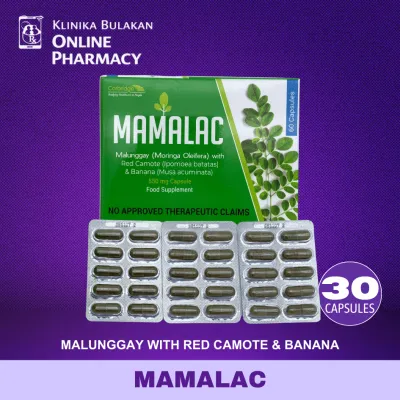
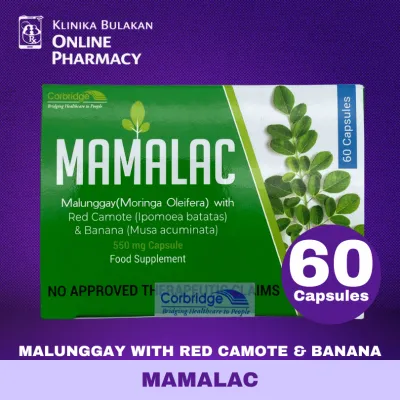
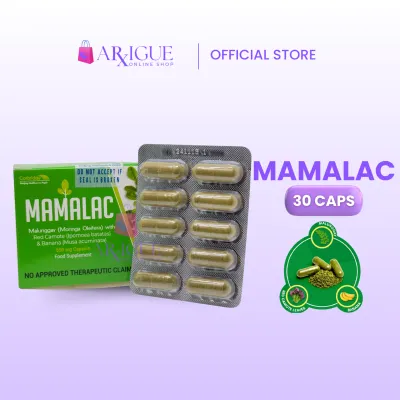
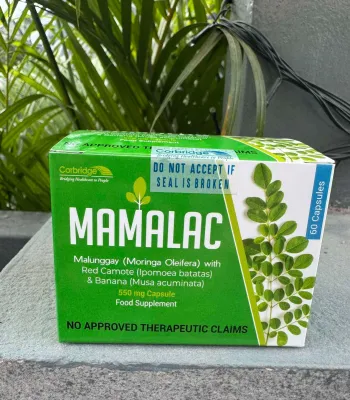
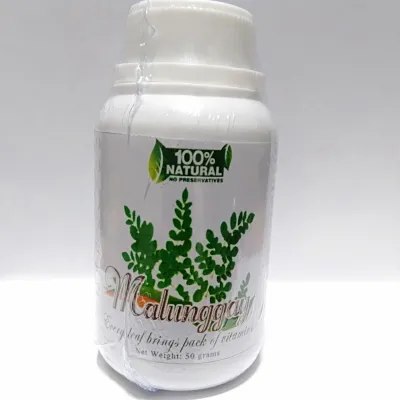

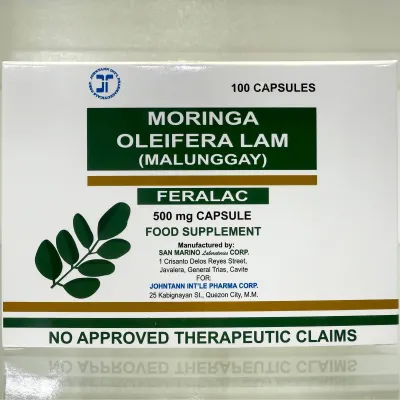
Prices are valid at publication and may change. Please refer to the product page for the latest price.
During pregnancy, your body is highly sensitive, and the fetus is vulnerable to concentrated plant compounds. High-dose herbal extracts do not undergo the same rigorous clinical testing for prenatal safety as standard pharmaceuticals or doctor-prescribed prenatal vitamins. Taking these capsules without medical supervision can introduce unnecessary variables into your pregnancy, potentially affecting uterine stability or fetal development.
If you are looking to support your health or prepare for your baby’s arrival, your primary focus should be on doctor-prescribed prenatal vitamins. These medical-grade supplements contain precise, standardized amounts of folic acid, iron, and calcium designed specifically for pregnancy. Save the lactation-specific supplements for your postpartum recovery period, when your body is ready to transition into milk production.
Understanding Malunggay (Moringa) Safety During Pregnancy
In Filipino households, the malunggay tree is a backyard staple, and its leaves are regularly added to comforting dishes like tinolang manok or ginisang monggo. Consuming fresh or cooked malunggay leaves in normal culinary amounts is widely considered safe and highly beneficial for pregnant women. These leaves are naturally rich in vitamins A, C, and E, as well as calcium, iron, and potassium, providing a wholesome dietary boost.

However, the safety profile changes dramatically when you transition from fresh leaves to concentrated dietary supplements. Malunggay capsules contain concentrated extracts of the plant, delivering a much higher dose of active compounds than you would ever consume in a standard meal. The medical community maintains a cautious stance on these concentrated forms because comprehensive clinical trials on pregnant women are extremely limited.
Furthermore, different parts of the moringa tree contain different chemical properties. While the leaves are the most commonly consumed part, other components like the bark, roots, and flowers contain compounds that can act as uterine stimulants. In concentrated supplements, there is always a small risk of cross-contamination or the inclusion of non-leaf materials during large-scale manufacturing, which could pose a threat to pregnancy maintenance.
Before purchasing any malunggay supplement, it is crucial to read the specific product packaging and check for manufacturer warnings. Look for clear labeling regarding the exact plant parts used in the extraction process and look for explicit contraindications for pregnant women. If the label does not explicitly state that it is safe for prenatal use, it is best to err on the side of caution and avoid it.
Mamalac’s Intended Use: Why It Is Typically Recommended Postpartum
Mamalac is formulated and marketed primarily as a postpartum supplement to assist breastfeeding mothers in establishing and maintaining a robust milk supply. As a galactagogue, its active ingredients work to support the hormonal pathways responsible for lactation. Because of this specific design, introducing the supplement before your baby is born is generally unnecessary and counterproductive.
During pregnancy, your body naturally prepares for breastfeeding through a highly coordinated hormonal sequence. High levels of progesterone and estrogen keep your milk supply in check, preventing full lactation from starting prematurely while your body focuses its energy on fetal growth. Attempting to stimulate these pathways early with concentrated herbal supplements can disrupt this natural hormonal balance.
Taking lactation supplements before delivery does not guarantee an earlier or more abundant milk supply once the baby arrives. True milk production is triggered by the delivery of the placenta, which causes a sudden drop in progesterone and allows prolactin to take over. Therefore, products like Mamalac are most effective when reserved for the postpartum window, specifically when you are actively nursing or pumping.
Introducing these supplements too early can also lead to physical discomfort, such as premature breast engorgement or leaking, before your baby is ready to feed. To ensure a smooth transition into motherhood, follow a structured timeline: focus entirely on prenatal nutrition during pregnancy, and introduce lactation aids only after delivery under the guidance of a pediatrician or a certified lactation consultant.
Potential Risks and Side Effects of Malunggay Supplements
Swallowing concentrated malunggay capsules during pregnancy carries several potential physiological risks that could complicate your prenatal journey. Understanding these side effects can help you make an informed choice and avoid unnecessary health complications.
- Gastrointestinal Distress: Moringa is known for its mild laxative properties and high fiber content in concentrated forms. Taking high doses can lead to stomach cramps, bloating, gas, nausea, or diarrhea. During pregnancy, your digestive system is already sluggish due to hormonal changes, and experiencing severe diarrhea can quickly lead to dehydration, which is dangerous for both you and your baby.
- Uterine Stimulation Risks: Certain active compounds found in concentrated moringa extracts may stimulate uterine contractions. While a bowl of malunggay soup won't trigger labor, a highly concentrated daily capsule might cause uterine activity, especially if you are predisposed to preterm labor or have a sensitive cervix.
- Nutrient Overlap and Toxicity: Standard prenatal vitamins already provide robust doses of essential nutrients like iron and Vitamin A. Because malunggay is naturally dense in these exact vitamins, combining a concentrated capsule with your daily prenatal vitamins could push your nutrient intake past safe upper limits. Excessive intake of certain forms of Vitamin A, for instance, can be harmful to fetal development.
Safe Alternatives and Next Steps for Prenatal Nutrition
If you want to ensure your baby gets the best start in life, stick to proven, medically supervised prenatal nutrition strategies. Your daily routine should center around the prenatal vitamins prescribed by your OB-GYN, which typically include folic acid, ferrous sulfate (iron), calcium carbonate, and DHA. These vitamins have established safety profiles and are carefully calibrated to meet your body’s specific prenatal requirements.
If you still want to enjoy the nutritional benefits of malunggay, simply integrate fresh leaves into your daily meals. Adding a handful of fresh, thoroughly washed malunggay leaves to your soups, stews, or rice dishes is a safe, delicious, and affordable way to boost your iron and calcium intake. Fresh leaves bought from local wet markets or harvested from your backyard are free from the high-dose risks associated with processed capsules.
Always monitor your body closely whenever you consume new foods or supplements. If you experience any of the following red-flag symptoms, stop taking any unprescribed supplements immediately and contact your healthcare provider or visit the nearest clinic:
- Abdominal pain or cramping
- Vaginal spotting or bleeding
- Severe, persistent diarrhea or vomiting
- Unusual or sudden fatigue and dizziness
Frequently Asked Questions (FAQ)
Can I take Mamalac in my third trimester to prepare for breastfeeding?
No, you should not take Mamalac in your third trimester to prepare for breastfeeding. Breast milk production is triggered by hormonal shifts that occur naturally after childbirth, specifically after the placenta is delivered. Taking galactagogues before your baby is born will not speed up this process and may introduce unnecessary risks to your pregnancy. It is best to wait until after delivery, observe your natural milk supply, and consult a lactation expert before starting any milk-boosting supplements.
Does Mamalac cause miscarriage?
There is no definitive clinical evidence proving that high-quality malunggay leaf extract directly causes miscarriage in humans. However, because concentrated moringa extracts can potentially stimulate uterine contractions—and because supplement manufacturing standards and ingredient purity can vary—medical professionals advise avoiding concentrated capsules during pregnancy as a standard safety precaution. To protect your pregnancy, rely on fresh malunggay leaves in your food and avoid concentrated supplements until after your baby is safely delivered.
Community discussion
Share your experience or ask a question. Comments are reviewed before publication.