
During pregnancy, managing your daily nutrition becomes one of your most important responsibilities. In the Philippines, malunggay (Moringa oleifera) is celebrated as a highly nutritious plant, frequently added to comforting bowls of chicken tinola to support maternal health. As your body works to grow a new life, your nutritional requirements for iron, calcium, and essential vitamins increase significantly. This often leads expectant mothers to wonder if taking a concentrated malungay capsul (malunggay capsule) is a safe, convenient way to meet these elevated dietary demands.
The direct answer is that while eating fresh malunggay leaves as part of your regular meals is widely considered safe and highly beneficial, the safety of taking a concentrated malungay capsul during pregnancy is not definitively proven. There is currently a significant lack of large-scale, peer-reviewed clinical trials evaluating the safety and efficacy of concentrated moringa extracts on pregnant individuals and developing fetuses. Because of this lack of robust clinical data, medical professionals generally advise caution when it comes to concentrated herbal supplements.
Before starting any herbal supplement, including over-the-counter moringa capsules, you should always consult your obstetrician-gynecologist (OB-GYN) or midwife. It is crucial to understand the biological difference between consuming a handful of fresh leaves in a home-cooked soup and ingesting a highly concentrated, processed plant extract. While the former is a culinary tradition, the latter functions more like a dose-specific medication without the benefit of strict pharmaceutical standardization.
Products mentioned in this guide
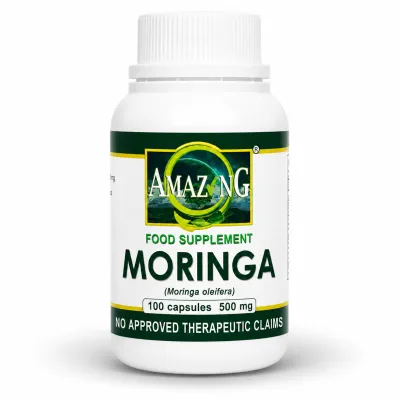
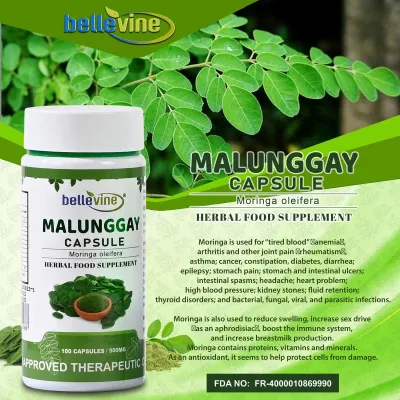
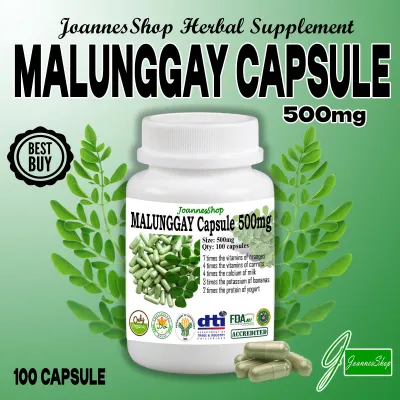


Prices are valid at publication and may change. Please refer to the product page for the latest price.
Potential Risks and Side Effects to Consider
To understand why healthcare providers are cautious about herbal supplements, it helps to look at the biology of the moringa plant. While the green leaves are the most commonly eaten part, other components of the tree—such as the roots, bark, and flowers—contain specific bioactive compounds. Some of these compounds, including certain alkaloids, have been shown in animal studies to stimulate uterine contractions, which presents a theoretical risk of miscarriage or premature labor.
When you purchase an over-the-counter malungay capsul, you also run the risk of supplement manufacturing inconsistencies. Unlike prescription prenatal vitamins, herbal supplements do not always undergo the same rigorous, standardized quality control or regulatory approval processes. There is a possibility that a capsule contains trace amounts of the root or bark, or that the concentration of active ingredients varies wildly from batch to batch. This lack of standardization makes it difficult to know exactly what dose of active compounds you are consuming.
Another critical factor is how these concentrated extracts interact with your body’s chemistry and any prescribed medications. Malunggay is known to naturally lower blood sugar and reduce blood pressure. If you are already taking prescribed prenatal medications or being managed for conditions like gestational diabetes or pregnancy-induced hypertension, introducing a concentrated supplement could cause your blood sugar or blood pressure to drop to unsafe levels. This can lead to dizziness, fainting, or compromised blood flow to the placenta.
It is a common misconception that “natural” or “plant-based” automatically translates to “safe” for a developing baby. Many potent pharmaceuticals are derived from plants, and the fetal liver and kidneys are not yet fully equipped to process highly concentrated botanical compounds. Protecting your pregnancy means treating every herbal capsule with the same caution you would apply to any over-the-counter drug. Always verify the source and manufacturing standards of any product you consider.
Trimester-by-Trimester Safety Considerations
Your body undergoes distinct physiological changes during each stage of pregnancy, and the potential impact of herbal supplements varies accordingly.

First Trimester
- Fetal Development: The first trimester is the most critical period for fetal organogenesis, when your baby's major organs, neural tube, and bodily systems are actively forming. Any exposure to unverified bioactive compounds during this window carries a higher risk of developmental disruptions.
- Uterine Sensitivity: During these early weeks, the embryo is highly vulnerable to external substances, and any uterine stimulation could disrupt implantation or early development.
- Safety Recommendation: Medical professionals strongly advise a strict avoidance of all non-prescribed herbal capsules, including malunggay extracts, during the first trimester. Stick to your prescribed folic acid and prenatal vitamins.
Second and Third Trimesters
- Metabolic Demands: As you enter the second and third trimesters, your body's metabolic demands and blood volume expand significantly. Your blood volume increases by up to 50 percent, which changes how substances are diluted and processed in your bloodstream.
- Ongoing Risks: While the immediate risk of early miscarriage decreases, your system remains highly sensitive. High doses of concentrated herbs can still affect your maternal blood pressure, alter your digestion, or potentially impact fetal growth.
- Blood Sugar Monitoring: Because gestational diabetes risks increase in the late second trimester, taking supplements that lower blood sugar can complicate your medical tracking. Your doctor needs accurate, stable readings to manage your health properly.
Throughout every stage of your pregnancy, relying on anecdotal success stories or general internet guidelines is highly risky. Your healthcare provider must evaluate your specific health profile, blood work, and pregnancy progression before clearing you to take any concentrated supplements.
Fresh Malunggay vs. Malungay Capsul: Understanding the Difference
To make an informed decision, it is helpful to contrast how your body processes whole foods versus concentrated dietary supplements.
When you eat fresh, thoroughly washed malunggay leaves in traditional Filipino dishes, you are consuming the plant in its natural, diluted state. The leaves are packed with dietary fiber, vitamins, and minerals that your body absorbs slowly and safely alongside other nutrients in your meal. This culinary consumption is generally recognized as safe and highly nutritious for pregnant women, providing a gentle boost of iron, vitamin C, and calcium.
In contrast, a malungay capsul contains a highly concentrated, dried, and pulverized form of the plant, or a standardized liquid extract. A single capsule can deliver a dose of active compounds that is far higher than what you would naturally consume in multiple bowls of soup. This high concentration bypasses the body’s natural digestive pacing, potentially overwhelming your system with active botanical agents.
Furthermore, the cooking process used for fresh leaves in soups like tinola or dishes cooked in coconut milk (gata) often breaks down some of the raw plant enzymes. This heat exposure can make the leaves much easier on your digestive system compared to raw, concentrated powder packed into a capsule. Eating cooked leaves also ensures you are getting the fiber that helps regulate digestion, which is often sluggish during pregnancy.
If you and your doctor are discussing the possibility of herbal supplementation, always check the product label carefully. Look for whether the product uses “leaf extract” or “whole plant powder,” and check for any third-party testing certifications. Bring the physical bottle or a clear photo of the ingredient list to your next prenatal checkup so your OB-GYN can assess the exact formulation and determine if it is appropriate for your specific health needs.
Warning Signs: When to Stop and Seek Medical Help
If you have already consumed malunggay capsules or any other herbal supplement during your pregnancy, you must remain highly vigilant and monitor your body for any adverse reactions.
Stop taking the supplement immediately and seek prompt medical attention if you experience any of the following warning signs:
- Abdominal cramping or sharp pelvic pain
- Vaginal spotting or bleeding
- Increased pelvic pressure or lower back aches
- Severe digestive distress, including persistent nausea, vomiting, or diarrhea
- Unusual, extreme fatigue or dizziness
If you need to visit your clinic or an emergency room due to these symptoms, always bring the exact supplement bottle with you. This allows the medical team to inspect the ingredient list, dosage instructions, and manufacturing details to make an accurate assessment and provide the correct treatment. Never attempt to self-diagnose, adjust your dosage, or embark on a “detox” regimen without direct professional guidance, as this can delay necessary medical care.
Frequently Asked Questions (FAQ)
Can I drink malunggay tea instead of taking capsules?
While malunggay tea might seem like a milder alternative to capsules, it is still a concentrated beverage. The hot water steeps and extracts the active soluble compounds from the dried leaves, creating a drink that is much stronger than eating fresh leaves in a meal. Because the exact concentration of active ingredients in herbal teas can vary widely and may still pose risks of uterine stimulation, you should consult your doctor before consuming malunggay tea regularly during pregnancy.
Is malunggay safe for breastfeeding mothers?
Yes, malunggay is widely recognized and traditionally used in the Philippines as a powerful galactagogue to help support and increase breast milk production postpartum. However, your physiological needs and safety profiles change significantly once you give birth. While it is generally considered safe during lactation, you should still discuss the appropriate form (fresh leaves, tea, or capsules) and dosage with your pediatrician or a certified lactation consultant to ensure it aligns with your baby’s health needs and does not cause digestive upset for your newborn.
Community discussion
Share your experience or ask a question. Comments are reviewed before publication.