
No, it is not safe for newborns to use pillows. Pediatricians in the Philippines and global health organizations agree that infants should sleep on a flat, firm, and completely empty surface without any pillows, blankets, or soft toys. Introducing a pillow to a newborn’s sleep environment increases the risk of suffocation, airway obstruction, and Sudden Infant Death Syndrome (SIDS).
Many expectant parents are tempted to buy a baby pillow set new born because they are widely marketed as cute, cozy, and essential for a complete nursery. These items frequently appear in beautifully styled social media photos and retail displays, creating the false impression that they are necessary for a baby’s comfort. However, infant safety must always take precedence over aesthetic appeal.
During the first year of life, a baby’s respiratory system and motor skills are still developing. Placing any soft object under or near an infant’s head poses a direct threat to their breathing. Understanding the specific physiological risks can help parents make informed decisions and set up a safe space for their little ones.
Products mentioned in this guide
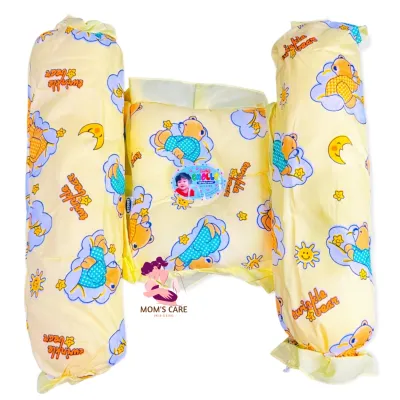
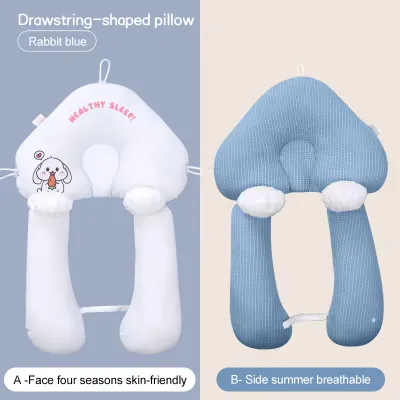
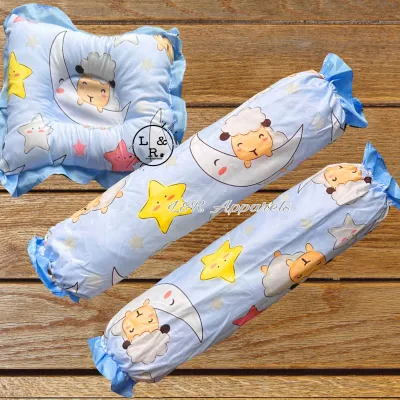

Prices are valid at publication and may change. Please refer to the product page for the latest price.
Understanding the Risks: SIDS, Suffocation, and Overheating
The physical characteristics of newborns make them highly vulnerable to environmental hazards in their sleep space. Unlike older children, babies have unique anatomical limitations that make soft bedding particularly dangerous.
Airway Obstruction and Suffocation
Newborns lack the neck strength and motor skills to lift or turn their heads if their nose and mouth become covered by soft fabric. If a baby rolls slightly or if a pillow shifts during sleep, the infant can easily become trapped against the soft surface.
When a baby’s face is pressed into a pillow, they can experience “rebreathing.” This occurs when the baby breathes in their own exhaled carbon dioxide, which becomes trapped in the pockets of the soft fabric. Rebreathing leads to a rapid drop in oxygen levels and a rise in carbon dioxide, which can quickly cause silent suffocation.
Sudden Infant Death Syndrome (SIDS)
Sudden Infant Death Syndrome (SIDS) is the unexplained death of an infant under one year of age, usually occurring during sleep. Extensive clinical research has identified soft bedding, including pillows, quilts, and stuffed toys, as a major environmental risk factor for SIDS.
Because SIDS is often linked to a baby’s inability to wake up when their breathing is compromised, keeping the sleep area completely bare is the most effective preventative measure. Eliminating pillows from the crib directly reduces the risk of accidental asphyxiation and sleep-related infant mortality.
Overheating in Tropical Climates
In the tropical climate of the Philippines, high humidity and elevated ambient temperatures present an additional risk for sleeping infants. Babies cannot regulate their body temperature as efficiently as adults, making them highly susceptible to thermal stress.
Adding pillows, bolsters, or heavy comforters to a crib traps body heat around the baby’s head and neck, which are the primary areas where infants release excess heat. Overheating is an independent risk factor for SIDS, making it crucial to keep the sleep surface clear and the baby dressed in lightweight, breathable cotton clothing instead of surrounded by plush bedding.
When Is It Safe to Introduce a Pillow? Age and Milestones
Parents often wonder when their child will finally be ready for a pillow. The general consensus among pediatricians is to wait until the child is at least 12 months old, though many experts strongly recommend waiting until 18 to 24 months, or when the child transitions from a crib to a toddler bed.

Before introducing any pillow, parents should look for specific developmental milestones that indicate the child can safely handle bedding.
Key Developmental Milestones to Verify:
- Effortless Rolling: The child can easily roll from back to tummy and tummy to back in both directions.
- Excellent Head Control: The child has full control over their neck muscles and can lift their head and chest easily.
- Active Movement: The child can easily push away blankets, toys, or bedding that might accidentally cover their face during sleep.
- Toddler Bed Transition: The child is no longer sleeping in a crib and has transitioned to a larger toddler bed.
When the time comes to introduce a first pillow, do not use a standard adult-sized pillow. Instead, select a pillow specifically designed for toddlers.
Characteristics of a Safe Toddler Pillow:
- Firmness: The pillow should be firm enough that it does not deeply indent or contour to the child's face when they lay their head on it.
- Size: It should be small and low-profile, typically measuring around 12 by 16 inches, to prevent neck strain.
- Materials: Choose hypoallergenic, highly breathable fillings and covers that can be easily washed to prevent dust mite accumulation.
If you are unsure whether your child is developmentally ready for a pillow, consult your pediatrician for personalized guidance.
Building a Safe Sleep Environment Without a Pillow
Creating a safe sleep environment does not require expensive gadgets. By following the standard “ABCs” of safe sleep, parents can ensure their baby stays safe and comfortable throughout the night.
The ABCs of Safe Sleep:
- A – Alone: The baby should always sleep alone in their own dedicated sleep space, free from parents, siblings, pets, pillows, or toys.
- B – On the Back: Always place your baby on their back to sleep for every nap and nighttime sleep. This position keeps the airway fully open.
- C – In a Crib: Use a safety-approved crib, bassinet, or playpen with a firm mattress.
The mattress must fit the crib frame tightly with no gaps along the edges. It should be covered only by a tightly fitted sheet that does not bunch up, slide off the corners, or create loose folds of fabric.
To keep the sleep space safe, ensure the following items are kept completely out of the crib:
- Adult pillows, toddler pillows, and cushions
- Loose blankets, quilts, and comforters
- Crib bumpers (which pose suffocation, strangulation, and climbing hazards)
- Stuffed animals and plush toys
- Sleep positioners, wedges, or head-shaping devices
If you are concerned about your baby getting cold, especially in air-conditioned rooms, avoid loose blankets. Instead, use a wearable blanket or sleep sack. These garments keep the baby warm while keeping their head and face completely unobstructed.
In the Philippines, keeping the room well-ventilated is essential. Use a ceiling fan or a standing fan to circulate air, ensuring the air does not blow directly onto the baby. If you use air conditioning, keep the room at a moderate, comfortable temperature.
What to Do With a "Baby Pillow Set New Born" and Nursery Gifts
It is incredibly common for expectant parents in the Philippines to receive a baby pillow set new born as a baby shower gift, or to purchase one as part of a matching nursery bedding package. These commercial sets typically include a small head-shaping pillow, two matching bolsters, and a comforter.
While these sets are visually appealing, they do not align with pediatric safe sleep guidelines. Manufacturers often design these items to appeal to a parent’s desire for a cozy-looking nursery, prioritizing aesthetics over safety standards.
If you have received or purchased one of these sets, you do not need to discard it. Instead, manage the components safely by following these practical steps:
- Store the Pillows and Bolsters: Keep the pillows, bolsters, and heavy comforters stored safely in a closet until your baby reaches toddlerhood (at least 12 to 18 months old).
- Use Only the Fitted Sheet: If the set includes a fitted sheet that fits your crib mattress perfectly and tightly with no slack, you can safely use it in the crib.
- Repurpose for Supervised Tummy Time: You can use the small pillows or bolsters on the floor to support your baby during awake, active tummy time. This helps build their neck and shoulder strength. However, you must actively supervise them every second and never allow them to fall asleep on these items.
Always check the product labels for age grading and safety disclaimers, but remember that medical guidelines from pediatricians should always override commercial product marketing.
Frequently Asked Questions (FAQ)
Can I use a flat head-shaping pillow to prevent flat head syndrome?
No, head-shaping pillows—even those with a hollow center or a contoured design—are not recommended by pediatricians. These pillows pose the same suffocation, airway obstruction, and SIDS risks as standard pillows.
To prevent positional plagiocephaly (flat head syndrome) safely, try these pediatrician-approved methods:
- Supervised Tummy Time: Provide your baby with plenty of awake, supervised tummy time on a firm floor surface to strengthen their neck muscles and relieve pressure on the back of their head.
- Alternate Sleep Directions: Change the direction your baby's head faces in the crib each night. Babies naturally turn their heads toward the room or a window, so alternating their position encourages them to look both ways.
- Limit Time in Car Seats and Carriers: Avoid leaving your baby in car seats, swings, or bouncers for extended periods when they are awake.
If you are concerned about the shape of your baby’s head, consult your pediatrician for a professional assessment.
Is it safe to use a nursing pillow for my baby to sleep on?
No, nursing pillows are designed strictly for awake, supervised feeding and bonding support. They are never safe sleep surfaces for infants.
If a baby falls asleep on a nursing pillow, their heavy head can easily tilt forward, pressing their chin against their chest. This position can restrict or completely block their airway, leading to positional asphyxia, which is silent and rapid. Additionally, babies can easily roll off the pillow or slide down into the center opening, where they can suffocate against the plush fabric.
If your baby falls asleep while feeding on a nursing pillow, immediately transfer them to a flat, firm crib or bassinet to sleep safely on their back.
Community discussion
Share your experience or ask a question. Comments are reviewed before publication.