
No, it is not safe for babies to sleep on a nursing pillow. While these pillows are excellent tools for supporting a baby during feeding, they are not designed, tested, or approved for infant sleep. Leaving a baby to sleep on a nursing pillow—whether for a quick nap, overnight sleep, or while propped up—poses severe, life-threatening safety risks, including suffocation and positional asphyxia. Caregivers must understand that a nursing pillow is strictly an awake-time utility, and any sleep that occurs on it must be interrupted immediately to transition the infant to a safe, flat surface.
The Core Safety Verdict: Why Nursing Pillows Are Not for Sleep
Nursing pillows are designed to lift a baby to the breast or bottle level, relieving strain on the caregiver’s arms, shoulders, and back. They are typically filled with soft, plush materials and shaped in a U-curve or contour to wrap around an adult’s waist. This design is highly functional for feeding but directly contradicts the physical requirements of a safe infant sleep environment.
Safe sleep requires a firm, flat, and level surface. When a baby is placed on a soft, contoured nursing pillow, their body weight causes them to sink into the material. The U-shape or raised edges can easily trap a baby if they roll or shift, pressing their nose and mouth against the fabric. This creates an immediate risk of suffocation, as the soft filling can block the airway even if the baby’s head is only partially turned.
Products mentioned in this guide
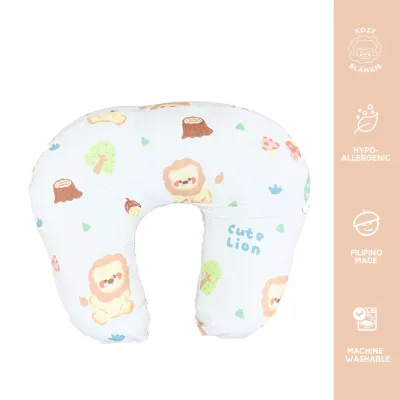

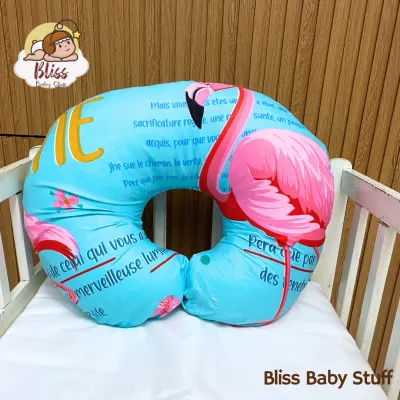
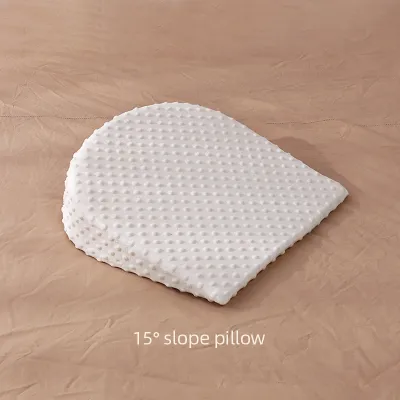
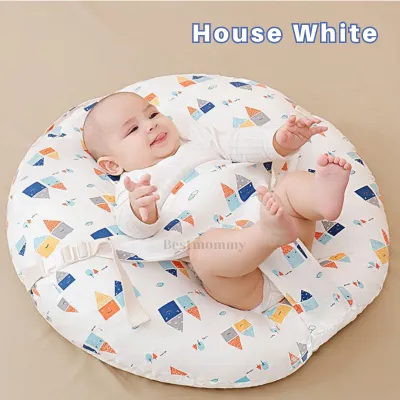

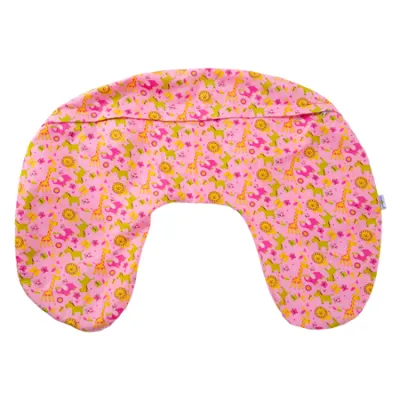
Prices are valid at publication and may change. Please refer to the product page for the latest price.
Another critical danger is positional asphyxia. Because infants have weak neck muscles, placing them on a semi-upright or curved surface like a nursing pillow can cause their heavy head to slump forward onto their chest. This chin-to-chest position physically constricts their narrow trachea, cutting off oxygen without the baby making any sound or showing obvious signs of struggle.
To prevent these hazards, caregivers must carefully read and follow the specific warning labels, age limits, and usage restrictions printed on their product packaging. Most reputable manufacturers place prominent, permanent warning tags directly on the pillow cover stating that the product is not intended for sleep and should never be placed in a crib, bassinet, or playpen. Checking these labels helps reinforce safe boundaries in the household.
Hidden Risks of Propped or Unsupervised Sleeping
Propping a baby up on a nursing pillow is a common practice among parents hoping to ease infant reflux or keep their baby upright after a feed. However, this creates a highly unstable and dangerous physical setup. When a baby is propped on a soft pillow, they lack the developmental strength to correct their posture if they slide down or tilt to the side.

The primary risk of this propped position is airway obstruction caused by the chin-to-chest posture. As the baby’s head slumps forward into the soft crevice of the pillow, the airway is compressed. Unlike adults, infants cannot easily wake up or lift their heads to clear their airway when their oxygen levels drop. This silent suffocation can happen rapidly, even while a caregiver is in the same room but distracted.
Additionally, there is a severe danger of the baby rolling face-first into the soft, unstructured sides of the pillow. Even if a newborn cannot roll over on a flat floor, the slope and soft contours of a nursing pillow can cause them to slide or roll sideways due to gravity. Once their face is pressed into the plush fabric, they may be unable to extricate themselves, leading to suffocation.
Soft surfaces simply do not provide the firm, flat support required to keep an infant’s airway open and spine aligned during sleep. A firm mattress keeps the baby’s head in a neutral position, ensuring the trachea remains fully open. In tropical climates like the Philippines, where high humidity and warm temperatures are common, soft pillows can also trap body heat, leading to overheating, which is another recognized risk factor for Sudden Infant Death Syndrome (SIDS).
Safe vs. Unsafe Uses: A Quick Reference Guide
To help caregivers navigate daily routines, it is essential to clearly distinguish between appropriate awake-time activities and dangerous sleep-time scenarios. A nursing pillow is a valuable tool when used correctly, but it must never cross the boundary into a sleep aid.
Below is a quick reference guide outlining safe versus unsafe uses of a nursing pillow:
| Safe Uses (Awake & Supervised) | Unsafe Uses (Sleep or Unsupervised) |
|---|---|
| Supervised Feeding: Supporting the baby's weight during breastfeeding or bottle-feeding while the caregiver is awake. | Unsupervised Naps: Letting the baby sleep on the pillow while the caregiver rests, does chores, or leaves the room. |
| Supervised Tummy Time: Propping the baby's chest over the pillow to practice lifting their head, under active supervision. | Propped Sleeping: Using the pillow to prop the baby up for sleep to manage reflux or congestion. |
| Supported Sitting: Placing the pillow around an older, awake infant who is learning to sit up, on a carpeted floor. | Crib Bumper or Bedding: Placing the pillow inside a crib, bassinet, or playpen as a bumper or mattress topper. |
The strict boundary of “supervision” must be clearly defined. True supervision means the caregiver is fully awake, actively watching the baby, and within arm’s reach. It does not mean being in the same room while sleeping, looking at a phone, or watching television without eyes on the child.
If a baby falls asleep during a feed—which is incredibly common, especially during late-night feedings—it requires an immediate transition. Caregivers must not leave the baby in place on the pillow, even if they plan to watch them sleep. The risk of positional asphyxia remains just as high under supervision if the baby is left on an unsafe surface.
Transitioning Your Baby to a Safe Sleep Surface
When your baby drifts off to sleep during a feeding session on a nursing pillow, the priority is to move them to a safe environment immediately. While parents often worry about waking a sleeping infant, a gentle and planned transition can keep the baby asleep while ensuring their safety.
To safely transfer a sleeping baby from the pillow to a firm, flat mattress, start by gently sliding your hands under their neck and bottom to support their head and spine. Slowly lift them off the nursing pillow, keeping them close to your chest to maintain their sense of warmth and security. Lower them gently into their crib or bassinet, placing their feet and bottom down first, followed by their torso, and finally their head. This gradual contact helps prevent the startle reflex that often wakes babies up.
The required endpoint for every sleep transition must align with standard safe sleep practices: the baby must sleep alone, on their back, and in a dedicated crib, bassinet, or play yard. The sleep surface must be completely flat and firm, with no incline, soft bedding, or loose items.
Managing caregiver fatigue is a crucial part of this safety equation. In the warm, humid nights of the Philippines, exhaustion can quickly overtake a parent during night feeds. To prevent the dangerous scenario of accidentally falling asleep while holding the baby on a soft surface, sofa, or adult bed, set a gentle alarm on your phone before starting a feed. If you feel yourself nodding off, immediately place the baby in their safe crib or bassinet, even if they have not finished feeding or are still awake.
Building a Safe Sleep Environment: What to Check
Ensuring your baby’s sleep space is safe requires a systematic check of their actual environment. Caregivers should regularly evaluate the crib or bassinet to confirm it meets established safety standards.
The physical requirements for a safe sleep surface are straightforward but non-negotiable. The mattress must be firm; it should not indent or conform to the shape of the baby’s head when they are laid down. This mattress must be covered only by a tightly fitted sheet designed specifically for that mattress size, with no loose fabric or pockets where air could be trapped. When purchasing a mattress in the Philippines, look for certified local or imported brands, which typically range from ₱1,500 to ₱5,000, ensuring they meet firm safety standards rather than relying on soft, cheap alternatives.
Keep the sleep area entirely empty. This means removing loose blankets, soft toys, pillows, quilts, bumper pads, sleep positioners, and wedges. While these items are often marketed as cozy or helpful for sleep, they pose the same suffocation and entrapment risks as a nursing pillow. For warmth in air-conditioned rooms or during cooler rainy seasons, use a wearable blanket or sleep sack instead of loose sheets.
Finally, verify that all nursery furniture and bedding comply with current safety standards. Check the manufacturer’s guidelines and look for certifications from recognized safety bodies. Regularly inspect your crib, bassinet, and mattress for wear and tear, and search online databases to ensure there are no active manufacturer recalls on any of your baby gear.
Frequently Asked Questions (FAQ)
Can I use a nursing pillow for supervised tummy time?
Yes, you can use a nursing pillow to support your baby’s chest during tummy time, but only while they are fully awake and under active, constant supervision. Place the pillow on a flat floor, drape the baby’s chest over it with their arms forward, and stay within arm’s reach. If the baby shows any signs of sleepiness, fussiness, or fatigue, remove them from the pillow immediately and place them on a flat, firm surface.
What should I do if my baby falls asleep on the nursing pillow?
If your baby falls asleep on a nursing pillow, you must gently but immediately move them to a safe, firm, and flat sleep surface, such as a crib or bassinet. Always place them flat on their back. Do not allow them to continue sleeping on the pillow, even for a short nap and even if you are actively watching them, as the risk of airway obstruction remains high.
Are there any sleep-safe alternatives to nursing pillows for propping?
No, there are no safe alternatives for propping an infant up during sleep. Pediatric safety guidelines advise against using any soft items, wedges, rolled blankets, or sleep positioners to elevate a baby’s head or body. A flat, firm, and completely empty surface is the only recommended sleep environment to prevent suffocation and maintain an open airway.

Community discussion
Share your experience or ask a question. Comments are reviewed before publication.