
Introducing a pillow to a one-year-old baby girl is a major milestone that many parents look forward to, but it requires careful timing and strict safety checks. While your little one is transitioning from infancy to toddlerhood, pediatric experts generally advise against placing a pillow in her crib until she is at least 12 to 18 months old. Even after this age, a pillow is not a developmental necessity, and introducing one too early can pose serious safety risks. In a tropical climate like the Philippines, where high humidity and warm temperatures are constant factors, adding extra bedding also introduces risks of overheating and skin irritation. Before you make the decision to buy a pillow for your 1-year-old baby girl, you must evaluate her physical readiness, understand the potential hazards, and know exactly what features to look for to keep her sleep environment secure.
When Is It Developmentally Safe to Introduce a Pillow?
Pediatric guidelines generally suggest waiting until a child is between 12 and 18 months old before introducing any pillow to the sleep environment. Before this window, a baby’s respiratory system and motor skills are still developing, and a completely flat, bare mattress remains the safest surface for sleep. While the first birthday is a common milestone for transitioning baby gear, it should not be treated as an automatic green light for pillows.
Instead of relying solely on a calendar date, observe your baby girl for specific physical readiness cues. Some toddlers begin to show they want head support by actively resting their heads on folded blankets, plush toys, or even your arm during daytime lounging. If you notice her bunching up her bedsheets to prop up her head, she may be physically ready for a very low-profile toddler pillow.
Products mentioned in this guide
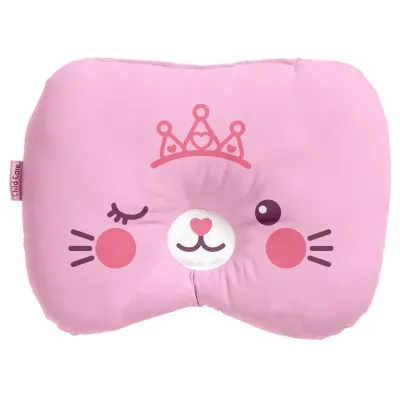
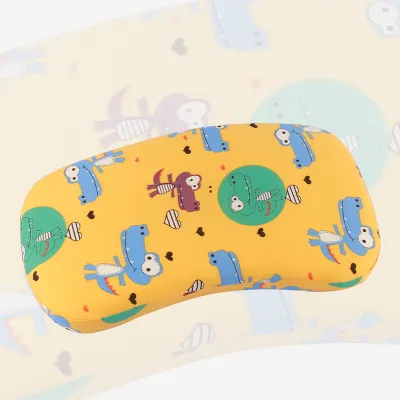
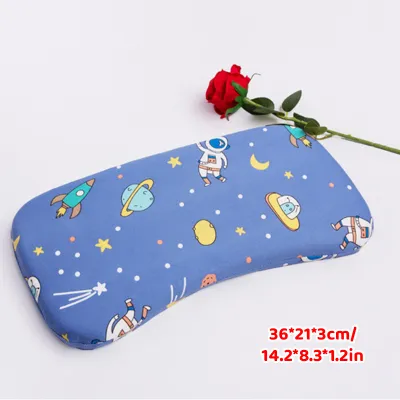
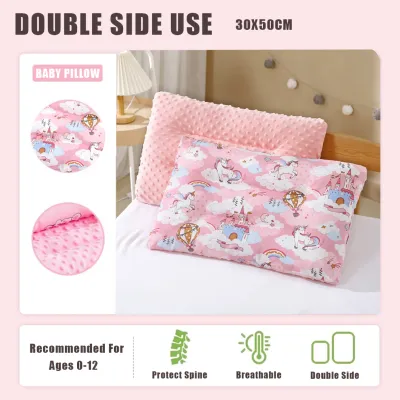
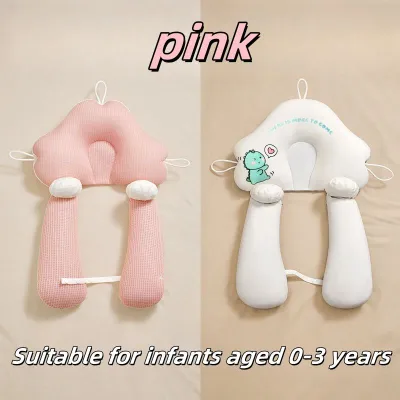
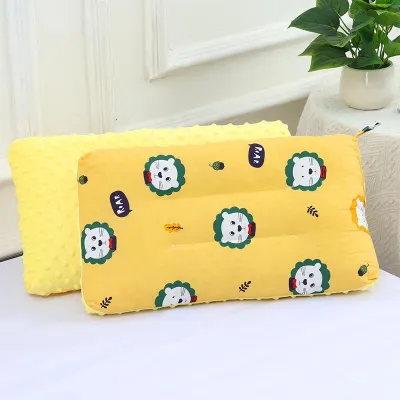
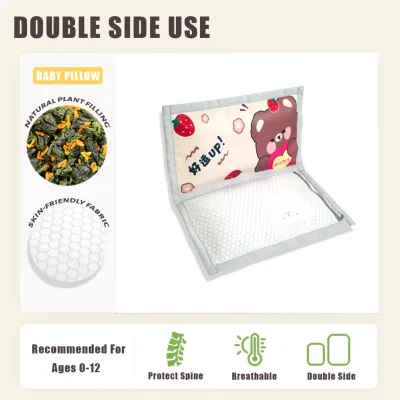
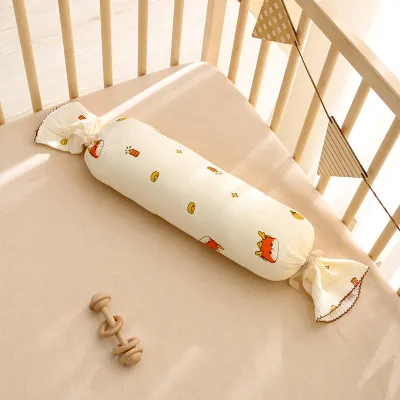
Prices are valid at publication and may change. Please refer to the product page for the latest price.
Another key factor is her physical proportions. As your toddler grows, her shoulders will naturally become wider than her head. When she lies on her side, this physical gap can cause her neck to tilt downward, which might lead to mild discomfort. However, if she still sleeps peacefully on her back or tummy without any signs of restlessness, there is no developmental need to rush the introduction of a pillow.
Potential Safety Risks of Using a Pillow Too Early
Introducing a pillow prematurely carries serious safety hazards that parents must carefully weigh. The most critical risk is suffocation or entrapment. If a pillow is too soft or too large, a sleeping toddler can easily roll over and bury her face in the material, blocking her nose and mouth. Even at one year old, a child may not always have the strength or coordination to extricate herself from a soft, conforming surface during deep sleep.

Loose items in the crib also contribute to the risk of Sudden Unexpected Infant Death (SUID). A pillow that shifts during the night can trap a child’s head against the crib slats or become wedged under her body, creating dangerous angles that can compromise her breathing. Keeping the sleep space as simple and clear as possible remains the best defense against sleep-related accidents.
In warm, tropical regions, overheating is another major concern. Standard pillows often trap body heat and moisture around the head and neck, especially during humid nights. This excess insulation can cause your baby girl to sweat heavily, leading to sleep disruptions and painful prickly heat rashes. Overheating is also closely linked to an increased risk of deep, hard-to-wake sleep states, which can be hazardous for young children.
Finally, using an improperly sized or overly thick pillow can negatively impact early spinal alignment. A toddler’s spine is relatively straight, and her neck muscles are still maturing. Propping her head up on a thick adult pillow forces her neck into an unnatural upward bend, which can strain her developing muscles and potentially restrict her narrow airway.
How to Choose a Safe Pillow for Your Toddler
If you have evaluated your toddler’s development and decided she is ready, selecting the right product is crucial. Look for pillows specifically designed for toddlers rather than standard adult pillows. A safe toddler pillow should be remarkably flat, typically measuring around 13 by 18 inches and no more than two to three centimeters in thickness to keep her neck in a neutral position.
Firmness is a non-negotiable safety feature. You can test this by pressing your hand firmly into the center of the pillow; it should spring back immediately without leaving a deep, lasting indentation. Avoid materials like down, feathers, or standard memory foam, which can conform too closely to her face and create a suffocation hazard. Instead, opt for breathable, firm materials such as organic cotton covers and hypoallergenic fillings that allow air to circulate freely.
Carefully inspect the pillow for potential choking and physical hazards before buying. Avoid any designs that feature buttons, zippers, decorative ribbons, or loose embroidery that could detach and find their way into a toddler’s mouth. A simple, envelope-style pillowcase with no exposed hardware is the safest option for a young child’s bed.
Always verify the manufacturer’s labels and packaging before making a purchase. Look for clear age grading that specifies the product is intended for toddlers over 12 or 18 months. Check for safety certifications regarding chemical emissions and flame retardants, and ensure the entire pillow is machine-washable so you can easily keep it free from sweat, dust mites, and drool.
Setting Up a Safe Sleep Environment with a Pillow
Integrating a pillow into your baby girl’s crib requires a minimalist approach to the rest of her bedding. The pillow should be the only loose item added to her sleep space. Keep the rest of the crib clear of heavy blankets, thick quilts, bumper pads, and large stuffed toys to minimize any risk of entrapment or restricted airflow.
Position the pillow flat at the head of the crib, ensuring it lies securely on top of the fitted sheet. It should not be propped up against the crib bars or layered on top of other blankets. The goal is to keep it in a stable position where it cannot easily slide over her face if she moves around during the night.
Monitor your baby girl closely during her first few naps with the new pillow. Observe her sleep posture and movement patterns. If you notice that she constantly slides off the pillow, tosses it to the side, or ends up sleeping at the opposite end of the crib, she may not be ready for it yet, and you should remove it for a few more weeks.
Given the warm climate, pay close attention to room temperature and ventilation when adding a pillow. If you use an electric fan, ensure it circulates the air gently without blowing directly on her face. If you use air conditioning, keep the room at a comfortable, stable temperature. Dress her in lightweight, breathable cotton sleepwear to offset the extra warmth that the pillow will naturally introduce.
When to Remove the Pillow and Consult a Pediatrician
Be prepared to remove the pillow immediately if you notice any signs of physical discomfort or sleep disruption. If your baby girl starts waking up more frequently, tossing and turning, or showing signs of neck stiffness in the morning, she may be better off sleeping flat on her mattress for a while longer.
Watch for signs of allergic reactions or skin sensitivities to the pillow materials. Because toddlers drool and sweat, pillows can quickly become breeding grounds for dust mites and mold. If she develops red patches, dry skin, or starts sneezing and rubbing her nose frequently after using the pillow, remove it and wash it thoroughly, or consider switching to a different hypoallergenic material.
Most importantly, monitor her breathing. If you notice any snoring, noisy breathing, or signs of airway obstruction while she is using the pillow, remove it from her crib immediately. Always consult your pediatrician during regular well-baby checkups to get personalized advice on sleep safety and to ensure your daughter’s physical development is on track.
Frequently Asked Questions (FAQ)
Can my 1-year-old use a standard adult pillow?
No, a standard adult pillow is highly unsafe for a one-year-old child. Adult pillows are far too thick and soft, which forces a toddler’s neck into an unnatural angle and creates a severe suffocation hazard if her face sinks into the material. Always use a firm, flat pillow specifically sized for toddlers.
What features should I look for on the product label?
When shopping at local baby boutiques or online marketplaces, check the label for an explicit age recommendation of 12 to 18 months or older. Look for hypoallergenic material certifications, clear washing instructions to maintain hygiene, and a guarantee that the product is free from small parts like buttons or zippers that pose choking risks.
How do I know if my baby actually needs a pillow yet?
Your baby does not actually need a pillow to sleep soundly; many toddlers sleep comfortably on a flat mattress for several years. She may be ready if she consistently props her head up on blankets or plush toys during the day, or if her shoulders have grown wide enough that her head tilts uncomfortably when she sleeps on her side.
Community discussion
Share your experience or ask a question. Comments are reviewed before publication.