
Returning to the workplace after maternity leave is a major milestone for many mothers in the Philippines. Balancing professional responsibilities with the physical demands of pumping milk and maintaining a consistent supply requires immense energy. During this transition, exposure to office pathogens, long daily commutes, and the sudden shift from humid outdoor air to cold, air-conditioned offices can leave your immune system feeling vulnerable.
To stay healthy, many working mothers consider taking daily supplements, with immunpro with zinc being a widely recognized option. However, when you are actively breastfeeding, everything you consume must be evaluated through the lens of infant safety. While maintaining your personal health is vital, ensuring that any supplement you take does not adversely affect your nursing baby is the absolute priority.
Determining whether a specific immune supplement is safe for your postpartum routine involves looking closely at its active ingredients, verifying the exact dosages, and consulting with your healthcare team. This guide outlines how to evaluate these components, manage your immune health naturally, and establish a safe routine as you transition back to work.
Products mentioned in this guide
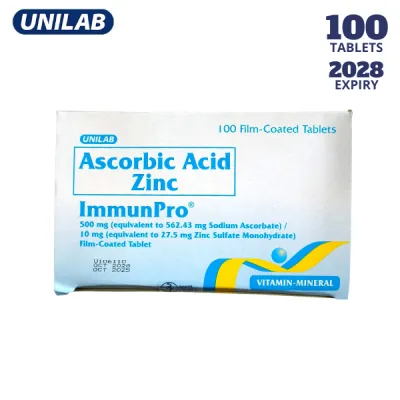
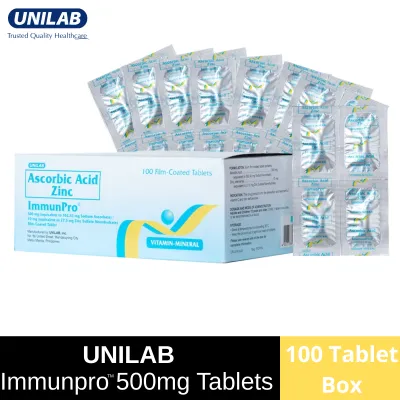
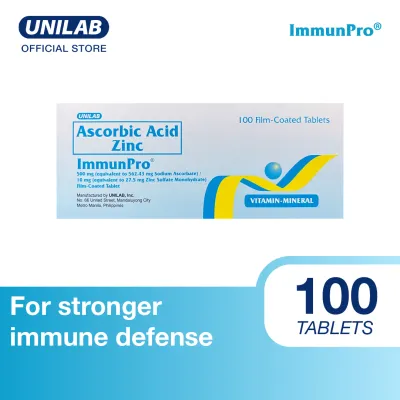
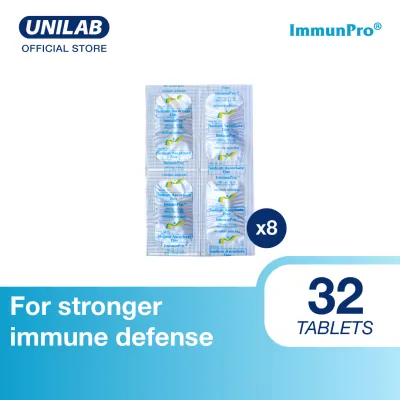
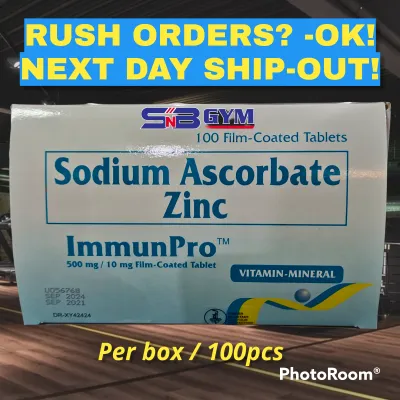
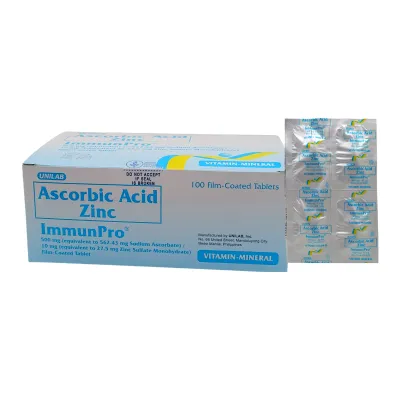
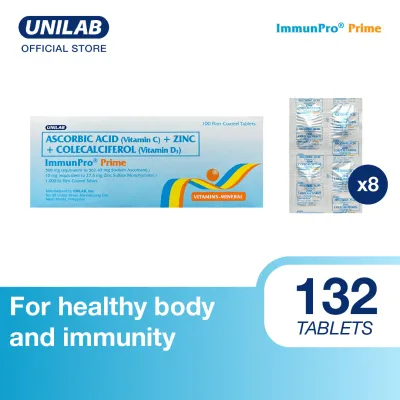

Prices are valid at publication and may change. Please refer to the product page for the latest price.
Is Immunpro with Zinc Safe While Breastfeeding?
Determining the safety of any specific branded supplement, including immunpro with zinc, requires verifying its exact ingredient list and dosages against established lactation safety guidelines. Commercial formulations can vary, and what is safe for a non-lactating adult may not be appropriate for a breastfeeding mother. You must examine the product packaging closely to identify every active and inactive ingredient before starting a daily regimen.
This article provides general educational information and a framework for evaluating dietary supplements during lactation. It does not constitute personalized medical advice, diagnosis, or a prescription. Because every postpartum recovery path and infant health profile is unique, these guidelines should serve as a starting point for discussion rather than a definitive self-prescription.
While zinc is an essential trace mineral that plays a critical role in postpartum recovery, tissue repair, and immune defense, the safety of any specific supplement depends heavily on its precise dosage. Concentrated doses can behave differently in the body than nutrients derived from whole foods. Additionally, some formulations contain inactive binders, preservatives, or herbal extracts that may not have been thoroughly evaluated for safety during lactation.
Before adding this or any new supplement to your daily routine, you should consult your OB-GYN, pediatrician, or a certified lactation consultant. Your healthcare providers can evaluate your current diet, assess your baby’s development, and determine if a supplement is necessary. They can also help you calculate your total daily intake of vitamins and minerals to prevent accidental over-supplementation.
Evaluating Zinc and Common Immune Ingredients During Lactation
Zinc is a vital trace mineral that supports cellular metabolism, wound healing, and immune function. For postpartum mothers, zinc is particularly valuable as the body recovers from childbirth and works continuously to produce breast milk. A small amount of zinc naturally passes into breast milk to support your infant’s rapid growth and immune development, making adequate maternal levels important.

When evaluating a supplement, it is essential to understand the distinction between the Recommended Dietary Allowance (RDA) and the Tolerable Upper Intake Level (UL). For lactating individuals, the RDA for zinc is generally slightly higher than for non-pregnant adults to account for the nutrients lost through breast milk. However, the UL represents the maximum daily intake unlikely to cause adverse health effects. You must check the supplement’s label to ensure that the dose, when combined with your daily prenatal vitamins and dietary intake, does not exceed these safe upper limits.
Many immune supplements combine zinc with other active ingredients, most commonly Vitamin C (often in the form of sodium ascorbate or ascorbic acid). While standard vitamins are generally safe and highly beneficial during lactation when taken at recommended doses, high-dose formulations or “mega-doses” require careful medical clearance. Furthermore, some immune products contain proprietary herbal blends, elderberry, or other botanicals. Many of these herbal ingredients lack robust clinical safety data regarding their transfer into breast milk and their effects on developing infants, making plain, single-nutrient supplements a more predictable choice.
To ensure safety and quality, always verify that any supplement you purchase is registered with local health authorities, such as the Food and Drug Administration of the Philippines. Look for official registration numbers on the packaging and check for third-party quality seals. This step helps confirm that the product actually contains the ingredients listed on the label and is free from harmful contaminants, heavy metals, or undeclared substances.
Managing Immune Health When Returning to Work Postpartum
Transitioning back to the workplace while maintaining a breastfeeding or pumping schedule introduces unique physical and mental stressors. Sleep deprivation from nighttime feedings, combined with the cognitive load of resuming professional duties, can naturally suppress your immune resilience. Additionally, navigating crowded public transportation or spending long hours in shared office spaces increases your exposure to common respiratory viruses.
To support your immune system naturally without relying solely on concentrated supplements, focus on foundational, low-risk lifestyle pillars. Adequate hydration is paramount; drinking plenty of clean water throughout the day supports both your immune system’s mucosal barriers and your milk volume. Prioritize balanced nutrition by incorporating local, nutrient-dense foods into your meals, and seek practical ways to optimize your rest, such as taking short naps during your lunch break or sleeping in shifts with your partner.
Practicing strict hygiene in the workplace is another highly effective, non-chemical way to protect your health. Ensure you wash your hands thoroughly with soap and water before and after using breast pumps or handling milk storage bags. Clean and sanitize your pumping equipment after each use according to the manufacturer’s instructions, and try to secure a clean, private space in your office dedicated to lactation. Setting polite boundaries, such as maintaining physical distance from colleagues who show visible signs of cold or flu, can also significantly reduce your risk of infection.
It is important to remember that dietary supplements are designed to supplement a healthy baseline, not replace it. No pill can compensate for severe calorie restriction, chronic dehydration, or extreme exhaustion. Prioritizing your basic physical needs—such as eating regular, balanced meals and securing as much restorative sleep as possible—remains the most effective way to build a strong immune foundation during your postpartum transition.
Precautions, Side Effects, and When to Consult Your Doctor
Even standard, high-quality supplements can cause side effects, particularly when introduced to a postpartum body that is still recovering and adjusting hormonally. Zinc supplements are known to cause mild gastrointestinal side effects in some individuals. These can include nausea, a metallic taste in the mouth, mild stomach cramps, or indigestion. If your doctor has approved the supplement, taking it alongside a balanced meal rather than on an empty stomach can often help mitigate these minor digestive issues.
As a nursing mother, you must remain highly vigilant and monitor your own physical reactions closely. Red-flag symptoms that indicate you should stop taking the supplement immediately include severe vomiting, persistent abdominal pain, chronic diarrhea, or any signs of an allergic reaction, such as hives, itching, swelling, or difficulty breathing. If you experience any of these symptoms, discontinue use right away and seek medical evaluation rather than attempting to lower the dose on your own.
Because substances you ingest can pass into your breast milk, you must also monitor your breastfed infant for any unusual changes. Watch for signs of digestive discomfort, such as sudden colic, unusual fussiness, watery stools, or a sudden change in their regular feeding patterns. If you observe any of these signs in your baby after starting a new supplement, stop taking it immediately and contact your pediatrician to rule out any adverse reactions.
If you or your baby experience any adverse symptoms, do not attempt to self-diagnose or adjust the dosage independently. Always consult a qualified healthcare professional to determine the underlying cause of the reaction. Your doctor can help you decide whether it is safe to resume the supplement at a lower dose, switch to a different formulation, or focus entirely on dietary sources to meet your nutritional needs.
Frequently Asked Questions (FAQ)
Can taking extra zinc increase breast milk supply?
While zinc is a crucial nutrient for maternal cellular repair, tissue healing, and overall metabolic health, there is no established clinical evidence showing that taking extra zinc directly acts as a galactagogue to boost breast milk volume. If you are looking to increase or maintain your milk supply as you return to work, you should focus on proven, physiological methods. These include frequent direct nursing, maintaining a consistent pumping schedule to ensure regular breast emptying, staying exceptionally well-hydrated, and consuming sufficient daily calories to support lactation.
What are the best natural food sources of zinc for nursing mothers?
Obtaining nutrients through a balanced diet is highly recommended during lactation, as whole foods provide a complex matrix of vitamins and minerals that are easily absorbed by the body. Excellent, accessible sources of zinc that you can easily incorporate into your daily meals include lean beef, pork, and poultry. Plant-based options such as beans, lentils, pumpkin seeds, sesame seeds, and fortified whole-grain cereals are also highly beneficial. For those living in coastal areas of the Philippines, local seafood like mussels (tahong) can be an excellent source of dietary zinc, provided they are sourced safely and cooked thoroughly. Dietary sources of zinc are generally very safe and carry almost no risk of accidental overdose or severe stomach upset compared to concentrated supplement pills.

Community discussion
Share your experience or ask a question. Comments are reviewed before publication.