
Ensuring your toddler receives the right nutrients is a primary concern for any parent, especially during rapid growth phases. When considering a popular dietary supplement like Hi Kidz, safety must always be your first priority. Whether this supplement is safe for your toddler depends entirely on verifying the manufacturer’s specific age guidelines, choosing the correct formulation, and strictly adhering to recommended dosages.
Because toddlers have developing digestive systems and metabolic organs, they process vitamins and minerals differently than older children or adults. Before introducing any new supplement to your child’s daily routine, you must carefully evaluate the product packaging, understand how to measure doses accurately, and consult a healthcare professional to ensure it aligns with your child’s specific nutritional needs.
Understanding Hi Kidz Age Recommendations
To determine if a supplement is appropriate for your toddler, you must first locate and verify the age recommendations printed on the product packaging. Manufacturers design different formulations to match the physiological capabilities of specific age groups. Administering a product to a child who falls below the recommended minimum age can lead to health complications, as their bodies may not be ready to process the concentrated nutrients.
Products mentioned in this guide
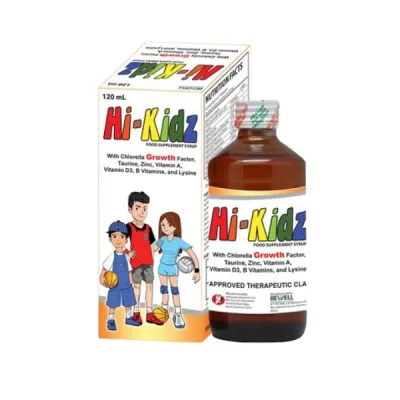
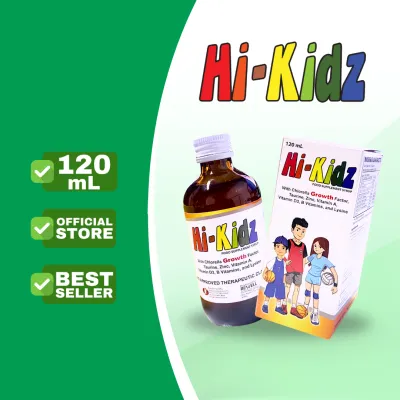
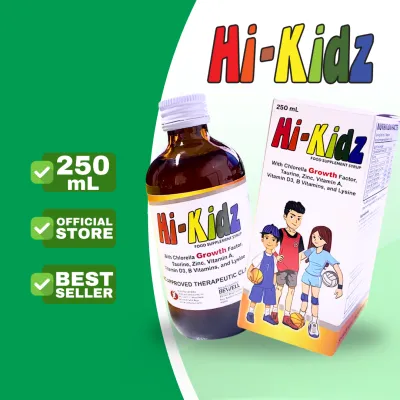
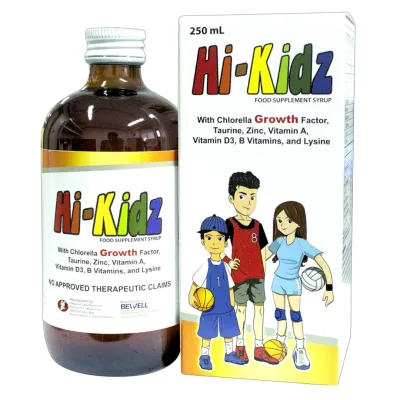
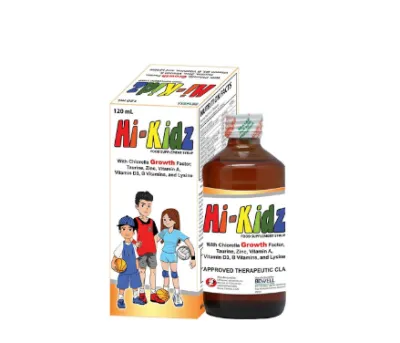


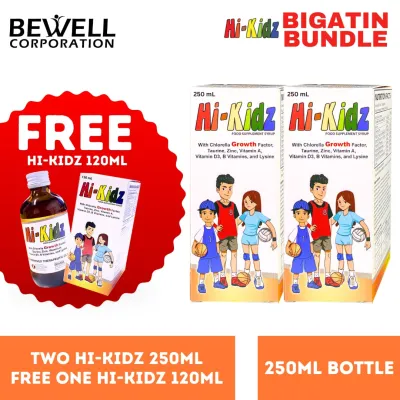
Prices are valid at publication and may change. Please refer to the product page for the latest price.
Formulations generally fall into distinct categories, such as drops, liquid syrups, and chewable options like gummies or tablets. Drops are typically formulated with lower concentrations suitable for infants, while syrups are often designed for older toddlers and young children. Chewable formulations and gummies carry an inherent choking hazard and are strictly reserved for older children who have fully developed the ability to grind and swallow solid foods safely.
Never assume that a supplement is safe for your toddler simply because it is marketed for children. If a product label specifies that it is intended for children aged two and older, you must not administer it to a fifteen-month-old infant. Always check the packaging for explicit developmental stage indications and age limits before making a purchase.
In addition to age, a child’s physical development plays a crucial role in how they tolerate supplements. Even if your toddler is physically large for their age, their internal organs, particularly their kidneys and liver, mature at a standardized biological rate. Adhering strictly to the manufacturer’s age boundaries prevents straining these vital organs with nutrient levels they are not yet equipped to filter.
How to Determine the Correct Dosage for Your Child
Once you have verified that the product is age-appropriate for your toddler, the next step is determining and measuring the exact dosage. The manufacturer’s packaging features a detailed dosage chart, which is typically organized by age brackets or body weight. Because children of the same age can vary significantly in size, weight-based dosing is often the most accurate method to follow when provided.

To ensure safety, you must use only the dedicated measuring tool included in the product packaging, such as a calibrated dosing syringe, dropper, or medicine cup. Never use standard household kitchen spoons to measure liquid supplements. Kitchen spoons vary widely in shape and volume, which can easily lead to accidental under-dosing or dangerous over-dosing.
When measuring a liquid dose, place the medicine cup on a flat, level surface and read the measurement at eye level. If you are using a dosing syringe, draw the liquid slowly to prevent air bubbles from forming, as bubbles can displace the liquid and result in an inaccurate, lower dose. Clean the measuring tool thoroughly with warm water after each use to prevent bacterial growth, especially in warm, humid climates.
Exceeding the recommended daily intake of vitamins and minerals poses serious health risks. While water-soluble vitamins are generally excreted in urine when taken in excess, fat-soluble vitamins (such as Vitamins A and D) accumulate in the body’s tissues and can lead to toxicity over time. Carefully calculate the dose and never offer extra servings as a reward or treat.
Safety Precautions and When to Consult a Pediatrician
Before introducing any dietary supplement, you must conduct a thorough safety check. Start by reviewing the complete ingredient list on the back of the carton. Look for potential allergens, artificial food dyes, preservatives, or sweeteners that might trigger an allergic reaction or digestive sensitivity in your toddler.
If your child has any underlying health conditions, such as kidney issues, metabolic disorders, or a compromised immune system, you must consult a pediatrician before administering any supplement. Similarly, if your toddler is currently taking any prescription medications, a professional medical evaluation is necessary to rule out potential drug-nutrient interactions that could compromise the medication’s efficacy or cause adverse side effects.
Parents must establish clear stop-use conditions. Discontinue the supplement immediately and seek medical attention if your child exhibits signs of an allergic reaction, such as hives, skin rashes, swelling of the face or tongue, or difficulty breathing. Persistent vomiting, diarrhea, or unusual changes in behavior after starting the supplement are also clear indicators that you should stop use and consult a doctor.
Ultimately, a pediatrician is your best resource for determining whether your child actually requires a multivitamin. A professional can assess your toddler’s growth chart, evaluate their dietary intake, and perform diagnostic tests if a deficiency is suspected. This ensures that you are only supplementing what your child truly needs, avoiding unnecessary exposure to concentrated nutrients.
Signs of Vitamin Over-Supplementation to Watch For
Over-supplementation can occur gradually if a child receives slightly too much vitamin intake over several weeks, or acutely if they accidentally ingest a large amount at once. Parents must remain vigilant and monitor their toddlers for non-specific physical signals. Early signs of excessive vitamin intake often manifest as digestive discomfort, including nausea, frequent stomach aches, constipation, or a sudden loss of appetite.
Another critical factor is the risk of overlapping ingredients. If your toddler is concurrently taking multiple supplements—such as a general multivitamin alongside a separate zinc or Vitamin C syrup—or if they consume a diet heavy in highly fortified commercial foods, they may be receiving double the recommended daily allowance of certain nutrients. Always calculate the cumulative intake of vitamins from all sources to prevent accidental toxicity.
Proper storage is a vital component of supplement safety. Pediatric vitamins are often formulated with sweet, appealing flavors to make them palatable to young children. Consequently, toddlers may mistake them for candy or juice and attempt to consume them in large quantities if left within reach.
In tropical environments where high humidity and warm temperatures are common, supplements can degrade, melt, or spoil quickly. Store all vitamin bottles tightly sealed in a cool, dry place, well out of your child’s sight and reach, preferably in a locked cabinet. Avoid storing supplements in areas prone to moisture, such as bathroom cabinets or near kitchen appliances, to maintain product integrity and prevent accidental ingestion.
Frequently Asked Questions (FAQ)
Can I give Hi Kidz to my baby under 1 year old?
No, you should not give standard Hi Kidz formulations to a baby under one year old unless a specific product is explicitly labeled for infants and you have received direct authorization from your pediatrician. Infant nutritional requirements are highly specialized, and their developing kidneys and digestive systems cannot safely process the nutrient concentrations found in toddler or children’s formulations. Always verify the minimum age requirement on the product packaging before use.
What should I do if my child accidentally takes a double dose?
If your child accidentally consumes a double dose, remain calm and do not attempt to induce vomiting, as this can cause further complications. Check the product label to identify the active ingredients and the exact amount consumed, then immediately contact your pediatrician or a local medical hotline for guidance. Monitor your child closely for immediate symptoms such as abdominal pain, vomiting, or extreme lethargy, and seek emergency medical care if any severe reactions occur.
Do toddlers need daily vitamins if they eat a balanced diet?
Generally, toddlers who consume a diverse, balanced diet rich in whole grains, fruits, vegetables, proteins, and dairy do not require daily vitamin supplements. Their natural food intake typically provides all the essential vitamins and minerals necessary for healthy growth and development. Supplementation is usually recommended only for children with selective eating habits, documented nutrient deficiencies, or specific medical conditions that impair nutrient absorption, which should always be diagnosed by a qualified pediatrician.
Community discussion
Share your experience or ask a question. Comments are reviewed before publication.