
Newborn skin is incredibly delicate, and choosing the right skincare product requires careful evaluation. If you are considering Heger baby cream for your newborn, the most reliable way to determine its safety is to actively inspect the physical product packaging, read the complete ingredient list, and verify the manufacturer’s age recommendations. Because formulations can change and different product lines may target different age groups, parents must not assume suitability based on a brand name alone.
In tropical climates like the Philippines, where high humidity and heat can trigger sweat rashes or exacerbate skin sensitivity, selecting a compatible cream becomes even more critical. This guide outlines how to systematically evaluate baby skincare ingredients, perform a safe patch test, and identify when to seek professional medical advice.
Understanding Newborn Skin Needs and Safety Standards
Newborn skin is fundamentally different from adult skin. During the first few months of life, a baby’s skin barrier is still developing, making it significantly thinner, more fragile, and highly susceptible to external irritants. This structural difference means that a newborn’s skin has a much higher absorption rate, allowing topical substances to penetrate deeper and enter the system more easily. Consequently, ingredients that are perfectly safe for older children or adults can cause adverse reactions, dryness, or systemic irritation in a newborn.
Products mentioned in this guide
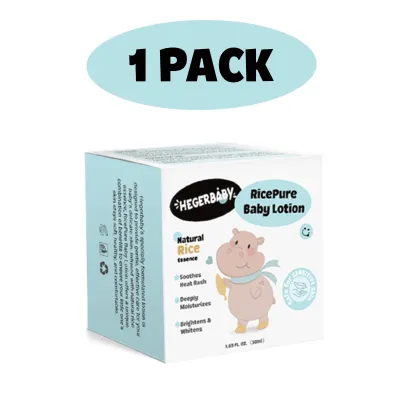
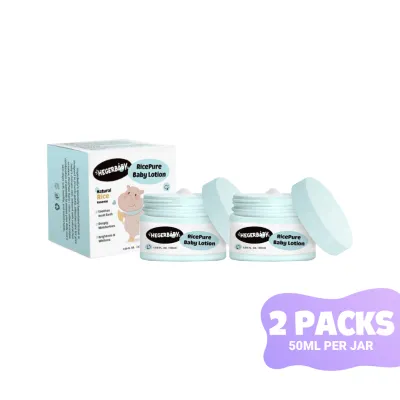
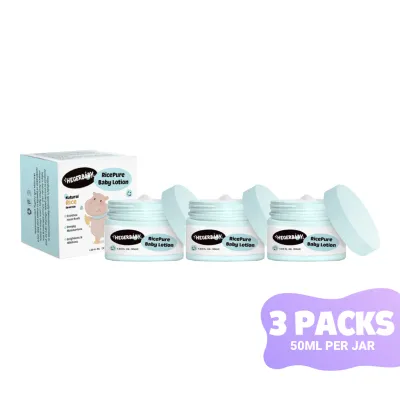
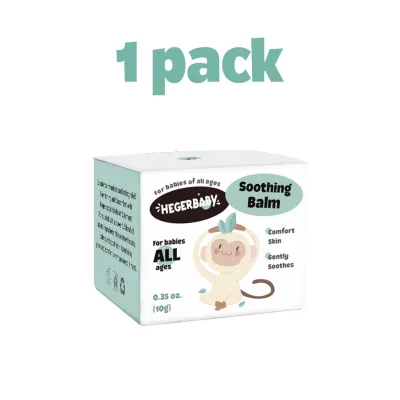
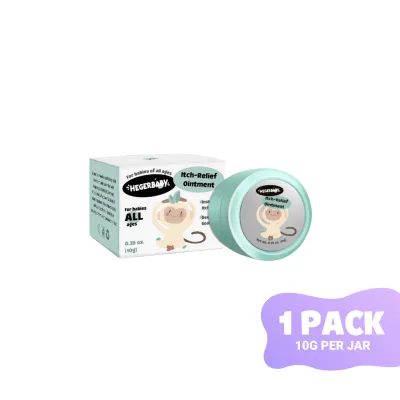
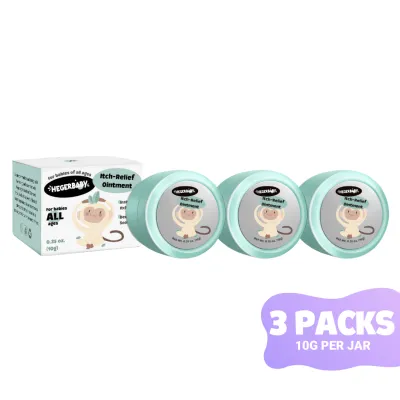
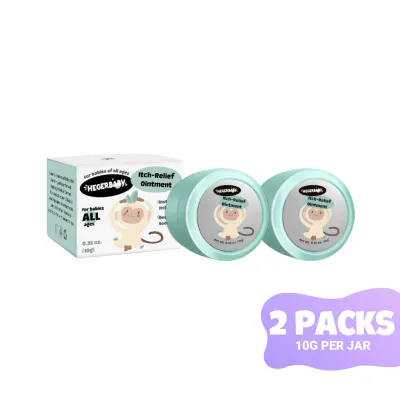
Prices are valid at publication and may change. Please refer to the product page for the latest price.
When evaluating any skincare product for a newborn, pediatric guidelines generally recommend avoiding several common ingredient categories. Artificial fragrances are among the leading causes of cosmetic contact dermatitis and should be avoided entirely in newborn skincare. Similarly, harsh synthetic preservatives, such as parabens or formaldehyde-releasing agents, can irritate the delicate skin barrier. Even natural ingredients, such as certain essential oils (like lavender or tea tree oil), can be highly sensitizing for a newborn and are not recommended for use during the first few weeks of life.
Before purchasing or applying any cream, parents must carefully check the manufacturer’s packaging for specific age suitability labels. Look for explicit terms such as “suitable for newborns” or “pediatrician-tested,” but remember that these labels do not replace a thorough ingredient check. Always verify if the product documentation outlines specific weight ranges, developmental stages, or usage restrictions, as some formulations are only intended for babies over a certain age.
How to Read and Evaluate the Ingredient List
To truly understand what you are applying to your baby’s skin, you must locate and read the full ingredient list. This list is typically printed on the back of the physical product packaging or the outer cardboard box. If you are purchasing online through an ecommerce platform, do not rely solely on the product description or promotional images; instead, cross-reference the details with the brand’s official website or request a clear photo of the physical label from the seller.

When reading the ingredient list, it is helpful to understand that ingredients are listed in descending order of concentration. The first few ingredients make up the bulk of the cream. For a gentle baby cream, you want to see safe, mild emollients and humectants near the top of the list. Ingredients like glycerin, petrolatum, or high-quality plant-based lipids (such as shea butter or sunflower seed oil) are commonly used to help lock in moisture and support the skin barrier. Conversely, look out for denatured alcohol, which can dry out newborn skin, and sulfates, which can strip away natural oils.
Once you have identified the ingredients, cross-reference them with established pediatric skincare guidelines. Many reputable pediatric associations publish lists of ingredients to avoid in infant care. If you spot any unfamiliar chemical names, take the time to research their specific function and safety profile. While comparing prices in ₱ on local online marketplaces can help you find a budget-friendly option, safety and ingredient compatibility must always remain your top priority. Remember that certifications, organic claims, and safety standards are dynamic; a product that was certified safe in the past may have updated its formulation, making continuous verification of the physical label an essential step for every new bottle or tube you buy.
Essential Safety Checks and Patch Testing Before Use
Even if an ingredient list appears completely safe, you must perform several physical and practical checks before applying the cream to your baby. First, inspect the packaging to ensure the safety seal is fully intact and has not been tampered with. Check the expiration date clearly printed on the crimp of the tube or the bottom of the container. Using expired skincare products can expose your baby to degraded ingredients or bacterial growth, which can cause severe skin infections.
Before integrating any new cream into your newborn’s daily routine, conducting a localized patch test is a vital safety measure. To perform a patch test, select a small, discreet area of your baby’s skin, such as the inside of the elbow or the side of the neck. Apply a tiny, pea-sized amount of the cream to this area and gently pat it in. Do not apply any other products to this specific spot during the testing period to ensure clear and accurate results.
Observe the test area closely for at least 24 to 48 hours. During this observation period, monitor the skin for any signs of an adverse reaction, such as redness, swelling, tiny bumps, itching, or dryness. If the skin remains clear and healthy, the cream is generally considered safe for wider application. However, if you notice even mild irritation, wash the area immediately and discontinue use of the product completely.
When to Stop Use and Consult a Pediatrician
While daily moisturizing can help maintain a healthy skin barrier, skincare products are intended solely for cosmetic maintenance and should never replace professional medical care. If your baby has a known history of infantile eczema, severe allergies, or any underlying skin conditions, you must consult a pediatrician before introducing any new cream, including Heger baby cream. A specialist can provide tailored recommendations based on your baby’s specific skin profile.
If your baby experiences an adverse reaction after application, immediate and low-risk first-aid steps are essential. Stop using the cream immediately. Gently cleanse the affected area with lukewarm water to remove any remaining product residue, and pat the skin dry with a clean, soft towel. Do not apply adult anti-itch creams, over-the-counter hydrocortisone, or unverified home remedies to the irritated skin, as these can worsen the reaction or absorb too quickly into the newborn’s bloodstream.
Keep a close eye on the rash or redness. If the irritation does not subside within a day, or if it spreads, blisters, oozes, or is accompanied by a fever, seek immediate medical attention. Skincare products cannot cure underlying dermatological infections or severe allergic reactions, and a qualified pediatrician must diagnose the condition to prescribe safe, medicated treatments.
Frequently Asked Questions (FAQ)
Can I use Heger baby cream on a premature baby?
Premature babies have an exceptionally fragile, thin, and underdeveloped skin barrier that is far more vulnerable than that of a full-term newborn. Their skin absorbs topical substances at an even higher rate, and their immune systems are still maturing, making them highly susceptible to infections and chemical irritation. Because of these unique physiological vulnerabilities, you should strictly follow the specific skincare protocols provided by your neonatal intensive care unit (NICU) or your pediatrician. Never apply any over-the-counter cream, lotion, or oil to a premature baby without receiving explicit medical approval and guidance from a qualified healthcare professional.
What should I do if my baby develops a rash after using the cream?
If your baby develops a rash after application, the first step is to immediately stop using the product to prevent further exposure. Gently wash the affected area with lukewarm water to remove any leftover cream, ensuring you do not scrub or rub the irritated skin. Avoid applying other active treatments, adult lotions, or traditional home remedies, as these can complicate the reaction. Take a clear, well-lit photograph of the rash to document its appearance, and consult a pediatrician. Showing the doctor the photograph alongside the physical product packaging and its ingredient list will help them make an accurate diagnosis and recommend a safe, gentle alternative.

Community discussion
Share your experience or ask a question. Comments are reviewed before publication.