
Whether you can use happy noz products safely on your baby depends entirely on the specific product line, its active ingredients, and your child’s exact age. There is no single blanket approval for the entire brand portfolio. While some products are designed as wearable patches, others may come in topical forms, and each carries its own set of guidelines. Before introducing any new product to your child’s routine, you must verify the exact variant you are holding and cross-reference its label with standard pediatric safety limits.
Medical consensus advises against applying any topical chemical or essential oil-based repellents directly to the skin of newborns under two months of age. For infants in this delicate developmental stage, physical barriers remain the safest and most effective defense against insects. As your child grows, your options expand, but safety still requires careful inspection of product labels and strict adherence to application protocols.
To keep your baby safe, always cross-reference the manufacturer’s packaging instructions with standard pediatric age guidelines. Never assume a product is safe for a newborn simply because the packaging features baby-themed imagery or natural branding. Taking a systematic approach to evaluating ingredients and application methods is the best way to protect your baby from both insect bites and potential product adverse reactions.
Products mentioned in this guide
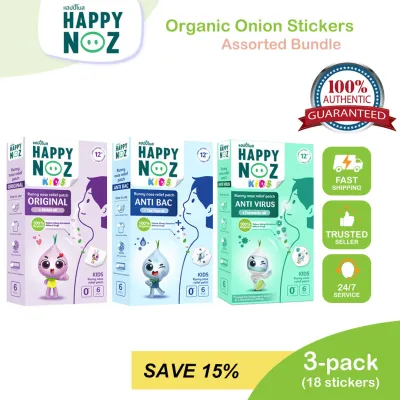
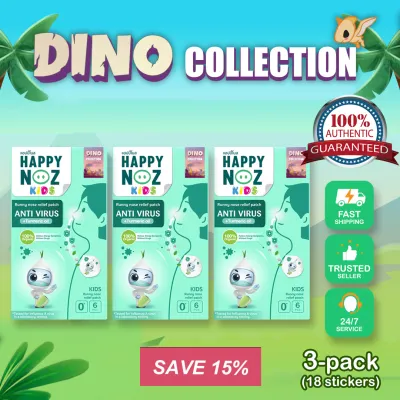
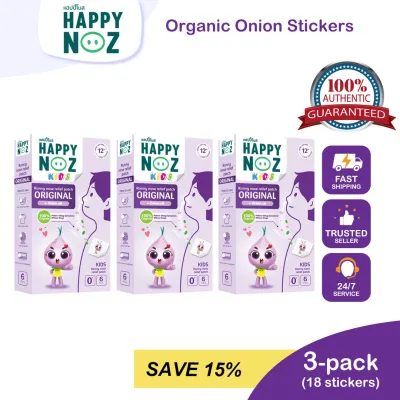
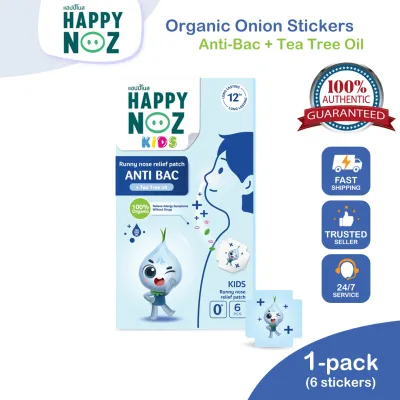
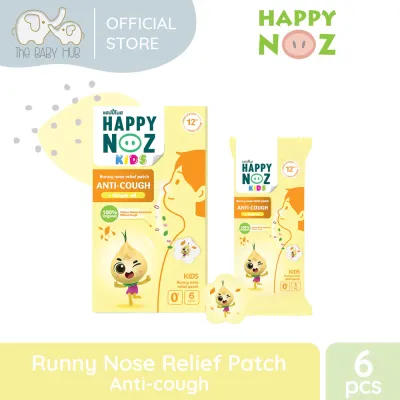
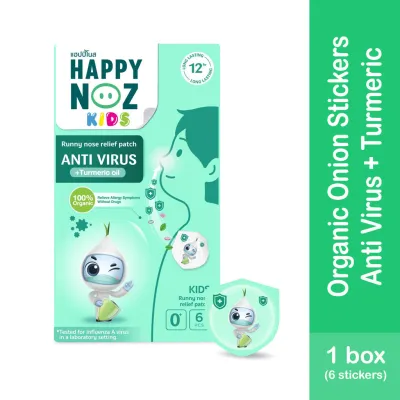
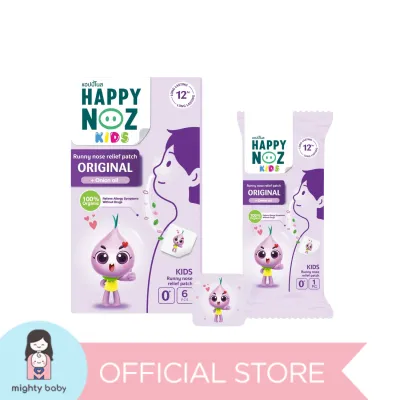
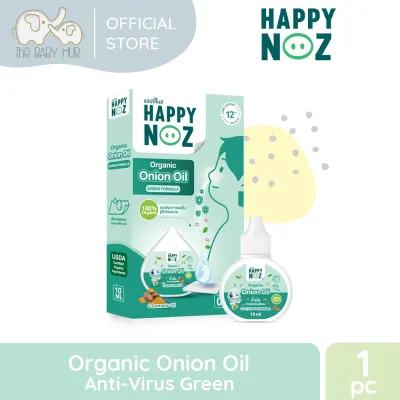
Prices are valid at publication and may change. Please refer to the product page for the latest price.
How to Check Happy Noz Ingredients for Baby Safety
Evaluating the safety of any happy noz product begins with a close examination of its ingredient list. Parents should never rely solely on front-of-pack marketing claims like “all-natural” or “baby-friendly.” Instead, turn the packaging over to locate the official active ingredients panel to understand exactly what will be interacting with your child’s environment.
Plant-Based Essential Oils vs. Synthetic Repellents
Many natural repellent variants rely on plant-based essential oils, such as citronella, eucalyptus, lemongrass, lavender, or onion oil. While these plant extracts are often perceived as inherently safe, they contain concentrated volatile organic compounds that can trigger skin sensitization or respiratory irritation in young infants. For example, oil of lemon eucalyptus (OLE) is a common natural repellent ingredient, but pediatric health organizations generally recommend avoiding its use on children under three years of age due to a lack of safety data for this younger demographic.
Synthetic repellent ingredients, such as DEET or Picaridin, are sometimes found in clinical or heavy-duty insect protection lines. These synthetic compounds have been extensively studied by global health authorities and are highly effective at preventing insect bites. However, their safety for infants depends strictly on concentration thresholds and age limits. For instance, DEET concentrations used on infants over two months of age should generally not exceed 10% to 30%, depending on local pediatric guidelines.
Ultimately, marketing terms cannot replace the objective data found on the ingredient list. When choosing a product, look for clear disclosures of every active ingredient and its concentration. If a product does not clearly state its active ingredients, it is best to choose an alternative that provides full transparency.
Reading the Age Limit and Warnings on the Packaging
To find the age restrictions on your product, look closely at the back or side panels of the box or bottle. Manufacturers typically print age warnings in small text near the directions for use, using phrases such as “Do not use on children under 6 months” or “Safe for toddlers 2 years and older.” These limits are established based on the concentration of active ingredients and the developmental maturity of a child’s skin and respiratory system.
In addition to age limits, you must check for warnings regarding broken skin, eye contact, and accidental ingestion. Because babies frequently put their hands and toys into their mouths, any product applied to their surroundings or clothing must be evaluated for ingestion risks. If a product is designed as a patch, ensure the adhesive is strong enough that a baby cannot easily peel it off and swallow it.
Never use a product if the packaging is damaged, faded, or missing its safety labels. If you cannot read the age limits, active ingredients, or manufacturer warnings clearly, discard the product or return it to the retailer. Protecting your baby requires complete clarity on how, when, and where the product can be safely used.
General Age Guidelines for Mosquito Repellents
To help you navigate the landscape of insect protection, pediatric health organizations establish clear age-based baselines. These guidelines apply to all insect repellents and should be used to evaluate any product you consider for your baby.

- Under 2 Months: Avoid all topical mosquito repellents on newborns, whether they are synthetic or natural. A newborn's skin is highly permeable, and their metabolic systems are still developing, making them vulnerable to systemic absorption of active ingredients. Instead, protect newborns using physical barriers such as fine-mesh mosquito nets (often referred to as kulambo locally), long-sleeved clothing made of breathable cotton, and stroller covers when outdoors.
- 2 to 6 Months: During this stage, you may cautiously introduce specific, low-concentration synthetic repellents (such as Picaridin or low-concentration DEET) if recommended by your pediatrician. However, many essential oil-based products still advise waiting until the baby is at least six months or older, as strong botanical scents can easily irritate an infant's sensitive airways.
- 6 Months and Older: Infants in this age bracket can generally tolerate a broader range of pediatric-approved repellents, provided they are applied correctly. Always check that the active ingredient concentrations remain within safe pediatric limits and that the application is limited to exposed skin or clothing, depending on the product type.
- Toddlers and Older Children: As children become more active, the rules for application shift to accommodate increased movement and outdoor play. However, adult supervision remains absolutely critical during application to prevent children from accidentally spraying or rubbing the product into their eyes, mouth, or open wounds.
Always remember that these general pediatric recommendations serve as a baseline. If a specific product label mandates a higher age limit than the general guidelines, you must follow the manufacturer’s more conservative label instructions to ensure your child’s safety.
Safe Application and Precaution Steps for Parents
In a tropical, humid climate like the Philippines, managing insect protection requires extra care. High humidity and heat lead to frequent sweating, which can wash away repellents or cause them to run into sensitive areas like the eyes.
- The "Adult Hand" Method: Never spray or apply repellent directly onto a baby's face or body. Instead, dispense a small amount of the product onto your own hands first, rub your palms together, and then gently pat or rub the product onto the baby's exposed skin. This method gives you precise control over where the product goes and prevents accidental inhalation of sprays.
- Areas to Avoid: Do not apply repellent to your baby's hands, as infants constantly place their fingers in their mouths and eyes. Avoid the eye area, mouth, ears, and any skin that is irritated, sunburned, scraped, or affected by diaper rash. Applying active ingredients to compromised skin increases the rate of absorption and the risk of localized irritation.
- Clothing vs. Skin: Whenever possible, apply repellents to your baby's clothing rather than directly to their skin to minimize systemic absorption. If you are using wearable patches, secure them to the back of the baby's clothing, on the stroller canopy, or on the headboard of the crib where the baby cannot reach, peel, or chew on them. Never stick adhesive patches directly onto a baby's skin, as the adhesive can cause physical irritation or tearing upon removal.
- Climate Considerations: In hot and humid conditions, babies sweat frequently, which can reduce the effective duration of some repellents. While you may need to reapply the product, you must never exceed the maximum daily application limits specified on the packaging. Instead of over-applying, use a damp cloth to wipe away sweat, and rely on physical shade and mosquito netting to supplement protection.
- Washing Off: Once your baby is back indoors and no longer requires protection, wash the treated skin thoroughly with mild baby soap and warm water. This step removes residual active ingredients from the skin, preventing prolonged exposure and reducing the likelihood of developing contact dermatitis or skin dryness.
Recognizing Side Effects and When to Stop Use
Even when you follow all application instructions perfectly, a baby’s highly sensitive system can occasionally experience an adverse reaction. Recognizing the early signs of irritation allows you to take swift action to protect your child.
- Mild Adverse Reactions: Watch for localized redness, small bumps or hives, itching, or mild swelling at the application site or beneath a patch. If you notice your baby scratching, rubbing, or showing signs of discomfort after application, these are indicators of localized skin sensitivity.
- Severe Signs: Seek immediate medical attention if your baby displays signs of a systemic allergic reaction or accidental ingestion. These signs include difficulty breathing, wheezing, swelling of the face, lips, or tongue, persistent vomiting, or sudden, extreme lethargy.
- Immediate Low-Risk Actions: If you observe mild skin irritation, immediately wash the affected area with mild soap and cool water to remove all traces of the product. Stop using the product entirely and monitor the skin closely to ensure the redness or irritation subsides.
- Seeking Medical Help: If you need to visit a clinic or hospital due to a reaction, always bring the exact packaging of the product with you. This allows the attending pediatrician or medical professional to identify the specific active ingredients, concentrations, and potential allergens quickly.
If your baby has a known history of eczema, extremely sensitive skin, or diagnosed allergies, consult your pediatrician before introducing any new insect repellent or wearable patch. A professional medical evaluation can help you identify safe, customized alternatives to keep your baby protected during peak mosquito seasons.
Frequently Asked Questions (FAQ)
Can I use Happy Noz patches on a newborn's clothing or stroller?
While wearable patches avoid direct skin contact, they work by releasing concentrated volatile essential oils into the immediate air space. In newborns under two months of age, these strong aromatic vapors can easily irritate sensitive airways and trigger respiratory discomfort. If you choose to use patches on a stroller or clothing for an older infant, always place them completely out of the child’s reach to eliminate choking and ingestion hazards.
How often should I reapply mosquito repellent on my baby?
The frequency of reapplication depends entirely on the active ingredients, their concentration, and the specific instructions printed on the product label. Never reapply repellent more frequently than the manufacturer recommends, as over-application does not increase efficacy but does elevate the risk of skin irritation and systemic absorption. If your baby is sweating heavily, supplement their protection with physical barriers rather than applying more chemical or oil-based products.
Community discussion
Share your experience or ask a question. Comments are reviewed before publication.