
Keeping young children safe and healthy is a full-time job for parents, especially when managing everyday germs. In warm, tropical environments where children spend plenty of time playing outdoors, exploring their surroundings, and sharing toys, hand hygiene is a constant priority. While hand sanitizer is a highly convenient tool for quick cleanups on the go, many parents wonder if these alcohol-based formulas are safe for delicate young skin and developing systems.
The short answer is that hand sanitizer can be used safely on children, but only under strict adult supervision, within specific age limits, and when proper application methods are followed. It is not a universal replacement for traditional handwashing, and its chemical composition requires careful handling. Understanding the developmental milestones of your child, the potential risks of accidental exposure, and the correct first-aid measures is essential for maintaining a safe household.
Age Guidelines: When Can Children Use Hand Sanitizer?
Determining when to introduce hand sanitizer into your child’s hygiene routine begins with a careful reading of the product label. Manufacturers design these products with specific chemical concentrations, and their packaging almost always includes age-specific warnings. Most standard hand sanitizers explicitly state that they should be kept out of reach of children, and many recommend consulting a pediatrician before use on very young children, particularly those under the age of two.
Products mentioned in this guide
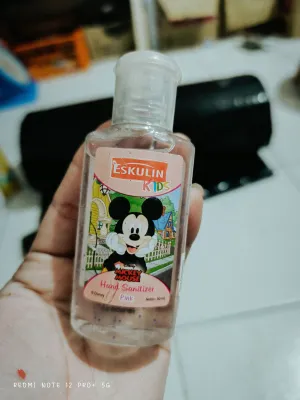
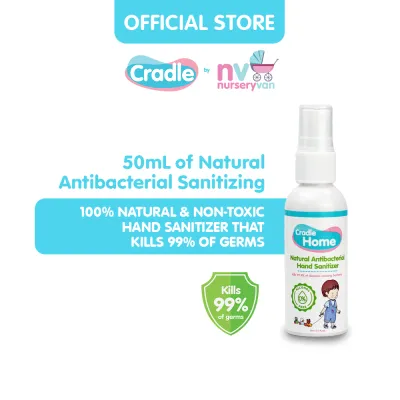
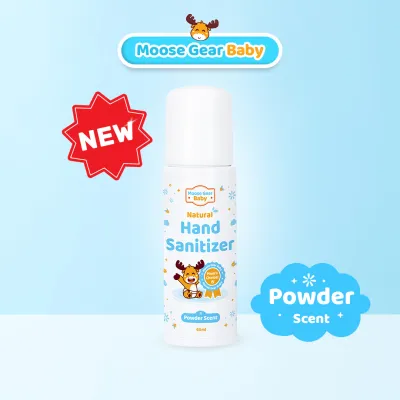

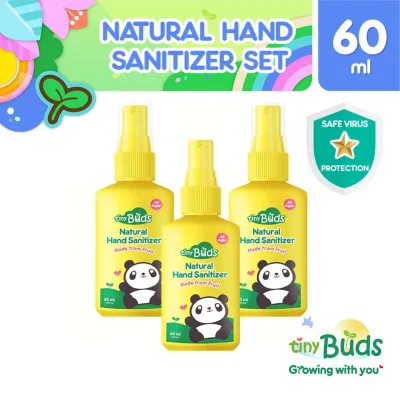
Prices are valid at publication and may change. Please refer to the product page for the latest price.
Local pediatric guidelines generally advise against using hand sanitizer on infants and young toddlers. During the first two years of life, a child’s skin barrier is significantly thinner and more permeable than an adult’s, making them more susceptible to absorbing topically applied chemicals. Additionally, infants and toddlers lack the cognitive ability to understand that they must not lick their hands or rub their eyes immediately after application, which increases the risk of accidental chemical exposure.
Developmental milestones play a crucial role in deciding whether your child is ready for hand sanitizer. Children go through a prolonged oral exploration phase, commonly known as mouthing, where they naturally explore their environment by putting their hands, toys, and random household objects into their mouths. If your child is still frequently putting their hands or fingers in their mouth, hand sanitizer should be avoided entirely, as the risk of ingesting the active ingredients remains too high.
As children grow into preschool age, their skin barrier matures, and their ability to follow simple instructions improves. However, even when a child reaches an age where sanitizer use is permissible, it must never be an independent activity. Parents must continue to control the bottle, apply the product themselves, and monitor the child until the liquid has completely evaporated from the skin.
Potential Risks and Side Effects of Hand Sanitizer
The primary hazard associated with hand sanitizer is accidental ingestion, which can lead to alcohol toxicity. Most effective hand sanitizers contain high concentrations of ethyl alcohol or isopropyl alcohol, often ranging between 60% and 70%. For a small child with a low body weight, swallowing even a tiny amount of this highly concentrated alcohol can cause a rapid drop in blood sugar, coordination issues, and severe metabolic distress.

Skin health is another major concern when using alcohol-based products on young children. Frequent application can strip away the natural oils that protect a child’s delicate skin barrier, leading to excessive dryness, redness, and painful cracking. In tropical climates, high humidity might seem to keep skin hydrated, but the drying effect of concentrated alcohol is powerful enough to overcome natural moisture, potentially causing contact dermatitis or worsening existing eczema.
Beyond skin irritation, the physical design of hand sanitizer dispensers poses a direct risk to a child’s eyes. Pump bottles and squeeze tubes can easily spray upward if compressed too quickly or at an awkward angle, sending alcohol-rich liquid directly into a child’s eyes. This causes immediate, intense pain, redness, and potential damage to the sensitive ocular surface, requiring rapid intervention to prevent long-term injury.
Finally, parents must remain aware of the physical properties of alcohol-based sanitizers, specifically their high flammability. In warm climates where temperatures inside parked vehicles can soar, leaving hand sanitizer bottles in direct sunlight or near heat sources can be hazardous. Furthermore, children must not go near open flames, such as outdoor grills, gas stoves, or birthday candles, while their hands are still wet with sanitizer, as the vapor can ignite easily.
Daily Precautions for Safe Application and Storage
To minimize these risks, parents must establish strict daily precautions for how hand sanitizer is applied. Never allow a child to hold the bottle or apply the product themselves. Instead, dispense a single, pea-sized drop into your own palm first, or directly onto the child’s hands, and then actively supervise them as they rub their hands together. Ensure they cover all surfaces, including the backs of the hands, between the fingers, and around the fingernails.
The most critical step in the application process is ensuring that the child’s hands are completely dry before they are allowed to touch anything else. The sanitizing effect occurs as the alcohol evaporates, and this drying process also ensures that no wet residue remains on the skin. Do not let your child touch their face, rub their eyes, or handle food until you have personally verified that their hands are entirely dry to the touch.
Safe storage is just as important as safe application. Hand sanitizer bottles should be treated with the same level of caution as household cleaning products or medications. Store all containers high up, out of sight, and securely locked away in a cabinet. When purchasing hand sanitizer, look for bottles equipped with child-resistant caps, and double-check that the cap is tightly sealed after every single use.
When selecting a hand sanitizer for family use, pay close attention to the packaging and formulation. Avoid buying products that feature bright, cartoonish designs, sweet food-like scents (such as strawberry, vanilla, or melon), or containers that resemble juice pouches or candy dispensers. These appealing designs can easily confuse a young child into thinking the product is a tasty treat, significantly increasing the likelihood of accidental ingestion.
When Soap and Water Are the Better Choice
While hand sanitizer is incredibly convenient when you are away from home, it is not a perfect substitute for traditional handwashing. Soap and running water remain the gold standard for hand hygiene, especially when hands are visibly dirty, dusty, or greasy. Hand sanitizer works by neutralizing germs on the surface of the skin, but it does not physically remove dirt, mud, or organic matter; instead, it simply mixes with the grime, leaving a sticky residue.
There are several daily scenarios where you should always prioritize soap and water over sanitizer. After your child plays outdoors in the dirt, handles sticky tropical fruits like mangoes, or finishes a meal, their hands will have a physical layer of residue that blocks sanitizer from reaching the skin underneath. Washing with soap and water physically lifts the dirt, oils, and sticky sugars off the skin and flushes them down the drain.
Additionally, handwashing is essential after using the restroom, changing diapers, or handling pets. Certain common pathogens, such as norovirus (which causes severe stomach flu) and various parasites, are highly resistant to alcohol and cannot be effectively neutralized by hand sanitizer. In these cases, the physical friction of rubbing hands together with soap under running water is the only reliable way to wash these stubborn germs away.
Chemical exposures also require thorough handwashing rather than sanitizing. If your child has been in contact with household cleaners, garden fertilizers, pesticides, or insect repellents, applying hand sanitizer can actually increase the absorption of some of these chemicals through the skin. Washing the hands thoroughly with soap and running water is the safest way to remove chemical residues without causing further skin irritation.
First Aid Steps for Accidental Ingestion or Eye Contact
Despite your best efforts, accidents can happen, and knowing how to respond immediately can prevent a minor mishap from becoming a serious medical emergency. If hand sanitizer accidentally splashes into your child’s eyes, act quickly but calmly. Immediately flush the affected eye with a gentle stream of clean, lukewarm water for at least fifteen minutes. You can do this by holding the child’s head over a sink or using a clean cup to pour water gently across the eye from the inner corner outward.
If your child accidentally swallows hand sanitizer, do not attempt to induce vomiting, as this can cause the alcohol to enter the lungs, leading to severe respiratory complications. Instead, immediately check the child’s mouth and wipe away any remaining residue with a damp cloth. If the child is fully conscious and able to swallow, offer them a few sips of water or milk to help dilute the product while you assess the situation.
Monitor your child closely for any warning signs of alcohol poisoning or systemic distress. These symptoms include unusual drowsiness, confusion, loss of coordination, vomiting, slow or irregular breathing, or pale, bluish skin. If you observe any of these signs, or if you suspect your child has swallowed more than a tiny lick of sanitizer, seek urgent medical care or contact your local poison control center immediately.
To ensure you are prepared for any emergency, keep essential contact numbers readily accessible. Save the phone numbers for your pediatrician, the nearest hospital emergency room, and your national or local poison control hotline directly into your mobile phone. Having these numbers posted in a prominent location in your home, such as on the refrigerator, ensures that any caregiver or family member can access professional medical guidance without delay.
Frequently Asked Questions (FAQ)
Can I use adult hand sanitizer on my child?
You can use adult hand sanitizer on older children, but you must exercise extreme caution and verify the product label first. Adult formulations often contain high concentrations of alcohol and may include strong synthetic fragrances, colorants, or essential oils that can easily irritate a child’s sensitive skin. Before applying any adult product, check the manufacturer’s instructions for age limits, use only a tiny, pea-sized amount, and ensure you supervise the application until the hands are completely dry.
Are alcohol-free hand sanitizers safer for toddlers?
Alcohol-free hand sanitizers, which often use active ingredients like benzalkonium chloride, do eliminate the risk of alcohol toxicity if ingested, but they come with their own trade-offs. While they are gentler on sensitive toddler skin and do not carry a flammability risk, they may have efficacy limitations against certain types of bacteria and viruses compared to alcohol-based formulas. Always check the product label to verify the active ingredients, manufacturer claims, and specific age recommendations before choosing an alcohol-free alternative.

Community discussion
Share your experience or ask a question. Comments are reviewed before publication.