
The Short Answer: Is Hand Sanitizer Safe for Babies?
Keeping a baby’s hands clean is a top priority for parents, especially when navigating busy public spaces, family gatherings, or outdoor play. However, standard hand sanitizers are generally not recommended for infants, particularly those under six months of age. Pediatricians and health authorities emphasize that washing with mild soap and clean water is always the safest and most effective method for cleaning a baby’s delicate hands.
Hand sanitizer should only be considered as a temporary alternative when running water is completely unavailable. Even then, it must be used with extreme caution and strict parental supervision. Before introducing any topical sanitizing product to your baby’s routine, it is essential to check the product label for age-specific restrictions and consult your pediatrician to ensure it is safe for your child’s developmental stage.
Why Hand Sanitizer Poses Specific Risks for Babies
To understand why hand sanitizer requires such high caution, parents must look at the unique physiological and behavioral characteristics of infants. A baby’s skin is fundamentally different from adult skin; it is significantly thinner, more delicate, and has a much higher rate of absorption. Because the skin barrier is still developing, topical chemicals applied to a baby’s hands can be absorbed directly into their bloodstream much more rapidly than they would be in an adult. This high permeability makes babies highly susceptible to the systemic effects of ingredients like isopropyl alcohol or ethyl alcohol, which are the primary active components in most sanitizers.
Products mentioned in this guide
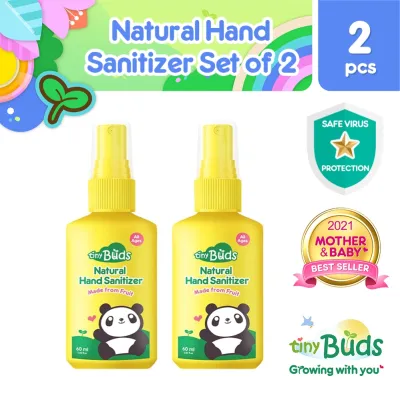
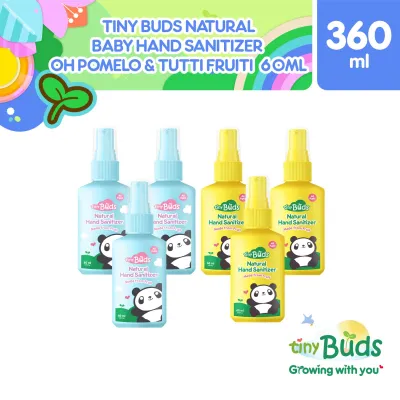
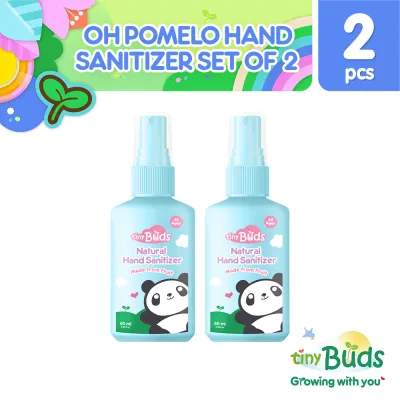
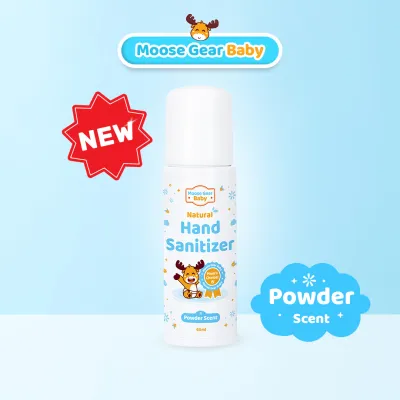
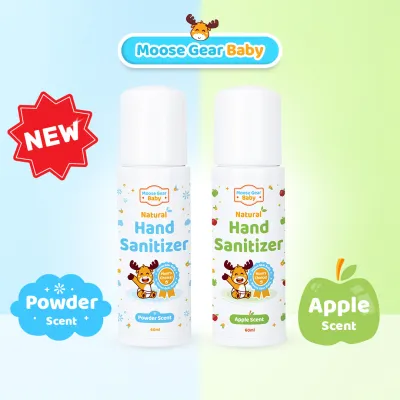
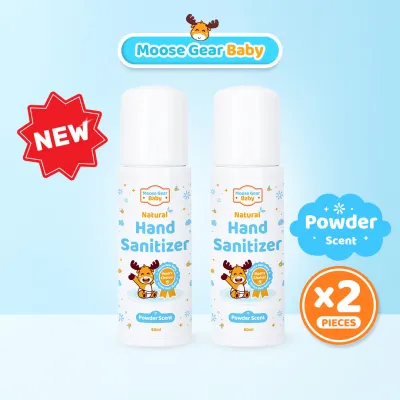
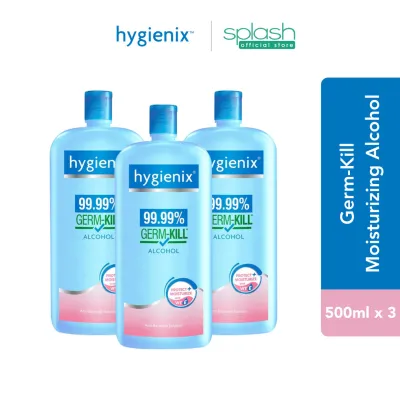
Prices are valid at publication and may change. Please refer to the product page for the latest price.

Beyond skin absorption, behavioral habits present a major safety hazard. Babies explore their world primarily through touch and taste, making hand-to-mouth coordination a constant daily activity. If you apply hand sanitizer to a baby’s hands, there is a very high probability that they will put their fingers or fists directly into their mouth shortly afterward. If the sanitizer has not completely evaporated, or if the formulation leaves a chemical residue, the baby can easily ingest these harsh substances. Even small, repeated ingestions of alcohol-based sanitizers can lead to adverse health effects in a tiny body.
Furthermore, the tropical climate of the Philippines, characterized by high heat and humidity, can already make a baby’s skin sensitive to sweat rashes, chafing, and prickly heat. Introducing harsh alcohol-based sanitizers to this environment can strip away the skin’s natural moisture barrier, leading to severe dryness, painful cracking, redness, or allergic contact dermatitis. Many commercial sanitizers also contain synthetic fragrances, essential oils, and chemical preservatives that can trigger respiratory irritation or localized allergic reactions when applied to sensitive infant skin.
How to Evaluate a Sanitizer for Baby Use
If you find yourself in a situation where handwashing is impossible and you must select a sanitizing product, learning how to evaluate product labels is a critical skill. First and foremost, look for explicit age recommendations printed on the packaging. Many standard commercial sanitizers are formulated strictly for adults and older children, often carrying warnings that advise keeping the product out of reach of children under two or six years of age. If a product does not clearly state that it is safe for infants, do not assume it is suitable for your baby.
When examining the ingredient list, pay close attention to the type and concentration of alcohol used. If your pediatrician has cleared the use of an alcohol-based sanitizer for an older baby, verify that the product contains the recommended concentration—typically between 60% and 70% alcohol—to ensure efficacy, while avoiding excessively high concentrations that can cause severe skin dehydration. Conversely, you must actively avoid products that contain methanol (wood alcohol) or 1-propanol, as these are highly toxic substances that can be absorbed through the skin or inhaled, posing severe life-threatening risks.
In addition to checking the active ingredients, scrutinize the inactive ingredients. Parents should opt for fragrance-free, dye-free, and hypoallergenic formulations. Avoid products containing parabens, phthalates, triclosan, or heavy synthetic perfumes, which serve no sanitizing purpose and only increase the risk of skin irritation. Always inspect the physical packaging of the sanitizer before purchase. Ensure that the bottle has a secure, intact safety seal and is sourced from a reputable, licensed retailer. Avoid purchasing unlabelled, home-made, or decanted sanitizers from informal street vendors, as these products lack quality control and may contain incorrect or dangerous chemical mixtures.
Safe Application Steps and When to Stop Use
When using a pediatrician-approved sanitizer on an older baby, following a strict and careful application protocol is vital to minimize risks. Never allow a baby or toddler to handle the sanitizer bottle themselves, as they may accidentally squeeze it into their eyes or mouth. Start by dispensing a very small, pea-sized drop of the product onto your own clean hands first, or directly onto the baby’s palms if instructed by your healthcare provider.
Gently but thoroughly rub the sanitizer across all surfaces of your baby’s hands. Be sure to cover the palms, the backs of the hands, the spaces between their fingers, and the areas around their fingernails where dirt and germs tend to accumulate. Throughout this process, you must physically hold your baby’s hands and actively supervise them to prevent them from touching their face, rubbing their eyes, or putting their fingers in their mouth. Continue holding their hands apart until the sanitizer has completely dried and evaporated. This drying process typically takes at least 15 to 30 seconds; never let a baby lick or wipe their hands while the skin still feels damp.
As a parent, you must remain highly vigilant for any signs of adverse skin reactions. Regularly inspect your baby’s hands for observable signs of irritation, such as localized redness, dry or flaky patches, peeling skin, or signs of discomfort like scratching or fussiness. If you observe any of these symptoms, or if your baby experiences an immediate allergic reaction, you must establish clear stop conditions: discontinue using the product immediately, wash their hands thoroughly with clean water to remove any remaining residue, and consult a qualified medical professional. If you suspect your baby has ingested a significant amount of sanitizer, seek emergency medical care immediately.
Safer Alternatives for Cleaning Baby Hands on the Go
Fortunately, parents do not have to rely on hand sanitizers to maintain hygiene while traveling, visiting local parks, or running errands. Preparing a portable handwashing kit is a highly effective, low-risk alternative that fits easily into any diaper bag. You can assemble a simple kit by carrying a small, refillable bottle of clean tap water and a travel-sized container of mild, fragrance-free baby soap, which often costs less than ₱100. When your baby’s hands get dirty or sticky from snacks, simply pour a small amount of water over their hands, apply a drop of baby soap, lather thoroughly, and rinse with the remaining water.
When running water is not accessible, unscented, alcohol-free baby wipes serve as an excellent secondary option. While baby wipes are not designed to sterilize skin or kill all microscopic pathogens, they are highly efficient at physically lifting and wiping away visible dirt, food residue, sweat, and surface bacteria. Because they are formulated specifically for delicate infant skin, they do not strip away natural oils or cause the severe dryness associated with alcohol-based sanitizers.
To complete your portable hygiene kit, always keep a clean, dry cotton washcloth or a small microfiber towel in your diaper bag. After washing your baby’s hands with soap and water or using a baby wipe, use the clean cloth to dry their skin thoroughly. In the warm and humid climate of the Philippines, leaving moisture in the folds of a baby’s skin can lead to fungal infections or chafing. Ensuring their hands are completely dry helps maintain skin integrity and keeps your little one comfortable throughout the day.
Frequently Asked Questions (FAQ)
Can I use adult hand sanitizer on my baby in an emergency?
Using standard adult hand sanitizer on a baby should be avoided whenever possible. Adult formulations are designed for mature skin barriers and often contain very high concentrations of alcohol, along with strong synthetic fragrances, colorants, and denaturants that can easily irritate a baby’s sensitive skin and respiratory tract. If you face an absolute emergency where your baby’s hands have touched a highly contaminated surface and no soap, water, or baby wipes are available, you may use a minimal amount of adult sanitizer as a temporary measure. Apply a tiny fraction of a drop, rub it in completely until the skin is entirely dry, and ensure your baby does not touch their mouth or eyes. Wash their hands thoroughly with mild soap and clean water at the very first opportunity to remove any chemical residue.
What should I do if my baby licks their hands after applying sanitizer?
If your baby licks their hands after the sanitizer has dried completely, the risk of acute alcohol poisoning is generally very low, though they may experience a bitter taste and show mild discomfort. However, if your baby licks their hands while the sanitizer is still wet, or if they manage to swallow a small amount directly from a bottle, immediate action is required. Wipe the inside of their mouth gently with a clean, damp cloth to remove any remaining liquid, and do not attempt to induce vomiting. Monitor them closely for signs of distress, such as unusual sleepiness, lethargy, vomiting, or difficulty breathing. Immediately contact your pediatrician, visit the nearest medical clinic, or call a local poison control hotline, such as the National Poison Management and Control Center in the Philippines, for professional medical guidance.
Community discussion
Share your experience or ask a question. Comments are reviewed before publication.