
Hand sanitizer can be a highly convenient addition to your baby’s travel gear, but its safety for babies and toddlers is not a simple yes-or-no question. Whether it is safe depends heavily on your child’s developmental stage, the level of adult supervision, and your ability to verify the ingredients on the product label. While these portable solutions offer a quick way to reduce germs when you are on the go, pediatricians and global health authorities emphasize that plain soap and clean water remain the primary, safest standard for cleaning young hands. Hand sanitizer should be viewed as a temporary backup rather than a permanent replacement for traditional handwashing.
Hand Sanitizer vs. Soap and Water: When to Use Each for Young Children
In a tropical environment like the Philippines, outdoor play often means dealing with a mix of sweat, dust, sand, and sticky residue from tropical fruits or snacks. Under these conditions, hand sanitizer is not always the right tool. Soap and water are strictly required when a child’s hands are visibly dirty, greasy, or muddy. This is because alcohol-based sanitizers cannot cut through physical dirt or oils; instead, they merely smear the grime around without actually neutralizing the germs underneath. Furthermore, soap and water are essential after diaper changes, using the restroom, or touching animals, as certain common pathogens are highly resistant to alcohol and must be physically washed down the drain.
However, when you are traveling, visiting a local park, or navigating public spaces where clean running water is unavailable, a reliable hand sanitizer becomes a practical emergency substitute in your baby’s first aid kit. The challenge with young children is their natural instinct to explore their environment using their mouths. This hand-to-mouth transfer risk means that any product you apply to your child’s hands is highly likely to be ingested. Consequently, choosing when to use hand sanitizer requires balancing the immediate risk of environmental germs against the potential risk of chemical exposure.
Products mentioned in this guide
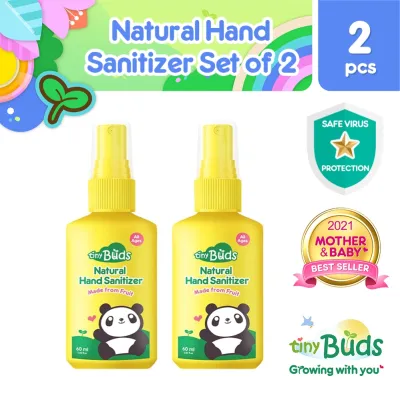
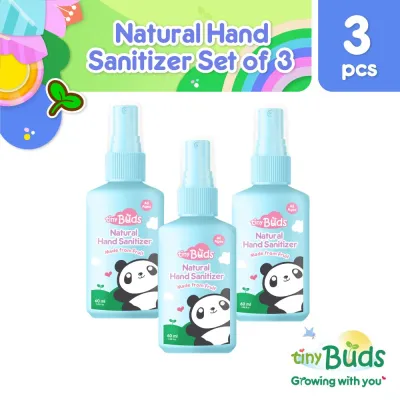
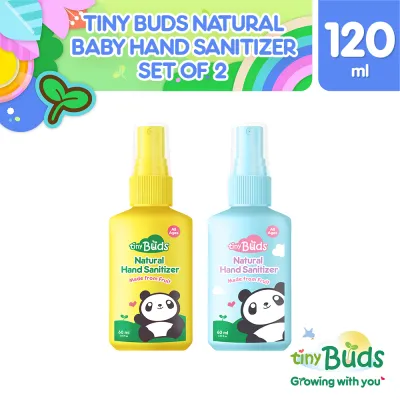
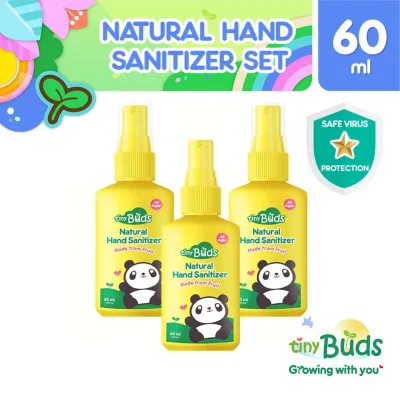
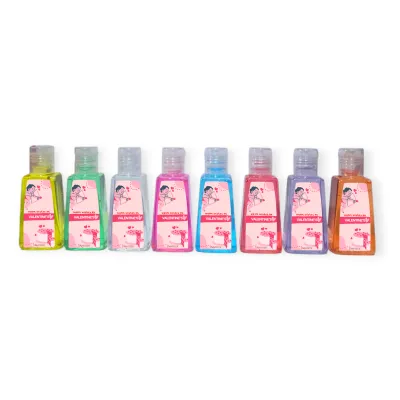
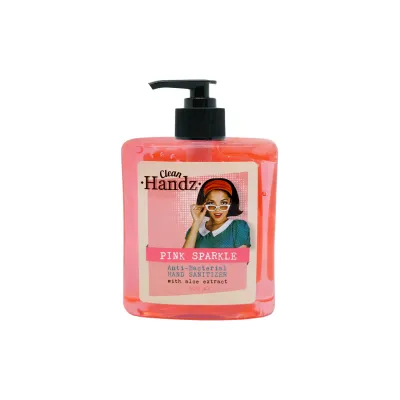
Prices are valid at publication and may change. Please refer to the product page for the latest price.
Understanding Alcohol Content and Label Reading for Kids
To ensure you are choosing a safe product, you must look past colorful, “kid-friendly” packaging and learn to read the product label critically. Turn the bottle over and locate the “Active Ingredients” list. Here, you should find the Alcohol by Volume (ABV) percentage. For an alcohol-based sanitizer to be effective, health authorities generally recommend an alcohol concentration of at least 60%. However, because formulations can vary widely, you should always cross-reference the product label with guidelines from your local health authority or pediatrician to confirm the recommended concentration for your child’s specific age group.

When reviewing the active ingredients, pay close attention to the type of alcohol used. Ethanol (ethyl alcohol) and isopropyl alcohol are the standard, approved active ingredients for hand hygiene. You must actively check for and avoid toxic alcohols, such as methanol or 1-propanol, which have been the subject of numerous safety recalls due to their high toxicity when absorbed through the skin or ingested. Additionally, scan the inactive ingredients list for red flags. Avoid products containing synthetic fragrances, artificial dyes, or harsh preservatives, as these additives can easily trigger contact dermatitis or allergic reactions on a young child’s sensitive skin, especially in hot and humid weather.
Age-Specific Safety: Evaluating Risks by Developmental Stage
As children grow, their physical vulnerabilities and behavioral patterns change dramatically. A safety protocol that works well for a mobile toddler may be entirely inappropriate for a vulnerable infant. Understanding these developmental milestones is key to assessing when and how to use hand hygiene products safely.
Safety Considerations for Babies (Under 1 Year)
For infants under one year of age, the skin barrier is still developing. An infant’s skin is significantly thinner and more permeable than an adult’s, making it highly susceptible to absorbing topically applied chemicals, including alcohol. This increased absorption capacity, combined with a baby’s delicate skin, elevates the risk of localized irritation, redness, and contact dermatitis. Furthermore, babies in this age group are in a constant phase of oral exploration, frequently putting their fingers, fists, and toys into their mouths. Because of the high risk of both skin absorption and accidental ingestion, hand sanitizer should generally be avoided entirely for infants under one year old. Instead, prioritize caregiver hand hygiene. Ensure that you and any other caregivers wash your hands thoroughly with soap and water before handling the baby, their bottles, or their toys.
Guidelines for Toddlers (1 to 3 Years)
Once children reach the toddler stage, they become highly mobile and curious, making germ exposure more common. At this stage, hand sanitizer can be used cautiously, but only under strict, active adult supervision. Never allow a toddler to handle or apply hand sanitizer independently. When using the product, dispense a small, pea-sized amount directly into your own palm first, then apply it to your toddler’s hands. You must physically guide their hands, ensuring they rub the product over all surfaces—including between the fingers and under the nails—until it has completely evaporated and the skin is bone dry. This active supervision is crucial to prevent the toddler from rubbing their eyes or putting wet, alcohol-coated fingers into their mouth, which can cause painful irritation or accidental ingestion. Additionally, always store hand sanitizers in a secure, elevated location or within a zippered compartment of your diaper bag, keeping them entirely out of reach of curious toddlers.
Building a Safe Baby First Aid Kit: Sanitizer Selection and Storage
When building or updating your baby’s first aid kit, selecting the right packaging for your hand sanitizer is just as important as choosing the right ingredients. Look for travel-sized bottles that feature robust safety designs, such as leak-proof flip caps, pump locks, or child-resistant closures. These features help prevent accidental leaks inside your bag and make it much harder for a curious toddler to open the bottle if they happen to find it. Expect to budget around ₱100 to ₱300 for high-quality, travel-safe hygiene products designed for family use.
Proper storage is another critical factor, particularly in tropical climates where high temperatures and humidity are daily realities. Avoid storing your baby first aid kit in direct sunlight, near heat sources, or inside a parked car, where internal temperatures can rise rapidly. Excessive heat can cause the alcohol in the sanitizer to evaporate through the plastic packaging over time, significantly reducing its germ-fighting effectiveness and altering the product’s chemical balance.
To maintain the safety and efficacy of your kit, establish a routine to inspect its contents every few months. Check the expiration dates printed on the bottles, as expired sanitizers may no longer provide adequate protection. Additionally, observe the physical state of the product; if you notice any separation of ingredients, changes in texture, or an unusual, off-putting smell, discard the bottle immediately and replace it with a fresh one.
Recognizing Adverse Reactions and When to Seek Help
Even when you take every precaution, adverse reactions can still occur. It is vital to monitor your child’s skin closely after applying any new product. Look for signs of localized irritation, such as excessive dryness, redness, peeling, cracking, or mild swelling. If you observe any of these symptoms, stop using the product immediately, wash the child’s hands thoroughly with mild soap and cool water, and apply a gentle, baby-safe moisturizer to soothe the skin barrier.
In the event of accidental ingestion, remaining calm and taking immediate, correct action is essential. Do not attempt to induce vomiting, as this can cause the child to inhale the alcohol vapors into their lungs, leading to severe respiratory complications. Instead, use a clean, damp cloth to gently wipe the inside of the child’s mouth, removing any remaining residue. If the child is fully conscious and alert, you may offer them a few small sips of water to help rinse their mouth.
You must stop use and seek immediate professional medical help—by contacting your pediatrician, a local poison control center, or emergency medical services—if your child exhibits signs of alcohol exposure, such as unusual lethargy, confusion, difficulty breathing, vomiting, or if you suspect they have swallowed more than a tiny, accidental smear of the product.
Frequently Asked Questions (FAQ)
Can I use adult hand sanitizer on my toddler in an emergency?
Yes, you can use standard adult hand sanitizer in an emergency, but you must take extra precautions. Adult formulations often contain higher concentrations of alcohol and may include strong synthetic fragrances or essential oils that can irritate a toddler’s sensitive skin. If an adult sanitizer is your only option, dispense a very small, pea-sized amount. Supervise the application closely, ensuring you rub it thoroughly into their hands until it is completely dry, and prevent them from touching their face or mouth during the process.
Are alcohol-free hand sanitizers safer for babies?
Not necessarily. Many alcohol-free sanitizers rely on active ingredients like benzalkonium chloride. While these formulations do not carry the same rapid inhalation or alcohol poisoning risks as ethanol, they are often less effective against certain types of viruses and bacteria. Furthermore, some children can still develop skin irritation or allergic reactions to these alternative chemical compounds. For infants and young babies, using alcohol-free, water-based wipes specifically formulated for sensitive baby skin is generally a much safer and more practical alternative when soap and water are unavailable.

Community discussion
Share your experience or ask a question. Comments are reviewed before publication.