
Keeping a baby’s hands clean is a constant task for parents, especially when exploring the world or during outdoor trips. While hand sanitizer is a convenient quick-fix for adults, using it on babies requires extreme caution and is generally not recommended as a primary hygiene method. Because infants frequently put their hands in their mouths and have highly sensitive, permeable skin, the ingredients in standard hand sanitizers can pose serious health risks. Understanding when, how, and if you should ever apply these products to your baby’s hands is essential for preventing accidental poisoning and severe skin irritation. This guide outlines the safety parameters, potential hazards, and best practices for maintaining your infant’s hygiene safely.
Why Soap and Water Are the Primary Choice for Babies
When it comes to keeping your baby’s hands clean, nothing compares to the simple combination of mild soap and clean water. This traditional method is the primary choice for infant hygiene because it physically removes dirt, oils, and pathogens from the skin. Unlike hand sanitizers, which are designed to kill certain germs on contact but leave them on the skin, washing with soap lifts the microorganisms so they can be completely rinsed away down the drain. This mechanical action is highly effective against a broader range of germs, including certain viruses and bacterial spores that alcohol-based sanitizers cannot destroy.
Another major advantage of using soap and water is the complete absence of chemical residue or ingestion risks. Once you rinse your baby’s hands thoroughly and dry them with a clean towel, there are no active chemicals left behind for them to lick or swallow. This makes soap and water a highly secure and reliable option for infants who are constantly exploring their environment through touch and taste.
Products mentioned in this guide
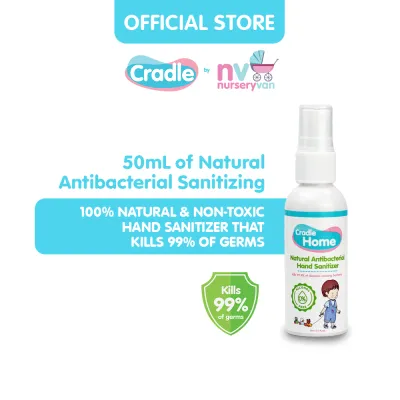
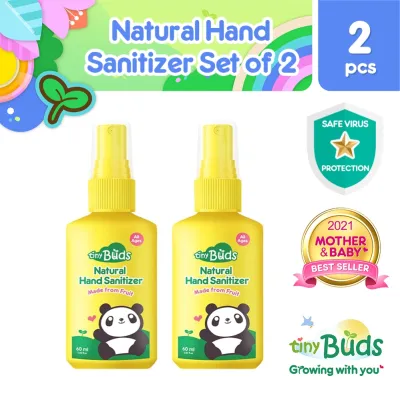
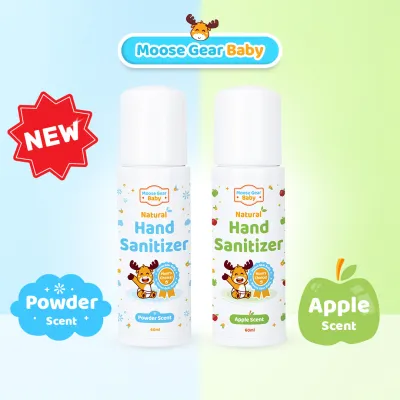
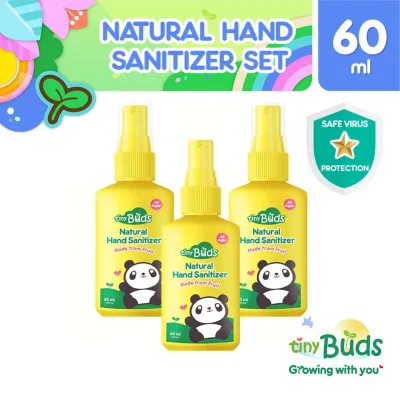
Prices are valid at publication and may change. Please refer to the product page for the latest price.
There are several everyday situations where washing with soap and water is strictly required rather than optional. For instance, if your baby’s hands are visibly dirty, covered in food, or sticky from play, hand sanitizers will not work effectively because the physical barrier of dirt prevents the sanitizer from reaching the skin. Additionally, after every diaper change, washing with soap and water is essential to ensure that any fecal bacteria are completely removed from both your hands and your baby’s hands, preventing the spread of gastrointestinal illnesses.
Understanding the Potential Risks of Hand Sanitizer for Babies
While hand sanitizers are highly convenient when you are away from home, they are formulated primarily for adult skin and adult behaviors. Babies are not just smaller versions of adults; their physiological systems, skin barriers, and natural behaviors make them far more vulnerable to the chemical components of these products. Applying hand sanitizer to an infant introduces risks that do not typically apply to older children or adults.

To understand why pediatricians advise against the routine use of hand sanitizers on infants, it is necessary to examine how babies interact with their environment and how their bodies absorb substances. The primary concerns center around accidental ingestion through normal developmental behaviors and the physical differences in their skin structure.
Alcohol Ingestion and Hand-to-Mouth Behavior
Babies naturally explore their world by putting their hands, fingers, and toys directly into their mouths. This hand-to-mouth reflex is a crucial part of their sensory and motor development, but it also means that any substance applied to their hands is highly likely to be ingested. If you apply an alcohol-based hand sanitizer to your baby’s hands, they may suck on their fingers before the product has completely evaporated, leading to direct ingestion of isopropyl or ethyl alcohol.
Even a tiny amount of alcohol can be toxic to a small infant due to their low body weight and developing metabolic systems. Therefore, if you must use hand sanitizer in an emergency, you must ensure that their hands are completely dry and free of any wet residue before they are allowed to touch their face or mouth. Close supervision is absolutely mandatory during and immediately after application to prevent them from rubbing their eyes or putting their fingers in their mouth while the product is still wet.
Skin Sensitivity and Irritation
An infant’s skin is remarkably delicate, being significantly thinner and more permeable than adult skin. Because the outer layer of their skin is not yet fully developed, it absorbs topical substances much more rapidly and deeply. The high concentration of alcohol required in effective hand sanitizers can easily strip away the natural moisture barrier of your baby’s skin, leading to rapid dehydration of the dermal layers.
This vulnerability often manifests as visible skin irritation, which parents can easily observe. Look out for signs such as localized redness, dry patches, peeling, or a rough texture on your baby’s hands. In severe cases, the skin may crack, causing pain and creating open entry points for bacteria. If you notice any of these reactions after using a hand sanitizer, you should stop using the product immediately, wash the area gently with plain water, and consult your pediatrician for safe skin-soothing recommendations.
Conditions for Safe Use When Washing Is Not Possible
There are times when you are away from home, perhaps traveling through a busy transit hub or enjoying an outdoor park in the warm, humid climate of the Philippines, where clean running water and soap are simply unavailable. In these specific, unavoidable situations, hand sanitizer may be used as a temporary backup measure, provided you follow strict safety protocols to protect your baby.
First, you must ensure that you use only a minimal, pea-sized amount of sanitizer for both of your baby’s hands. Using too much product increases the drying time and raises the risk of pooling in the creases of their palms, which can lead to accidental ingestion or skin irritation. Squeeze the tiny drop onto your own clean hands first, then rub it thoroughly onto your baby’s hands, covering all surfaces, including the backs of their hands, between their fingers, and around their fingernails.
You must continue rubbing their hands gently until the product has completely evaporated and the skin feels entirely dry to the touch. Never fan their hands dry or wipe the wet sanitizer off with a dry cloth, as this can reduce its effectiveness or leave wet patches behind. Finally, always store the sanitizer bottle securely inside a diaper bag or high cabinet, completely out of your baby’s reach, and never allow an infant or toddler to hold the bottle or attempt to apply the product themselves.
How to Read Product Labels for Baby Safety
When purchasing hygiene products, parents must become diligent label readers to ensure they are not exposing their infants to unnecessary chemical hazards. Before buying or using any hand sanitizer, turn the bottle over and carefully verify the active ingredients and their concentrations as specified by the manufacturer. For alcohol-based sanitizers, health organizations generally recommend a concentration of at least 60% alcohol to be effective, but this high concentration also underscores why extreme care is needed when applying it to a baby.
Always check the product packaging for specific age restrictions, warnings, or pediatric guidelines. Many standard hand sanitizers explicitly state on their labels that they should be kept out of reach of children under six years of age or require adult supervision during use. If a product label does not mention suitability for infants, do not assume it is safe; instead, treat it as an adult-only product.
Additionally, you should actively avoid hand sanitizers that contain added fragrances, artificial dyes, or unverified marketing claims such as ‘all-natural protection’ without clear ingredient listings. Fragrances and dyes are common triggers for allergic contact dermatitis and respiratory irritation in sensitive infants. If you are ever uncertain about the safety of a specific formulation or if the label lacks clear safety information regarding infant use, consult your pediatrician before applying it to your baby’s skin.
First Aid: What to Do If Your Baby Ingests Hand Sanitizer
Accidents can happen in a split second, especially as babies become more mobile and curious. If your baby manages to lick wet hand sanitizer from their hands or gets hold of a bottle and ingests some of the liquid, your immediate response is critical. The first and most important step is to remain calm so you can take clear, deliberate actions to help your child.
Gently wipe any remaining wet sanitizer from your baby’s mouth and hands using a clean, damp cloth to prevent further ingestion or contact with their eyes. Do not attempt to induce vomiting, as this can cause the chemical mixture to enter their lungs, leading to severe respiratory complications. Additionally, do not force your baby to drink large amounts of water or milk unless specifically instructed to do so by a medical professional, as this can sometimes trigger vomiting.
If you suspect or know that your baby has swallowed hand sanitizer, you must immediately contact a local poison control center or seek emergency medical care at the nearest hospital. Do not wait for symptoms to appear before seeking professional help. Be prepared to monitor your baby closely for observable signs of alcohol toxicity, which include unusual lethargy, drowsiness, vomiting, rapid or shallow breathing, and a loss of physical coordination. Having the product bottle with you when you speak to medical professionals will help them identify the exact ingredients and provide the correct treatment plan.
Frequently Asked Questions (FAQ)
Can I use hand sanitizer on my baby's hands right before feeding?
It is highly recommended to avoid using hand sanitizer on your baby’s hands immediately before feeding. During feeding, whether they are holding a bottle, eating finger foods, or nursing, their hands will inevitably come into contact with their mouth or the food they are consuming. If the sanitizer has not completely dried, or if there is any chemical residue left on their skin, they can easily ingest the active ingredients. Instead of sanitizer, use a clean, damp washcloth with plain water to wipe their hands before they eat, ensuring a safe and chemical-free feeding experience.
Are alcohol-free or natural hand sanitizers safer for infants?
An ‘alcohol-free’ or ‘natural’ label does not automatically guarantee that a hand sanitizer is safe or effective for infants. Many alcohol-free sanitizers rely on active chemical ingredients like benzalkonium chloride, which can still cause skin irritation and are harmful if swallowed by a baby. Furthermore, natural formulations may contain essential oils or plant extracts that can trigger allergic reactions on delicate infant skin. Always check the full ingredient list, look for pediatric warnings, and consult your pediatrician to verify if a specific alternative formulation is truly safe for your baby’s age group.

Community discussion
Share your experience or ask a question. Comments are reviewed before publication.