
Keeping a baby’s hands clean is a constant task for parents, especially when exploring the world involves touching every available surface. While adults routinely reach for a bottle of hand sanitizer, applying these products to an infant requires a completely different level of caution. The short answer is that hand sanitizer is generally not recommended for newborns and very young infants, and it should never be viewed as a complete replacement for soap and water. For older babies, certain specialized formulations may be used, but only under strict adult supervision and after careful verification of the ingredients.
Understanding the unique characteristics of infant skin and the potential risks of chemical exposure is essential for every caregiver. Before tossing a convenient travel-sized bottle into your diaper bag, it is vital to understand when hand sanitizer is appropriate, which ingredients pose a threat, and how to apply and store these products safely.
When Can You Use Hand Sanitizer on a Baby?
Pediatricians generally advise against using any hand sanitizer on babies under six months of age. During these early months, an infant’s skin barrier is still developing, making it exceptionally thin and highly permeable. This increased permeability means that any topical substance applied to their hands can be absorbed directly into their bloodstream much more easily than it would be in an older child or an adult. Because young infants constantly put their hands and fingers into their mouths, the risk of accidental chemical ingestion is also extremely high.
Products mentioned in this guide
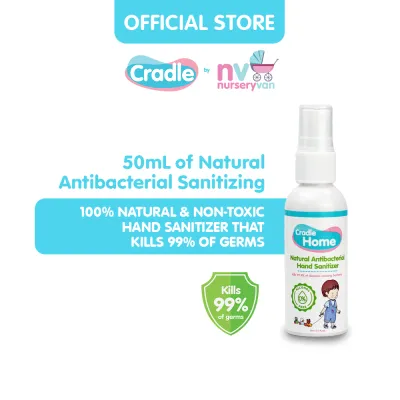
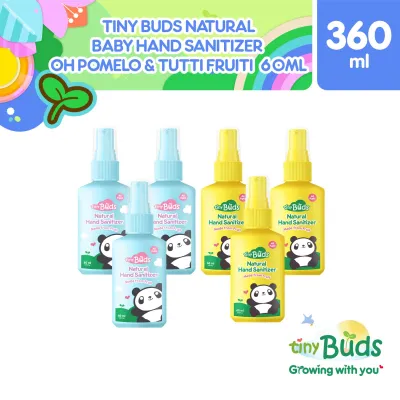
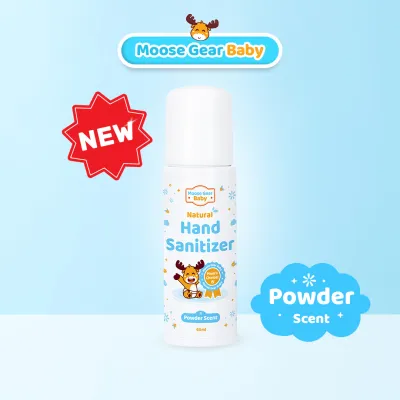
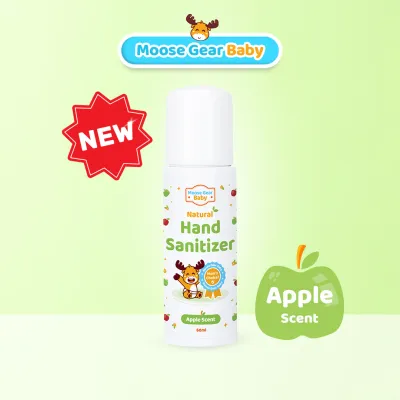
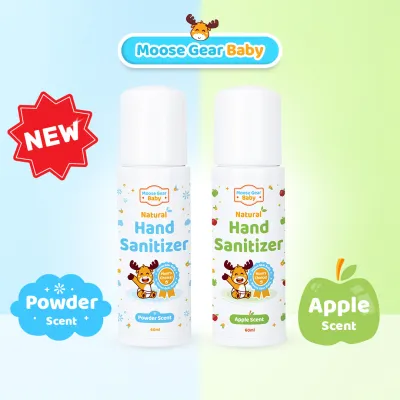
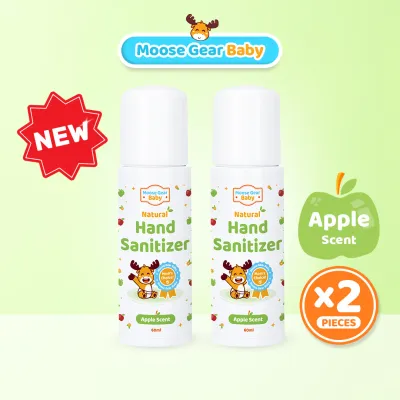
Prices are valid at publication and may change. Please refer to the product page for the latest price.
Before introducing any hand sanitizer to your baby’s routine, it is highly recommended to consult your pediatrician. A quick discussion with a healthcare professional can help you determine if your baby’s skin is mature enough to handle mild topical formulations. If your baby has pre-existing skin conditions, such as eczema or extremely dry skin, hand sanitizers can exacerbate irritation, making professional medical guidance even more critical. Always verify the recommended age, development stage, and specific method of use from the product documentation rather than inferring suitability from a product name alone.
In almost every daily scenario, washing with clean water and a mild, baby-safe soap remains the mandatory and superior method of hygiene. Soap and water physically lift and wash away dirt, grease, sticky food residues, and pathogens from the skin’s surface. In a tropical climate like the Philippines, where babies frequently get sticky from humid weather, sweat, or local fruits, hand sanitizer is ineffective at removing physical grime. Sanitizers only attempt to neutralize germs on the surface but do not clean dirty hands, making soap and water irreplaceable.
Understanding Alcohol Content in Baby Hand Sanitizers
When shopping for hygiene products, parents must learn to carefully read and interpret the active ingredients panel on the packaging. Alcohol-based hand sanitizers typically utilize ethyl alcohol (ethanol) or isopropyl alcohol as their primary germ-killing agent. These ingredients are highly effective at disrupting the cellular membranes of bacteria and viruses, but their presence on a baby’s skin requires careful scrutiny.

To evaluate the safety of a product, you must verify the exact alcohol concentration listed on the label. While standard guidelines suggest that a concentration of at least 60% alcohol is typically recommended for adult formulations to eliminate pathogens, this high level of alcohol introduces significant physiological risks for an infant. High-concentration alcohol can dry out delicate infant skin rapidly, leading to painful cracking, irritation, and a compromised skin barrier.
The primary concern with alcohol-based sanitizers on babies is the risk of transdermal absorption and accidental ingestion. Because of their small body mass, even a small amount of alcohol absorbed through the skin or ingested via hand-to-mouth contact can have a disproportionately large impact on an infant’s system. Before purchasing any alcohol-based product, parents must check the manufacturer’s age specifications and usage instructions to ensure the formulation is intended for pediatric use.
Ingredients to Avoid in Hand Sanitizers for Babies
Selecting a safe hand sanitizer for your baby requires a meticulous scan of the ingredient list to screen out harsh chemicals and potential allergens. Caregivers should actively avoid products containing synthetic fragrances, which are often formulated with phthalates that can irritate sensitive skin and respiratory tracts. Additionally, parabens used as preservatives should be avoided, as they can disrupt delicate endocrine systems. When comparing options on the shelf, do not let a low price tag of a few ₱ mislead you into buying a sub-standard product; always prioritize verifying the ingredient list first.
It is also critical to check for the presence of denaturants and toxic alcohols like methanol (wood alcohol). Methanol is highly toxic and can be absorbed through the skin or inhaled, posing severe health hazards. Parents should regularly check official product recall lists and verify that any sanitizer they purchase is free from these dangerous contaminants.
Many parents turn to “alcohol-free” hand sanitizers, assuming they are inherently safer for infants. However, these formulations must be evaluated with equal caution. Alcohol-free sanitizers typically rely on alternative active ingredients, most commonly benzalkonium chloride. While benzalkonium chloride is less drying than alcohol, it can still cause contact dermatitis and skin irritation in sensitive babies. Furthermore, its germ-killing efficacy is generally more limited against certain types of viruses compared to alcohol-based options.
When evaluating any baby sanitizer, look for products that carry clear “dermatologist-tested” or “pediatrician-tested” labels on the packaging. These labels indicate that the product has undergone basic skin compatibility assessments. However, because every baby’s skin is unique, you should always perform a small patch test on a tiny area of your baby’s arm or leg and monitor for redness or irritation before applying it to their hands.
Safe Application and Storage Practices
If you must use a baby-safe hand sanitizer when soap and water are completely unavailable, proper application is vital to minimize risks. Start by dispensing a very small, pea-sized amount of the product onto your own hands first. Carefully rub the sanitizer onto your baby’s hands, ensuring you cover all areas, including the backs of their hands, between their fingers, and around their fingernails.
You must continue rubbing your baby’s hands gently until the product is completely dry. Never allow your baby to wave their hands dry or put their hands near their face or mouth while the sanitizer is still wet. Direct, undivided caregiver supervision is mandatory during this entire process to prevent the baby from accidentally rubbing wet sanitizer into their eyes or mouth.
Safe storage is equally important to prevent accidental poisoning and maintain the product’s stability. Hand sanitizer bottles should always be stored high up, out of reach and sight of curious infants and toddlers. In the warm, humid climate of the Philippines, it is also crucial to store these products away from direct sunlight and extreme heat, such as inside a parked car, as high temperatures can cause the alcohol to evaporate, reducing the sanitizer’s effectiveness and creating a potential safety hazard.
What to Do If Your Baby Ingests Hand Sanitizer
Accidental ingestion of hand sanitizer is a medical emergency that requires immediate attention. Parents must be able to recognize the observable signs of alcohol ingestion or toxicity in infants. These signs may include sudden lethargy, sleepiness, confusion, a flushed face, coughing, gagging, vomiting, or a distinct smell of alcohol on the baby’s breath.
If you suspect your baby has ingested hand sanitizer, take immediate, low-risk action. First, use a clean, cool, damp cloth to gently wipe the inside of your baby’s mouth to remove any remaining product. Do not attempt to induce vomiting, as this can cause the baby to inhale the chemical into their lungs, leading to severe respiratory complications. If the baby is fully conscious and alert, you may offer a few sips of water or breastmilk to help rinse their mouth.
You must immediately stop home observation and seek professional medical help if you suspect your baby has swallowed more than a tiny lick, or if they exhibit any signs of distress. Contact your pediatrician, visit the nearest hospital emergency room, or reach out to a local poison control center immediately. Do not wait for severe symptoms to develop before seeking professional medical guidance.
Frequently Asked Questions (FAQ)
Can I use adult hand sanitizer on my baby in an emergency?
No, you should avoid using adult hand sanitizer on your baby, even in an emergency. Adult formulations typically contain much higher concentrations of alcohol, along with harsh denaturants, strong synthetic fragrances, and artificial colorants that are highly irritating to delicate infant skin. If you are away from home and soap and water are unavailable, it is much safer to use a clean, damp cloth or a gentle baby wipe to physically clean your baby’s hands. This physical cleaning will help remove surface dirt and some germs until you can access a proper handwashing station with mild soap and water.
Are alcohol-free hand sanitizers completely safe for infants?
No hand sanitizer is completely safe or risk-free for infants. While alcohol-free sanitizers eliminate the risk of alcohol-related toxicity and are less drying to the skin, they still contain active chemical ingredients like benzalkonium chloride that can trigger allergic reactions or skin irritation. Additionally, alcohol-free formulations often take longer to dry, increasing the window of time where a baby might rub the wet product into their eyes or mouth. They also have limitations in their ability to kill certain types of viruses, making them a secondary choice compared to thorough handwashing with soap and water.
Community discussion
Share your experience or ask a question. Comments are reviewed before publication.