
Protecting your baby from mosquito bites is a constant priority, especially during the rainy season when dengue cases rise in tropical climates like the Philippines. However, because an infant’s skin is thin, delicate, and highly permeable, you must evaluate any topical product carefully before application. Determining whether Gone Away lotion is safe for your baby requires checking the product’s specific packaging for age recommendations, verifying its active ingredients, and practicing strict application safety. While some formulations are suitable for older babies, very young infants require physical barriers rather than chemical repellents to stay safe from pests.
How to Verify if Gone Away Lotion is Suitable for Your Baby
Before applying any insect repellent to your child, you must carefully inspect the product packaging. Manufacturers are required to print critical safety guidelines, active ingredients, and age restrictions directly on the label. Because product formulations can change or feature different lines for different age groups, never assume a lotion is safe for an infant simply because of its brand name or appealing packaging.
Start by turning the bottle over to locate the active ingredients list. Common active ingredients in mosquito repellents include synthetic compounds like DEET, picaridin, or IR3535, as well as plant-derived oils such as citronella, eucalyptus, or lemongrass. Pediatric guidelines worldwide generally advise against using synthetic repellents on infants under two months old. Furthermore, natural ingredients like oil of lemon eucalyptus (OLE) or para-menthane-diol (PMD) should not be used on children under three years of age due to potential skin irritation and lack of safety data for that specific age group.
Products mentioned in this guide
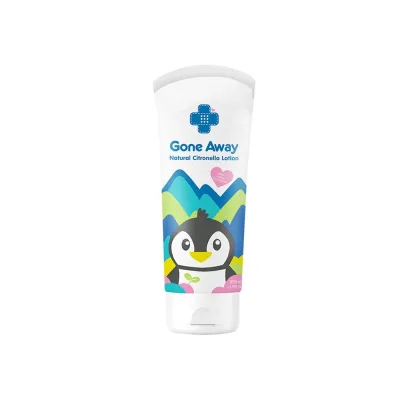
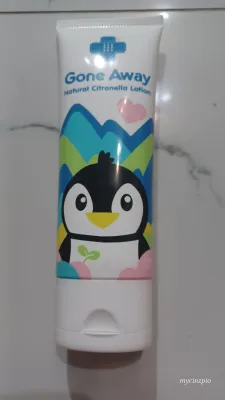
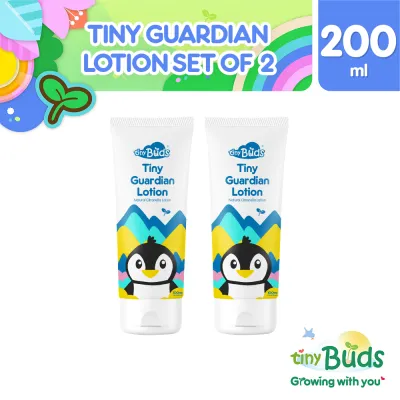
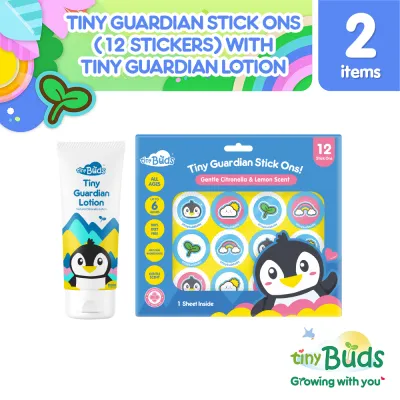
Prices are valid at publication and may change. Please refer to the product page for the latest price.
Next, look for the manufacturer’s explicit age recommendation. If the label states the product is not suitable for babies under six months, or if it specifies use for toddlers over two years, you must strictly respect these boundaries. Infant skin is much thinner than adult skin and absorbs topical substances far more rapidly, which increases the risk of systemic absorption and localized irritation.
Finally, check the label for specific warnings regarding skin application. Ensure the product is not meant solely for clothing or gear. Look for warnings against applying the lotion to sensitive areas, broken skin, sunburns, or near mucous membranes like the nose and mouth. If the label instructions are unclear or if the active ingredients are not fully disclosed, it is best to err on the side of caution and choose an alternative product with clear pediatric clearance.
Safe Application Practices for Infant Skin
When you have verified that a repellent lotion is age-appropriate for your baby, the method of application is just as important as the product itself. Improper application can lead to accidental ingestion, eye irritation, or inhalation of active chemicals. Establishing a careful, step-by-step routine ensures the lotion protects your baby without causing accidental harm.

Always apply the lotion to your own hands first. Squeeze a small, pea-sized amount into your palms, rub your hands together, and then gently pat or rub the lotion onto your baby’s exposed skin. This manual transfer method gives you complete control over where the product goes and prevents you from applying too much to any single area.
Never spray or squeeze the lotion directly onto your baby’s face, arms, or legs. Direct application increases the risk of the product splashing into the baby’s eyes or mouth, or being inhaled into their sensitive lungs. When applying the lotion to your baby’s face, use only a tiny amount from your fingers and carefully smooth it over their forehead and cheeks, staying far away from the eyes, nostrils, and mouth.
Avoid applying repellent to your baby’s hands. Infants constantly put their fingers in their mouths and rub their eyes, which can easily transfer the chemicals into their digestive system or cause painful ocular irritation. Similarly, do not apply the lotion under clothing; only apply it to skin that is directly exposed to the air, as covering treated skin can increase chemical absorption.
Once you have finished applying the lotion to your child, wash your own hands thoroughly with soap and water. This prevents you from accidentally transferring the repellent to food, toys, or your baby’s sensitive areas during subsequent handling. Keep the lotion bottle stored securely out of reach of children at all times to prevent accidental ingestion.
Monitoring for Adverse Reactions and When to Seek Help
Even when a product is labeled safe for babies, individual skin sensitivities can vary. An infant’s immune system and skin barrier are still developing, making them more prone to contact dermatitis or allergic reactions. Monitoring your baby closely after the first few applications is essential for catching any adverse reactions early.
After applying the lotion, observe the treated skin sites closely over the next few hours. Look for early signs of irritation, which may include localized redness, a raised rash, small blisters, dry patches, or signs that the baby is uncomfortable, such as scratching or rubbing the area. In a warm and humid climate, sweating can sometimes exacerbate skin irritation when combined with topical lotions.
If you notice any signs of skin irritation or if your baby begins to fuss and show discomfort, act immediately. Take the baby to a bath or sink and wash the treated skin thoroughly with mild baby soap and lukewarm water to remove all traces of the lotion. Gently pat the skin dry with a clean towel, avoiding any harsh rubbing that could further irritate the skin.
Stop using the product immediately if any reaction occurs. If the redness or rash does not improve after washing, or if it continues to spread, consult your pediatrician for guidance. Seek emergency medical attention immediately if your baby exhibits any systemic signs of an allergic reaction, such as swelling of the face, lips, or tongue, hives, wheezing, or difficulty breathing.
Physical and Environmental Mosquito Protection Alternatives
For newborns, very young infants, or babies with highly sensitive skin, physical and environmental barriers are the safest and most effective defense against mosquitoes. Relying on these non-chemical methods reduces your dependence on topical lotions while providing reliable protection against dengue and other insect-borne diseases.
Dress your baby in lightweight, long-sleeved shirts and long pants. Opt for light-colored clothing, as mosquitoes are naturally attracted to dark colors. In hot and humid weather, choose breathable fabrics like loose cotton to keep your baby cool and prevent heat rashes while keeping their skin fully covered and protected from bites.
Utilize fine-mesh netting to create a physical barrier between your baby and insects. Drape a fitted mosquito net over your baby’s stroller, carrier, playpen, or crib, ensuring there are no gaps where insects can slip through. A simple stroller net is an incredibly affordable and effective tool for outdoor walks or family gatherings.
Secure your home environment by keeping windows and doors closed or ensuring they are fitted with intact, tight-mesh screens. Regularly inspect screens for small tears or holes and repair them promptly. Indoors, you can use standing fans or ceiling fans; the constant airflow disrupts a mosquito’s flight path, making it difficult for them to land on your baby.
Eliminate standing water around your home to target mosquitoes at their source. Regularly empty, clean, or cover containers that collect water, such as flower pot saucers, buckets, pet bowls, and clogged roof gutters. Finally, try to limit outdoor activities during peak mosquito biting hours, which typically occur around dawn and dusk, to minimize exposure when insect activity is at its highest.
Frequently Asked Questions (FAQ)
Can I use Gone Away lotion on a newborn?
No, you should not use Gone Away lotion or any other topical chemical insect repellent on a newborn. Major pediatric and health organizations advise against applying topical repellents to infants under two months of age. A newborn’s skin is exceptionally thin and highly absorbent, and their internal systems are not yet fully equipped to process absorbed chemicals. For newborns, rely entirely on physical protection methods, such as dressing them in long sleeves, using mosquito netting over their cribs and strollers, and keeping them indoors during peak mosquito hours.
How should I combine sunscreen and insect repellent?
When your baby needs protection from both the sun and mosquitoes, always apply the sunscreen first. Rub the sunscreen into the skin and allow it to absorb completely for about 15 to 20 minutes before applying the insect repellent lotion over it. Avoid using combination products that contain both sunscreen and insect repellent in a single formula. Sunscreen requires frequent reapplication every two hours, whereas insect repellent should be applied sparingly and much less frequently; using a combination product risks over-exposing your baby’s skin to the active repellent chemicals.
Do I need to wash the lotion off after coming indoors?
Yes, you should always wash the insect repellent lotion off your baby’s skin once you return indoors and are no longer at risk of mosquito bites. Use warm water and a mild baby soap to thoroughly cleanse all treated areas, ensuring no chemical residue remains on their skin. Washing the lotion off prevents prolonged exposure and minimizes the risk of skin irritation or cumulative absorption through the skin barrier. After bathing, dress your baby in clean, untreated clothing for the rest of the day or night.
Community discussion
Share your experience or ask a question. Comments are reviewed before publication.