
Postpartum recovery is a highly delicate phase, both physically and emotionally. Following childbirth, sudden hormonal fluctuations can leave your skin feeling dry, sensitive, or prone to conditions like melasma and sudden breakouts. In search of a solution, many mothers look toward advanced skincare ingredients to restore their pre-pregnancy glow and support skin barrier repair.
Among these ingredients, GHK-Cu—frequently referred to as copper peptides—has gained significant popularity for its skin-renewing properties. However, when you are nursing, every product you apply to your skin requires careful evaluation to ensure it does not pose a risk to your baby.
The Short Answer: Is GHK-Cu Safe During Lactation?
While many topical skincare ingredients generally have low systemic absorption, there is currently a lack of dedicated clinical trials evaluating the safety of GHK-Cu specifically for breastfeeding mothers. In the scientific community, a lack of evidence regarding adverse effects does not equate to a proven safety profile. Because clinical researchers rarely conduct experimental drug or cosmetic trials on lactating individuals due to ethical constraints, the precise safety of synthetic copper peptides during this period remains undefined.
Products mentioned in this guide
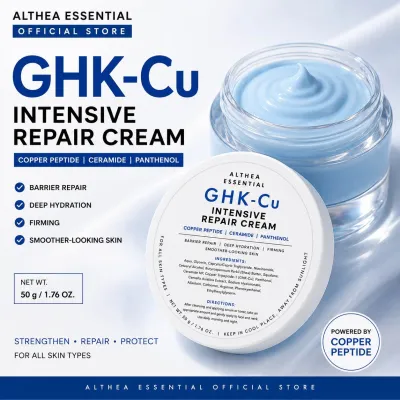
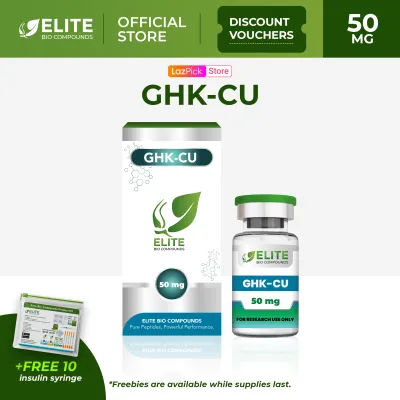
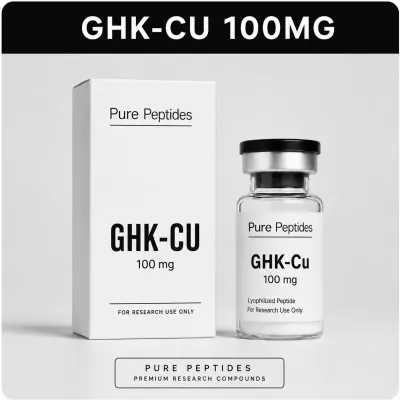
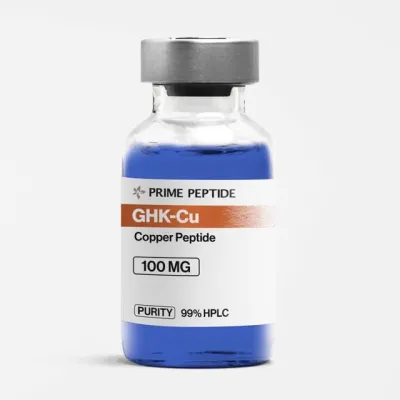
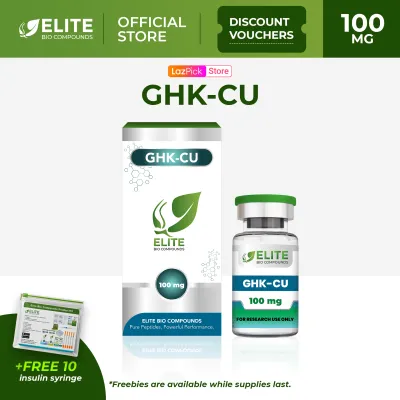
Prices are valid at publication and may change. Please refer to the product page for the latest price.
Most dermatologists and pediatricians advise taking a cautious approach when dealing with under-researched active ingredients. Before introducing GHK-Cu into your postpartum skincare routine, it is highly recommended to consult a pediatrician, dermatologist, or a certified lactation consultant. They can help you weigh your individual skin needs against any potential risks to your nursing infant.
Understanding GHK-Cu: What Copper Peptides Do for Your Skin
To make an informed decision, it is helpful to understand what GHK-Cu is and how it functions. GHK-Cu is a naturally occurring copper complex consisting of the tripeptide glycyl-L-histidyl-L-lysine bound to a copper ion. In the human body, these peptides play a natural role in supporting collagen production, blood vessel growth, wound healing, and anti-inflammatory processes.

In commercial skincare formulations, synthetic GHK-Cu is utilized to target fine lines, improve skin elasticity, and promote overall skin remodeling. It works primarily on the skin’s surface and upper layers to support a healthy skin barrier and mitigate environmental damage.
Although copper is an essential trace mineral required by both adults and infants for normal physiological function, commercial serums contain highly concentrated, synthetic forms of these peptides. The metabolic pathways of a developing infant are highly sensitive, and the safety of exposing a baby to these concentrated cosmetic formulations through maternal skin contact or systemic transfer remains under-researched. This uncertainty is the primary reason healthcare professionals advise caution.
Evaluating the Risks: Skin Absorption and Infant Exposure
When assessing the safety of any topical product during lactation, the primary scientific concept to consider is percutaneous absorption. This refers to the rate and extent to which a topically applied ingredient penetrates the skin barrier, enters the maternal bloodstream, and potentially transfers into breast milk.
Generally, molecules with a high molecular weight have difficulty penetrating the outer layer of the skin (the stratum corneum). In dermatology, the “500 Dalton rule” suggests that compounds larger than 500 Daltons struggle to pass through healthy skin. The GHK peptide itself has a molecular weight of approximately 340 Daltons. When complexed with copper, it remains relatively small, meaning it has a higher theoretical capacity for skin penetration than larger, bulkier proteins.
Several variables can significantly increase the rate of absorption or the risk of exposure:
- Compromised Skin Barrier: Postpartum skin is often dry, cracked, or irritated due to hormonal shifts. A damaged skin barrier allows topical ingredients to penetrate much more deeply and rapidly into the bloodstream.
- High Concentrations: Using professional-strength serums or concentrated spot treatments increases the localized dose of copper peptides.
- Large Application Areas: Applying a product over extensive areas of the body, such as the neck, chest, or stretch marks on the abdomen, increases the total surface area available for absorption.
- Tropical Climate Factors: In warm, humid environments, increased perspiration can cause skincare products to migrate on the skin, potentially transferring residues onto clothing or directly onto your baby during close contact.
Beyond systemic transfer through breast milk, the most immediate risk is direct infant exposure. If you apply a copper peptide serum to your chest, breasts, or neck, your baby’s highly sensitive skin can easily rub against the treated area during nursing. This direct contact can lead to localized skin irritation, or worse, accidental oral ingestion if the baby touches the area and places their hands in their mouth.
Harm Reduction: How to Minimize Risks If You Use GHK-Cu
If you and your healthcare provider decide that the benefits of using GHK-Cu outweigh the theoretical risks, implementing strict harm-reduction strategies can help protect your baby from exposure.
Establish Strict Application Zones
Limit the use of GHK-Cu exclusively to your face. You must strictly avoid applying any copper peptide products to your chest, breasts, nipples, or upper arms. These are the primary zones that come into direct contact with your baby’s skin and mouth during feeding and cuddling.
Optimize Your Skincare Timing
Apply your skincare products immediately after a nursing or pumping session. This maximizes the time window before your next feed, allowing the product to absorb fully and reducing the presence of wet, active residue on your skin when you next hold your baby.
Practice Rigorous Hygiene
Always wash your hands thoroughly with soap and water immediately after applying any active skincare product. Ensure that your face is completely dry and that there is no transferable residue before allowing your baby’s face or hands to touch your skin.
Perform a Patch Test
Postpartum skin can be highly reactive due to fluctuating hormone levels. Before applying GHK-Cu to your face, perform a patch test by applying a small amount to your inner forearm or jawline for 24 to 48 hours. Monitor the site for any signs of redness, itching, or swelling.
Safer Postpartum Alternatives for Skin Repair and Glow
For mothers who prefer to completely avoid under-researched active ingredients until after weaning, several highly effective and widely accepted alternatives can address postpartum skin concerns safely.
- Hyaluronic Acid and Glycerin: These are powerful humectants that draw moisture into the skin. Because they are naturally occurring substances that work purely on the surface to hydrate and plump, they carry virtually no risk of systemic absorption or infant toxicity.
- Ceramides: These lipid molecules are essential components of the skin barrier. Topical ceramides help rebuild a compromised skin barrier, sealing in moisture and protecting against environmental irritants without penetrating into the deeper bloodstream.
- Azelaic Acid: Frequently recommended by dermatologists as a safe option during pregnancy and lactation, azelaic acid is highly effective at treating postpartum melasma, hyperpigmentation, and mild acne.
- Vitamin C (L-Ascorbic Acid): This well-studied antioxidant helps brighten skin tone, boost collagen production, and fade dark spots. When used in moderate, over-the-counter concentrations, it is considered safe for breastfeeding mothers.
When selecting alternative products, always read the full ingredient list. Avoid formulations that combine safe ingredients with high-risk actives like retinoids or high-strength salicylic acid. Always verify specific product formulations with your doctor to ensure they align with your health profile.
Warning Signs: When to Stop and Consult a Doctor
When introducing any new skincare product during the postpartum period, close monitoring of both your skin and your baby’s health is essential. You should immediately discontinue use and seek professional guidance if you observe specific warning signs.
Maternal Warning Signs
- Severe redness, burning, or itching at the application site
- Persistent peeling, flaking, or hives
- Signs of contact dermatitis or localized swelling
Infant Warning Signs
- Unexplained skin rashes or redness on the baby's face, hands, or body
- Unusual fussiness or signs of physical discomfort after close contact
- Any sudden changes in feeding behavior, lethargy, or digestive upset
If you experience any uncertainty regarding your baby’s health, or if you develop an adverse skin reaction, pause all active skincare products immediately and consult a qualified pediatrician or dermatologist.
Frequently Asked Questions (FAQ)
Can I use copper peptide serums on my face while nursing?
Yes, you can theoretically use copper peptide serums on your face, as facial application poses a much lower risk of direct infant ingestion compared to application on the chest or body. However, because comprehensive clinical safety data on lactation is still lacking, you must take extra precautions. Ensure the serum is completely absorbed and your skin is dry before holding your baby, and prevent your baby’s face or hands from rubbing against your treated skin.
Does topical GHK-Cu affect breast milk supply?
There is currently no scientific evidence or biological mechanism suggesting that topical copper peptides affect breast milk supply or lactation hormones like prolactin and oxytocin. Skincare ingredients applied to the face generally do not reach systemic levels high enough to interfere with milk production. If you experience any unexpected changes in your milk volume, consult a certified lactation consultant or your healthcare provider to evaluate other potential postpartum factors.
Community discussion
Share your experience or ask a question. Comments are reviewed before publication.