
The Short Answer: Is Franela Safe for Your Newborn?
When preparing a nursery, parents often look for the softest, most comfortable fabrics for their baby’s crib. Among the many textile options available, franela—a Spanish term widely used in the Philippines for brushed cotton flannel—frequently comes up as a cozy choice. However, when considering franela for newborn baby nursery setups, parents must prioritize safe sleep guidelines over cozy aesthetics.
The short answer is that 100% cotton franela is generally safe for newborns to sleep on, but only when it is used as a tightly fitted sheet over a firm, flat mattress. The fabric itself is not inherently toxic or dangerous. Instead, the primary safety risks stem from improper usage, such as using loose franela blankets, heavy quilts, or poorly fitting sheets that can easily detach. Safe sleep guidelines from pediatric health organizations consistently emphasize that a bare, firm sleep surface is far more critical to an infant’s safety than the specific textile composition of their bedding. While a snug, well-fitted franela sheet is acceptable under specific conditions, parents must remain vigilant about environmental factors like room temperature and humidity.
Key Safety Risks of Franela Bedding for Newborns
Newborn babies are highly vulnerable to environmental changes and physical hazards during sleep because their bodies are still developing. Unlike older infants or adults, newborns cannot easily regulate their own body temperature, roll away from breathing obstructions, or communicate discomfort. Understanding the specific physical properties of franela and how they interact with an infant’s physiology is crucial for maintaining a secure sleeping environment.
Products mentioned in this guide
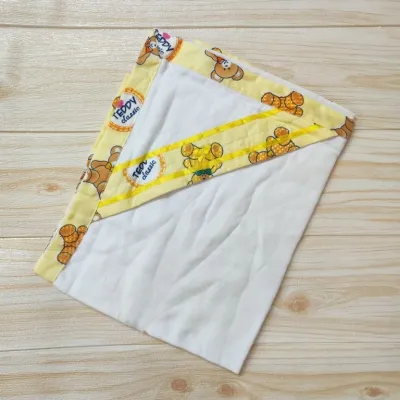
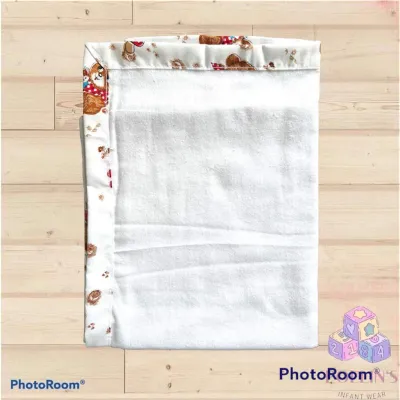

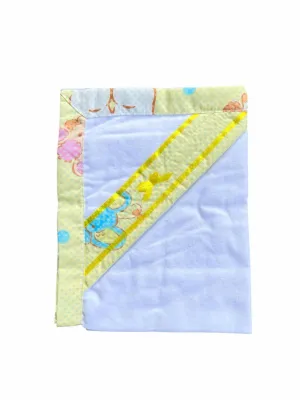
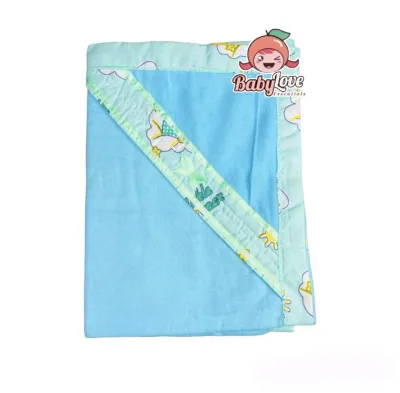
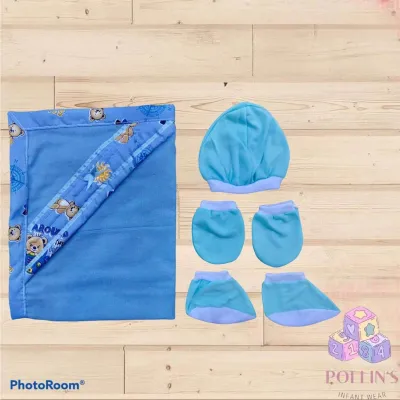
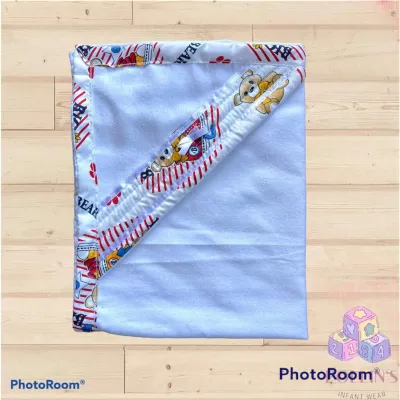
Prices are valid at publication and may change. Please refer to the product page for the latest price.

Overheating in a Tropical Climate
Overheating is a significant, well-documented risk factor associated with Sudden Infant Death Syndrome (SIDS). In a tropical country like the Philippines, where high temperatures and elevated humidity levels persist throughout the year, managing a baby’s sleep temperature requires constant attention. Franela is unique because the cotton fibers undergo a mechanical brushing process. This brushing raises the tiny loose fibers on the surface of the fabric, creating a soft, fuzzy nap. While this texture feels incredibly gentle to the touch, it is specifically designed to trap air and retain body heat.
Even though high-quality 100% cotton franela is naturally breathable, the brushed nap means it will always hold more heat than standard, flat-woven cotton sheets. In a warm or humid room, this heat-trapping effect can cause a newborn’s body temperature to rise rapidly. Because infants do not sweat as efficiently as adults, they can easily overheat without showing obvious signs of distress immediately.
To protect your baby, you must learn to check their temperature accurately. Do not rely on feeling their hands or feet, as peripheral circulation in newborns is still developing, making their extremities naturally cooler than the rest of their body. Instead, place your hand directly on the skin of the baby’s chest or the back of their neck. If the skin feels hot, damp, or sweaty, or if you notice flushed cheeks or rapid breathing, the baby is too warm. In these situations, you must take immediate action to cool the environment, adjust their clothing, or transition to a lighter, flat-woven cotton sheet.
Suffocation and Loose Bedding Hazards
The mechanics of infant suffocation are a primary concern for pediatricians and safe sleep advocates. Universal safe sleep guidelines dictate that a baby’s crib must remain completely bare for the first 12 months of life. This means no loose blankets, top sheets, pillows, bumper pads, sleep positioners, or stuffed toys should ever be placed in the sleeping area.
If franela is used as a loose blanket over a sleeping newborn, the risk of accidental suffocation increases dramatically. Newborns lack the motor skills and head control required to pull a blanket away from their face if it shifts during sleep. Because brushed franela is thicker and heavier than standard muslin or flat-woven cotton, it can easily drape over an infant’s nose and mouth, blocking their airway.
Furthermore, the physical structure of soft, plush fabrics means they can conform more easily to the contours of a baby’s face, creating a seal that restricts oxygen intake and leads to the rebreathing of carbon dioxide. This same risk applies to fitted sheets that are not properly secured. If a franela fitted sheet is loose, has worn-out elastic, or is designed for a larger mattress, it can easily bunch up or pop off the corners of the bed. A bunched-up sheet creates a soft, uneven surface that poses the same entrapment and suffocation hazards as a loose blanket.
Selecting Safe Franela for Newborn Baby Bedding
If you decide to incorporate franela sheets into your nursery setup, you must shop with a strict focus on material composition and manufacturing standards. Not all flannel fabrics are created equal, and many products sold in retail stores or online marketplaces contain synthetic materials that are unsuitable for a newborn’s sensitive skin and sleep safety.
Fabric Composition and Skin Sensitivity
A newborn’s skin is incredibly delicate, thin, and highly sensitive to external irritants. It is prone to common infant skin conditions such as contact dermatitis, eczema, and heat rash, which is locally known as bungang-araw. When selecting bedding, parents must carefully read the product labels to verify that the fabric is made of 100% pure cotton franela.
Many budget-friendly bedding options are made from synthetic blends, such as polyester-cotton (polycotton) or micro-flannel. While these synthetic alternatives are often cheaper—typically ranging in broad price bands from ₱200 to ₱400, compared to 100% cotton sheets which may range from ₱500 to ₱1,500—they pose serious comfort and safety issues. Synthetic fibers do not breathe. They trap moisture and heat against the baby’s skin, creating a hot, humid microclimate in the crib that rapidly triggers heat rashes and skin irritation.
Additionally, parents should avoid fabrics that have been heavily treated with chemical dyes, flame retardants, or finishes. These chemicals can cause allergic reactions or respiratory irritation. When unboxing any new nursery bedding, check for strong chemical odors; a harsh, synthetic smell is a clear indicator that the fabric requires thorough washing or may contain excessive chemical residues.
Certifications and Labels to Look For
Because the textile manufacturing process often involves various chemical treatments, relying solely on a product’s marketing claims is not enough. Parents should look for independent, internationally recognized textile safety certifications. One of the most reliable standards is the OEKO-TEX Standard 100 certification. When a product carries this label, it means every component of the fabric—from the thread to the dyes and accessories—has been rigorously tested and verified to be free from harmful levels of toxic substances, heavy metals, and formaldehyde.
Since these certifications are dynamic and can change, you should actively verify the manufacturer’s claims. Look for the specific certification number on the product packaging and check it against the certifying body’s official database.
Beyond fabric safety, you must always read and follow the manufacturer’s specific age, weight, and usage recommendations printed on the product label. Never assume a product is safe for a newborn simply because it is categorized under “baby bedding.” Some manufacturers explicitly state that their heavier flannel products are only intended for infants over a certain age or weight, or for use in specific climate-controlled environments.
Safe Sleep Practices When Using Franela Sheets
Using franela sheets safely in a newborn’s crib requires strict adherence to safe sleep protocols. By implementing these practices, you can minimize the inherent risks of heat retention and fabric movement, ensuring a secure resting place for your baby.
- Ensure a Snug, Secure Fit: Only use franela fitted sheets that are specifically manufactured to match the exact dimensions of your crib mattress. Standard crib mattresses in the Philippines often come in specific sizes, and a sheet that is even slightly too large will bunch up. The sheet must have strong, high-quality elastic that wraps entirely around the underside of the mattress, not just at the corners. This prevents the sheet from popping off if the baby moves or if you lift them from the crib.
- Maintain a Completely Firm Surface: When the fitted sheet is placed on the mattress, the sleeping surface must remain completely firm and flat. If you press your hand down on the mattress, it should not indent deeply, and the sheet should not create any soft folds or plush pockets. A firm surface ensures that even if the baby rolls onto their stomach, their face will not sink into the bedding, keeping their airway clear.
- Utilize Appropriate Sleepwear Instead of Blankets: Never place a loose franela blanket over your sleeping newborn. If the room is cool—such as when the air conditioning is running—dress your baby in a wearable blanket, sleep sack, or footed sleepwear instead. When choosing sleepwear, check the manufacturer's Thermal Overall Grade (TOG) rating. A low TOG rating (such as 0.5 or 1.0) is ideal for tropical climates, as it provides a lightweight layer of comfort without the risk of overheating.
- Optimize the Room Environment: Because brushed franela naturally retains heat, you must actively manage the nursery's climate. Keep the room well-ventilated. If you use an air conditioner, set it to a comfortable, moderate temperature (typically between 20°C and 22°C). If you rely on a ceiling fan or a standing fan, ensure the air circulates gently throughout the room but does not blow directly onto the baby's crib, which can cause rapid cooling or discomfort.
When to Stop Using Franela or Consult a Pediatrician
As your baby grows and the bedding undergoes regular wear and wash cycles, you must continuously monitor the condition of both the fabric and your baby’s physical health. Knowing when to make changes is vital for ongoing safety.
You must discontinue the use of any franela fitted sheet immediately if you observe any of the following physical changes:
- The elastic becomes stretched out, loose, or brittle, meaning the sheet no longer hugs the mattress securely.
- The fabric shows significant signs of pilling, which creates small, loose fiber balls on the surface. These pills can detach and pose a mild inhalation or choking hazard to a newborn, or cause skin irritation.
- The fabric develops tears, thin spots, or loose threads that could wrap around a baby's fingers or toes, presenting a constriction hazard.
Additionally, you must consult a pediatrician or qualified medical professional immediately if your baby exhibits any health concerns. Do not attempt to self-diagnose skin conditions or heat-related symptoms at home. Seek professional medical advice if:
- Your baby develops unexplained skin rashes, persistent dry patches, or hives.
- Your baby shows signs of heat exhaustion, such as excessive sweating, a hot or flushed chest, rapid breathing, extreme fussiness, or unusual lethargy.
- You are uncertain about the safety or suitability of your current crib setup and need professional guidance on safe sleep practices tailored to your child's specific developmental stage.
Frequently Asked Questions (FAQ)
How should I wash new franela bedding before using it for my newborn?
Before placing any new franela sheets in your baby’s crib, you must wash them thoroughly to prepare the fabric for contact with sensitive newborn skin. New textiles often carry chemical residues from the manufacturing process, as well as dust and starch used to keep the fabric looking crisp on store shelves.
Wash the bedding in warm or cool water using a mild, baby-safe, and fragrance-free laundry detergent. To protect your baby’s skin and preserve the fabric, avoid using fabric softeners, dryer sheets, or liquid bleach. Fabric softeners and dryer sheets leave a chemical coating on the cotton fibers. While this coating makes the fabric feel slick, it significantly reduces the natural breathability and moisture-wicking properties of the cotton, making the sheet much hotter for your baby. Furthermore, these chemical residues and artificial fragrances are common triggers for infant skin allergies and respiratory irritation.
Can I use a franela swaddle for my newborn?
Swaddling is a traditional practice designed to help newborns feel secure and prevent the startle reflex from waking them. However, because swaddling involves wrapping a baby in multiple layers of fabric, the choice of material is critical for safety.
Thick, brushed franela is generally not recommended for swaddling, particularly in warm or humid climates. Wrapping a baby tightly in heavy franela can trap excessive body heat, rapidly leading to dangerous overheating. Instead, pediatricians and safe sleep experts recommend using highly breathable, lightweight, and single-layer fabrics, such as cotton muslin or lightweight cotton jersey wraps, for swaddling.
When swaddling, always follow safe guidelines: ensure the swaddle is snug around the chest but loose around the hips and legs to allow natural hip movement to prevent hip dysplasia. Most importantly, you must stop swaddling your baby entirely as soon as they show any signs of attempting to roll over, as a swaddled infant who rolls onto their stomach faces an extremely high risk of suffocation.
Community discussion
Share your experience or ask a question. Comments are reviewed before publication.