
When your baby’s first tiny tooth buds emerge, it is a milestone worth celebrating. However, this milestone also brings a wave of practical questions for parents, especially regarding oral hygiene. If your baby has not yet learned how to spit, the idea of using a fluoride-containing milk teeth toothpaste can feel deeply concerning. You might worry that swallowing the toothpaste daily will harm your child’s developing body.
The short answer is that fluoride toothpaste is safe and highly recommended for babies with milk teeth, even if they cannot spit yet, provided you strictly control the dosage. The safety of fluoride does not depend on your baby’s ability to spit, but rather on the precise amount of toothpaste you apply to the brush. By using a tiny, controlled smear, you can protect your baby’s new teeth from decay while keeping the amount of swallowed fluoride well within safe limits.
The Short Answer: Safety Depends on Dosage
Using fluoride toothpaste for infants who cannot spit is not only safe when managed correctly, but it is also widely endorsed by pediatric dental authorities globally. The primary objective of introducing fluoride early is to protect the newly erupted milk teeth from dental caries, commonly known as tooth decay. Because baby tooth enamel is relatively thin and highly susceptible to acid attacks from milk, formula, and food residues, fluoride plays a critical role in remineralizing these fragile surfaces.
Products mentioned in this guide
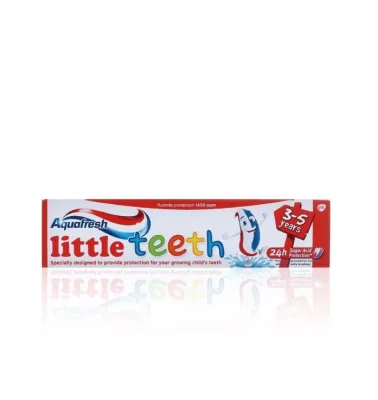
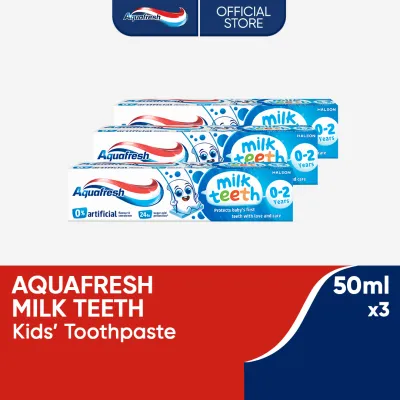
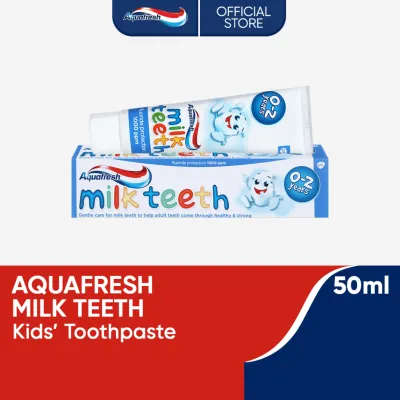
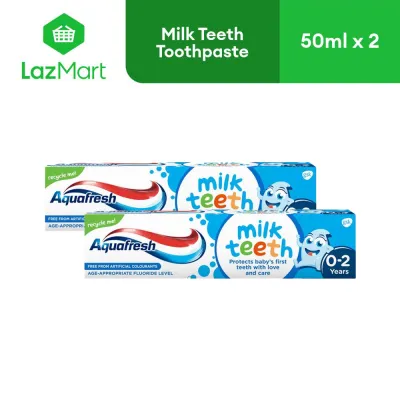
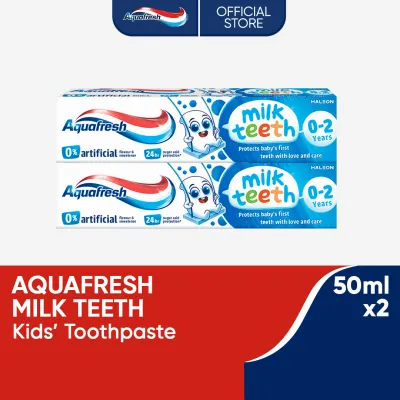

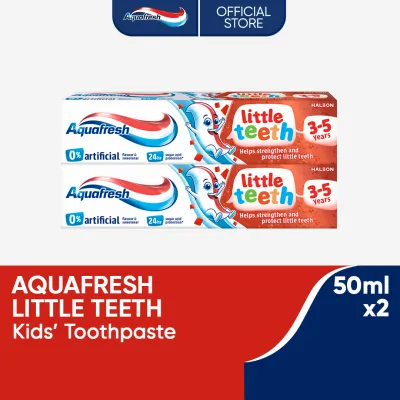
Prices are valid at publication and may change. Please refer to the product page for the latest price.
However, the safety of this practice hinges entirely on the volume of toothpaste used during each brushing session. When a baby swallows a minute, controlled amount of toothpaste, the systemic absorption of fluoride is negligible and does not pose a health risk. The decision to start using fluoride should not be delayed simply because your child has not mastered the physical coordination required to spit. Instead, parents must take full responsibility for portion control, ensuring that only a microscopic amount is applied to the toothbrush.
Because every child’s oral health profile is unique, it is highly beneficial to consult a pediatric dentist to evaluate your baby’s specific cavity risk. Factors such as dietary habits, feeding schedules, and genetic predispositions can influence whether your baby needs immediate fluoride protection or if a temporary alternative is more appropriate. A professional assessment provides a customized roadmap for your child’s early dental care.
Understanding the Risks of Swallowing Fluoride
To make informed decisions about your baby’s oral care, it is essential to understand exactly what happens when a child swallows fluoride. While fluoride is a naturally occurring mineral that strengthens teeth, excessive ingestion over an extended period can lead to specific side effects. By understanding these risks, you can appreciate why strict portion control is so heavily emphasized by dental professionals.

Dental Fluorosis
The most common consequence of chronic fluoride over-exposure in young children is dental fluorosis. This condition occurs when a child consistently swallows too much fluoride over several years while their permanent teeth are still developing deep inside the gums. Fluorosis is primarily a cosmetic issue; it does not affect the structural integrity or health of the teeth. Instead, it manifests as faint white spots, streaks, or, in more severe and rare cases, brown discoloration on the surfaces of the permanent teeth once they finally erupt. Because milk teeth are temporary, fluorosis on them is extremely rare, but the concern is for the permanent teeth growing underneath, which are sensitive to excess systemic fluoride during the first few years of life.
Mild Stomach Upset
If a baby swallows a slightly larger-than-recommended amount of toothpaste during a single brushing session, the immediate result is usually minor. The fluoride can react with stomach acids to form hydrofluoric acid, which may cause mild, temporary stomach irritation, nausea, or a mild tummy ache. This is a transient reaction and typically resolves on its own without any long-term consequences, but it serves as a reminder to keep the toothpaste quantity strictly limited.
Acute Toxicity
Severe fluoride toxicity is an extremely rare emergency that only occurs if a child ingests a massive quantity of fluoride at once—such as eating an entire tube of toothpaste. Symptoms of acute toxicity include severe vomiting, diarrhea, excessive salivation, and abdominal pain. Because of this risk, toothpaste should never be treated as a toy or left within a baby’s reach. Proper storage is the absolute line of defense against this highly preventable hazard.
Fluoride vs. Fluoride-Free: Making the Right Choice
When browsing the baby care aisle, parents are confronted with two primary categories: fluoride-containing milk teeth toothpaste and fluoride-free training toothpaste. Choosing between them requires weighing your baby’s specific risk of tooth decay against your ability to manage their daily brushing routine safely.
Fluoride Toothpaste
Fluoride toothpaste is the gold standard for active cavity prevention. It works by chemically bonding with the calcium and phosphate in your baby’s saliva to rebuild and strengthen weakened tooth enamel. This process, known as remineralization, makes the teeth significantly more resistant to the acids produced by plaque bacteria. For babies who are at a higher risk of developing early childhood caries—such as those who frequently feed at night, consume sweetened beverages, or have a family history of rapid tooth decay—fluoride toothpaste is highly recommended from the very first tooth.
Fluoride-Free / Training Toothpaste
Fluoride-free options, often labeled as “training toothpaste,” are formulated without active fluoride. Instead, they rely on mild cleaning agents and sometimes ingredients like xylitol to help clean the teeth. These toothpastes are designed primarily to help babies transition into a regular oral hygiene routine. They allow infants to get used to the physical sensation of brushing and the taste of toothpaste without any risk of systemic fluoride ingestion. However, because they lack fluoride, they do not provide active enamel remineralization or robust protection against cavities.
Decision Framework
To decide which option is best for your family, consider your baby’s daily environment and dietary habits. In tropical climates like the Philippines, where high humidity and heat might lead families to offer refreshing fruit juices or sweet snacks more frequently, the risk of rapid tooth decay can be elevated. If your baby still wakes up for night feedings—whether breast milk or formula—the sugars can pool around the teeth for hours, creating an ideal environment for bacteria. If your baby has these risk factors, starting with a tiny smear of fluoride toothpaste is often the safest path to prevent painful decay. Conversely, if your baby has low cavity risk and you prefer to wait until they can spit reliably, a fluoride-free training toothpaste can serve as a temporary stepping stone, provided you transition to fluoride once advised by your dentist.
Safe Brushing Practices to Minimize Swallowing Risks
Implementing safe brushing habits at home is the most effective way to harness the protective benefits of fluoride while eliminating the risks associated with swallowing. By establishing a controlled, systematic routine, you can ensure your baby’s mouth remains clean and healthy.
Strict Portion Control
The golden rule of infant brushing is to use an incredibly small amount of toothpaste. For babies and toddlers under the age of three, you should use no more than a tiny smear, often described as the size of a single grain of dry rice. Never allow your child to hold the toothpaste tube or apply it themselves. As the caregiver, you must physically dispense the toothpaste, pressing it slightly into the bristles of the brush so the baby cannot easily lick the dollop off in one go.
Supervised Brushing
An adult must physically perform the brushing for babies and young toddlers. Even as children grow older and want to mimic your actions, they lack the manual dexterity and cognitive understanding to clean their teeth effectively or to avoid swallowing the paste. Continue to closely supervise and assist with brushing until your child can reliably spit out all excess saliva and toothpaste, which typically occurs around the age of three to six.
Post-Brushing Cleanup
Because babies cannot spit, you must adapt your post-brushing routine. After thoroughly brushing all surfaces of your baby’s teeth, do not try to rinse their mouth with water, as this will almost certainly cause them to swallow the mixture of water and toothpaste. Instead, take a clean, damp, soft cotton washcloth or a piece of sterile gauze—often referred to locally as a clean “bimpo”—and gently wipe away the excess foam, saliva, and food debris from their teeth, gums, and tongue. This simple step physically removes the bulk of the leftover toothpaste while leaving a microscopic protective layer of fluoride on the enamel.
Safe Storage
Always treat toothpaste with the same level of caution as prescription medication. Store all toothpaste tubes—especially those with appealing sweet or fruity flavors—in a high cabinet, locked drawer, or secure container that is completely out of your baby’s sight and physical reach. Preventing unsupervised access is the single most effective way to eliminate the risk of accidental acute ingestion.
How to Read Milk Teeth Toothpaste Labels
With dozens of baby oral care products available on store shelves, reading and interpreting product labels is a crucial skill for parents. Before making a purchase, take a few moments to verify the specifications on the packaging to ensure the product is safe and appropriate for your baby’s developmental stage.
Age Recommendations
Always look for clear age guidelines on the packaging, such as “0-2 years,” “infant,” or “first teeth.” Manufacturers design these products with specific formulations tailored to the developmental needs and safety profiles of different age groups. Avoid buying generic “kids’ toothpaste” without checking the age bracket, as products meant for older children often assume the child can already spit and may contain higher concentrations of active ingredients.
Fluoride Concentration
If you are purchasing a fluoride toothpaste, check the active ingredients list for the fluoride concentration, which is measured in parts per million (ppm). Infant and toddler formulations typically contain lower concentrations of fluoride (often around 500 ppm to 1000 ppm) compared to adult toothpastes, which usually range from 1000 ppm to 1500 ppm. Ensure you verify the exact concentration on the label, and consult your pediatric dentist to confirm if the level is appropriate for your baby’s specific needs.
Flavor and Foaming Agents
Look for toothpastes that are free from strong, artificial mint flavors, which can be too intense or irritating for a baby’s sensitive mouth. Instead, opt for mild, natural fruit flavors that encourage cooperative brushing. Additionally, look for low-foaming formulas that are free from Sodium Lauryl Sulfate (SLS). SLS is a common foaming agent that can cause oral irritation in some babies and creates excessive suds, making it much harder to wipe away the excess paste after brushing.
Safety Seals and Certifications
Check the packaging for recognized dental association seals or local regulatory clearances, such as registration with the Food and Drug Administration of the Philippines. While these seals indicate that the product has met specific manufacturing and safety standards, remember to read the fine print. A safety seal does not replace the need for strict parental supervision and precise portion control at home.
When to Seek Professional Dental Advice
While a consistent home care routine is the foundation of good oral health, it cannot replace professional clinical care. Knowing when to transition from home management to professional dental evaluation is vital for preventing long-term dental issues.
The general recommendation from pediatric dental associations is to schedule your baby’s first dental visit within six months of the eruption of their very first tooth, or by their first birthday—whichever comes first. This early visit allows the dentist to assess your baby’s jaw development, check the health of the emerging milk teeth, and provide personalized guidance on fluoride use based on your local water supply and your baby’s diet.
Between regular checkups, you should closely monitor your baby’s mouth during brushing. If you observe any unusual signs—such as chalky white spots (which can indicate early enamel demineralization), dark brown or black spots, visible plaque buildup that does not brush away, or persistent bad breath—schedule an appointment immediately. These are early warning signs of decay that require prompt professional intervention to prevent painful cavities.
Furthermore, always prioritize your baby’s comfort and physical safety. If your baby exhibits signs of an allergic reaction, oral irritation, redness, or extreme distress that does not improve with gentle brushing techniques, stop using the toothpaste immediately. Consult your pediatrician or pediatric dentist to identify the cause and find a suitable, non-irritating alternative.
Frequently Asked Questions (FAQ)
What should I do if my baby accidentally eats a large amount of toothpaste?
If your baby manages to get hold of a toothpaste tube and swallows a large, concentrated amount, it is vital to remain calm and act quickly. Do not attempt to induce vomiting, as this can cause throat irritation or accidental aspiration. If your baby is fully conscious, alert, and able to swallow safely, give them a small glass of milk or a few spoonfuls of yogurt. The calcium in dairy products naturally binds to fluoride in the stomach, significantly reducing its absorption into the body.
Immediately after taking these initial steps, contact your pediatrician, a local poison control center, or head to the nearest emergency medical facility. Be sure to bring the exact toothpaste tube with you so the medical professionals can read the active ingredients, determine the precise fluoride concentration, and calculate the potential dosage ingested to provide the correct treatment.
Community discussion
Share your experience or ask a question. Comments are reviewed before publication.