
Direct Safety Answer and Key Conditions
Fluoride toothpaste is generally safe and highly recommended for babies and toddlers in the Philippines, provided it is used under strict caregiver supervision and in carefully controlled amounts. The safety of fluoride is not absolute; rather, it is conditional on matching the product’s concentration to your child’s specific developmental stage and ensuring they do not regularly swallow the paste. Because young children have not yet developed the coordination to spit reliably, managing the quantity used is the single most important factor in preventing overexposure.
Every child’s oral health profile is unique, influenced by dietary habits, genetics, and local water fluoridation levels. Some toddlers may have a higher risk of early childhood caries, while others might have developmental conditions that affect their swallowing reflexes. Because of these individual variations, you should verify the suitability of any fluoride product with a pediatric dentist or healthcare provider before introducing it into your child’s daily routine.
How Fluoride Works and Why Concentration Matters
To understand why fluoride is vital, it helps to look at how it interacts with developing teeth. When your baby’s teeth erupt, the outer enamel is still relatively soft and susceptible to acid attacks from bacteria feeding on sugars in milk, formula, or solid foods. Fluoride works locally by integrating into the enamel structure, promoting remineralization, and making the teeth more resistant to future acid decay. It acts as a protective shield, helping to stop early-stage decay before it turns into a cavity.
Products mentioned in this guide

Prices are valid at publication and may change. Please refer to the product page for the latest price.

However, when it comes to pediatric oral care, higher concentrations of fluoride do not translate to better protection. Young children frequently swallow toothpaste during brushing, and excessive systemic intake can lead to cosmetic changes in developing permanent teeth. This is why safety depends entirely on verifying the parts per million (ppm) of fluoride printed on the packaging, rather than assuming all children’s toothpastes are formulated the same way.
As a caregiver, you must treat these labeled concentrations as manufacturer specifications that require careful verification. Standards and recommendations can vary based on individual risk factors, so cross-checking the package’s ppm value against current guidelines from local pediatric dental associations is a prudent step. Ensuring the concentration matches your child’s age group minimizes systemic absorption while maximizing the local, protective benefits on the tooth surface.
Age-Appropriate Usage Guidelines and Amounts
Implementing a structured, stage-based oral care routine helps ensure your child receives the benefits of fluoride without the risks of overexposure. These practices should evolve alongside your child’s developmental milestones, transitioning from gentle cleaning to active brushing as more teeth emerge. Always confirm the manufacturer’s age recommendations on the product label and adjust your approach based on professional dental advice.
Under 3 Years Old
Before your baby’s first teeth erupt, oral hygiene focuses on cleaning the gums. You can do this by gently wiping the upper and lower gums with a clean, damp cloth or a soft infant silicone brush dipped in plain water after feedings. This practice helps clear away food residue and acclimates your baby to the sensation of oral cleaning, establishing a comfortable routine early on.
Once the very first tooth emerges—which often occurs around six months of age—you should transition to using a tiny smear of fluoride toothpaste. This smear should be no larger than a single grain of rice, spread thinly across the bristles of a soft-bristled infant toothbrush. At this stage, you must maintain complete control of the toothbrush, as infants lack the motor skills and the cognitive ability to spit out the paste.
Because children under three years old almost always swallow what is placed in their mouths, keeping the amount to a minimal smear is critical. This tiny volume ensures that even if the entire amount is swallowed, the total fluoride ingested remains well within safe limits. Brushing should be performed twice daily, ideally after breakfast and right before bed, to keep cavity-causing bacteria at bay.
3 to 6 Years Old
As your child reaches their third birthday, their swallowing coordination typically begins to improve, though they still require close supervision. At this stage, you can increase the amount of toothpaste to a pea-sized portion, which provides an adequate amount of fluoride to protect their expanding set of primary teeth. Always refer to the age labeling on your chosen product to confirm it aligns with this developmental transition.
During these years, brushing sessions should become interactive learning opportunities where you actively teach your child how to spit out the excess foam. Encourage them to make a “spitting” sound and lean over the sink, demonstrating the action yourself so they can copy your movements. Do not let them rinse with large amounts of water immediately after brushing, as leaving a thin layer of fluoride on the teeth helps maximize its protective, remineralizing effects.
If your child continues to swallow the toothpaste regularly despite your guidance, it is best to pause the use of a pea-sized amount. Temporarily scale back to a smaller, rice-grain-sized smear to minimize ingestion while you continue practicing the spitting motion. If the habit persists, consult a pediatric dentist who can evaluate your child’s swallowing reflex and recommend a personalized oral care strategy.
Potential Risks and Signs of Overexposure
While fluoride is highly effective at preventing decay, excessive ingestion over an extended period can lead to mild side effects. The most common consequence of overexposure in young children is dental fluorosis, a cosmetic condition that affects the appearance of permanent teeth while they are still developing beneath the gums. Fluorosis typically manifests as faint, lacy white lines or subtle streaks on the enamel surface, which are usually only noticeable to a dental professional.
In very rare cases of acute overexposure—such as when a toddler accidentally consumes a large quantity of toothpaste directly from the tube—temporary gastrointestinal discomfort may occur. This can present as mild stomach upset, nausea, or vomiting, as the stomach lining reacts to a concentrated amount of fluoride. It is important to understand that these risks are entirely preventable and are linked to improper usage or accidental ingestion, rather than any inherent safety issues with the ingredient itself.
To protect your child, establish clear boundaries and monitor their teeth regularly for any visible changes. If you notice unusual white spots, yellow or brown discoloration, or surface irregularities on their emerging teeth, discontinue use and schedule an evaluation with a pediatric dentist. Similarly, if your child experiences recurrent stomach discomfort shortly after brushing, pause the routine and seek professional medical or dental advice to rule out swallowing issues or sensitivities.
How to Verify Product Labels and Match Guidelines
Navigating the baby care aisle can be overwhelming, but learning how to read and verify product labels empowers you to make safe choices. When selecting a toothpaste, your first step should be to turn the packaging over and locate the active ingredient list. Look specifically for the fluoride concentration, which is typically measured in parts per million (ppm F) or expressed as a percentage of sodium fluoride.
You must also check for age recommendations, manufacturer warnings, batch numbers, and expiration dates printed clearly on the tube or outer box. Do not rely solely on bright packaging graphics, cartoon characters, or appealing flavor descriptions to determine if a product is safe for your child. A product marketed as “toddler-friendly” may still contain a fluoride concentration that is too high for an infant who cannot yet spit.
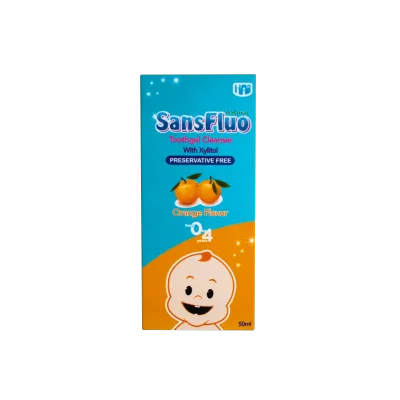
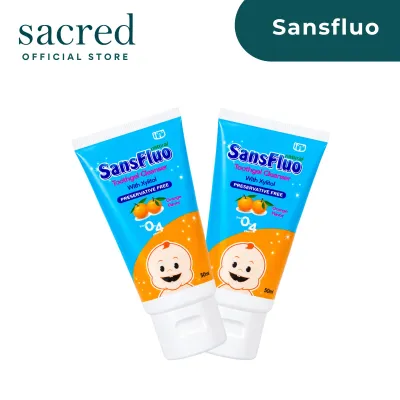
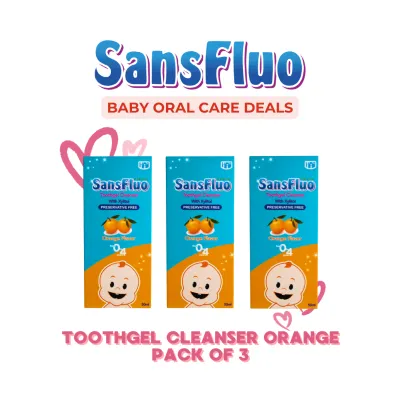
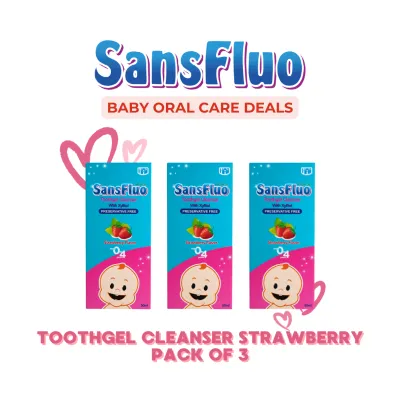
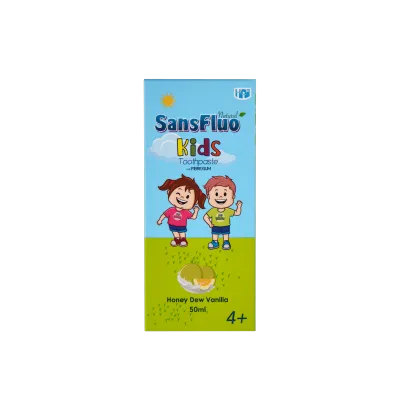
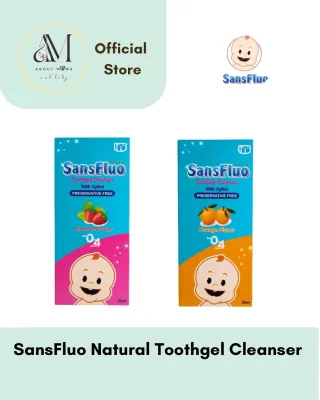
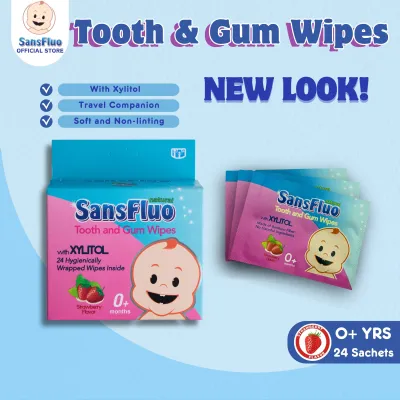
For example, if you are evaluating a specialized pediatric product like san fluo toothpaste, you should systematically check its label to confirm the exact fluoride ppm and ensure it matches your child’s age bracket. Verify that you are purchasing from authorized retailers, official brand stores, or reputable local pharmacies in the Philippines to avoid counterfeit products. Always retain the original cardboard packaging until the tube is finished, as it often contains detailed usage instructions and safety warnings not printed on the tube itself.
Regularly inspect the physical state of the toothpaste before applying it to your child’s brush. If you notice any changes in the paste’s texture, color, or odor, or if the tube becomes damaged or leaks, discard it immediately. Ensuring the product remains stable and uncontaminated is a simple but vital part of maintaining a safe daily oral care routine.
Safe Brushing Practices and Storage Precautions
Establishing safe daily habits extends beyond the brushing session itself; it also involves how you store and manage oral care products in your home. Always supervise your child throughout the entire brushing process, keeping the toothpaste tube in your hands rather than letting them handle it independently. This prevents them from squeezing excess amounts onto the brush or consuming the paste directly from the container.
In the warm and humid climate of the Philippines, proper storage is particularly important for maintaining the stability of the toothpaste formulation. Store the tube in a cool, dry cupboard away from direct sunlight, and always ensure the cap is screwed on tightly after every use. This prevents the paste from drying out, keeps tropical pests away from sweet-flavored children’s formulas, and maintains the consistency of the active ingredients.
These storage and handling steps are standard household precautions designed to minimize risks and keep your child safe. In the event of accidental ingestion—such as if your toddler manages to consume a notable amount of toothpaste from an unattended tube—remain calm and take immediate action. Offer them a small glass of water or milk to help bind the fluoride in their stomach, monitor their behavior closely, and consult a healthcare professional or local poison control center if they show signs of distress or if the ingested amount was substantial.
Frequently Asked Questions (FAQ)
Should I use fluoride toothpaste if my child refuses to spit?
Yes, you can still use fluoride toothpaste, but you must reduce the amount to a very thin, minimal smear no larger than a grain of rice. This tiny quantity is safe even if swallowed entirely. Focus on caregiver-led brushing to ensure the paste is distributed evenly, and consult a pediatric dentist to determine if a lower-concentration formula is recommended for your child’s specific needs.
Can I switch to a non-fluoride option temporarily?
You can temporarily switch to a non-fluoride toothpaste if your child has severe swallowing difficulties or specific oral sensitivities. However, keep in mind that non-fluoride alternatives do not provide the same enamel-strengthening and cavity-preventing benefits. Always verify the age suitability of the alternative product and discuss a long-term oral care plan with a pediatric dentist to protect your child’s teeth.
How do I know if the concentration on the tube is appropriate for my child’s age?
Locate the parts per million (ppm) value or the age range printed on the toothpaste tube or packaging box. Compare this specification against current pediatric dental guidelines or consult your dentist to confirm it matches your child’s developmental stage and swallowing ability. If the label is unclear, lacks concentration details, or conflicts with professional advice, pause use and seek guidance from a qualified provider.
Community discussion
Share your experience or ask a question. Comments are reviewed before publication.