
Introducing your baby to oral hygiene is a major milestone, but it often brings a wave of questions for parents. As those first tiny, pearly white teeth begin to push through the gums, you might wonder how best to protect them from decay. The most common question parents face during this stage is whether fluoride toothpaste is safe for babies who do not yet know how to spit.
Yes, fluoride toothpaste is safe and highly recommended for babies with milk teeth, provided it is used in the correct, age-appropriate dosage. Leading global and local pediatric dental authorities advise using a tiny smear of fluoride toothpaste as soon as the first tooth erupts. This early intervention is crucial for preventing early childhood caries, which can develop rapidly in temporary teeth.
While the fear of your baby swallowing toothpaste is completely natural, the key to safety lies entirely in controlling the portion size and supervising every brushing session. By understanding the correct techniques and dosage, you can confidently protect your child’s developing smile from cavities while keeping their systemic fluoride intake perfectly safe.
Products mentioned in this guide
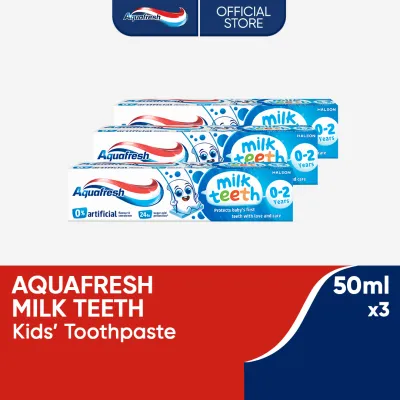
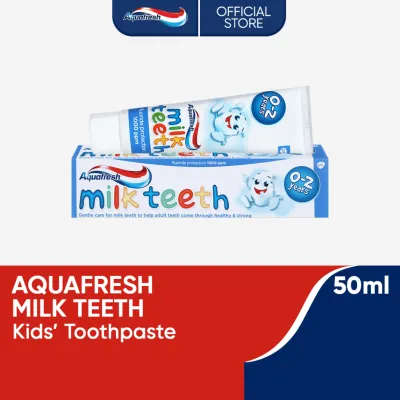
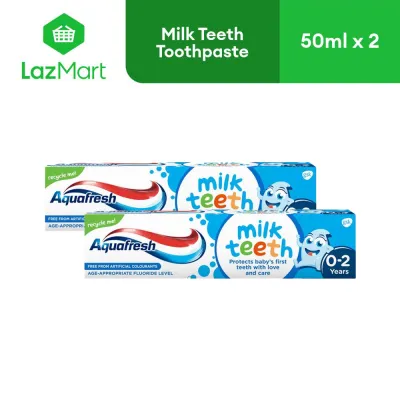
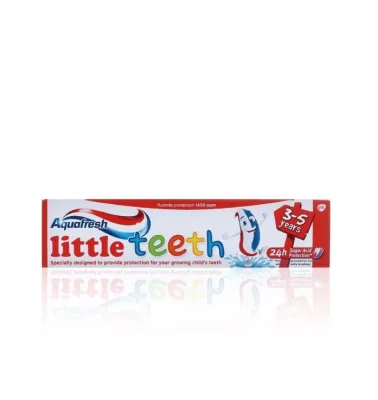
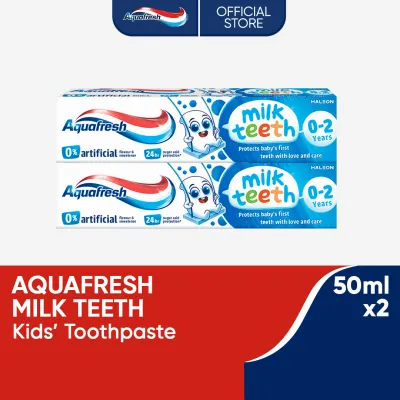

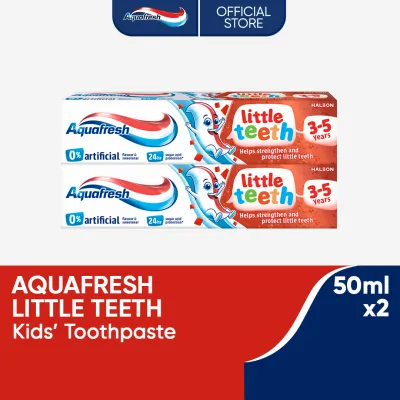
Prices are valid at publication and may change. Please refer to the product page for the latest price.
The Short Answer: Is Fluoride Safe for Milk Teeth?
Fluoride is a naturally occurring mineral that plays a vital role in strengthening developing tooth enamel. For infants and toddlers, using fluoride toothpaste is not only safe but is also one of the most effective ways to prevent early childhood tooth decay. Enamel on milk teeth is much thinner and more delicate than the enamel on permanent teeth, making baby teeth highly susceptible to rapid decay.
In tropical environments like the Philippines, where babies are frequently introduced to sweet local fruits, juices, and sweetened complementary foods to keep them hydrated, the risk of early childhood caries can be high. Fluoride works by local application, meaning it physically bonds with the outer layer of the teeth during brushing, making the enamel more resistant to the acids produced by plaque and dietary sugars.
Safety concerns usually stem from the fact that infants inevitably swallow whatever is put in their mouths. However, pediatric dental guidelines are specifically designed with this swallowing reflex in mind. The recommended amount of toothpaste for babies is so minuscule that even if your child swallows the entire portion during every brushing session, the amount of fluoride ingested is far below the threshold that could cause any systemic harm or health issues.
Ultimately, the safety of fluoride toothpaste during the milk teeth stage does not depend on the ingredient itself, but rather on parental supervision and precise dosing. When you manage the amount of toothpaste on the brush, you eliminate the risks associated with ingestion while giving your baby’s first teeth the robust defense they need against decay.
Understanding the Risks: Swallowing and Dental Fluorosis
To safely navigate your baby’s oral care routine, it helps to understand exactly what happens when a child ingests too much fluoride. The primary risk associated with chronic over-ingestion of fluoride during early childhood is a cosmetic condition known as dental fluorosis. This condition occurs when young children consume excess fluoride over a prolonged period while their permanent teeth are still forming deep beneath the gums.

Dental fluorosis does not affect the physical health or strength of the teeth; rather, it alters their appearance. In its mildest and most common form, fluorosis appears as barely noticeable, faint white spots, lines, or streaks on the enamel of the permanent teeth. Severe cases, which are exceptionally rare and typically linked to drinking water with extremely high natural fluoride levels combined with heavy toothpaste abuse, can lead to dark staining or pitted enamel.
It is important to distinguish between a one-off accidental swallow and chronic, long-term over-ingestion. If your baby occasionally swallows the tiny recommended smear of toothpaste, there is no cause for alarm. The risk of fluorosis only becomes real if a child regularly consumes large, adult-sized portions of toothpaste over many months, or if they gain unsupervised access to a tube of toothpaste and eat it.
Furthermore, while milk teeth are the ones being brushed, they are rarely affected by fluorosis because their enamel is already fully formed by the time the baby is born. The real target of excess systemic fluoride is the permanent teeth maturing under the gumline. By keeping toothpaste portions strictly controlled during these early years, you protect both the visible milk teeth and the hidden permanent teeth that will emerge later in childhood.
How to Use Fluoride Toothpaste Safely for Babies
Implementing a safe brushing routine requires a combination of the right tools, the correct toothpaste portion, and proper physical positioning. By establishing these habits early, you can make brushing a safe, stress-free, and effective part of your baby’s daily routine.
The "Rice Grain" Dosage Rule
The absolute golden rule for brushing a baby’s teeth is to use a tiny, controlled amount of toothpaste. For children under the age of three, you should use a smear of fluoride toothpaste that is no larger than a single grain of uncooked rice. This microscopic portion provides enough local fluoride to protect the enamel but keeps the total volume low enough to be completely safe if swallowed.
- Under 3 Years Old: A thin smear or a portion the size of a grain of rice.
- 3 to 6 Years Old: A portion the size of a small pea, which is appropriate once the child has learned how to spit out the excess.
- Application Tip: Do not simply sit the rice-sized dollop on top of the bristles where your baby can easily lick it off. Instead, gently press the toothpaste down into the bristles of a soft-bristled baby toothbrush so that it is evenly distributed and cleans the teeth as you brush.
Always check the product packaging of your chosen milk teeth toothpaste. Infant-specific formulations typically contain a lower concentration of fluoride (often around 1,000 parts per million or ppm) compared to adult toothpastes, which makes them much safer for younger users. Be sure to read the manufacturer’s label for age recommendations and specific usage instructions before your first application.
Brushing Techniques to Minimize Swallowing
Because infants cannot spit, you must use brushing techniques and positions that naturally minimize the amount of toothpaste they swallow. The way you hold your baby during brushing can make a significant difference in how saliva and toothpaste residue collect in their mouth.
- The Lap Cradle Position: Sit on a comfortable chair or on the floor and cradle your baby in your lap, with their head resting gently against your arm or chest. Tilting their head slightly backward or to the side allows you to see clearly inside their mouth while preventing saliva and toothpaste from running straight down their throat.
- The Dual-Parent Approach: If your baby is highly active, one parent can hold the baby's hands and torso gently while the other parent carefully brushes the teeth from behind the baby's head.
- The Post-Brush Wipe: After you finish brushing, take a clean, damp washcloth, a piece of sterile gauze, or a silicone finger brush and gently wipe the baby's teeth and gums. This simple step removes excess foam, saliva, and loose plaque, ensuring that very little toothpaste remains in the mouth to be swallowed.
Fluoride vs. Fluoride-Free: Choosing the Right Milk Teeth Toothpaste
When shopping for baby oral care products in local stores or online marketplaces, you will find both fluoride and fluoride-free options. Understanding the differences between these two categories will help you make an informed decision based on your baby’s specific health needs.
Fluoride-free toothpastes, often marketed as “training toothpastes” or “safe-to-swallow” gels, are designed to clean the teeth purely through mechanical action. They help scrub away food particles and plaque when paired with a soft toothbrush, and they often feature mild, pleasant flavors to help babies get used to the sensation of brushing. However, fluoride-free options do not provide any active chemical protection against decay; they cannot remineralize weak spots in the enamel or actively prevent cavities.
In contrast, fluoride toothpaste provides active therapeutic protection. Pediatric dentists generally recommend transitioning to fluoride toothpaste as soon as the first tooth appears, especially if the baby falls into a high-risk category for cavities. Factors that increase cavity risk include:
- Frequent consumption of sugary juices, formula, or sweetened complementary foods.
- A habit of sleeping with a bottle containing milk, formula, or juice.
- A family history of frequent cavities or weak tooth enamel.
- Visible signs of early plaque buildup or yellow-white film along the gumline.
0 If your baby has an extremely low risk of cavities, does not consume sweetened foods, and you prefer to wait until they can spit before introducing fluoride, a fluoride-free training toothpaste can be used as a temporary stepping stone. However, you should monitor their teeth closely and consult a professional to ensure this choice is sufficient for their oral health. Always read the product labels carefully to confirm that the product you select is specifically formulated for infants and free from unnecessary artificial dyes or harsh foaming agents like sodium lauryl sulfate (SLS).
When to Consult a Pediatric Dentist
While home care is the foundation of your baby’s oral health, professional guidance is irreplaceable. Establishing a relationship with a pediatric dentist early on ensures that any potential issues are caught long before they cause discomfort.
It is highly recommended to schedule your baby’s first dental visit by their first birthday, or within six months of the appearance of their very first tooth. During this initial visit, the dentist can assess your baby’s enamel development, evaluate their cavity risk, and show you exactly how to brush their teeth safely.
You should seek immediate professional advice if you observe any of the following triggers:
- Chalky White Spots: Dull, chalky white bands or spots near the gumline, which are often the very first signs of demineralization and early childhood decay.
- Dark or Brown Stains: Any brown, yellow, or black spots on the teeth, which indicate active cavities that require immediate treatment.
- Accidental Ingestion: If your baby manages to locate and swallow a significant amount of toothpaste directly from the tube.
- Water Fluoridation Questions: If you rely on deep well water or unfluoridated bottled water, a dentist can help you determine if your baby needs specific dietary adjustments or a particular concentration of milk teeth toothpaste.
Frequently Asked Questions (FAQ)
Can I use adult toothpaste for my baby's milk teeth?
No, you should never use adult toothpaste for infants or toddlers. Adult toothpastes are formulated with a much higher concentration of fluoride, which significantly increases the risk of dental fluorosis if swallowed by a baby. Additionally, adult products often contain strong mint flavors that can cause gagging or oral discomfort, as well as harsh abrasive agents designed to remove adult stains but can easily wear down the thin, delicate enamel of baby teeth. Always choose a product specifically labeled for babies or toddlers.
What should I do if my baby swallows a large amount of toothpaste?
If your baby accidentally consumes a large quantity of fluoride toothpaste directly from the tube, take immediate action to minimize absorption. Give your baby a small glass of milk, a serving of yogurt, or another dairy product. The calcium in dairy binds with the fluoride in the stomach, preventing it from being absorbed into the bloodstream and reducing the risk of stomach irritation. If they show signs of nausea, vomiting, or extreme lethargy, or if you suspect they consumed a highly concentrated adult toothpaste, contact a medical professional or your local poison control center immediately.

Community discussion
Share your experience or ask a question. Comments are reviewed before publication.