
Yes, fluoride toothpaste is safe and highly recommended for a 1-year-old, provided it is used in a strictly controlled, minimal amount under close parental supervision. At this age, baby teeth are actively emerging, making them highly susceptible to early decay. Introducing a tiny smear of fluoride toothpaste helps protect this new enamel, but because toddlers have not yet developed the ability to spit, managing the quantity is essential to prevent them from swallowing too much.
In tropical climates like the Philippines, where sweet fruits, juices, and warm-weather snacks are common parts of a family’s daily routine, protecting early teeth is a priority. Baby teeth might be temporary, but they hold the space for permanent teeth and are essential for learning to chew and speak. Introducing proper oral hygiene early sets up a lifetime of healthy habits.
Understanding Fluoride for 1-Year-Olds
Fluoride is a naturally occurring mineral that plays a vital role in strengthening the outer layer of your child’s teeth. When baby teeth emerge, their enamel is relatively thin and highly vulnerable to acid attacks from food and bacteria. Fluoride works by integrating into the developing enamel, making it more resistant to the early stages of tooth decay and even helping to rebuild weakened spots before cavities can form.
Products mentioned in this guide
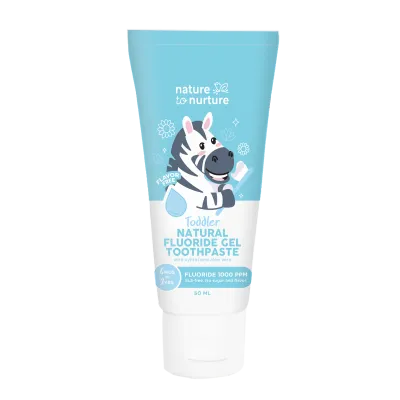
Prices are valid at publication and may change. Please refer to the product page for the latest price.
When shopping for oral care products, parents should carefully inspect the packaging of any toothpaste intended for toddlers. Look for the specific age recommendations and check the fluoride concentration, which is typically measured in parts per million (ppm). Many pediatric dental associations suggest using a low-fluoride toothpaste designed specifically for infants and toddlers, but the exact concentration should align with local guidelines and your child’s needs.
Because every child’s oral health profile is unique, the decision to start using fluoride toothpaste should ideally be discussed with a pediatric dentist or a pediatrician. These professionals can evaluate your child’s individual risk of developing cavities. They will also consider environmental factors, such as whether your household uses municipal tap water that contains fluoride, or if you rely on bottled water or specific home filtration systems that remove minerals.
Managing the Risk of Swallowing Toothpaste
One of the most common concerns for parents of a 1-year-old is that toddlers do not yet know how to spit. At this age, swallowing whatever is put into their mouth is a natural reflex. Because of this, parents must take complete control of the toothpaste application and ensure that only a safe, minimal amount is used during every brushing session.

If a child consistently swallows large amounts of fluoride toothpaste over a long period, it can lead to a cosmetic condition known as dental fluorosis. This condition affects the developing permanent teeth beneath the gums, often appearing as faint white lines or spots on the enamel once those teeth finally erupt. While mild fluorosis does not harm the physical health or function of the teeth, it is easily preventable by strictly controlling the amount of toothpaste used.
To keep brushing safe, the standard recommendation for a 1-year-old is to use a tiny “smear” of toothpaste, which is often compared to the size of a single grain of rice. This minuscule amount provides enough fluoride to protect the teeth while remaining safe even if the child swallows the entire portion. Always refer to the manufacturer’s label for specific age instructions, and never let your toddler hold or play with the toothpaste tube.
If you suspect your child has managed to swallow a larger-than-intended amount of toothpaste—such as squeezing a large glob directly from the tube—there are simple steps you can take. First, offer them a small glass of water or a serving of milk, as the calcium in dairy can bind with fluoride in the stomach to minimize absorption. If they show signs of an upset stomach, or if you believe they have consumed a significant portion of the tube, contact a local healthcare provider or a poison control center immediately for guidance.
Choosing the Right Toothpaste and Brushing Technique
Selecting the right toothpaste for your 1-year-old requires a quick check of the product label. Ensure the product is explicitly formulated for infants or toddlers, as these formulas are designed with milder flavors and lower fluoride concentrations than adult versions. Avoid toothpastes that contain harsh abrasives, artificial sweeteners, or strong foaming agents like sodium lauryl sulfate (SLS), which can irritate a toddler’s sensitive mouth.
The way you brush your child’s teeth is just as important as the product you choose. To brush effectively and safely, find a comfortable position where you can clearly see inside your child’s mouth. Many parents find success by cradling their child’s head in their lap or standing behind them while looking into a mirror. Gently lift their lips to expose the teeth, and use a soft-bristled, age-appropriate toothbrush to clean all surfaces using gentle, circular motions.
Supervision is the key to safety during this daily routine. Never leave a 1-year-old alone with a toothbrush, as they can easily poke themselves or swallow too much paste. Keep the toothpaste tube stored safely out of their reach, preferably in a high cabinet. By maintaining strict control over the toothbrush and the paste, you ensure that the active ingredients do their job on the teeth rather than in the stomach.
Making brushing cooperative can sometimes be a challenge, but it is important to avoid using extra toothpaste just to make the process taste better. Instead, try using playful distractions, such as singing a favorite song, brushing a stuffed animal’s “teeth” first, or letting your child hold a second, dry toothbrush while you do the actual cleaning. Keeping the atmosphere light and positive helps build a healthy routine without compromising on safety.
When to Consult a Pediatric Dentist
While home care is the foundation of oral hygiene, professional guidance is irreplaceable. Parents should regularly look inside their toddler’s mouth for any early signs of dental issues. If you notice chalky white spots, brown patches, or dark stains on the teeth, these can be early indicators of tooth decay. Similarly, red, swollen, or bleeding gums warrant a prompt visit to a pediatric dentist.
Establishing a “dental home” early in your child’s life is highly recommended by pediatric health organizations. Ideally, a child should have their first dental visit by their first birthday, or within six months of their first tooth erupting. This initial visit is less about intensive cleaning and more about helping your child get comfortable with the dental environment, while allowing the dentist to assess jaw development and tooth eruption.
During these early visits, you can discuss your child’s specific fluoride needs with the dentist. This is particularly important if your family relies on well water, uses advanced water filtration systems that strip out minerals, or if your pediatrician has suggested fluoride supplements. A pediatric dentist can provide a customized plan that balances decay prevention with safety, ensuring your child’s smile stays healthy as they grow.
Frequently Asked Questions (FAQ)
Can I use fluoride-free training toothpaste instead?
Fluoride-free training toothpaste is an option for cleaning a baby’s teeth, but it does not offer the same cavity-preventing benefits as fluoride toothpaste. While training toothpaste helps remove food debris and plaque through the mechanical action of brushing, it lacks the mineralizing properties needed to strengthen enamel against decay. If you are considering using a fluoride-free alternative, it is best to consult your pediatric dentist first to evaluate your child’s specific cavity risk.
What should I do if my 1-year-old refuses to open their mouth for brushing?
When a toddler resists brushing, try using creative distractions rather than forcing the toothbrush into their mouth. You can play a short, fun video, sing a silly song, or let them watch you brush your own teeth to model the behavior. It is crucial to maintain the correct, rice-grain-sized amount of toothpaste even during difficult sessions; do not add more paste to entice them with flavor, as this increases the risk of swallowing too much.
Is it safe to use adult toothpaste in a pinch?
It is not recommended to use adult toothpaste for a 1-year-old, even in small amounts. Adult formulations typically contain much higher concentrations of fluoride, stronger abrasives that can wear down delicate baby enamel, and intense flavors or foaming agents that can irritate a toddler’s mouth or encourage swallowing. To avoid running out, consider keeping a backup travel-sized tube of baby toothpaste in your diaper bag or medicine cabinet.
Community discussion
Share your experience or ask a question. Comments are reviewed before publication.