
The Short Answer: Is Fluoride Safe if Swallowed?
At one year old, your toddler is reaching exciting developmental milestones, from taking their first steps to exploring new tastes. Along with these milestones comes the arrival of their first primary teeth. However, at this tender age, children do not yet possess the oral motor skills or coordination required to spit out toothpaste. When you clean their teeth, they will almost certainly swallow whatever product you use. This natural reflex often leaves parents wondering if using fluoride toothpaste is safe.
The short answer is yes: fluoride toothpaste is safe for a one-year-old, even if they swallow it, provided you use the correct, controlled dosage. Pediatric dental authorities worldwide advise that the benefits of early cavity prevention outweigh the risks of swallowing, as long as parents strictly adhere to the recommended “rice-grain-sized” smear. When choosing a toothpaste 1 year old children can safely use, understanding the balance between cavity protection and ingredient safety is essential.
At this microscopic dose—which is about the size of a single grain of uncooked rice—the amount of fluoride ingested is extremely minute. It is not enough to cause acute health issues or systemic toxicity. The primary safety key lies in understanding the difference between this tiny, controlled daily exposure and the chronic, high-volume over-ingestion of fluoride. By maintaining strict control over the tube and applying only a paper-thin smear to the bristles, you can safely protect your child’s emerging teeth from decay without risking their digestive or systemic health.
Products mentioned in this guide
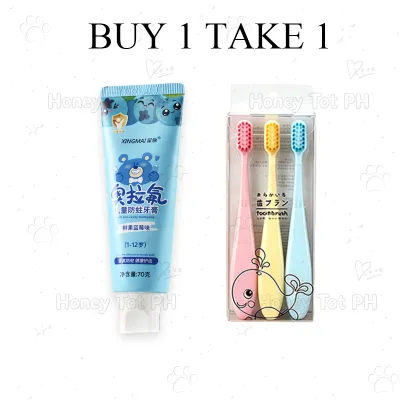

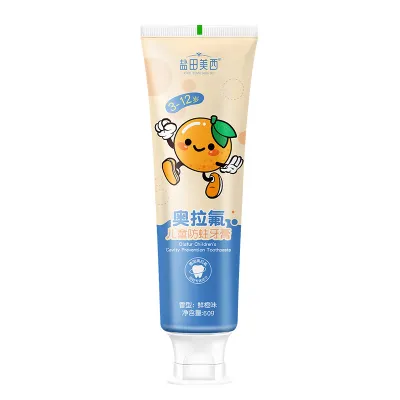
Prices are valid at publication and may change. Please refer to the product page for the latest price.
Understanding Fluoride: Cavity Protection vs. Fluorosis Risks
To make an informed decision for your child, it is helpful to understand how fluoride works and why dental professionals recommend it so early. When your baby’s first teeth erupt through the gums, their enamel is still relatively soft and highly susceptible to acid attacks from bacteria. In the Philippines, where sweet tropical fruits, sugary snacks, and sweetened juices are common parts of the family diet, early childhood caries (ECC) can develop rapidly. Fluoride works locally by binding to the enamel, making it harder and more resistant to these acids. It also remineralizes early, microscopic stages of tooth decay before they can turn into painful cavities.

Despite these benefits, many parents worry about dental fluorosis. Dental fluorosis is a cosmetic condition that affects the appearance of permanent teeth while they are still developing beneath the gums. It manifests as faint white spots, streaks, or, in more severe cases, brownish mottling on the enamel of adult teeth. Fluorosis is not a physical disease, and it does not affect the structural integrity or health of the teeth; rather, it is a purely aesthetic concern. It is caused exclusively by the long-term, chronic ingestion of excessive amounts of fluoride during the first eight years of life, which is the critical window when permanent teeth are forming under the gums.
Because a one-year-old cannot spit, managing this risk requires careful monitoring of all fluoride sources. You should always check the product labels of any toothpaste you purchase. Baby toothpastes generally display their fluoride concentration in parts per million (ppm), which typically ranges from 500 ppm to 1000 ppm.
Determining the perfect concentration for your child should not involve guesswork. The ideal level depends heavily on your child’s individual cavity risk and your household’s water supply. In some metropolitan areas, municipal tap water may contain added fluoride, whereas families relying on deep wells, private water refilling stations, or bottled water may have no fluoride in their drinking water at all. Before choosing a high-concentration or low-concentration formula, schedule a consultation with a pediatric dentist. They can evaluate your local water profile and your toddler’s oral health to recommend the safest, most effective fluoride level for your daily routine.
Other Ingredients to Evaluate in Baby Toothpaste
While fluoride is the most widely discussed ingredient, it is only one component of a toothpaste formulation. A toddler’s oral mucosa is highly sensitive and much thinner than an adult’s. Consequently, parents must look beyond the fluoride label and evaluate the entire ingredient list to avoid unnecessary chemical irritants.
Foaming Agents and Preservatives
Many adult toothpastes rely on Sodium Lauryl Sulfate (SLS) to create a thick, satisfying foam during brushing. However, SLS is a known irritant that can cause dry mouth, irritate the delicate lining of a toddler’s gums, and even trigger painful mouth sores, commonly known in the Philippines as singaw. For a one-year-old, a heavy foam can also trigger a strong gag reflex, making the brushing experience frightening and uncomfortable. When shopping, always verify that the product is explicitly labeled as SLS-free.
In addition to foaming agents, pay close attention to the preservatives used in the formula. Because the Philippine climate is hot and highly humid, toothpaste tubes can easily become breeding grounds for mold, yeast, and bacteria if left unprotected. Safe baby toothpastes utilize gentle, food-grade preservatives (such as sodium benzoate or potassium sorbate) to maintain product stability. Always inspect the packaging for potential allergens, especially if your child has a history of sensitive skin, eczema, or reactive mucous membranes.
Sweeteners and Flavorings
To encourage toddlers to cooperate during brushing, manufacturers add sweeteners and flavorings to their formulas. However, not all sweeteners are created equal. You must strictly avoid any baby toothpastes that contain actual sugars, such as sucrose or glucose, as these ingredients actively feed cavity-causing bacteria and defeat the entire purpose of oral hygiene.
Instead, look for toothpastes sweetened with xylitol. Xylitol is a natural, plant-derived sugar alcohol that is highly recommended by pediatric dentists. Unlike regular sugar, cavity-causing bacteria cannot ferment xylitol, meaning they starve and cannot produce the harmful acids that wear down enamel. Xylitol has been shown to actively support oral health by reducing plaque accumulation.
When it comes to flavor, avoid strong, intense options. Adult favorites like intense mint, cinnamon, or eucalyptus can feel like a painful burning sensation in a one-year-old’s mouth. Instead, select mild, natural fruit flavors like strawberry, banana, or apple, or choose an unflavored toothpaste. These gentle profiles make the brushing routine far more tolerable for a sensitive toddler.
Abrasives and Thickeners
A baby’s primary teeth have enamel that is significantly thinner and softer than adult enamel. This means their teeth are highly vulnerable to physical wear and tear. Adult toothpastes often contain harsh abrasives designed to scrub away stubborn coffee, tea, or tobacco stains. These can include heavy hydrated silica, calcium carbonate, or even charcoal.
Using these abrasive ingredients on a one-year-old can permanently scratch and wear down their delicate enamel. Avoid charcoal toothpastes, baking soda pastes, and any products marketed for adult whitening. Instead, look for pediatric formulas that use low-abrasion, ultra-fine silicas specifically designed to gently polish away plaque without damaging the soft surface of baby teeth.
Fluoride vs. Fluoride-Free: Making the Right Choice
Deciding between fluoride and fluoride-free (often called “training”) toothpaste requires weighing your child’s specific health needs against their behavioral patterns. Both options serve distinct purposes in early childhood oral care, and understanding their trade-offs will help you make the best choice for your household.
Fluoride toothpaste provides active, scientifically proven protection against tooth decay. It is the gold standard for strengthening enamel and preventing early childhood caries. However, because fluoride must not be over-ingested, using it requires parents to maintain strict, unwavering control over the dosage and the physical tube. You must apply only a tiny smear and store the tube safely out of your child’s reach.
On the other hand, fluoride-free training toothpaste is formulated to be completely safe to swallow in larger amounts. It typically relies on ingredients like xylitol or calcium phosphate to clean the teeth. The primary benefit of training toothpaste is peace of mind: if your toddler manages to squeeze a large glob onto their brush and swallows it, there is zero risk of fluorosis or systemic toxicity. The trade-off, however, is that training toothpaste offers no active chemical protection against dental decay. It relies entirely on the physical friction of the toothbrush bristles to remove plaque.
A pediatric dentist might recommend starting with a fluoride-free training toothpaste in specific scenarios. For instance, if your toddler is extremely resistant to brushing, struggles with severe sensory sensitivities, or if you live in an area with highly fluoridated drinking water and your child has an exceptionally low risk of cavities, a training paste can serve as a safe transitional tool.
However, it is crucial to understand that “fluoride-free” is not inherently “safer” or “better” for every child. Early childhood tooth decay can lead to severe pain, infections, and the premature loss of primary teeth, which can negatively affect the alignment of their permanent teeth later on. To make the safest choice, consult a pediatric dentist. They can perform a quick, non-invasive cavity risk assessment to help you decide whether your one-year-old needs the active protection of fluoride or can safely use a training paste for a little longer.
How to Brush a 1-Year-Old’s Teeth Safely
Establishing a safe, effective brushing routine requires the right technique, proper positioning, and a healthy dose of patience. At one year old, brushing is entirely the caregiver’s responsibility; a toddler does not have the manual dexterity or understanding to clean their own teeth, and left alone, they will simply chew on the brush.
To brush your toddler’s teeth safely, follow these practical steps:
- Apply the Correct Dosage: Squeeze a tiny, paper-thin smear of toothpaste onto the bristles of an age-appropriate, ultra-soft toothbrush. This smear should be no larger than a single grain of uncooked rice. Do not push the toothpaste deep into the bristles; keep it on the surface so it actually contacts the teeth.
- Adopt a Secure Brushing Position: To prevent your child from squirming and to avoid accidental choking, use a secure positioning technique. If you have a partner, try the "knee-to-knee" position: sit facing each other with your knees touching, laying your child's body across your laps so their head is securely supported in the brushing parent's lap. If you are brushing alone, sit on the floor or a bed and cradle your child's head gently but securely in your lap. This position gives you maximum visibility and control, allowing you to lift their lips and see every tooth clearly.
- Use Gentle, Circular Motions: Gently brush all surfaces of the teeth—front, back, and chewing surfaces—using light, circular motions. Avoid scrubbing back and forth aggressively, as this can irritate their delicate gums.
- Manage the Spitting Challenge: Since a one-year-old cannot spit, keep a clean, damp washcloth nearby. After brushing, you can gently wipe their teeth and gums with the cloth to remove any excess toothpaste residue.
- Use the Two-Brush Strategy: Toddlers love autonomy. To keep them cooperative, let them hold and chew on a secondary, clean baby toothbrush while you use the primary brush to do the actual cleaning. This keeps their hands occupied and reduces resistance.
- Keep the Routine Positive: Make brushing a fun, expected part of the day. Sing a favorite nursery rhyme, use a colorful brush with their favorite character, or brush your own teeth at the same time to model the behavior. Consistency is key to building a lifetime of good oral health.
What to Do If Your Toddler Swallows Too Much Toothpaste
It is common for toddlers to be curious, and they may occasionally find a way to access the toothpaste tube when your back is turned. Understanding how to react to an accidental over-ingestion can help you remain calm and take the correct, safe steps.
First, remember that swallowing the recommended rice-grain smear during your daily brushing routine is completely harmless. You do not need to take any action if your child swallows this tiny amount.
However, if your toddler manages to find the tube and swallows a significant quantity—such as eating a large squeeze or a substantial portion of the tube—you must act quickly:
- Do Not Induce Vomiting: Forcing your child to throw up can cause severe throat irritation, choking, and unnecessary distress.
- Administer Calcium: Immediately give your child a calcium-rich food or beverage, such as a glass of milk, a cup of yogurt, or a piece of cheese. Calcium naturally binds with fluoride in the stomach, forming calcium fluoride, which is poorly absorbed by the body. This simple step significantly reduces the amount of fluoride that enters their bloodstream.
- Seek Professional Medical Advice: Contact a local medical professional or a specialized poison control center immediately. In the Philippines, you can reach out to the National Poison Management and Control Center (NPMCC) at UP-PGH or visit the nearest emergency room.
- Keep the Packaging Handy: When speaking to a healthcare professional, have the toothpaste tube directly in front of you. They will need to know the exact brand, the weight of the tube, how much was consumed, and the precise fluoride concentration (ppm) listed on the label to determine the appropriate course of action.
Frequently Asked Questions (FAQ)
Can I use adult toothpaste for my 1-year-old in an emergency?
No, you should strictly avoid using adult toothpaste for a one-year-old. Adult formulas contain significantly higher concentrations of fluoride (often 1450 ppm or more), which can easily lead to over-ingestion and increase the risk of dental fluorosis. Furthermore, adult toothpastes contain harsh abrasives that can scratch soft baby enamel, and strong mint flavors that can cause a painful burning sensation in a toddler’s mouth. If you run out of baby toothpaste, simply brush your child’s teeth with water and a soft-bristled brush until you can purchase an age-appropriate product.
When should my 1-year-old have their first dental visit?
According to pediatric dental guidelines, your child should have their first dental visit within six months of their first tooth erupting, or by their first birthday—whichever comes first. This initial visit is designed to be quick, gentle, and stress-free. It focuses primarily on educating parents, assessing your child’s specific cavity risk, checking their jaw development, and providing personalized recommendations for safe toothpaste use. Establishing a dental home early helps prevent dental anxiety and ensures your child’s smile stays healthy from the very beginning.
Is it safe to use toothpaste with xylitol for a 1-year-old?
Yes, toothpaste containing xylitol is highly safe and beneficial for a one-year-old. Xylitol is a natural sweetener that actively inhibits the growth of cavity-causing bacteria, helping to protect your child’s emerging teeth. However, you must keep all xylitol-containing products strictly out of reach of household pets. While completely safe for humans and toddlers, xylitol is highly toxic to dogs and can cause life-threatening hypoglycemia and liver damage if ingested by animals. Store your baby’s toothpaste securely in a high cabinet where pets cannot access it.
Community discussion
Share your experience or ask a question. Comments are reviewed before publication.