
During the high-risk dengue season in the Philippines, protecting your baby from mosquito bites is a top priority. Plant-based repellents, such as Enfant Citronella, are widely chosen by families seeking a gentler alternative to synthetic chemicals. These products can be safe for daily use during peak mosquito months, provided they are used according to the manufacturer’s age guidelines and applied with proper care. Because a baby’s skin barrier is significantly thinner and more sensitive than an adult’s, even natural botanical ingredients require careful management to prevent irritation.
Navigating the rainy season means balancing the threat of dengue fever with the need to protect your little one’s delicate skin. Many parents find themselves comparing popular local options, looking at products like Enfant or searching for a gentle kleenfant citronella formulation to find the mildest option. While these plant-based solutions offer a reassuringly natural profile, they are not entirely risk-free. To ensure your daily protective routine remains safe and effective, you must understand how citronella interacts with infant skin and how to apply it with the utmost care.
Understanding Citronella and Baby Skin Sensitivity
Citronella oil is an essential oil extracted from Cymbopogon plants. While valued for its natural insect-repelling properties, essential oils are highly concentrated organic compounds. On delicate infant skin, these concentrated compounds can act as mild allergens or irritants. Contact dermatitis, characterized by localized redness, dry patches, or an itchy rash, is a common reaction when plant-based oils are applied directly to young skin without proper dilution or on skin that is already compromised.
Products mentioned in this guide
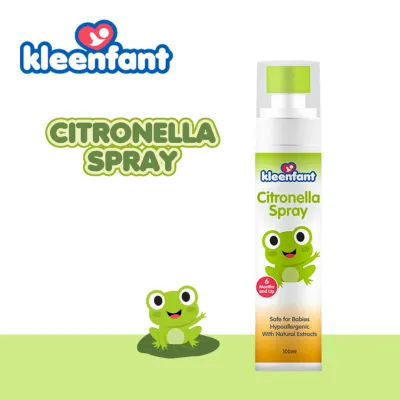
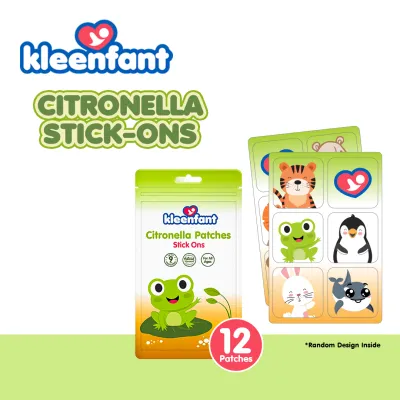
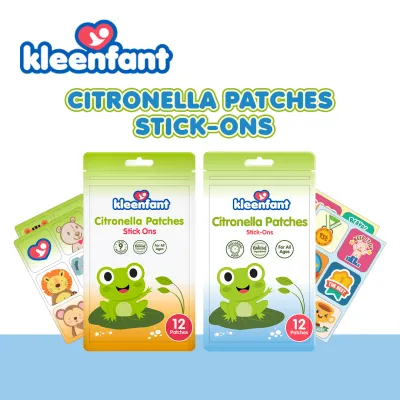
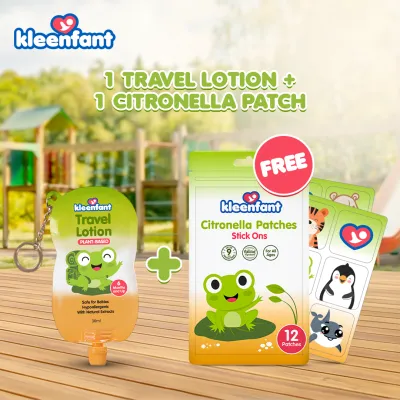
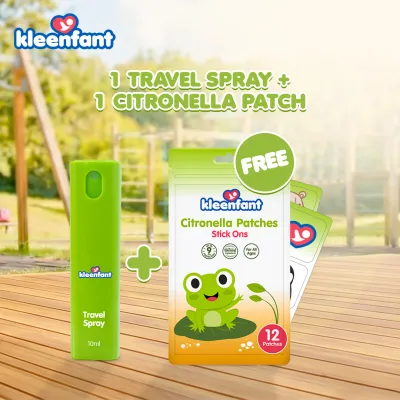
Prices are valid at publication and may change. Please refer to the product page for the latest price.
A baby’s skin barrier is still developing during the first few years of life, making it highly permeable and susceptible to absorbing topical substances. This is why you must always verify the manufacturer’s age recommendations before applying any product. When evaluating options like Enfant or looking into a kleenfant citronella spray, your first step should always be to read the packaging label carefully. Manufacturers formulate their products with specific concentration levels that dictate the minimum safe age for use, which is often six months or older.
Applying any repellent to an infant who is younger than the recommended age on the label can lead to systemic absorption or severe skin irritation. If your baby has not yet reached the age milestone specified by the manufacturer, or if you have any doubts about their skin readiness, you should consult your pediatrician before introducing the product to their daily routine. A qualified medical professional can evaluate your baby’s skin history, especially if they have a history of eczema, and provide personalized guidance on safe mosquito protection.
How to Safely Apply Enfant Citronella Repellent
Applying repellent to a squirming baby requires a systematic approach to prevent accidental contact with sensitive areas. You should never spray or apply any repellent directly onto your baby’s skin. Instead, dispense a small amount of the product onto your own palms first. Rub your hands together to distribute the product evenly, and then gently pat or rub it onto your baby’s exposed skin. This method gives you complete control over where the product goes and minimizes the risk of over-application.

When applying the repellent, there are several critical areas you must strictly avoid. Never apply citronella products to your baby’s hands or fingers. Infants frequently put their hands in their mouths or rub their eyes, which can lead to accidental ingestion or painful eye irritation. You must also avoid the baby’s face entirely, including the forehead, cheeks, and chin, to prevent them from inhaling the strong vapors or getting the product in their nose and mouth. Additionally, never apply repellent over cuts, scrapes, sunburns, or areas of active diaper rash, as the essential oils will cause intense stinging and worsen the inflammation.
In the warm, humid climate of the Philippines, babies sweat frequently, which can make parents feel tempted to reapply repellent constantly. However, over-applying citronella does not provide stronger protection; instead, it increases the concentration of essential oils on the skin, significantly raising the risk of irritation. Always adhere to the specific reapplication intervals printed on the product packaging. If your baby is sweating heavily or has been bathed, you may reapply the product, but only in accordance with the manufacturer’s guidelines and never exceeding the recommended daily limit.
Patch Testing and Signs to Stop Use
Before integrating any new citronella repellent into your baby’s daily dengue defense routine, performing a patch test is an essential safety step. To conduct a patch test, apply a tiny, pea-sized drop of the repellent to a small, discreet area of your baby’s skin, such as the inner forearm or the side of the upper thigh. Leave the product on the skin and monitor the area closely over the next 24 hours. Keep this area dry and clean during the testing period to ensure any reaction is solely due to the repellent.
During the 24-hour observation window, watch for any visible signs of skin distress or systemic discomfort. Observable warning signs of an adverse reaction include localized redness, raised bumps or hives, swelling, dry or peeling skin, and warmth to the touch. You should also pay close attention to your baby’s behavior; excessive crying, fussiness, or scratching at the test site are clear indicators of itching or burning. In rare cases, strong essential oil vapors can trigger respiratory discomfort, such as coughing, wheezing, or sneezing, which also indicates the product is not suitable for your child.
If you observe any of these warning signs, you must take immediate action. Wash the affected area thoroughly with cool water and a mild, fragrance-free baby soap to remove all traces of the repellent. Pat the skin dry gently with a clean towel; do not rub, as this can further irritate the skin. If the redness or swelling does not subside within a few hours, or if your baby shows signs of respiratory distress or widespread hives, seek professional medical help immediately. Keep the product bottle with you so you can show the healthcare provider the exact ingredient list.
Comprehensive Dengue Protection Beyond Repellents
While topical repellents like Enfant Citronella are valuable tools, they should never be your sole line of defense against dengue. A truly effective mosquito protection strategy relies on multiple layers of physical and environmental barriers, which naturally reduces the amount of chemical or plant-based products you need to apply to your baby’s skin. By focusing on physical protection, you can keep your baby safe from day-active Aedes mosquitoes while minimizing the risk of skin irritation.
One of the most effective physical barriers is clothing. When taking your baby outdoors or even during nap times at home, dress them in loose-fitting, light-colored clothing that covers their arms and legs. Mosquitoes are naturally attracted to dark colors and can easily bite through tight fabrics, so loose, breathable cotton is ideal for the tropical climate. Additionally, always use fine-mesh mosquito nets over your baby’s crib, playpen, and stroller. These nets provide complete, chemical-free protection, allowing your baby to sleep and play safely without any topical exposure.
Environmental controls around your home are equally crucial for long-term dengue prevention. Ensure that all windows and doors are fitted with intact, fine-mesh screens to keep mosquitoes outside. Using air conditioning or keeping a fan running in the baby’s room can also help, as the constant airflow disrupts a mosquito’s weak flight patterns, making it difficult for them to land on your baby. Most importantly, conduct a weekly sweep of your home and garden to eliminate any standing water in flower pots, pet bowls, gutters, or discarded containers, as these are primary breeding grounds for dengue-carrying mosquitoes.
Frequently Asked Questions (FAQ)
Can I use citronella repellent on a newborn?
No, you should not use citronella-based repellents on a newborn baby. Newborn skin is exceptionally thin, highly permeable, and lacks a fully developed protective barrier, making them highly susceptible to systemic absorption of essential oils and severe skin irritation. Caregivers must strictly follow the minimum age limit printed on the specific product label, which typically restricts use to infants older than six months. Before applying any topical repellent to a young infant, always consult your pediatrician. For newborns, rely entirely on physical barriers such as high-quality mosquito nets for cribs and strollers, and dress them in protective clothing.
How often should I reapply the repellent during peak mosquito hours?
You must follow the exact reapplication frequency stated on the product packaging. Do not apply the repellent more frequently than recommended, as repeated applications build up the concentration of essential oils on your baby’s skin, significantly increasing the risk of contact dermatitis without offering any additional protection. During peak mosquito hours—typically early morning and late afternoon—ensure your baby is wearing protective clothing to reduce the need for frequent reapplication. If your baby sweats heavily or gets wet, refer to the label’s water-resistance guidelines to determine if a safe reapplication is permitted.
What should I do if my baby accidentally ingests the repellent?
If your baby accidentally ingests any citronella repellent, act quickly but remain calm. Immediately wipe any remaining product from the baby’s mouth with a clean, damp cloth. If your baby is fully conscious, alert, and able to swallow, offer them a small amount of water or milk to help rinse their mouth and dilute the ingested liquid. Do not induce vomiting, as this can cause the essential oils to enter the lungs, leading to severe respiratory complications. Contact a poison control center or seek immediate medical attention at the nearest emergency room, bringing the product bottle with you so the medical staff can review the exact ingredients. Always store all repellents securely out of your baby’s reach.
Community discussion
Share your experience or ask a question. Comments are reviewed before publication.