
Determining whether Drapolene cream is safe for your newborn or baby with sensitive skin requires a close look at the product’s specific formulation, your baby’s age, and their unique skin barrier. While this antiseptic barrier cream is a familiar sight in many nurseries, newborn skin is exceptionally delicate, thin, and highly permeable. Consequently, what works well for an older infant might cause irritation or unwanted absorption in a newborn. Before introducing any new topical product to your baby’s daily routine, it is essential to verify the manufacturer’s age guidelines on the packaging, understand the active ingredients, and perform a careful patch test. Consulting your pediatrician remains the safest first step to ensure the cream aligns with your baby’s specific dermatological needs.
What Is Drapolene Cream and When Should You Use It?
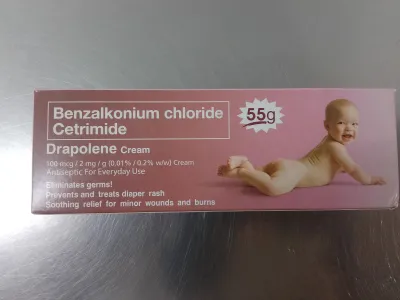
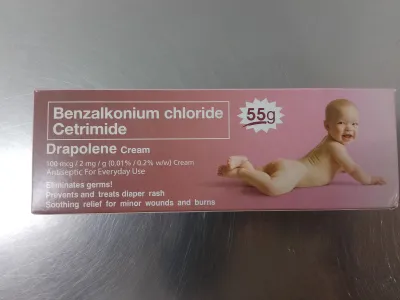
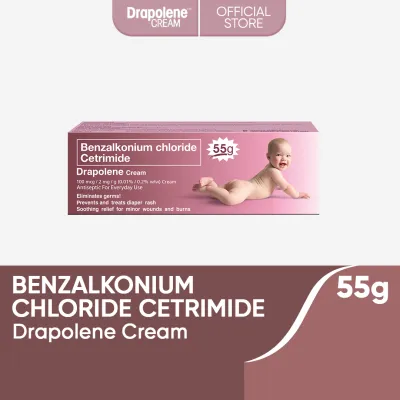
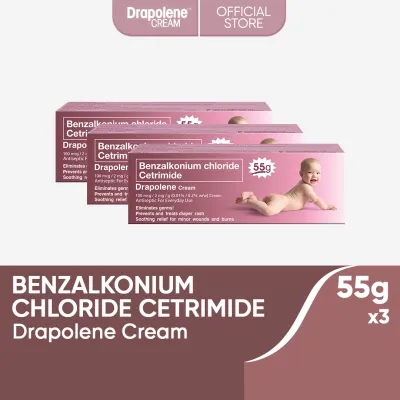
Drapolene cream is a widely recognized over-the-counter topical application designed primarily to prevent and treat diaper rash. It falls under the category of antiseptic barrier creams, which serve a dual purpose: they soothe irritated skin and help inhibit the growth of common bacteria that can worsen diaper dermatitis. Unlike standard moisturizing lotions, a barrier cream is formulated to stay on the surface of the skin, creating a protective shield against external irritants.
When managing your baby’s skincare, it is helpful to differentiate between daily preventative barrier creams and targeted treatment creams. Daily preventative options, such as plain petroleum jelly or simple zinc oxide pastes, are typically used to block moisture from reaching healthy skin. In contrast, antiseptic barrier creams are generally reserved for times when the skin shows early signs of irritation, redness, or chafing, as they contain active agents that help manage surface microbes.
Products mentioned in this guide
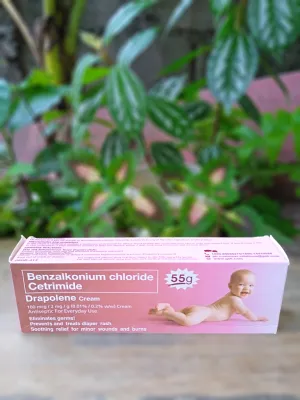
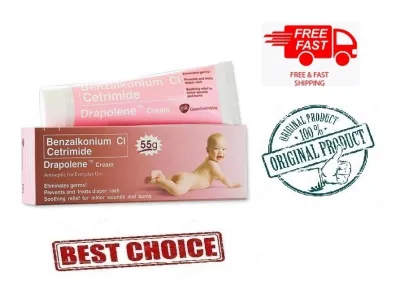
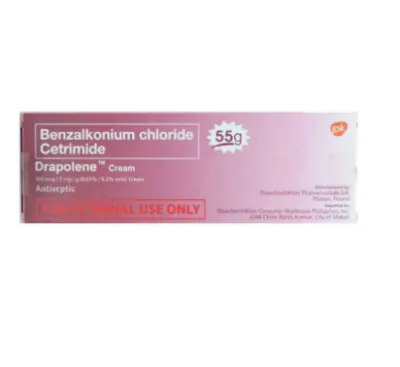
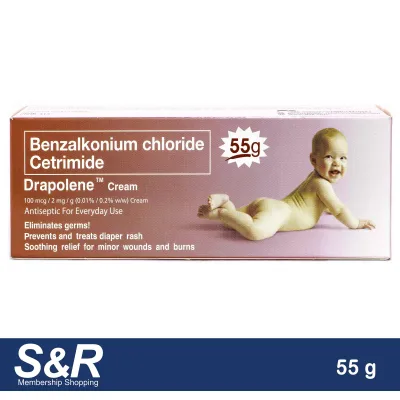
Prices are valid at publication and may change. Please refer to the product page for the latest price.
In a tropical climate like the Philippines, the combination of high heat and humidity creates a challenging environment for a baby’s diaper area. Sweat and urine can quickly break down the skin, leading to friction and diaper rash. An antiseptic barrier cream can help protect the skin from prolonged exposure to wetness while keeping surface microbes in check. However, parents must use it judiciously, as over-application in humid weather can sometimes trap heat and sweat against the skin.
Is It Safe for Newborns and Babies with Sensitive Skin?
To determine if this cream is safe for your newborn, your first step should always be to inspect the product packaging for explicit age recommendations. Manufacturers frequently update their formulations and safety guidelines, so verifying the current label is essential. Look for phrases like “suitable from birth” or specific age restrictions. If the packaging does not clearly state it is safe for newborns, consult a healthcare professional before application.

Newborn skin is structurally different from adult skin and even the skin of older infants. The stratum corneum, which is the outermost layer of the skin, is significantly thinner and more permeable in newborns. This means their skin barrier is still developing, making them much more susceptible to absorbing topical ingredients into their bloodstream and reacting to potential irritants. Because of this increased permeability, any cream applied to a newborn must be evaluated with extra caution.
For babies with known skin sensitivities, eczema, or a family history of allergies, conducting a patch test is a vital safety measure. Apply a tiny, pea-sized amount of the cream to a small, unaffected area of your baby’s skin, such as the inside of the elbow or behind the knee. Monitor the spot closely for 24 hours for any signs of redness, swelling, tiny bumps, or itching. If any reaction occurs, wash the area gently with water, discontinue use immediately, and consult your pediatrician.
How to Read the Ingredient List and Product Label
Empowering yourself to read the ingredient list on the product label is one of the best ways to protect your baby’s sensitive skin. Antiseptic barrier creams typically rely on active ingredients like benzalkonium chloride and cetrimide. These compounds are surfactants with antiseptic properties that help reduce the bacterial load on the skin, particularly the bacteria that break down urine into highly irritating ammonia. Understanding these active components helps you recognize that the cream is a functional, medicated barrier rather than a simple daily moisturizer.
Beyond the active ingredients, you must carefully scan the inactive ingredients for potential sensitive skin triggers. Common culprits in baby skincare products include added synthetic fragrances, specific preservatives, and lanolin. While lanolin is an excellent emollient for many, some babies with highly sensitive skin or eczema can develop an allergic reaction to it. If your baby has a history of reactive skin, prioritizing fragrance-free and dye-free formulations is highly advisable.
It is also important to understand what common marketing claims actually mean. Labels such as “dermatologist-tested,” “pediatrician-recommended,” or “hypoallergenic” indicate that the manufacturer has conducted testing to minimize irritation risks. However, these terms are not always governed by strict, universal regulatory standards. They do not guarantee that a product is completely free of allergens for every single baby. Always rely on a thorough reading of the ingredient list and a personal patch test rather than front-of-pack marketing claims.
How to Apply the Cream Safely and Effectively
Applying an antiseptic barrier cream correctly is just as important as choosing the right product. The critical first step is to clean the diaper area gently using warm water and a soft cotton pad, or a fragrance-free, alcohol-free baby wipe. In humid tropical climates, ensuring the skin is completely dry before applying any barrier cream is paramount. If you apply a thick barrier cream over damp skin, you risk trapping moisture and sweat against the skin, which can encourage yeast growth and worsen diaper rash. Pat the skin dry gently; never rub, as friction can further damage a compromised skin barrier.
Once the skin is thoroughly dry, follow the manufacturer’s specific directions regarding the thickness of the layer. Generally, a thin, even film is sufficient to provide a protective barrier. Slathering on a thick, cakey layer does not provide extra protection and can make cleaning the area during the next diaper change more difficult, leading to unnecessary friction.
The frequency of application should be guided by the product’s label and whether you are preventing or treating a rash. Some creams are formulated for application at every diaper change during an active flare-up to protect the skin from urine and feces. For daily prevention when the skin is completely healthy, a simple, non-medicated barrier ointment may be more suitable, allowing you to reserve the antiseptic cream for when early signs of irritation appear.
Warning Signs: When to Stop and See a Doctor
While over-the-counter barrier creams are highly effective for mild diaper dermatitis, parents must remain vigilant for signs of adverse reactions. If your baby’s skin develops increased redness, swelling, tiny blisters, peeling, or if the baby seems in pain when the cream is applied, they may be experiencing allergic contact dermatitis. Discontinue use immediately and wash the area gently with plain water.
It is also crucial to distinguish between a standard friction or moisture diaper rash and a fungal or bacterial infection. A standard diaper rash usually presents as generalized redness on the prominent surfaces of the diaper area, sparing the skin folds. However, if you notice bright red patches with distinct borders, tiny “satellite” red spots spreading outward, or deep redness in the creases of the thighs and groin, your baby may have a fungal (yeast) infection. Antiseptic barrier creams will not cure a fungal infection; these require specific antifungal treatments prescribed by a healthcare professional.
Establish clear conditions for when to stop self-treatment and seek professional medical advice. If the diaper rash does not improve after a few days of proper hygiene and cream application, if it spreads to other parts of the body, or if your baby develops a fever or lethargy, seek medical attention immediately. Never hesitate to consult a pediatrician or a pediatric dermatologist to get an accurate diagnosis and a tailored treatment plan.
Frequently Asked Questions (FAQ)
Can I use Drapolene cream on my baby's face or other body parts?
Always refer to the product label for approved application sites. Generally, antiseptic barrier creams are formulated specifically for the diaper area and should not be applied to the face, near the eyes, mouth, or other mucous membranes. Facial rashes can stem from teething drool, milk allergy, or eczema, which require different treatments. Consult your pediatrician before applying any medicated cream to your baby’s face.
How long does it take to see results on a standard diaper rash?
For a mild, standard diaper rash, you should typically begin to see signs of improvement, such as reduced redness and irritation, within a few days of consistent, proper application combined with frequent diaper changes. However, recovery times vary depending on the severity of the rash and your baby’s skin type. If the rash shows no improvement or worsens after two to three days, stop using the cream and consult a doctor.
Should I apply it every time I change my baby's diaper?
You should follow the specific instructions on your product’s packaging. Some antiseptic creams are designed to be applied at every diaper change during an active flare-up to protect the skin from urine and feces. For daily prevention when the skin is completely healthy, a simple, non-medicated barrier ointment may be more suitable, allowing you to reserve the antiseptic cream for when early signs of irritation appear.

Community discussion
Share your experience or ask a question. Comments are reviewed before publication.