
Protecting your baby from mosquito bites during dengue season requires a careful balance between preventing disease and avoiding chemical irritation. While DEET is a highly effective active ingredient against mosquitoes, its safety for babies depends entirely on their exact age, the concentration of the product, and how it is applied. Health authorities generally advise against using any DEET-based products on infants under two months old, and older babies require strict adherence to low-concentration formulas. Before applying any chemical repellent to your child, you must verify the manufacturer’s age warnings and consult your pediatrician to ensure the chosen method is appropriate for your baby’s developmental stage.
Weighing Dengue Risks Against Repellent Side Effects
Dengue fever is a significant health concern in tropical climates like the Philippines, where high humidity and frequent rainfall create ideal breeding grounds for mosquitoes. The Aedes mosquito, which transmits the dengue virus, is primarily active during the day, making daytime protection essential for infants and toddlers. Because dengue can lead to severe complications in young children, finding an effective way to prevent bites is a top priority for parents navigating the wet season.
However, a baby’s skin is much thinner, more delicate, and more permeable than adult skin, making it highly sensitive to topical chemicals. When you apply a strong chemical like DEET directly to an infant’s skin, their body can absorb the active ingredients more rapidly, increasing the risk of localized irritation or systemic side effects. This creates a delicate balancing act for caregivers who must weigh the very real threat of mosquito-borne illnesses against the potential risks of chemical exposure.
Products mentioned in this guide
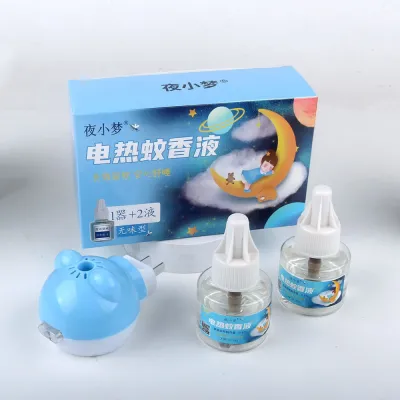
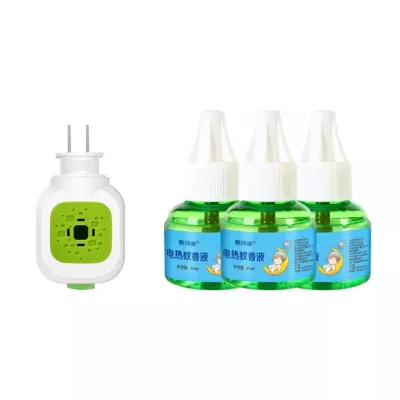
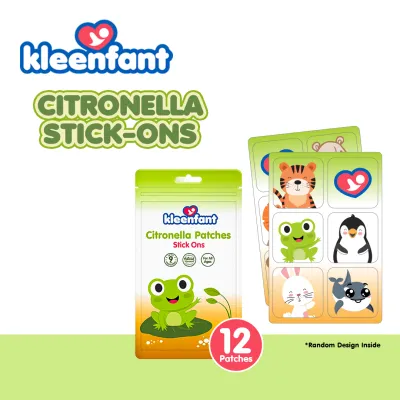
Prices are valid at publication and may change. Please refer to the product page for the latest price.
Pediatricians and health experts generally recommend a tiered approach to protection, prioritizing physical barriers first and reserving chemical repellents for situations where exposure is unavoidable. When chemical protection is necessary, the goal is to use the lowest effective concentration that matches the duration of your baby’s outdoor exposure. By understanding this balance, you can make informed decisions that protect your child from dengue without exposing their developing system to unnecessary chemical risks.
How to Read DEET Labels for Age and Concentration Limits
Before purchasing or applying any mosquito repellent, you must carefully read the product label to verify its suitability for your baby’s specific age group. Manufacturers are required to print clear age restrictions and safety warnings on their packaging, which serve as your primary guide. Never assume a product is safe for an infant simply because it is marketed for families or features baby-friendly imagery on the bottle.

When examining the label, look closely at the active ingredients list to identify the concentration of DEET, which is typically expressed as a percentage. A higher percentage of DEET does not make the repellent stronger or more effective at repelling mosquitoes; instead, it simply increases the length of time the protection lasts. For infants and young children over two months of age, pediatric guidelines generally recommend using formulas with a low concentration of DEET, typically between 10% and 30%, to minimize skin absorption.
Products with concentrations exceeding 30% DEET should be avoided entirely for young children, as the prolonged exposure offers no added benefit and significantly increases the risk of skin irritation or absorption. If your baby is under two months old, DEET-based repellents should not be used at all under any circumstances. Always pause and consult your pediatrician before introducing any new chemical repellent to your baby’s routine, especially if your child has sensitive skin, eczema, or other pre-existing skin conditions.
Step-by-Step Safe Application for Infants and Toddlers
Applying mosquito repellent to an active infant or toddler requires a methodical approach to prevent accidental ingestion, eye contact, or excessive skin absorption. Before applying any new repellent to your baby’s body, perform a small patch test by applying a tiny drop of the product to a discreet area of their skin, such as the inner forearm. Observe the area for at least 24 hours to check for any signs of redness, swelling, or irritation before proceeding with a full application.
When you are ready to apply the repellent, never spray the product directly onto your baby’s face or body, as this can lead to accidental inhalation or eye contact. Instead, spray a small amount of the repellent onto your own hands first, and then gently rub it onto your baby’s exposed skin. Be extremely careful to avoid applying the product to your baby’s hands, as infants and toddlers frequently put their fingers in their mouths and eyes, which can lead to rapid chemical ingestion or severe eye irritation.
Keep the application limited to exposed skin and avoid putting repellent on areas of skin that will be covered by clothing, as this can trap the chemical against the skin and increase absorption. Do not apply DEET to any cuts, scrapes, sunburns, or irritated skin, as the chemical can exacerbate irritation and enter the bloodstream more easily through broken skin barriers. If you are applying repellent to your baby’s clothing, check the product label first to ensure it will not damage the fabric, and focus on treating outer layers away from the face.
Once your baby returns indoors and is no longer at risk of mosquito bites, it is crucial to wash the repellent off their skin immediately. Use warm water and a mild, baby-safe soap to thoroughly cleanse all treated areas, ensuring no chemical residue remains on their delicate skin. Additionally, wash any treated clothing before your baby wears it again to prevent cumulative exposure to the active ingredients.
Recognizing Adverse Reactions and When to Seek Help
Even when you follow all application guidelines perfectly, a baby’s sensitive skin may still react negatively to chemical repellents. It is essential to monitor your child closely after application for any signs of localized skin irritation, which can manifest as redness, swelling, small bumps, or a warm-to-the-touch rash. If you notice any of these signs, or if your baby begins scratching or showing discomfort, you must take immediate action to remove the product.
In addition to skin reactions, keep a close eye on your baby’s behavior and physical well-being for any unusual systemic signs. Watch for signs of respiratory irritation, such as coughing, wheezing, or difficulty breathing, which can occur if the spray was accidentally inhaled. Be alert to behavioral changes, such as unusual lethargy, extreme fussiness, or a lack of coordination, which are rare but serious indicators that require immediate professional medical attention.
If you suspect your baby is having an adverse reaction to a mosquito repellent, immediately wash the treated skin with plenty of cool water and a mild soap to decontaminate the area. Do not apply any anti-itch creams, lotions, or home remedies to the irritated skin without consulting a healthcare professional first, as these can sometimes worsen the reaction. Keep the product bottle or packaging close at hand so you can provide the exact ingredient list to medical personnel if needed.
If the skin irritation does not improve after washing, if your baby shows any signs of breathing difficulties, or if you suspect they have ingested the repellent, seek emergency medical care immediately. You can also contact local poison control resources or your pediatrician for immediate guidance on how to manage chemical exposure. Never hesitate to seek professional help, as early intervention is key to managing adverse reactions safely.
Physical and Non-Chemical Alternatives for Baby Mosquito Protection
For infants under two months of age, or for parents who prefer to minimize chemical exposure, physical barriers and environmental controls offer highly effective protection against dengue-carrying mosquitoes. One of the most reliable methods is using a properly fitted mosquito net over your baby’s crib, stroller, playpen, or bassinet. Ensure the netting is fine enough to keep small insects out and is secured tightly so it does not collapse onto your baby or pose a suffocation hazard.
Dressing your baby in appropriate clothing is another excellent way to reduce the amount of exposed skin available to mosquitoes. Opt for loose-fitting, long-sleeved shirts and long pants made from lightweight, breathable fabrics like cotton, which keep your baby cool in hot, humid weather while providing a physical barrier. Light-colored clothing is highly recommended, as mosquitoes are naturally attracted to dark colors, and lighter fabrics make it easier to spot any insects that land on your child.
Controlling the environment around your home is equally important in reducing the local mosquito population and minimizing bite risks. Regularly inspect your living spaces and yard to eliminate any sources of stagnant water, such as uncovered buckets, flowerpot saucers, or clogged gutters, where mosquitoes lay their eggs. Keeping windows and doors closed or fitted with intact screens can also prevent mosquitoes from entering your home and biting your baby during sleep.
If you choose to explore plant-based or non-DEET repellents, such as those containing citronella, eucalyptus, or other botanical oils, remember that “natural” does not automatically mean safe for infants. Many plant-based products still carry strict age limits and can cause skin irritation or allergic reactions on delicate baby skin. Always read the labels of these alternative products carefully, verify their age suitability, and consult your pediatrician before applying them to your baby.
Frequently Asked Questions (FAQ)
Can I apply DEET repellent directly to my baby's clothing instead of their skin?
Yes, applying DEET repellent to your baby’s clothing can be an effective way to reduce direct skin contact while still deterring mosquitoes. However, you must check the product label first, as DEET can damage or dissolve certain synthetic fabrics, plastics, and synthetic fibers. Apply the repellent only to the outside of the clothing, focusing on areas away from the baby’s face, and ensure the treated fabric does not rub against their mouth or eyes.
Are natural or plant-based repellents automatically safer for infants?
No, natural or plant-based repellents are not automatically safer for infants, as botanical ingredients and essential oils can still cause skin irritation, allergic reactions, or respiratory sensitivity. Many natural repellents have specific age restrictions, and some are not recommended for babies under a certain age. Always read the product label to verify the age limits and consult your pediatrician before using any botanical mixtures on your baby.
How do I safely store mosquito repellents at home?
To prevent accidental ingestion or exposure, store all mosquito repellents in their original containers with the caps tightly sealed to prevent leaks or evaporation. Keep the products in a cool, dry place away from direct sunlight, and store them in a high cabinet or locked drawer that is completely out of reach and sight of toddlers. Never transfer repellents to unmarked bottles or food containers, as this can lead to dangerous confusion.
Community discussion
Share your experience or ask a question. Comments are reviewed before publication.