
When caring for a newborn or infant, keeping their delicate skin dry and comfortable is a constant priority, especially in warm, tropical climates where sweat and friction easily lead to chafing. While cornstarch baby powder is widely used as a botanical alternative to traditional talcum powder, determining whether it is entirely safe for your baby requires understanding both respiratory and dermatological factors. While cornstarch is generally considered a safer option than talc because it does not contain the same mineral risks, it is not completely without hazard. The primary concerns center on the risk of accidental inhalation of fine airborne particles and the potential for the starch to worsen certain types of diaper rashes. By understanding how to read product labels, recognize respiratory risks, and apply the powder correctly, you can make an informed decision for your baby’s daily care routine.
Understanding the Ingredient Shift and Reading Product Labels
For decades, talcum powder was the standard choice for absorbing moisture on infant skin. However, concerns regarding talc—specifically the risk of asbestos contamination in raw talc deposits and the potential for severe respiratory issues if inhaled—prompted a major industry shift. Many manufacturers transitioned their formulations to cornstarch, a plant-based alternative derived from corn kernels. This shift was designed to provide parents with a botanical option that absorbs moisture without the mineral-related risks associated with talc.
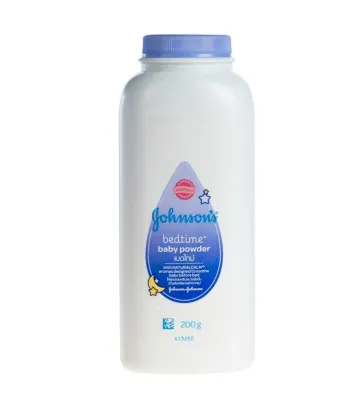
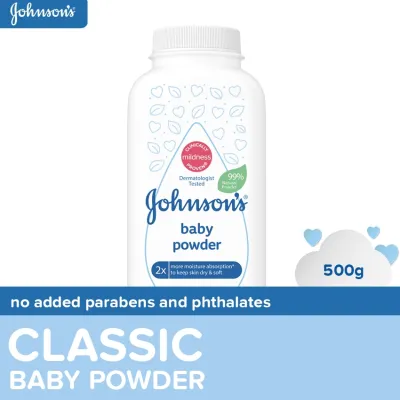
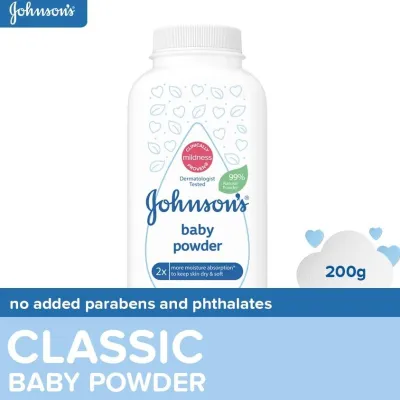
When selecting a product, such as Johnson’s Baby Powder Cornstarch, it is essential to read the ingredient label carefully. While the primary ingredient should be cornstarch (often listed as Zea mays starch), formulations frequently include additional components. Look for added fragrances, which can sometimes trigger allergic reactions or irritate sensitive newborn skin. Some formulations also include soothing botanical agents like aloe vera or chamomile, which are intended to help calm irritated skin but should still be monitored for individual sensitivity.
Products mentioned in this guide



Prices are valid at publication and may change. Please refer to the product page for the latest price.
The physical properties of cornstarch differ significantly from those of talc. Cornstarch particles are naturally larger and heavier than talc particles. This physical difference means that cornstarch is less likely to remain suspended in the air for long periods when dispersed. However, despite being heavier, cornstarch particles can still easily become airborne when shaken directly from a bottle, creating a fine mist that a baby can inhale.
Before purchasing or using any baby powder, always inspect the packaging for age recommendations and manufacturer warnings. Many pediatric guidelines suggest avoiding the use of any loose powders on newborns, as their respiratory systems are highly sensitive. Checking the label for specific usage instructions and safety warnings ensures you are using the product in accordance with the manufacturer’s guidelines and developmental milestones.
Evaluating Inhalation Risks and Respiratory Precautions
The most significant risk associated with any baby powder, including cornstarch-based formulas, is the danger of inhalation. When you shake a powder container, millions of microscopic particles are released into the air, creating an invisible cloud around the baby. Because infants have small, developing airways and a faster breathing rate than adults, they are highly vulnerable to inhaling these airborne particles.

Inhaling fine cornstarch powder can irritate the delicate lining of a baby’s lungs, leading to respiratory distress. Parents should closely monitor their baby for any immediate signs of irritation during or after application. These signs include coughing, sneezing, rapid or shallow breathing, flared nostrils, or a whistling sound (wheezing) while breathing. If any of these symptoms occur, it is crucial to stop using the powder immediately and seek medical advice.
Environmental conditions play a major role in how long powder particles remain airborne. In many tropical households, electric fans or air conditioning units are constantly running to combat heat and humidity. These drafts can quickly disperse powder throughout a room, keeping the particles suspended in the air longer and increasing the likelihood that the baby will breathe them in. Applying powder in small, enclosed spaces with poor ventilation further concentrates the airborne particles, elevating the risk.
To minimize these hazards, general pediatric precautions advise against using loose powders anywhere near a baby’s face. If your baby has a history of respiratory sensitivity, asthma, or was born prematurely, it is best to avoid loose powders entirely. The risk of triggering a respiratory reaction in sensitive infants outweighs the moisture-absorbing benefits of the powder.
Managing Skin Sensitivity and Diaper Rash Conditions
Cornstarch is highly valued for its natural moisture-absorbing properties. When applied to healthy skin, it helps reduce friction between the skin and the diaper, preventing the chafing that often leads to mild redness. In hot and humid climates, keeping skin folds dry is a constant challenge, and cornstarch can provide temporary relief by absorbing excess sweat.
However, using cornstarch on an active diaper rash can sometimes backfire due to the biological nature of the ingredient. Cornstarch is a carbohydrate, which means it can serve as a food source for fungi, particularly Candida albicans. This yeast is a common cause of diaper dermatitis and thrives in warm, moist, and dark environments. If you apply cornstarch to a yeast-based diaper rash, you may inadvertently feed the fungi, causing the infection to spread and worsen.
Before applying any powder, it is important to visually distinguish between standard friction irritation and a fungal or bacterial infection. Standard diaper rash usually appears as generalized redness on the areas of the skin that directly touch the diaper. In contrast, a yeast infection often presents as bright red, swollen patches with distinct borders and small, red “satellite” spots spreading outward into the groin folds. If you suspect a yeast infection, avoid cornstarch completely.
Additionally, parents should watch for signs of adverse skin reactions or caking. When cornstarch mixes with sweat or urine, it can form a thick, pasty residue that cakes in the skin creases. This caked powder can trap moisture against the skin, clog pores, and cause further irritation or bacterial growth. If you notice worsening redness, small bumps, or a paste-like buildup, discontinue use and consult a pediatrician.
Safe Application Techniques to Minimize Airborne Risks
If you choose to use cornstarch baby powder, adopting safe application techniques is essential to minimize both inhalation and skin risks. The most important rule is to never shake the powder container directly onto your baby’s body. Shaking the bottle creates an immediate cloud of airborne particles right next to the baby’s airway.
Instead, use the “pour into hands first” technique. Step slightly away from your baby, shake a small amount of powder directly into your own palm, and gently pat your hands together to settle the dust before bringing your hands near the baby. This simple step significantly reduces the amount of loose powder that becomes airborne in the baby’s immediate breathing zone.
When applying the powder, target only high-friction areas where moisture accumulates, such as the outer diaper area and thighs. Strictly avoid applying powder to the baby’s face, neck folds, or genital mucous membranes. Applying powder to the neck folds is particularly risky because of its proximity to the nose and mouth, and the high likelihood of the powder caking in the deep creases of a baby’s neck.
Proper storage and cleanup are also vital components of safe use. Always keep the powder container securely closed and stored completely out of the baby’s reach. As babies grow, they may try to play with the bottle, which can lead to accidental spills and massive inhalation events. During bath time, make sure to thoroughly wash away any residual powder from the baby’s skin folds to prevent buildup, caking, and skin irritation.
Exploring Powder-Free Alternatives for Skin Protection
For parents who prefer to eliminate the risks of inhalation and fungal growth entirely, several highly effective, powder-free alternatives are available. Barrier creams and ointments are the standard pediatric recommendation for protecting sensitive infant skin. Products containing zinc oxide or petroleum jelly create a physical barrier that blocks moisture from contacting the skin while reducing friction from the diaper.
The primary defense against diaper rash does not rely on topical products alone, but rather on consistent skin hygiene. Making a habit of frequent diaper changes ensures that wetness does not sit against the baby’s skin for extended periods. Clean the diaper area gently with water or fragrance-free wipes, and allow the skin to air-dry completely before putting on a fresh diaper. Giving your baby brief periods of “diaper-free time” is especially beneficial in humid weather, as it allows the skin to breathe naturally.
While home care routines are highly effective for mild irritation, it is important to know when to seek professional help. If a diaper rash does not improve after a few days of frequent changes and barrier cream application, or if it becomes bright red, bleeds, weeps fluid, or develops blisters, stop all home treatments. These symptoms indicate a more severe infection or dermatitis that requires a specific treatment plan prescribed by a pediatrician.
Frequently Asked Questions (FAQ)
Can I use cornstarch baby powder on my newborn's face or neck?
No, it is highly recommended to avoid using cornstarch baby powder on your newborn’s face or neck. Applying powder close to the face significantly increases the risk of direct inhalation into the baby’s developing lungs. Additionally, the neck folds are prone to sweating, which can cause the cornstarch to cake, trap moisture, and irritate the skin. For facial and neck care, stick to gentle wiping with a damp cloth and thorough air-drying.
Is Johnson's Baby Powder cornstarch safe for everyday use?
While cornstarch-based powders like Johnson’s Baby Powder Cornstarch are formulated for gentle skin, everyday use should be approached with caution. Daily application increases the risk of powder buildup in skin creases, which can lead to caking and irritation, especially in humid climates. It is best to evaluate the daily necessity of powder, monitor your baby’s skin and breathing closely, and adjust your routine based on their individual skin response and pediatric advice.
What should I do if my baby accidentally inhales powder?
If your baby accidentally inhales powder, immediately move them to fresh air away from the powder cloud. Monitor them closely for any signs of respiratory distress, such as persistent coughing, sneezing, rapid breathing, or wheezing. If your baby exhibits any difficulty breathing, flared nostrils, blue-tinted lips, or unusual lethargy, seek immediate emergency medical attention. Do not attempt to clear their airway with home remedies; professional pediatric care is required.
Community discussion
Share your experience or ask a question. Comments are reviewed before publication.