
Colgate baby toothpaste is safe for infants, provided parents select the correct formulation for their child’s age, apply the recommended amount, and maintain active supervision during brushing. Because infants have different oral care needs than older children, Colgate offers distinct formulas, including fluoride-free options and low-fluoride variants. Determining which product is suitable for your baby requires checking the packaging for age-specific labels and understanding how to manage fluoride exposure.
This guide serves as an educational resource to help you navigate your infant’s oral hygiene journey. Because every child’s dental development is unique, always consult a pediatric dentist or a qualified healthcare professional in the Philippines to establish a personalized dental care routine.
Quick Answer: Safety and Usage Conditions for Infants
The safety of Colgate baby toothpaste for infants depends entirely on matching the specific product variant to your baby’s developmental stage. Colgate designs its infant oral care line to address the physical limitations of babies, particularly their inability to spit out toothpaste after brushing. Consequently, the safety of these products relies on parents using the correct formulation and applying only the recommended, minimal dosage.
Products mentioned in this guide
![[BUY 1 FREE 1] Tender Care Head to Toe Baby Wash 380ml + Colgate Kids Baby (0-2 Years) Toothpaste 50g](https://img.lazcdn.com/g/p/ffe4d978b3d4e3e72db0d2bf5d22033e.png_400x400q80.png_.webp)
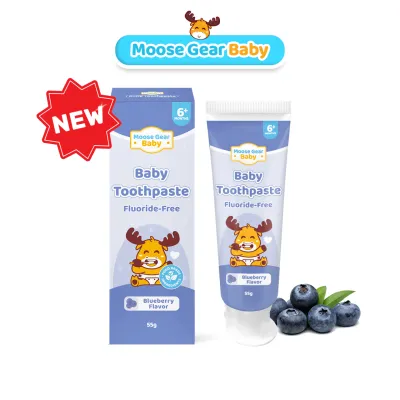
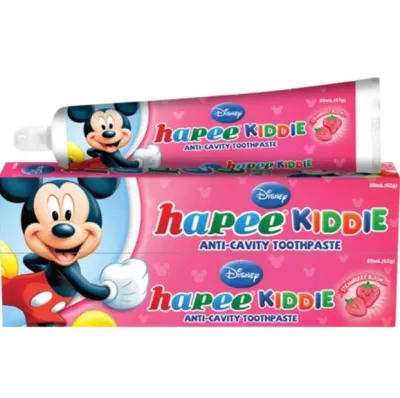
Prices are valid at publication and may change. Please refer to the product page for the latest price.
To ensure safe use, parents must carefully read the front and back labels of the specific Colgate toothpaste tube they purchase. Some formulations are designed specifically for babies aged 0 to 2 years, while others are formulated for older toddlers. Using a product designed for older children on an infant can expose them to inappropriate ingredient concentrations.
Remember that professional guidance is invaluable during your baby’s first year. Consulting a pediatric dentist registered with the Philippine Pediatric Dental Society can help you determine the exact timing and product selection for your baby’s first dental checkup, which is typically recommended around the eruption of their first tooth.
Navigating Fluoride Options in Baby Toothpaste
Fluoride is a mineral widely recognized for its ability to strengthen developing tooth enamel and prevent cavities. However, managing fluoride intake in infants is a delicate balancing act because very young children naturally swallow toothpaste during brushing, and excess fluoride ingestion can lead to dental fluorosis.

Fluoride-Free vs. Low-Fluoride Formulations
Fluoride-free baby toothpastes, often marketed as “training toothpastes,” are specifically designed for infants who are just beginning to have teeth and have not yet learned how to spit. These formulations rely on mild cleaning agents and are completely safe if swallowed in small quantities during the learning process. They allow parents to establish a brushing routine without any risk of systemic fluoride overexposure.
Low-fluoride formulations, on the other hand, contain a carefully controlled, reduced concentration of fluoride suitable for young children. These products are designed to offer active cavity protection for babies who may be at a higher risk for early childhood caries, while keeping the fluoride level low enough to minimize risks if a tiny amount is swallowed. Parents can identify these options by looking for age indicators like “0-2 years” on the front of the packaging and verifying the active ingredients list on the back.
How to Verify Fluoride Content on the Label
To confirm whether a Colgate baby toothpaste contains fluoride, turn the packaging over to inspect the active ingredients panel. Fluoride-containing toothpastes will explicitly list ingredients such as sodium fluoride or sodium monofluorophosphate, along with the concentration, which is often measured in parts per million (ppm). Fluoride-free versions will clearly state “fluoride-free” on both the front marketing panel and the ingredient list.
Because manufacturers periodically update their product formulations, packaging designs, and ingredient concentrations, never rely solely on historical online product photos or general descriptions. Always verify the physical tube and box in your hands at the time of purchase in your local pharmacy or supermarket to ensure it matches your baby’s current developmental needs.
Evaluating Ingredients on the Product Label
Beyond fluoride, the inactive ingredients in baby toothpaste play a crucial role in ensuring the product is gentle enough for an infant’s highly sensitive oral cavity. Understanding what goes into these formulations helps you make an informed choice at the store.
Identifying Gentle Ingredients for Infants
Reputable baby toothpastes utilize mild, low-abrasive cleaning agents to polish delicate primary teeth without scratching the thin enamel. Hydrated silica is a commonly used gentle abrasive that effectively removes plaque and food debris while remaining soft enough for developing teeth. This ensures that the physical action of brushing does not wear down the protective outer layer of your baby’s teeth.
Additionally, infant toothpastes incorporate humectants like sorbitol or glycerin, which keep the toothpaste moist and prevent it from drying out in tropical climates. These ingredients also provide a mild, natural sweetness that makes the brushing experience pleasant for infants without introducing cavity-causing sugars. Mild, fruit-based flavorings are typically preferred over strong mint to prevent overwhelming your baby’s sensitive taste buds.
Ingredients to Monitor or Avoid
When evaluating baby toothpaste, check the label for harsh foaming agents such as Sodium Lauryl Sulfate (SLS). While SLS is common in adult toothpastes to create a rich lather, it can cause dryness or irritate the delicate oral tissues of infants, sometimes contributing to painful mouth sores, locally known as singaw. Selecting an SLS-free formula is often highly recommended for babies with sensitive mouths.
Parents should also review the ingredient list for artificial sweeteners, synthetic dyes, or strong preservatives if their baby has known skin or food sensitivities. If you notice any signs of oral irritation, redness, swelling, or if your baby suddenly resists brushing due to physical discomfort, stop using the product immediately, rinse their mouth gently with clean water, and consult your pediatrician or pediatric dentist.
Safe Brushing Guidelines by Developmental Stage
Establishing a structured oral hygiene routine is essential for long-term dental health. The transition from basic oral hygiene to active brushing should follow your baby’s physical milestones.
When to Introduce Toothpaste
Oral care begins long before your baby’s first tooth emerges. In the warm, humid climate of the Philippines, milk residue can easily accumulate in an infant’s mouth, increasing the risk of oral thrush. During the first few months, clean your baby’s gums daily after feedings using a clean, damp cloth or sterile cotton gauze wrapped around your finger, moistened with cooled, boiled water.
Once the very first primary tooth erupts—usually around six months of age—it is time to introduce baby toothpaste. Always adhere to the minimum age recommendations printed on the specific Colgate baby toothpaste packaging. Introducing toothpaste at the correct developmental stage ensures that your child receives the appropriate level of cleaning without unnecessary exposure to ingredients they are not yet ready for.
Proper Application Amount and Supervision
For infants and toddlers under the age of three, the correct amount of toothpaste to use is a tiny “smear” or a portion no larger than a single grain of uncooked rice. Do not squeeze a thick ribbon of paste across the brush head. Gently press the tiny smear into the bristles of the toothbrush so your baby cannot easily lick the entire dollop off the brush before cleaning begins.
Active adult supervision is mandatory for every brushing session. An adult should perform the actual brushing or closely guide the infant’s hand to ensure all tooth surfaces are reached safely. Use an ultra-soft, small-headed toothbrush specifically designed for babies, which fits comfortably in their small mouths without hitting their sensitive gums.
To maintain control and visibility, position your baby securely. Many parents find success by cradling the baby’s head in their lap while sitting on a couch, or standing behind the baby in front of a mirror so both parent and child can see the brushing process. This secure positioning prevents sudden movements that could cause the toothbrush to poke the back of the baby’s throat.
Managing Accidental Swallowing and When to Seek Help
Because infants have not yet developed the coordination required to spit, swallowing a tiny, rice-grain-sized smear of baby toothpaste during daily brushing is entirely expected and generally poses no health risks. Colgate formulates its infant products with this reality in mind.
If your baby accidentally ingests a larger amount of toothpaste—such as by finding the tube and squeezing a large quantity directly into their mouth—take immediate, practical steps. First, remain calm and remove the toothpaste tube from their reach. Offer your baby a small amount of water or a cup of milk; the calcium in milk naturally binds with fluoride in the stomach, significantly reducing its absorption into the body.
Monitor your baby closely for any signs of mild stomach upset, nausea, or vomiting, which are the most common symptoms of consuming excess toothpaste. To prevent these situations, always store all toothpaste tubes, toothbrushes, and other toiletries securely out of reach of children, especially in humid bathroom environments where plastic tubes can slip off low shelves.
Clearly define when professional medical attention is required. If your baby has ingested a significant portion of a fluoride-containing toothpaste tube, exhibits signs of severe physical distress, or if the swallowed product was regular adult toothpaste, seek immediate assistance. Contact your pediatrician or the National Poison Management and Control Center in the Philippines, and keep the product packaging nearby so you can read the exact ingredients and fluoride concentrations to the medical responders.
Frequently Asked Questions (FAQ)
Can I use regular adult toothpaste for my baby?
No, you should never use regular adult toothpaste for an infant. Adult toothpastes contain significantly higher concentrations of fluoride, which can lead to dental fluorosis if swallowed regularly by a young child. They also contain stronger abrasive agents designed for mature adult enamel, which can wear down a baby’s delicate primary teeth, and intense mint flavorings that can cause a burning sensation and make your baby fear brushing.
How often should I brush my infant's teeth?
Pediatric dental associations recommend brushing your infant’s teeth twice a day. The most effective times are once in the morning after breakfast and once at night right before bed. Brushing before bedtime is particularly critical because saliva flow decreases during sleep, making teeth more vulnerable to plaque accumulation. Consult your pediatric dentist to establish a tailored routine as more teeth emerge.

Community discussion
Share your experience or ask a question. Comments are reviewed before publication.