
During the peak of the tropical rainy season, when dengue-carrying mosquitoes become a pressing concern for families, finding a safe and effective repellent for your baby is a top priority. Citronella is widely recognized as a natural, plant-based alternative to synthetic chemical repellents, making it a popular choice for parents seeking gentler options. However, its safety for infants is not absolute and depends heavily on the baby’s age, the product’s formulation, and how it is applied. Because a baby’s skin and respiratory systems are still developing, introducing any active botanical ingredient requires a careful, informed approach to balance pest protection with physical safety.
Understanding Citronella and Your Baby's Sensitivities
Citronella is an essential oil obtained from the leaves and stems of different species of Cymbopogon (lemongrass) plants. It has been used for decades in various formulations, including lotions, sprays, patches, and candles, to deter insects by masking the human scents that attract them. While it is a natural botanical extract, “natural” does not automatically translate to “safe for infants.” Essential oils are highly concentrated chemical compounds that can exert strong physiological effects when they come into contact with delicate tissues.
An infant’s skin is structurally different from adult skin, possessing a much thinner outer barrier and a higher surface-area-to-body-weight ratio. This means that topically applied substances are absorbed much more rapidly and deeply into a baby’s bloodstream. Additionally, their immune systems are still learning to distinguish between harmless substances and actual threats, making them highly susceptible to contact dermatitis and allergic sensitization.
Products mentioned in this guide
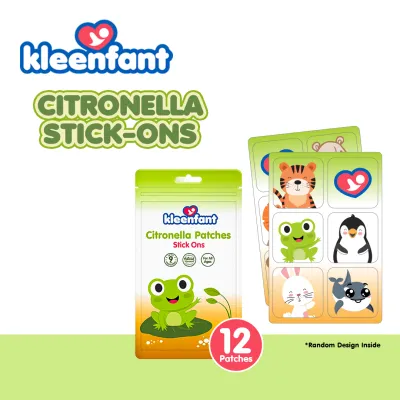
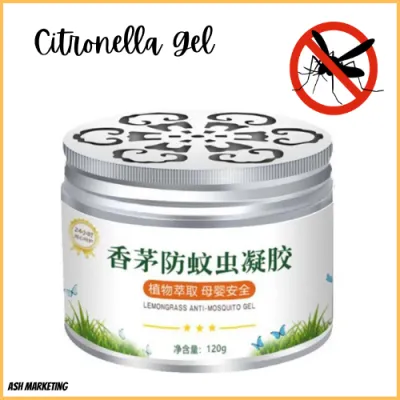
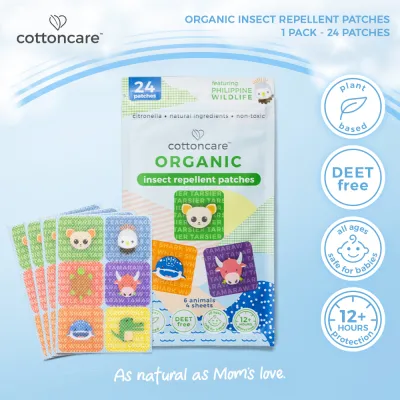
Prices are valid at publication and may change. Please refer to the product page for the latest price.
A baby’s respiratory tract is equally vulnerable. The airways of an infant are narrow, highly sensitive, and still developing. Inhaling strong, concentrated volatile organic compounds—which are abundant in essential oils like citronella—can easily irritate these delicate passages. Consequently, pediatric guidelines and safety experts advise treating all essential oil-based products with extreme caution, always prioritizing the manufacturer’s age-specific safety warnings over general assumptions.
Observable Skin and Respiratory Reactions to Monitor
When introducing any citronella-based product to your baby’s environment or clothing, vigilant observation is your primary line of defense. Adverse reactions can manifest quickly or develop gradually after repeated exposure. On the skin, look closely for localized redness, swelling, or warmth in the areas where the product was applied or where treated clothing made contact. Other common dermatological signs include dry, flaky patches, tiny raised bumps, hives, or an unexpected rash that causes visible discomfort or itching.

Respiratory and mucosal reactions require immediate attention, as they directly impact your baby’s breathing. Watch for sudden bouts of sneezing, a runny nose, or watery, red eyes shortly after the scent of citronella is introduced. More severe signs of airway irritation include a persistent dry cough, rapid breathing, flared nostrils, or a whistling sound when the baby breathes. If your baby becomes unusually fussy, restless, or lethargic after exposure, it may also indicate discomfort from inhaling the strong aroma.
If you observe any of these signs, immediate action is necessary to prevent the reaction from escalating. Promptly wash the baby’s skin with mild, fragrance-free baby soap and lukewarm water to remove any remaining product residue. If the reaction was triggered by an airborne source, such as a diffuser or candle, move your baby to a well-ventilated room with fresh air immediately. Discontinue the use of the product entirely and monitor the symptoms closely.
What to Verify on Product Labels Before Use
Before purchasing or applying any citronella product, a thorough inspection of the packaging is essential. Never assume a product is safe for an infant simply because it features baby-friendly imagery or claims to be “all-natural.” Your first step should be to locate the explicit age restrictions printed on the label. Many commercial insect repellents containing essential oils carry clear warnings stating they should not be used on infants under six months, or in some cases, under two years of age. If a product lacks clear age-specific instructions, it is safest to avoid using it on your baby.
Next, examine the ingredient list to understand the concentration of the formulation. There is a critical difference between a heavily diluted, pediatric-tested lotion and a bottle of pure, concentrated citronella essential oil. Pure essential oils should never be applied directly to an infant’s skin, even if diluted at home, as incorrect ratios can easily lead to chemical burns or severe systemic absorption. Look for products where citronella is listed alongside safe, inert carrier ingredients, and verify that the formulation is specifically designed for topical use on young children.
Finally, verify the regulatory status of the product. In the Philippines, reputable personal care products and insect repellents should be registered with the Food and Drug Administration (FDA) or equivalent local health authorities. This registration ensures that the product has undergone quality control checks and does not contain hidden, harmful contaminants or unauthorized synthetic chemicals.
Risk-Reducing Application Steps and Physical Alternatives
If you choose to use an age-appropriate, registered citronella product, adopting risk-reducing application methods can significantly lower the chances of skin irritation or inhalation issues. Instead of applying the product directly to your baby’s skin, consider indirect application. You can apply a small amount of the lotion or spray to the outer surfaces of your baby’s clothing, the fabric of their stroller, or the exterior of their bedding. When doing this, ensure the treated areas do not come into direct contact with the baby’s face, mouth, or hands, as infants frequently rub their eyes and put their hands in their mouths.
Before applying any topical formulation more broadly, always perform a localized patch test. Apply a tiny, pea-sized amount of the diluted product to a small, less sensitive area of the baby’s skin, such as the outer upper arm or the leg. Observe the area closely for 24 hours for any signs of redness, swelling, or irritation. If the skin remains clear and there are no signs of respiratory discomfort, you can proceed with cautious use, strictly adhering to the manufacturer’s application frequency and dilution instructions.
While low-risk chemical application is an option, physical barriers remain the safest, zero-risk method for protecting your baby during peak dengue season. Installing properly fitted mosquito nets over your baby’s crib, playpen, and stroller provides a highly effective physical shield without introducing any chemical substances or strong scents. Dressing your baby in lightweight, loose-fitting, long-sleeved shirts and long pants in light colors also minimizes exposed skin while keeping them cool in humid, tropical weather. Additionally, ensuring that window screens are intact and keeping doors closed during peak mosquito activity hours dramatically reduces the risk of indoor bites.
When to Stop Use and Consult a Pediatrician
While mild skin irritation can often be managed by washing the area and discontinuing the product, certain situations demand professional medical evaluation. If your baby exhibits persistent skin redness, swelling that spreads, or a rash that does not improve within 24 hours of stopping the product, consult your pediatrician. Any signs of respiratory distress—such as continuous coughing, wheezing, rapid breathing, or chest retractions—require immediate, emergency medical attention.
If your baby has a pre-existing skin condition, such as eczema or extremely sensitive skin, or an underlying respiratory issue like asthma, you should consult a pediatrician before introducing any new pest protection products, including natural ones. These infants have compromised skin barriers and highly reactive airways, making them far more susceptible to severe adverse reactions from essential oils.
It is also important to remember that dengue fever is a serious, potentially life-threatening viral infection, and effective mosquito prevention is non-negotiable during high-risk seasons. If natural options like citronella are deemed unsuitable for your baby, or if you are concerned about their variable efficacy, your pediatrician can recommend clinically tested, age-appropriate synthetic repellents that offer reliable, long-lasting protection. They can help you weigh the risks and benefits of different protective measures to ensure your baby remains safe from both mosquito-borne illnesses and product-related adverse effects.
Frequently Asked Questions (FAQ)
Can I use citronella candles or diffusers in the nursery?
Using citronella candles, incense coils, or active oil diffusers inside a baby’s nursery is generally not recommended. Enclosed sleeping spaces can quickly accumulate high concentrations of volatile organic compounds and particulate matter, which can irritate your baby’s sensitive respiratory tract and eyes. Candles and coils also present a fire hazard and release soot into the air. To maintain a safe sleeping environment, it is far better to rely on physical barriers, such as a well-fitted mosquito net over the crib, and ensure the room is kept clean, dry, and free of standing water. If you do choose to use airborne repellents, do so only in large, highly ventilated common areas of the home, well away from where your baby sleeps or plays.
Is citronella effective enough against dengue-carrying mosquitoes?
The protective efficacy of citronella against Aedes mosquitoes, which transmit dengue, is highly variable and generally shorter-lived compared to synthetic alternatives. Because citronella is a volatile essential oil, it evaporates rapidly from the skin or clothing, often requiring frequent reapplication to maintain a protective barrier. Its effectiveness depends heavily on the specific formulation, the concentration of the active oil, and environmental factors like humidity and wind. In high-risk dengue areas or during peak transmission seasons, relying solely on citronella may not provide sufficient, continuous protection. For robust defense, it is best to combine cautious, label-compliant repellent use with proven physical barriers like mosquito nets and protective clothing, while actively eliminating stagnant water breeding sites around your home.
Community discussion
Share your experience or ask a question. Comments are reviewed before publication.