
Protecting an infant from mosquito bites during the peak dengue season in the Philippines is a top priority for parents, but choosing the right repellent requires a careful balance of efficacy and safety. While citronella—frequently searched by parents as “cetronella”—is widely marketed as a natural and gentle alternative to synthetic chemical repellents, it is not universally safe for babies. Pediatric guidelines generally advise against applying any essential oils, including citronella, directly to the skin of newborns and infants under six months of age. For older babies, citronella-based products must be selected and applied with strict adherence to age limits and safety protocols to prevent adverse reactions.
Understanding Citronella and Infant Safety
Citronella is an essential oil obtained from the leaves and stems of different species of Cymbopogon (commonly known as lemongrass). In the consumer market, it is formulated into various products, including topical lotions, essential oil sprays, wearable patches, candles, and room diffusers. Because it is plant-derived, many parents assume it is inherently safer than synthetic active ingredients. However, the term “natural” does not guarantee that a substance is hypoallergenic or safe for a baby’s delicate system.
An infant’s physiology is vastly different from that of an adult, making them highly vulnerable to topical applications and inhaled vapors. A baby’s skin is up to 30% thinner than adult skin, meaning its epidermal barrier is highly permeable and absorbs topical substances much more rapidly into the bloodstream. Furthermore, infants have a larger skin surface-area-to-body-weight ratio, which amplifies the systemic dose of any chemical or oil absorbed through the skin. Alongside their delicate skin, babies possess developing respiratory systems with narrow airways that are easily irritated by strong volatile organic compounds (VOCs) released by essential oils. Because of these developmental factors, pediatric dermatologists and medical societies urge extreme caution when introducing botanical extracts to an infant’s environment.
Products mentioned in this guide
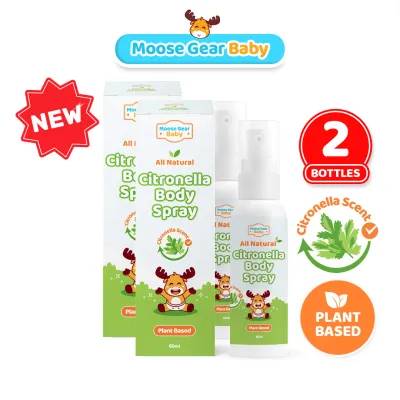
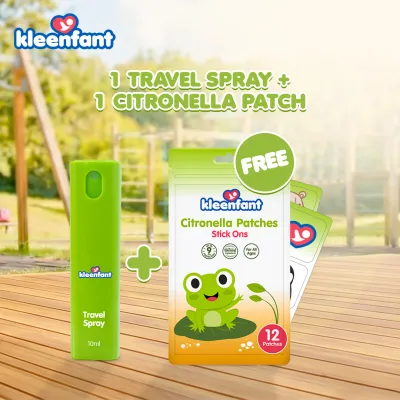
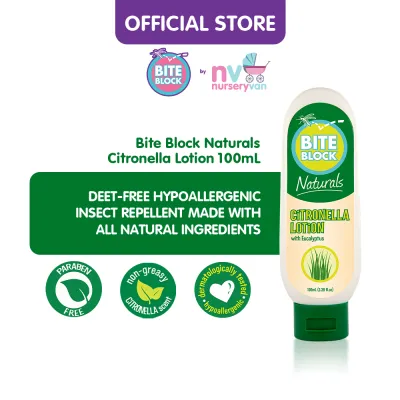
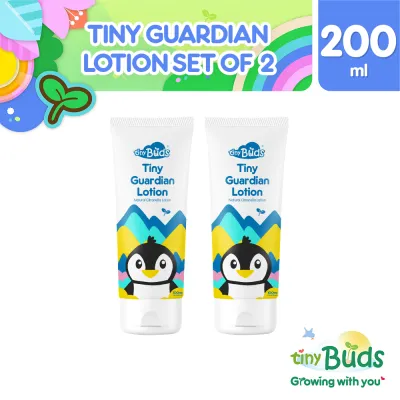
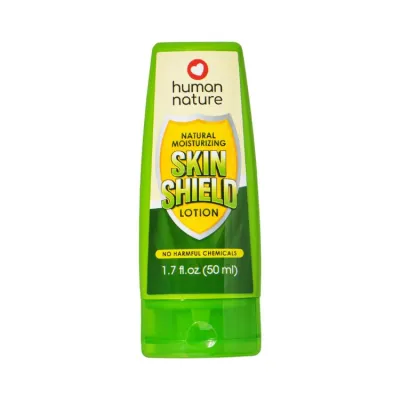
Prices are valid at publication and may change. Please refer to the product page for the latest price.
Potential Skin and Respiratory Risks of Cetronella
When considering the use of cetronella or standard citronella formulations, parents must understand the specific dermatological and respiratory risks these products pose to infants. The most common adverse reaction to topical botanical oils is contact dermatitis. This condition manifests as localized skin irritation, intense redness, swelling, or a bumpy rash where the product was applied. Because an infant’s skin barrier is still developing, exposure to highly concentrated terpenes and organic compounds in citronella can trigger rapid allergic sensitization, leading to chronic skin sensitivity or eczema flare-ups.

Inhalation risks are equally concerning, particularly in the humid, enclosed spaces typical of many homes during the rainy season. Burning citronella candles, running active diffusers, or spraying aerosolized botanical oils in a nursery can quickly saturate the air with irritating fumes. For a baby, inhaling these concentrated vapors can cause immediate airway irritation, resulting in persistent coughing, watery eyes, sneezing, or even severe bronchospasms. In babies with a family history of asthma or sensitive airways, these airborne irritants can trigger acute respiratory distress that requires emergency medical intervention.
Toxicity is another critical risk factor that caregivers must manage. Accidental ingestion can occur easily if a baby licks skin that has been treated with repellent, or if they chew on a wearable citronella patch. Even small amounts of ingested essential oils can lead to rapid-onset toxicity, characterized by vomiting, aspiration into the lungs, coordination loss, or central nervous system depression. Furthermore, if a baby has minor scratches, insect bites, or open eczema patches, applying concentrated botanical oils over these broken areas allows the chemicals to bypass the outer skin barrier entirely, leading to direct systemic absorption and a higher risk of poisoning.
Age Restrictions and Safe Application Guidelines
To minimize these health risks while still protecting your child from dengue-carrying mosquitoes, you must establish clear safety boundaries based on your baby’s age. Pediatricians generally agree that topical repellents of any kind—including botanical formulations—should not be applied to infants under six months of age. For babies older than six months, you must meticulously read the manufacturer’s label on every product to verify the specific age limits, as some formulations are restricted for use only on children over two years old. Always consult your pediatrician before introducing any new repellent to your child’s routine.
When applying approved citronella-based repellents to an older infant, direct skin contact should be minimized or avoided entirely. A safer method is to apply the product to the outer surfaces of the baby’s clothing, or onto the fabrics of their stroller, playpen, or carrier. When applying any repellent, strictly avoid the baby’s hands, face, and any areas near their mouth or eyes. Applying product to a baby’s hands is a common mistake that almost always results in the child transferring the chemical to their eyes or mouth during normal play or self-soothing.
If you choose to use environmental repellents such as citronella candles, coils, or diffusers, never place them inside an enclosed nursery or close to where the baby is sleeping. Ensure the room has continuous, active ventilation to prevent the buildup of heavy vapors. Keep all candles and electrical diffusers completely out of reach of children to prevent accidental burns, spills, or ingestion.
Before applying any topical citronella product to a larger area of an older baby’s body, you should perform a localized patch test. Apply a single, tiny drop of the diluted product to a small, discreet area of the baby’s skin, such as the outer upper arm or the leg. Observe the area closely for 24 hours. If you notice any signs of redness, swelling, warmth, or itching, wash the area immediately and do not use the product again.
Recognizing Adverse Reactions and When to Seek Help
Even when following all safety guidelines, adverse reactions can still occur, and parents must be prepared to identify the early signs of distress. Mild skin irritation typically presents as localized redness, a mild rash, or dry, flaky patches. You may also notice behavioral changes, such as unusual fussiness, crying, or rubbing of the treated area, which indicate discomfort or itching. Mild respiratory irritation often presents as sudden sneezing, watery eyes, or a light, dry cough shortly after exposure to citronella vapors.
If you suspect your baby is having a negative reaction to a citronella product, you must take immediate action. First, wash the treated skin thoroughly with cool water and a mild, fragrance-free baby soap to remove any remaining oil residue. If the reaction was triggered by inhaled vapors from a candle or diffuser, immediately move your baby to an outdoor area with fresh, clean air or a well-ventilated room free of fumes. Discontinue the use of that specific product immediately and do not reintroduce it.
While mild symptoms can often be managed by washing the skin and removing the irritant, certain red-flag symptoms require urgent medical attention. Seek immediate professional medical care if your baby exhibits any signs of a severe allergic reaction (anaphylaxis), such as swelling of the face, lips, tongue, or throat. Watch for respiratory distress, which includes rapid breathing, chest retractions (the skin sucking in around the ribs or collarbone), nasal flaring, or a high-pitched wheezing sound. Persistent vomiting, extreme lethargy, an inability to wake up easily, or a rapidly spreading rash also demand an immediate trip to the nearest hospital or clinic.
Safer Alternatives for Dengue Season Protection
During the peak dengue months in the Philippines, which coincide with the rainy season, relying solely on botanical repellents is often insufficient and potentially risky for young infants. Fortunately, highly effective physical barriers offer complete protection without any risk of chemical exposure. Fitting a fine-mesh mosquito net (traditionally known as a kulambo) over your baby’s crib, playpen, and stroller is one of the safest and most reliable ways to keep mosquitoes away. Additionally, dressing your baby in light-colored, long-sleeved shirts and long pants made of lightweight, breathable cotton protects their skin from bites while keeping them cool in the tropical humidity.
Environmental controls around your home are equally vital for reducing the local mosquito population. Aedes aegypti mosquitoes, which transmit the dengue virus, breed in clean, stagnant water. Regularly inspect your home and yard to empty water from flowerpot saucers, buckets, clogged gutters, and discarded tires. Installing high-quality screens on all windows and doors helps keep mosquitoes outside, while using an electric fan in the baby’s room creates a continuous draft that disrupts the weak flight patterns of mosquitoes, making it difficult for them to land on your baby.
For infants older than six months, pediatricians may recommend specific, clinically tested active ingredients—such as low-concentration DEET or Picaridin—over unregulated botanical oils. These ingredients have undergone rigorous scientific testing to prove their safety and long-lasting efficacy against dengue-carrying mosquitoes. Before purchasing any insect repellent, consult your pediatrician to obtain a personalized recommendation tailored to your baby’s exact age, weight, and health profile, ensuring robust protection during the high-risk dengue season.
Frequently Asked Questions (FAQ)
Can I use citronella patches on my newborn's clothes?
No, you should avoid using citronella patches on a newborn’s clothing. Although the patch does not make direct contact with the skin, it continuously releases concentrated volatile organic compounds into the immediate breathing zone of your baby. A newborn’s respiratory system is highly sensitive, and inhaling these strong vapors in close proximity can cause airway irritation or breathing difficulties. Always consult your pediatrician before introducing any repellent products to a newborn’s environment.
Are citronella plants safe to keep in the baby's room?
While live citronella plants are generally non-toxic to touch, keeping them in a baby’s room does not provide effective protection against mosquitoes. The plant only releases its insect-repelling oils when its leaves are crushed or bruised; simply sitting in a pot will not deter pests. Furthermore, the damp soil of potted indoor plants can easily harbor mold spores or attract other small insects, which can compromise the air quality in your baby’s sleeping area.
What should I do if my baby licks a citronella repellent?
If your baby licks a small amount of citronella repellent from their skin or clothing, immediately wipe their mouth with a clean, damp cloth and offer a few sips of water or breastmilk to rinse their mouth. Do not attempt to induce vomiting, as this can cause the oil to be aspirated into their lungs, leading to severe respiratory complications. Monitor your baby closely and contact your pediatrician or the National Poison Management and Control Center in the Philippines immediately for professional guidance.
Community discussion
Share your experience or ask a question. Comments are reviewed before publication.